Pancreas treatment at home
Diseases of the pancreas, such as inflammation (pancreatitis), often present with girdle pain in the upper abdomen. Because the pancreas is close to the main artery (aorta) and the inferior vena cava, various infections can quickly spread through the blood vessels and affect other areas organism. Therefore, if you find the first symptoms, you should immediately consult a doctor. Treating the pancreas at home with proper effort can also be effective, and in this article we will look at its methods.
Pancreas treatment at home
Content
- 1 What is the pancreas?
- 2 Causes of disruption of the pancreas
-
3 Diseases of the gastrointestinal tract
- 3.1 Diabetes
-
3.2 Pancreatitis
- 3.2.1 Acute pancreatitis
- 3.2.2 Chronic pancreatitis
- 3.3 Cystic fibrosis
- 3.4 Pancreatic cyst
- 3.5 Pancreas cancer
-
4 Pancreas treatment at home
- 4.1 Diet
- 4.2 Taking medications
- 4.3 Folk remedies
-
4.4 Video - How to treat the pancreas
- 4.4.1 Recipe number 1
- 4.4.2 Recipe number 2
- 4.4.3 Recipe number 3
- 4.4.4 Recipe number 4
- 4.4.5 Recipe number 5
- 5 Summing up
What is the pancreas?
The pancreas, an organ of the digestive system, is located in the upper abdomen between the stomach, liver, and duodenum.
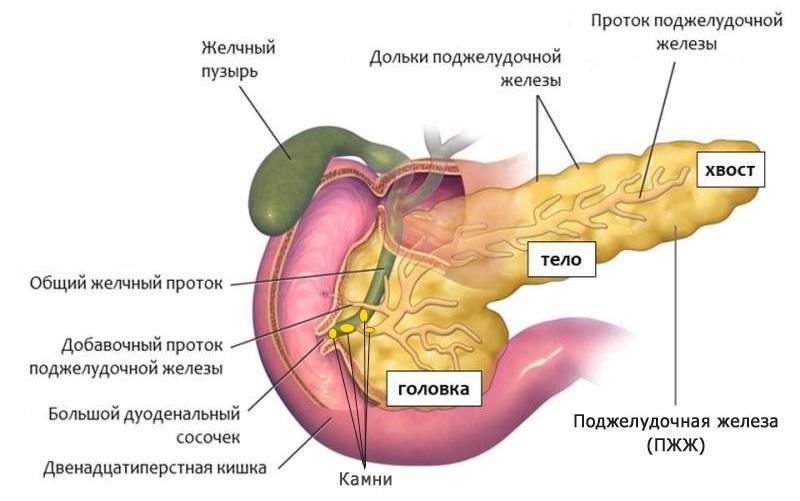
Pancreas
The pancreas is about 15-20 centimeters in size. The organ is divided into a head, body, and tail. The pancreas is made up of two parts that have different functions.
- Exocrine part - the bulk of the gland. It consists of a network of excretory ducts associated with the duodenum, where it secretes proteases, lipases and amylase - digestive enzymes. If the pancreas is damaged or the pancreatic duct is blocked by a stone or tumor, enzymes begin to enter the bloodstream and urine in large quantities. This poses a health hazard.
- Endocrine part - the smaller part of the gland, which consists of the so-called pancreatic islets. Most of them are in the tail part of the organ. These formations secrete insulin, glucagon, ghrelin, somatostatin and pancreatic polypeptide. By releasing hormones into the bloodstream, the pancreas regulates carbohydrate metabolism and sugar levels.

If the pancreas malfunctions, a person experiences severe pain
If the pancreas stops functioning normally, the digestive process will be disrupted. As a rule, if a person has disturbances in the work of this organ, he almost immediately begins to experience severe pain. Consider what can cause the pancreas to malfunction.
Causes of disruption of the pancreas
- Alcohol abuse. It becomes especially dangerous if you consume it along with a fatty snack.
- Infectious pathologies such as hepatitis, mumps, or mononucleosis.
- Violation of blood circulation in the area of the organ.
- Heredity. The predisposition to diseases of the pancreas is transmitted from parents to children.
- Various diseases of the digestive tract. Let's analyze them in detail.
Diseases of the gastrointestinal tract
Diabetes
Diabetes mellitus is a chronic metabolic disease of the endocrine pancreas. Type 1 diabetes develops during childhood or adolescence. The immune system of the body in such a disease, for unknown reasons, destroys the insulin-producing beta cells of the pancreas. As a result, they can no longer produce this hormone and their blood sugar rises, so patients need to be constantly injected with insulin.
Type 2 diabetes is more common - in 90% of cases. It can develop over time if a person does not lead a healthy lifestyle and does not eat properly. This disease is caused by a decrease in the sensitivity of body tissues to the action of insulin. Initially, the pancreas counteracts this by producing more insulin. However, over time, this can disrupt the functioning of the organ, and the gland may stop producing this hormone altogether. To avoid such a disease, it is worth controlling your weight, eating right and paying sufficient attention to physical activity.
Diabetes often manifests itself with a strong urge to urinate and constant thirst. But symptoms such as fatigue, dry skin, general malaise and often fever may indicate the presence of a disease.
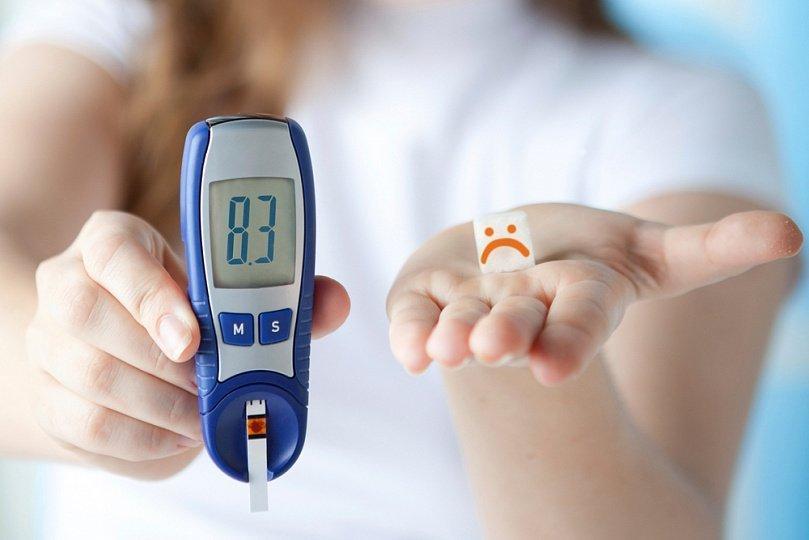
To control your health, you should donate blood for glucose levels every six months.
Pancreatitis
Pancreatitis is an inflammation of the pancreas. There are two types of this disease: acute and chronic.
Acute pancreatitis
Acute pancreatitis often results from excessive drinking or gallstones. The illness can be mild or severe. The severe form is potentially life-threatening.
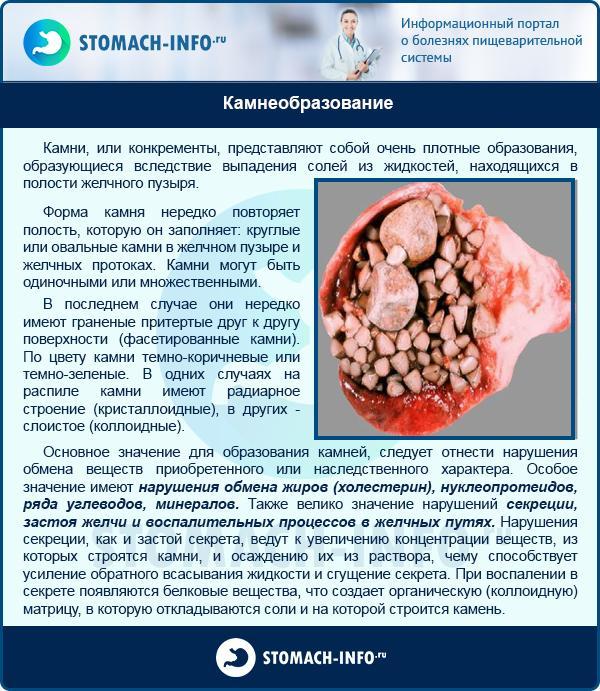
Stone formation
Causes:
- Diseases of the biliary tract.
- Disorders of digestion and absorption of fats.
- Changes in genetic material (for example, hereditary pancreatitis, cystic fibrosis, etc.).
- Diseases of the parathyroid glands.
- Mechanical obstruction in the pancreatic duct (eg, tumors).
Symptoms:
- Fever, malaise.
- Nausea, vomiting, flatulence.
- Sudden severe pain in the upper abdomen that radiates to the back and chest.
Relief for a patient with acute pancreatitis usually brings only a certain position: lying or sitting with bent knees. The patient's abdomen is usually slightly swollen - doctors call this a "rubber belly". With external pressure, a person experiences pain.
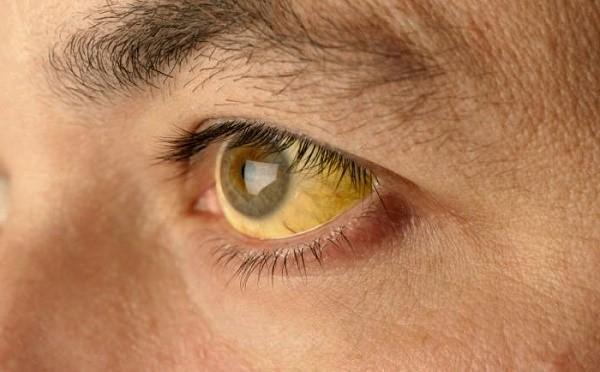
If, in parallel with the pancreas, the gallbladder is also affected, jaundice may develop: the skin and whites of the eyes turn yellow, the urine becomes darker
In severe acute pancreatitis, the patient may experience low blood pressure or even a heart attack.
Chronic pancreatitis
Alcohol is one of the main causes of chronic pancreatitis. Congenital factors also play an important role.
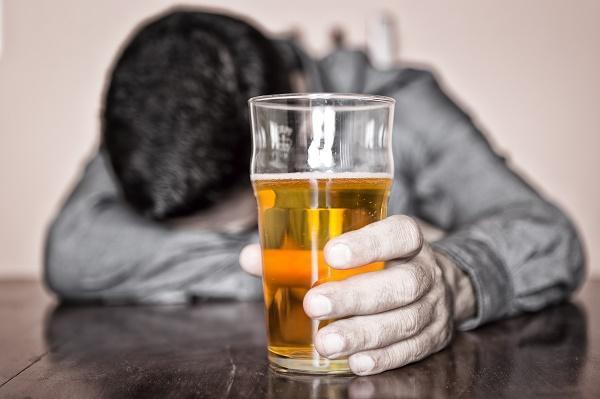
Alcohol abuse is one of the causes of pancreatitis
Causes:
The main causes of chronic pancreatitis, doctors call alcohol and cigarette abuse, as well as unhealthy diet.
Chronic pancreatitis in children often develops due to a genetic predisposition. Mutations in certain genes of digestive enzymes cause so-called hereditary chronic pancreatitis.
Elevated blood calcium levels, such as those caused by hyperparathyroidism (hyperfunction of the parathyroid gland), contribute in part to the development of the disease. Certain abnormalities in lipid metabolism that lead to high levels of triglycerides in the blood can also cause chronic pancreatitis.
Symptoms:
Most patients suffering from chronic pancreatitis complain of irregular acute pain in the upper abdomen. Often they are of a shingles nature and "give" to the back. If therapy is not carried out, the patient will rapidly lose weight. He can also develop diabetes mellitus if, due to inflammation, the pancreas produces less insulin.
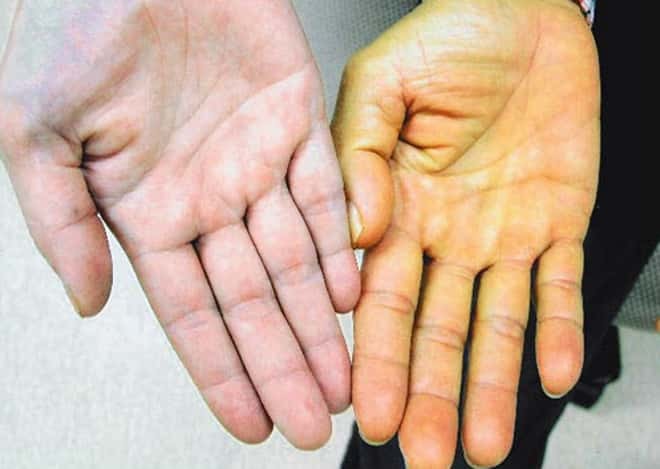
Chronic pancreatitis can narrow the bile ducts, which can turn the skin and whites of the eyes yellow.
Cystic fibrosis
Cystic fibrosis, or cystic fibrosis, is the most common congenital metabolic disease of the white population in Russia and Europe. With this disease, a person from birth has a systemic lesion of the exocrine glands with concomitant disorders of the functions of the liver, pancreas, respiratory and digestive organs. Exocrine glands produce tough, viscous mucus instead of finer secretions. This leads to cough, emphysema, upper respiratory infections, chronic diarrhea, and indigestion. The disease is considered incurable.
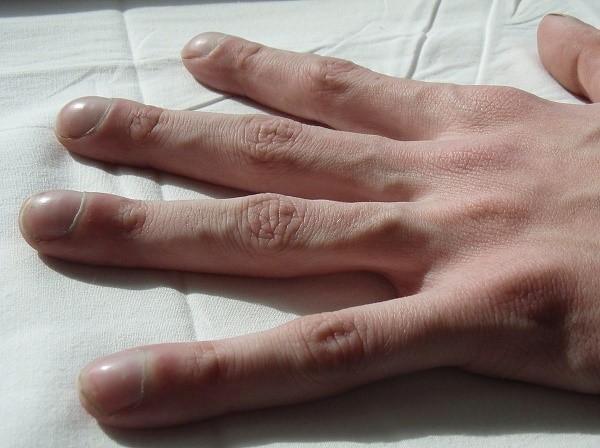
Hand of a person suffering from cystic fibrosis
Pancreatic cyst
Pancreatic cysts are often found incidentally during a general examination. In 70-90% of cases, so-called pseudocysts (fluid-filled cavities) are found, which develop after acute or chronic pancreatitis.
In 10-20% of cases - cystic tumors of the pancreas. Distinguish between benign, malignant and borderline tumors - the latter have a low degree of malignancy.
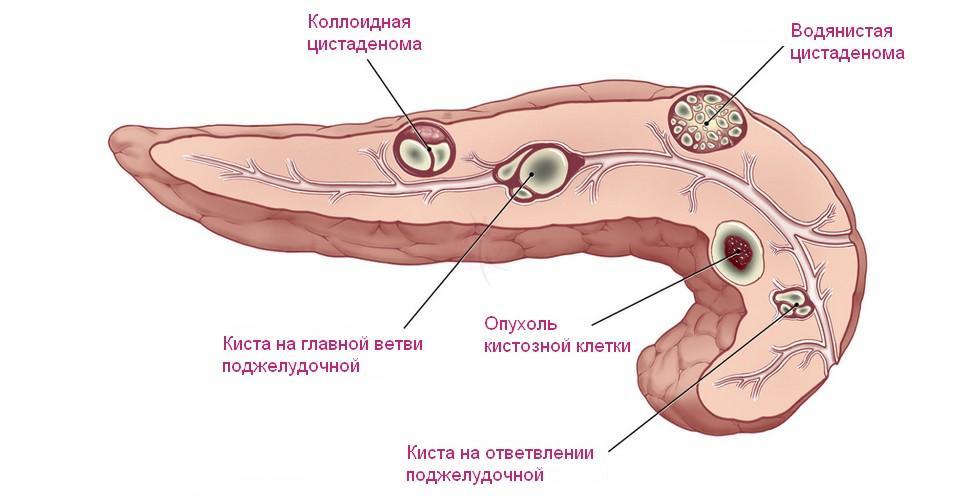
Pancreatic cyst and its types
The following types of benign tumors are distinguished: serous cystadenoma, mucinous cystadenoma, intraductal papillary-mucinous tumor. Doctors recommend that they be surgically removed because they may otherwise become cancerous over time.
Symptoms:
- Mild upper abdominal discomfort.
- Loss of appetite.
- Weight loss.
- Nausea and vomiting.
- Yellowing of the eyes and skin.
Symptoms of a pancreatic cyst can be confused with symptoms of other diseases, making it difficult to identify the disease. In some cases, the cyst may not manifest itself at all, which poses a danger to human life. Therefore, it is recommended to undergo a general examination of the body annually in order to detect diseases in time.
Pancreas cancer
Most often, men after 65 years of age suffer from this disease. The tumor is often detected late, as it causes only mild discomfort in the early stages. Distinguishing between pancreatic cancer and chronic pancreatitis is sometimes difficult. However, if the tumor is found early enough and is small, it can be removed surgically.
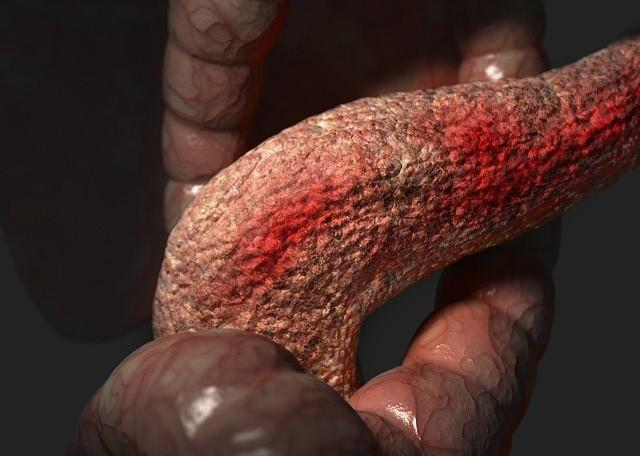
Pancreas cancer
The first symptoms may be poor appetite, weakness, nausea, vomiting, or diarrhea. Patients often also report that they have felt pressure in the upper abdomen or back pain for a long time. If abdominal pains radiate to the back and intensify at night, a person should urgently consult a doctor.
Pancreatic cancer causes discomfort when it spreads metastases to neighboring organs: stomach, duodenum, spleen. In this case, symptoms characteristic of the affected organs may occur.
Jaundice often develops due to cancer. The head of the pancreas contains the bile duct, which runs from the liver to the duodenum. If a tumor narrows this duct, the bile produced in the liver cannot enter the gallbladder. Because of this, the digestion of fat can be disrupted, which will lead to "fat" stool: the stool is lighter in color, becomes sticky or shiny, and smells very unpleasant. If bile builds up, the skin and whites of the eyes may turn yellow and the urine may turn brown.
Such symptoms are also typical of gallstone disease. However, in this case, the patient constantly experiences severe pain, which may not be the case with pancreatic cancer. Also, patients often develop signs of diabetes, since insulin in the blood is low. In some patients, pancreatic cancer leads to bleeding disorders. As a result, blood clots form in the blood vessels - the so-called thrombosis.
Pancreas treatment at home
Not every disease of the pancreas can be cured at home: for example, cancer treatment must be carried out strictly under the supervision of a doctor. He may prescribe the patient to undergo radiation or chemotherapy, certain medications, physical therapy, or surgery. If the patient tries to get rid of pancreatic cancer on his own at home, there is a high risk that the treatment will be ineffective and the disease will progress. This is fatal to health.
Home treatments are not always effective
For other diseases, there are “universal” methods of treatment that can be successfully applied at home. They help to reduce pain, eliminate discomfort, normalize the functioning of the digestive system and stop the development of the disease.
Diet
Compliance with the diet for patients suffering from pancreatic diseases is essential.
During an exacerbation of diseases, the following are excluded from the diet:
- raw fruits and vegetables;
- mushrooms;
- smoked meats;
- pickles;
- sausages;
- carbonated drinks;
- sugar;
- rich pastries;
- coffee;
- soups with fish and meat broths;
- fast food;
- fried food;
- foods high in glucose (grapes, honey, white bread, sweets, cherries, strawberries, apples, bananas, lentils, etc.).
You also need to completely exclude alcohol, since due to its abuse, in most cases, pancreatic diseases occur. It is worth quitting smoking as well.
With a diet allowed:
- crackers;
- puree soups;
- steam meat or vegetable cutlets;
- boiled eggs;
- baked apples;
- compotes;
- jelly;
- mineral water;
- tea;
- fermented milk products (cottage cheese, sour cream, yogurt, fermented baked milk, yogurt, cream, etc.);
- dried fruits;
- nuts;
- seaweed;
- oats in any form;
- millet;
- buckwheat;
- zucchini.
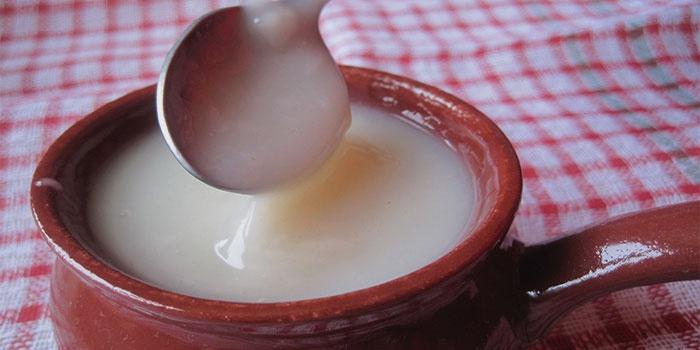
Kissel from oats
Below is an approximate daily diet. Adhering to it, the patient will not feel discomfort and hunger throughout the day, and his body will be saturated with substances necessary for normal functioning.
- Breakfast. Oatmeal, buckwheat or wheat porridge cooked in water. You can add nuts and dried fruits. Kissel or fermented baked milk.
- Dinner. Vegetable puree soup, steamed vegetables, steamed meat or fish. Compote.
- Dinner. Whole wheat pasta, boiled egg, steamed cutlet. Kissel or fermented baked milk.
- Snack. Rusks, low-fat cottage cheese, yogurt, seaweed, baked apple to choose from.
To facilitate digestion, food should be chopped and chewed thoroughly. It is best to eat often, but little by little: for example, 5-6 times a day (breakfast, lunch, dinner and three snacks during the day). The recommended average daily calorie content is 2000 kcal. It is also imperative to drink at least 2 liters of water per day.
Taking medications
Table 1. Pancreatic drugs
| Name | Drug action | Admission rules and side effects |
|---|---|---|
 "Cerucal" |
The drug is taken in case of severe nausea or vomiting. With intramuscular or intravenous administration, it begins to act after 10 minutes, when taking a pill - after 25-30 minutes. | A single dose is 10 mg, the maximum daily dose for adults and children over 14 years old is 30-40 mg. For children aged 3 to 14 years, a dose of 0.1 mg / kg of body weight is recommended with a maximum daily dose of 0.5 mg / kg of body weight. Solution for injection is administered intramuscularly or intravenously. This drug, even at the correct dosage, can worsen the reaction, so a person in the next 12 hours after taking it is not recommended to drive or engage in work that requires increased concentration. This side effect is exacerbated by alcohol consumption. |
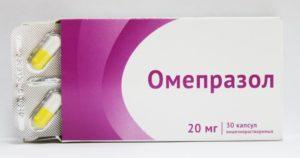 Omeprazole |
The drug maintains the level of acidity in the stomach in normal conditions and, if necessary, suppresses the production of stomach acid. | It is necessary to take 20 mg per day. Typically, treatment lasts no more than two weeks. Omeprazole is well tolerated. Rare: nausea, headache, diarrhea, constipation, flatulence, or redness of the skin. These reactions are minimal and do not require discontinuation of treatment. |
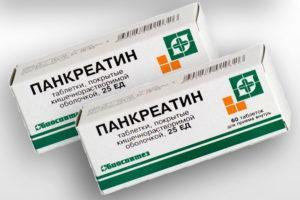 "Pancreatin" |
The drug is taken for nausea, heaviness and pain in the stomach, flatulence, constipation. "Pancreatin" eliminates symptoms and improves the functioning of the pancreas, thereby neutralizing the cause of discomfort. | "Pancreatin" is taken 1-2 tablets (250 mg) per day. There were no contraindications or side effects. |
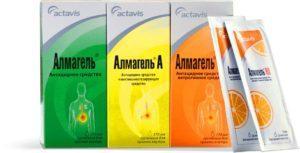 "Almagel-A" |
The active substance of the drug "envelops" the stomach, so that the digestion proceeds more easily and gently. Neutralizes gastric acidity, partially absorbs pepsin. Reduces pain in the upper segment of the digestive tract. | Take 1 tablespoon (15 ml) 3 times a day 30 minutes before meals. If necessary, the dose can be increased to 3 teaspoons. For children, the dose is determined individually (up to 10 years old 2/3 of the adult dose, 10-15 years old ½ the adult dose). As soon as the result is achieved, the dose is reduced to 1 teaspoon 3-4 times a day (4th dose before bedtime). The duration of treatment is 2-3 months. Side effects: rare constipation. Causes drowsiness in high doses. Long-term treatment can lead to osteomalacia (with phosphorus deficiency). Swelling of the extremities may also occur in patients with renal insufficiency. |
 "Linex" |
The drug is available in the form of capsules containing lactic acid bacteria. Linex normalizes intestinal microflora and facilitates digestion, prevents diarrhea and flatulence. | The drug is taken one hour after a meal. Children under 2: 1 capsule 3 times a day. Children aged 2 to 12 years: 1-2 capsules three times a day. Adults and children over 12: 2 capsules 3 times a day. Linex has no side effects or contraindications. |
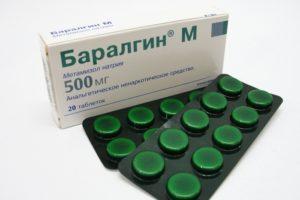 "Baralgin" |
"Baralgin" is taken for pain in the upper abdomen, which can radiate to the back. The drug relieves discomfort and cramps. | The drug is taken at 500-1000 mg 3-4 times a day. The maximum daily dose is 3 g. Side effects: kidney problems, itching, hives, allergic reactions. |
The drugs listed above are sold without a prescription, so the patient can treat them at home. However, for people with hypersensitivity to some of the components of the drugs, you should first consult with your doctor.
Folk remedies
Alternative medicine offers its own methods of treating diseases of the pancreas. Herbal medicine is most often used - recipes, the main components of which are medicinal plants.
Before starting treatment, you should make sure that you do not have:
- pollen allergies (hay fever);
- allergies to the plant itself;
- individual intolerance to individual components.
Listed below are only the most effective and popular folk remedies for treating the pancreas.
Video - How to treat the pancreas
Recipe number 1
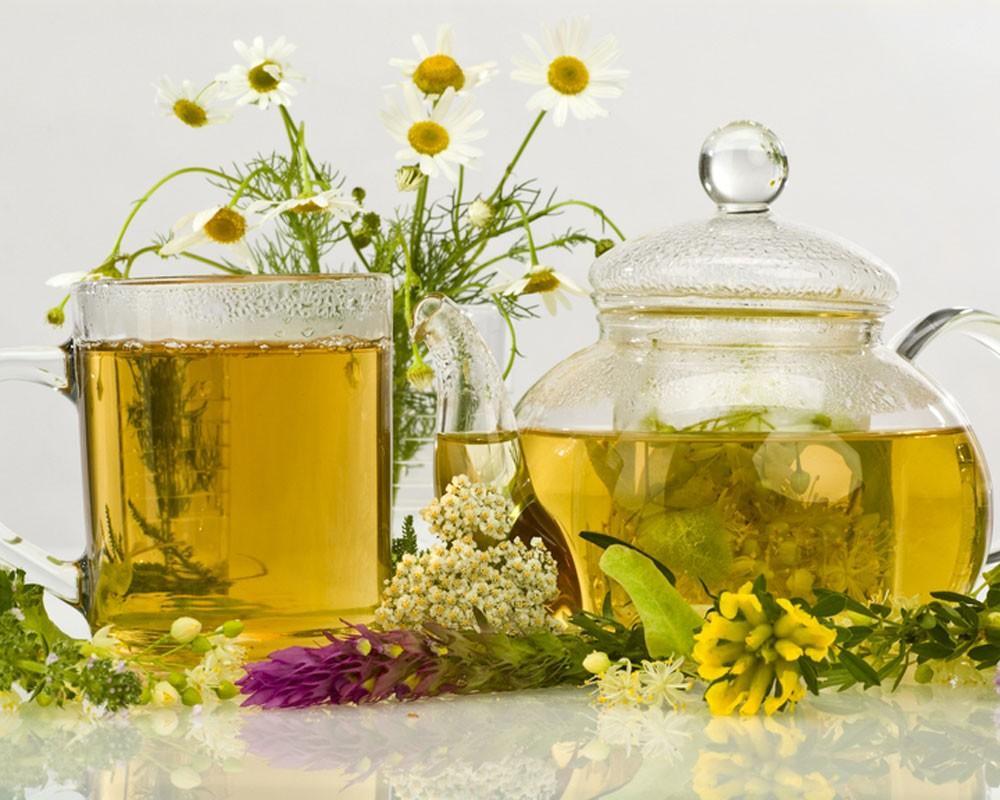
To prepare herbal tea you will need:
- chamomile flowers - 10 g;
- dill seeds - 30 g;
- hawthorn fruits - 20 g;
- immortelle - 20 g;
- peppermint leaves - 30 g.
Combine the crushed ingredients. Then add two tablespoons of the mixture to half a liter of boiling water and simmer for 2-3 hours. This tea should be drunk 2-3 times a day, half an hour after meals. Better to keep it in a thermos to keep it warm.
Herbal tea
Recipe number 2
To prepare this folk remedy, you will need:
- calamus and dandelion roots - 50 g each;
- thyme, hop cones and nettles - 25 g each
All ingredients must be ground and mixed. It is best to use a coffee grinder to grind the rhizomes. Then 5 tablespoons of the mixture should be mixed with 200 g of honey.
Take the medicine twice a day for a teaspoon. Continue this treatment for a month and then take a two-week break.
Recipe number 3
In equal amounts, you need to take:
- chamomile;
- calendula;
- corn grains;
- peppermint;
- plantain.
You need to chop and mix the ingredients. Pour a teaspoon of the mixture with a glass of boiling water, leave for 10 minutes and drink three times a day 15 minutes before meals.
Recipe number 4
There are many oat-based recipes for pancreatic health.
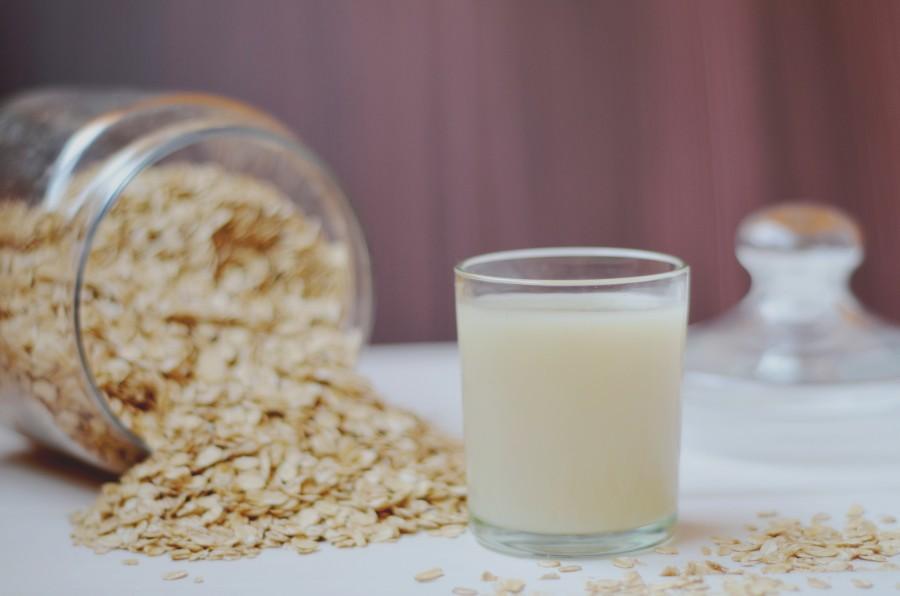
Oat milk gives excellent results. It is made with whole grains. It is advisable to use unrefined grains, as they contain nutrients and medicinal substances. Requires 100 grams of oats per liter of water. The cooking process should be as follows:
- wash the oats;
- pour it into an enamel bowl and fill with clean water;
- simmer oats for an hour;
- for half an hour, while the oats are being cooked, you need to "crush" it with a potato grinder in the same saucepan.
Then the broth must be cooled and filtered.
The result is a white liquid that visually resembles milk. It is recommended to take such a medicine three times a day, half an hour before meals, 100 ml each. "Milk" can be stored in the refrigerator for no more than two days.
Oat milk
Recipe number 5
Oat broth is no less popular. To prepare it, you will need a kilogram of grain, which is thoroughly washed, placed in ceramic dishes and filled with water. Cover it with gauze on top and put it in a warm place.
Gradually the oats will sprout. Young shoots should be washed, dried and rubbed thoroughly.
The resulting product is mixed with water in the proportions of one tablespoon per glass. Then you need to cook it over low heat for two minutes and drink it immediately. It is recommended to take this medicine in the morning on an empty stomach half an hour before meals.
Summing up
Almost all diseases of the pancreas can be eliminated at home with the help of medicines, diet and traditional medicine. If you do everything correctly, the discomfort can be eliminated within a week, and its cause - within one or two months. If you suffer from chronic diseases, it is better to combine home treatment with a doctor's advice: this way you will definitely not harm your health and achieve results faster.