Types and treatment of hemorrhagic pancreatic necrosis
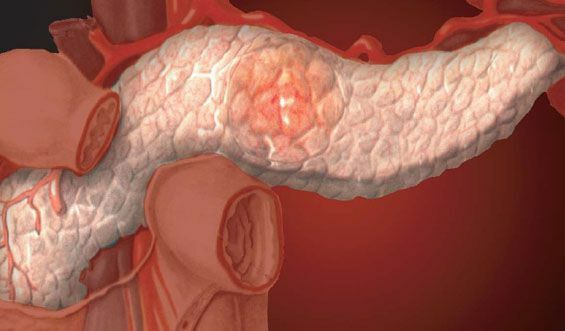
Hemorrhagic pancreatic necrosis is a pathological process that occurs in the tissues of the pancreas.
This disease is characterized by a rapid and irreversible destruction of the organ.
If you want to find out what causes affect the appearance of this disease, as well as whether it is treatable, then read this article.
Causes of the disease
Contents:
- Causes of the disease
- Diagnosis of hemorrhagic pancreatic necrosis
- How to treat pancreatic necrosis of hemorrhagic type?
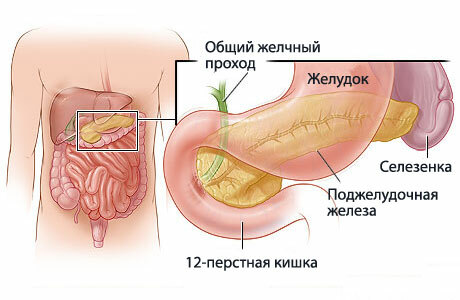
The pancreas is the organ of the human digestive system, equipped with secretory functions.
Enzymes produced by the pancreas of a healthy person who never had any problems with this organ leave it together with pancreatic juice entering the duodenum.
The main purpose of pancreatic juice, saturated with enzymes such as elastase, trypsin and chymotrypsin, is an effective cleavage of protein foods.
The causes of hemorrhagic pancreatic necrosis have not been fully investigated, but doctors believe that this pathology can develop due to the corrupting effect of the following factors:
- , recent inflammations of the pancreas, leading to complete or partial dysfunction of this organ;
- hindered outflow of pancreatic fluid;
- intoxication, having a total nature of the body's damage and arising due to alcohol or chemical poisoning;
- various infectious diseases( for example, cholangitis or cholecystitis) localized in the area of the bile ducts;
- high coagulability of the blood, symptomatically manifested after the transferred viral diseases, chemotherapeutic effects, etc.;
- some autoimmune diseases( eg, vasculitis of hemorrhagic type);
- mechanical effects, resulting in damage to the integrity of the pancreatic parenchyma.
Pancreatic necrosis of the hemorrhagic type proceeds swiftly. In the presence of this disease, not only parenchyma and gallbladder mucosa suffer, but also a special site of this organ responsible for the production of digestive enzymes.
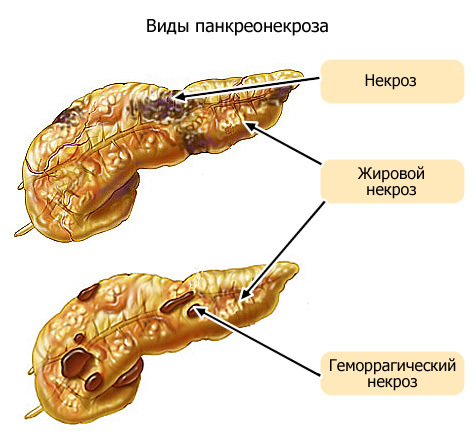
This section of the pancreas is called "acinus".Damage to this zone stimulates excessive production of enzymes that do not leave the body together with the main part of the pancreatic fluid, but remain within it and exert an aggressive destructive effect on the already damaged tissues, hydrolyzing their proteins and damaging the walls of the vessels, provoking multiple microblockings.
This situation, characteristic of pancreatic necrosis of hemorrhagic type, is classified by doctors as an autoaggression of pancreatic enzymes.
Diagnosis of hemorrhagic pancreatic necrosis
Acute pancreatic necrosis of the hemorrhagic type that occurs in the human body, has a number of rather specific symptoms that make it possible to make a primary diagnosis without much difficulty.
To confirm or refute this diagnosis, a series of hardware and laboratory diagnostics should be performed that will allow the patient to be diagnosed with greater accuracy.
It is important to understand that untimely detection of hemorrhagic pancreatic necrosis can lead not only to loss of efficiency, severe pain and problem vital activity, but also to death.
To prevent a fatal outcome, you should be sensitive to your own state of health and react to any changes that occur in your body.
Specific and nonspecific symptoms inherent in a pathology such as acute pancreatic necrosis of hemorrhagic type:
- unbearable acute pain, localized in the region of the left hypochondrium( can radiate into the sternum, shoulders and waist);
- plentiful white or yellowish coating on the tongue;
- dry mouth, which can not be eliminated even with regular rinsing of the mouth;
- persistent nausea, vomiting, unacceptable relief;
- bloating and other signs of dyspepsia;
- diarrhea, sometimes - severe diarrhea;
- hyperthermia and fever, provoked by strong intoxication of the body;
- redness of the skin( especially the face);
- blueing of the peritoneum( appearance of large hematomas);
- problems with arterial pressure, tachycardia;
- decrease in volume of urine and feces, excreted by the body;
- apathy or, conversely, unreasonable aggression and other signs of nervous disorders.
The causes of this disease, coupled with the pancreonecrosis of the hemorrhagic type, cause serious health problems.
Fistulas formed in the pancreas-retroperitoneal region promote the spread of hemorrhagic exudate throughout the body.
Video:
As a result of this process, there is an abscess of the tissues of organs located in the abdominal region, and acute purulent peritonitis develops.
It is possible to clarify the diagnosis of "acute pancreatic necrosis of the hemorrhagic type" after having undergone ultrasound examination of the pancreas or general computer tomography of the abdominal cavity.
In addition, to confirm the diagnosis allow such laboratory tests as a general blood test, urine analysis and checking of gastric and pancreatic juice for containing in them an increased amount of certain organic elements.
How to treat a pancreatic necrosis of a hemorrhagic type?
If you feel the symptoms listed under this article, do not hesitate and contact a qualified medical professional immediately.
It is best to call an ambulance in such a situation, rather than go to the clinic yourself.
A team of doctors arriving at the call site will conduct a primary assessment of your condition and, if necessary, give you any medications that are allowed in this situation.
Treatment of such a pathology as acute pancreatic necrosis of hemorrhagic type is carried out exclusively in stationary conditions.
If the pancreatic necrosis is total, the patient is not placed in the usual general ward, but in the intensive care unit, to tirelessly monitor his condition and take timely measures to provide assistance.
After a person suffering from pancreatic necrosis enters the hospital, he undergoes a comprehensive examination.
If the diagnosis is confirmed, the doctors immediately start treating the patient.
To begin with, a person suffering from hemorrhagic necrosis receives special oral medications that can stop attacks of acute pain, as well as drugs that block the excessive production of pancreatic enzymes.
In the next stages of inpatient treatment of hemorrhagic pancreatic necrosis, doctors stimulate the cleansing of the patient's body of toxins accumulated in its tissues, normalize the acidity of gastric juice, and also try to stop the processes of pancreatic necrosis.
After stabilization of the patient's condition, surgical intervention is performed.
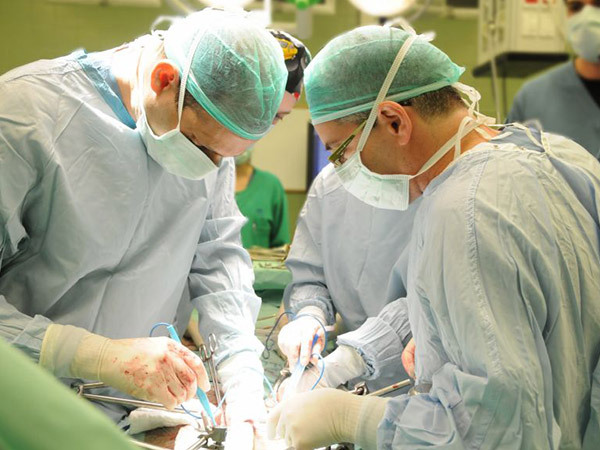
As a rule, it consists either in laparoscopic or transcutaneous drainage of the affected pancreas, or in complete cavity resection of this organ.
After reading the article, you were able to find out the symptoms and causes of the appearance of such a pathology as hemorrhagic pancreonecrosis, characterized by a severe course.
Lack of adequate and timely treatment of hemorrhagic pancreatic necrosis can lead to death.
This situation can be avoided only with immediate reference to doctors specializing in the treatment of this problem.