
Pancreatic hormones and their functions, possible problems
The pancreas or, as it is also called, the pancreatic gland is an important organ of the digestive system, which is responsible for endocrine and excretory functions. Thanks to all biologically active substances synthesized by the pancreas (PZh), the body maintains a biochemical balance. What hormones of the pancreas exist and what are their functions in the body - all this will be discussed in this article.
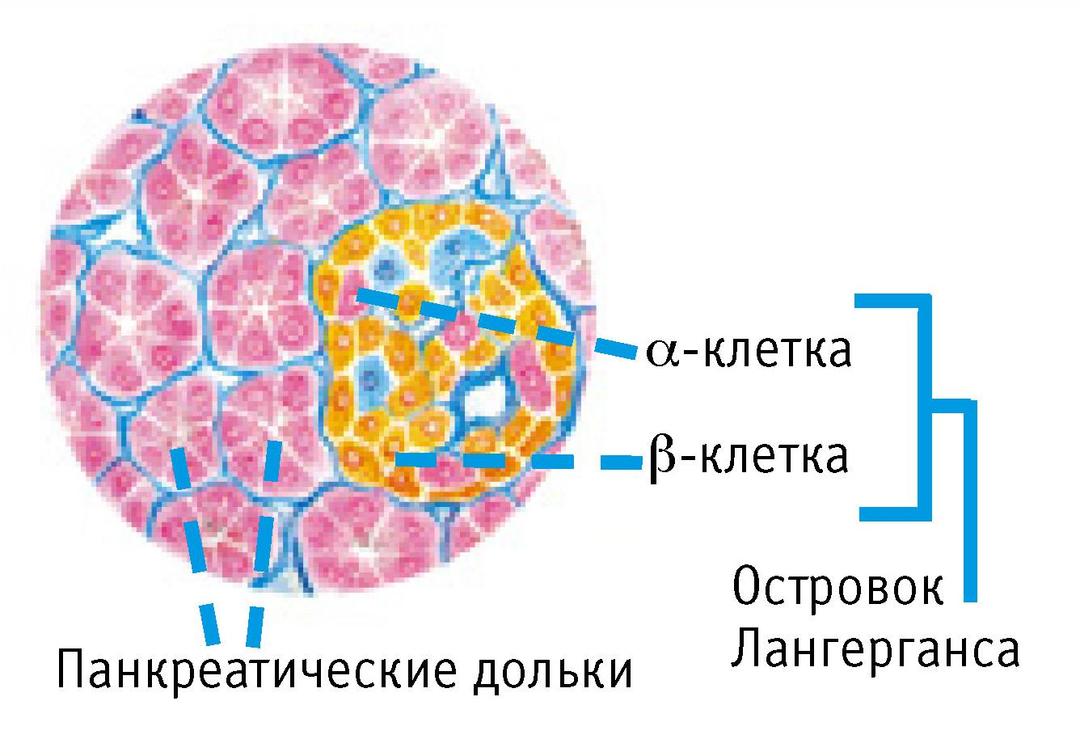
Pancreatic hormones and their functions
Content
- 1 How does iron work?
- 2 Classification of synthesized substances
-
3 Clinical significance of pancreatic hormones
- 3.1 Insulin
- 3.2 Glucagon
- 3.3 Somatostatin
- 3.4 Pancreatic polypeptide
- 3.5 Vaso-intensive peptide
- 3.6 Amilin
- 3.7 Centropnein
- 3.8 Gastrin
- 3.9 Wagotonin
- 3.10 Kallikrein
- 3.11 Lipocaine
- 4 Diagnostic methods
-
5 What does hormonal imbalance lead to?
- 5.1 Video - Pancreatic hormones
How does iron work?
The organ is conventionally divided into two parts - this is exocrine and endocrine. They all serve to fulfill their specific functions. For example, the exocrine part takes up most of the pancreas and serves to process gastric juice, which contains a large number of various enzymes necessary for the digestion of food (corboxypeptidase, lipase, trypsin, etc.) etc.).
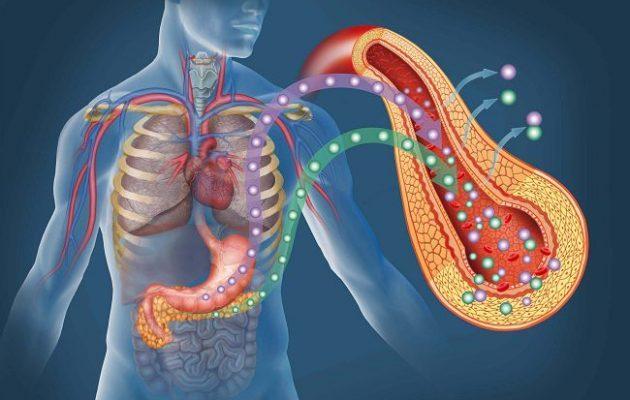
Pancreas
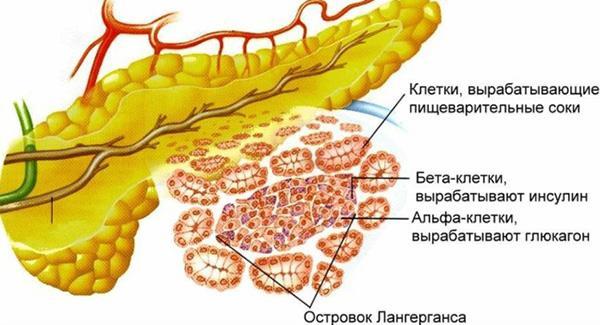
The endocrine part of the pancreas includes small pancreatic islets, which are called "islets of Langerhans" in medicine. Their task is to divide hormones important for the existence, which take a direct part in fat, carbohydrate and protein metabolism. But the functions of the pancreas do not end there, since this organ, synthesizing certain hormones, produces digestive fluid, participates in the breakdown of food and its assimilation. Depending on how correctly the pancreas will work, the general state of human health may change.

The structure of the gland and "islets of Langerhans"
Classification of synthesized substances
All hormones formed by the pancreatic gland are closely interrelated, therefore violation of the production of at least one of them can lead to the development of serious disorders in the body and diseases, the treatment of which must be dealt with for the rest of your life.

The pancreas and the types of hormones it produces
The pancreas produces the following hormones:
- insulin;
- glucagon;
- somatostatin;
- pancreatic polypeptide;
- vaso-intensive peptide;
- amylin;
- centropnein;
- gastrin;
- vagotonin;
- kallikrein;
- lipocaine.

Pancreatic hormones
Each of the above hormones performs its specific function, thereby regulating carbohydrate metabolism in the human body, as well as influencing the functioning of various systems.
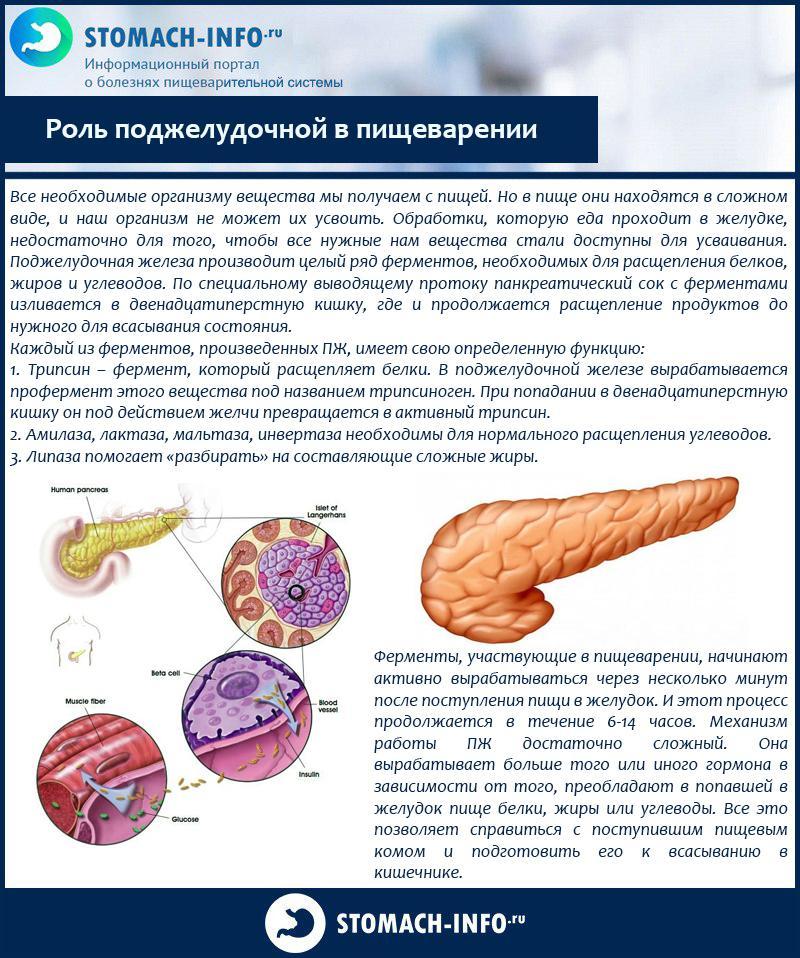
The role of the pancreas in digestion
Clinical significance of pancreatic hormones
If everything is clear with the hormones produced by the pancreas, then with the main functions that they perform, everything is much more complicated. Let's consider each pancreatic hormone separately.
Insulin
Of all the hormones that the pancreas synthesizes, insulin is considered the main one. It helps to normalize blood glucose levels. The implementation of this process is due to the following mechanisms:
- activation of cell membranes, due to which the cells of the body begin to better absorb glucose;

The role of insulin in the body
- stimulation of glycolysis (glucose oxidation process) occurs;
- slowing down the process of gluconeogenesis (biosynthesis of glucose from non-carbohydrate substances such as lactic acid, glycerol and others);
- the flow of useful elements into the cells of the body (phosphates, magnesium, potassium) improves;
- protein synthesis is significantly increased, and in parallel with this, its hydrolysis is suppressed. Thanks to these functions, a protein deficiency is eliminated, due to which the immune system is strengthened and the synthesis of various substances that are of protein origin is improved;
- the functions of the synthesis of fatty acids are activated.
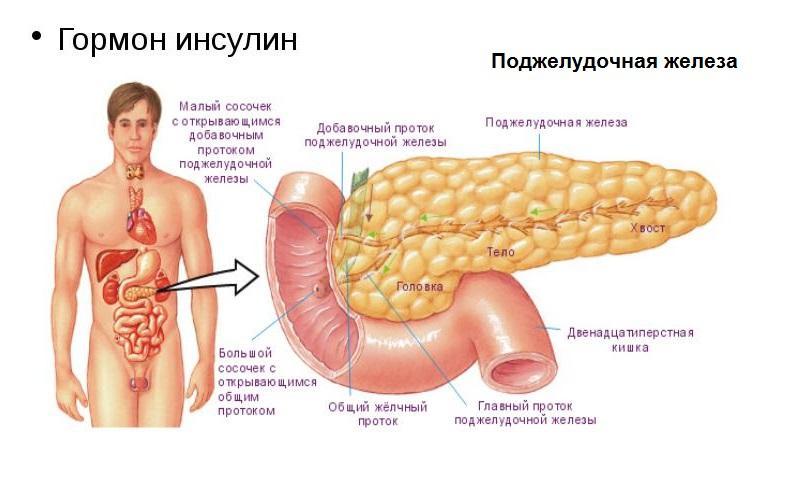
Insulin hormone
On a note! The presence of a sufficient amount of insulin in the blood prevents the development of atherosclerosis, lowers the level of "bad" cholesterol and prevents the entry of fatty acids into the bloodstream.
Glucagon
Based on the functions it performs, glucagon can rightfully be called an insulin antagonist hormone. The main task of glucagon is to increase the amount of glucose in the blood, which is achieved through the following functions:
- activation of gluconeogenesis (production of glucose from components of non-carbohydrate origin);
- acceleration of the work of enzymes, due to which, during the breakdown of fats, the amount of energy increases;
- there is a breakdown of glycogen, which then enters the circulatory system.

Glucagon
Since glucagon is a peptide hormone in its structure, it is responsible for many functions and a decrease in its amount can adversely affect the functioning of many systems.
Somatostatin
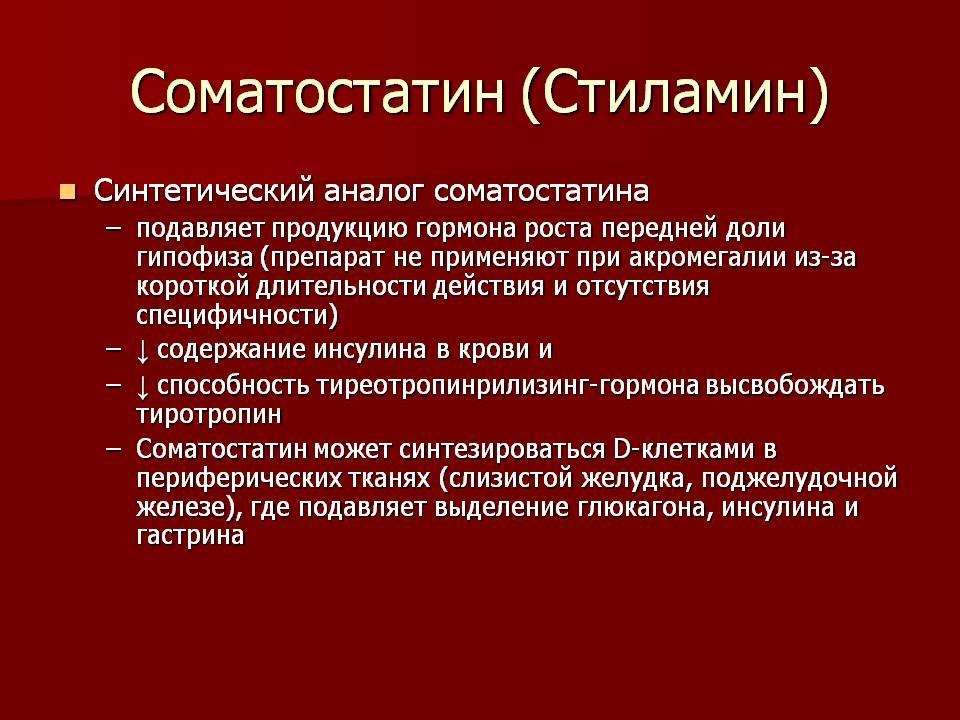
Another hormone produced by the pancreas. It belongs to the group of polypeptide hormones and serves to suppress the synthesis of substances such as glucagon, thyroid-stimulating compounds, and insulin. With a decrease in the level of somatostatin in the gastrointestinal tract, serious disorders occur. First of all, such a reaction is due to the fact that this hormone is directly involved in the production of digestive enzymes and bile (growth hormone reduces their secretion).
Somatostatin
In modern pharmacology, somatotropin is used to create various drugs that are prescribed to patients suffering from impaired growth hormone synthesis in the body. If the amount of this hormone significantly exceeds the norm, then the risk of developing acromegaly - a pathology that is accompanied by an excessive increase in the size of certain parts of the patient's body. As a rule, the feet, head bones, lower or upper limbs grow. In rare cases, individual internal organs undergo pathological changes.

Hormones are produced by small organs - endocrine glands. But the importance of these substances in the body is enormous.
Pancreatic polypeptide
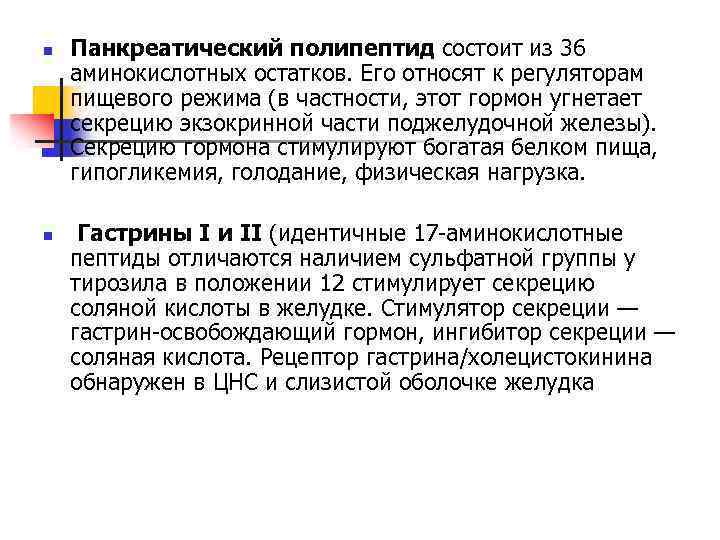
This hormone was discovered not so long ago, so experts have not yet fully studied all its functions and methods of influencing the human body. It is known that pancreatic polypeptide is synthesized in the process of eating food containing fats, proteins and glucose. It performs the following functions:
- a decrease in the amount of substances produced by digestive enzymes;
- decreased muscle tone of the gallbladder;
- preventing the release of bile and trypsin.
Pancreatic polypeptide and gastrins
On a note! According to numerous studies, pancreatic polypeptide prevents increased waste of bile and pancreatic enzymes. With a deficiency of this hormone, metabolic processes in the body are disrupted.
Vaso-intensive peptide
The peculiarity of this neuropeptide hormone is that it can be synthesized not only pancreas, but also cells of the spinal cord, brain, small intestine and other organs. The main functions of the vaso-intensive peptide include:
- normalization of the synthesis of pepsinogen, glucagon and somatostatin;
- slowing down the processes of water absorption by the walls of the small intestine;
- activation of biliary processes;
- synthesis of pancreatic enzymes;
- improving the functioning of the pancreatic gland as a whole, which contributes to an increase in the amount of synthesized bicarbonates.

Vaso-intensive peptide is synthesized by different organs
Also, the vaso-intensive peptide accelerates the process of blood circulation in the walls of internal organs, in particular, the intestines.
Amilin
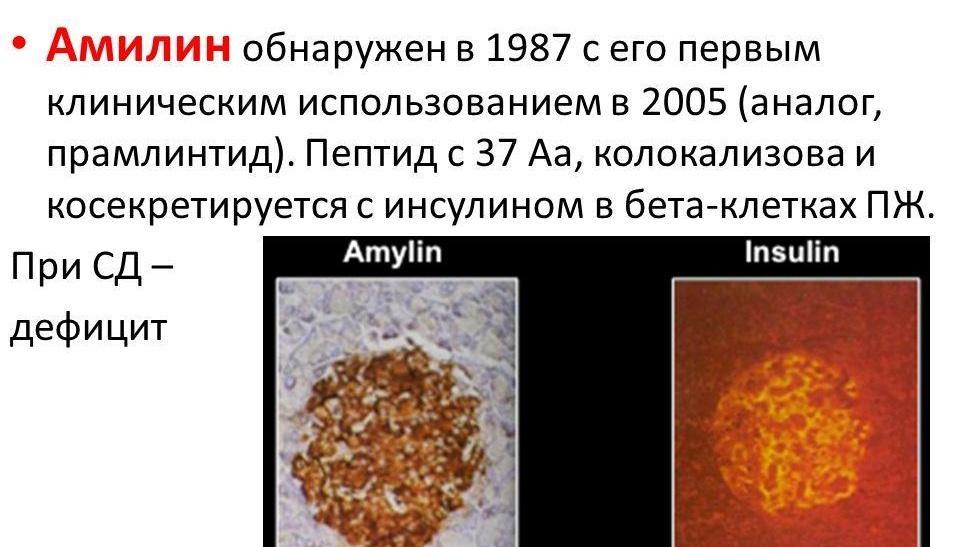
Its main function is to increase the level of monosaccharides, which, in turn, protects the body from excess glucose in the blood. Also, amylin promotes the formation of somatostatin, weight loss, normalization of the reninangiotensin-aldosterone system and glucagon biosynthesis. These are not all of the biological functions that amylin is responsible for (for example, it helps to reduce appetite).
Amilin
Centropnein
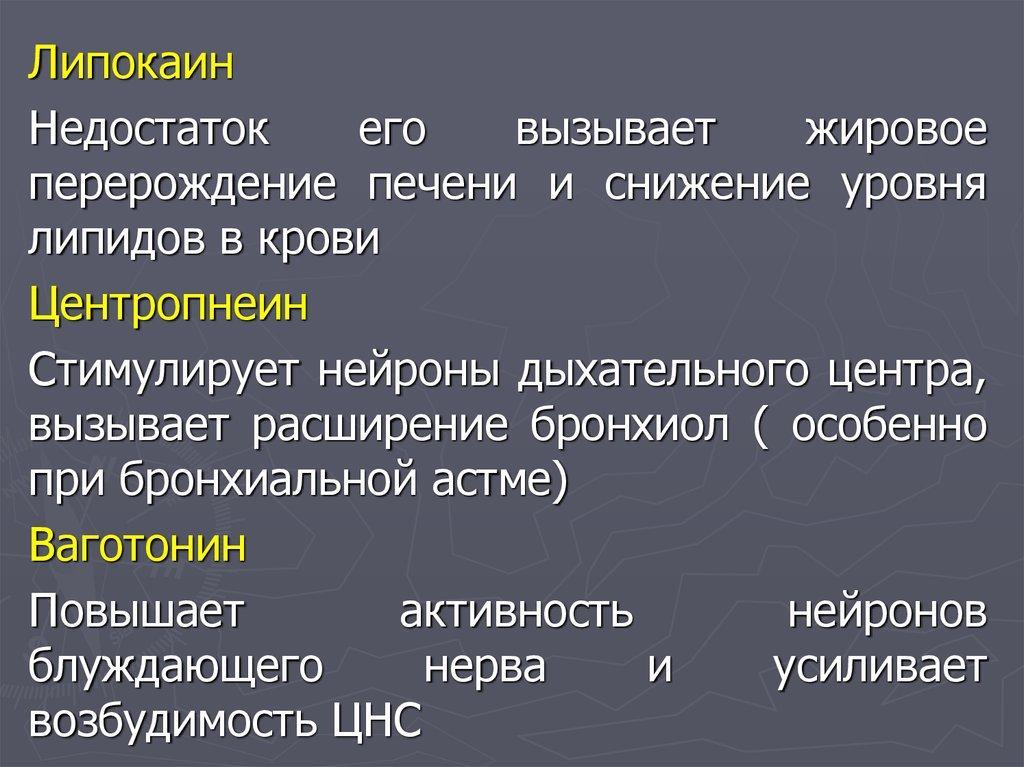
Another substance produced by the pancreas. Its main task is to increase the lumen of the bronchi and activate the respiratory center. In addition, this protein substance improves the correlation of oxygen with hemoglobin.
Lipocaine. Centropnein. Wagotonin
Gastrin
A hormone-like substance synthesized by the stomach and pancreas. Gastrin helps to normalize the digestive processes, activate the synthesis of the proteolytic enzyme (pepsin) and increase the acidity of the stomach.
Note! The presence of gastrin in the body also contributes to the implementation of the intestinal phase of digestion (it is also called the "next"), which is achieved by increasing the synthesis of secretin, somatostatin and other intestinal peptide hormones and pancreas.
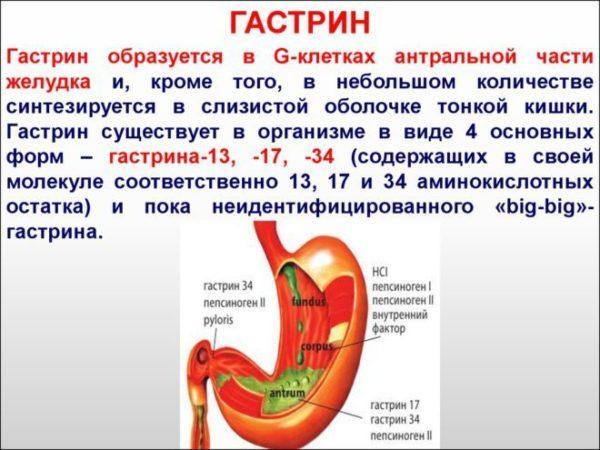
Gastrin - what is it
Wagotonin
The main task of this substance is to stabilize blood sugar and accelerate blood circulation. Besides vagotonin slows down the process of glycogen hydrolysis in muscle tissues and liver cells.
Vagotonin stabilizes blood sugar levels
Kallikrein
Another substance produced by the pancreatic gland. During the time during which kallikrein is in the pancreas, it is inactive, but after getting into Duodenal ulcer hormone is activated, showing its biological properties (it normalizes the level glucose).
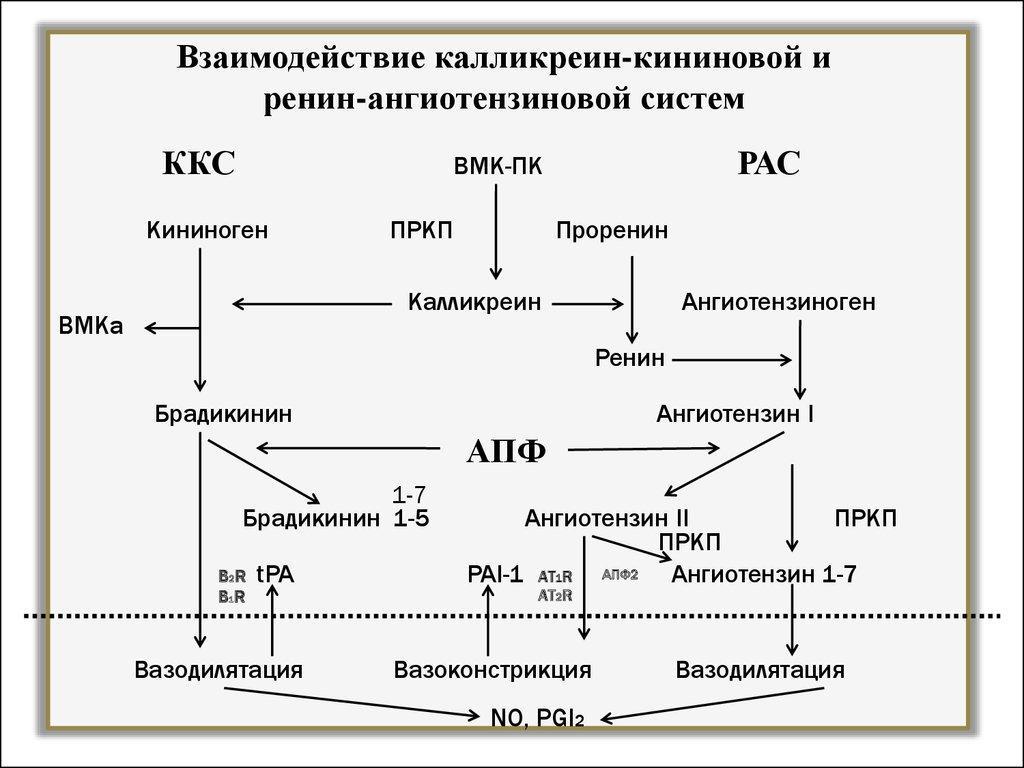
Kallikrein-kinin system
Lipocaine
The action of the hormone is to prevent such pathology as fatty degeneration of the liver, which is due to the activation of the metabolism of fatty acids and phospholipids. Lipocaine also enhances the effect of other lipotropic substances, including choline and methionine.

Lipocaine functions
Diagnostic methods
Violation of the production of one or another hormone of the pancreatic gland can lead to various pathologies that affect not only the pancreas, but also other internal organs. In such cases, the help of a gastroenterologist is required, who, before prescribing a course of therapy, must conduct a diagnostic examination to establish an accurate diagnosis. Below are the most common procedures for pancreatic malfunction.

Diagnosis of diseases of the pancreas
Table. Diagnostic tests of the pancreas.
| Procedure name | Description |
|---|---|
 Ultrasound |
Ultrasound examination is one of the most popular and effective methods for diagnosing pathologies of the pancreas and other internal organs. With its help, it is possible to determine neoplasms, cysts, the appearance of stones or the development of an inflammatory process. |
 Endo-ultrasonography |
In the course of endo-ultrasonography, pancreatic tissue can be examined for pathological changes. Also, using this procedure, the doctor examines the lymph nodes, if necessary. |
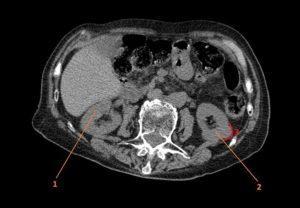 CT scan |
An effective way to diagnose the pancreatic gland, since with the help of computed tomography, possible atrophic processes, pseudocysts and various neoplasms can be detected. |
 Biopsy |
During this procedure, a microscopic examination of the pancreatic tissue is carried out. With its help, it is possible to identify the inflammatory process and determine whether a malignant or benign formation has arisen in the investigated organ. |
 Blood and urine tests |
Based on the results of the analyzes carried out, it is possible to determine the level of amino acids, direct bilirubin, seromucoid and other substances indicating the development of a particular disease. |
 Coprogram |
In a laboratory study of feces, the doctor can identify particles of starch, fats, muscle fibers or fiber - this all indicates a malfunction of the pancreas. |

Ultrasound procedure
On a note! In addition to the above diagnostic methods, the doctor may prescribe another procedure - a biochemical blood test. Unlike a general analysis, a biochemical blood test allows not only to determine possible infectious diseases, but also their type.
What does hormonal imbalance lead to?
As noted earlier, the hormones of the pancreatic gland are irreplaceable elements involved in the digestion process. Even minor violations of their synthesis can lead to serious complications (diseases, malfunctions of certain systems or organs, etc.).
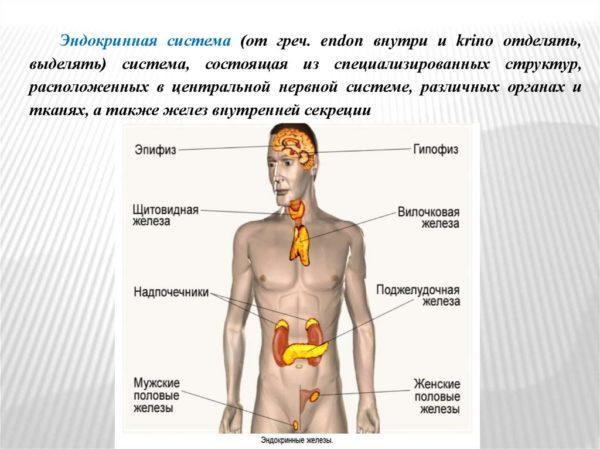
Human endocrine system
With an excess of pancreatic hormones, for example, a malignant formation may occur (most often against the background of an increase in the amount of glucagon) or glycemia (with an excess of insulin in the blood). It is possible to determine whether the pancreas is working correctly and whether the level of hormones is normal is only after a diagnostic examination. The danger is that many diseases associated with a decrease or increase in hormone levels can proceed without any pronounced symptoms. But you can identify violations by tracking the reactions of your body over a long period.

Normal, hypo- and hyperglycemia
First of all, you need to pay attention to the following points:
- decreased visual acuity;
- excessively high appetite (the patient cannot eat);
- frequent urination;
- increased sweating;
- intense thirst and dryness in the mouth.
The role of pancreatic hormones in the functioning of the human body should not be underestimated, since even with minor violations of the synthesis of these hormones, serious pathologies can develop. Therefore, it is recommended as a preventive measure to undergo diagnostic examinations by doctors in order to prevent disorders of the pancreas. It is enough 1-2 times a year to see a doctor for a preventive examination in order to to prevent not only various disorders in the work of the pancreatic gland, but also other problems with organs of the digestive tract. It is also recommended to undergo periodic examinations with other doctors, for example, a dentist, dermatologist, neurologist.

Pancreatic hormones are very important


