
Diffuse changes in the parenchyma of the liver and pancreas
The liver and pancreas are organs of the digestive system, consisting of glandular tissue and synthesizing the most important hormones, pancreatic juice, cholesterol, phospholipids and other substances that ensure proper digestion and absorption of the necessary elements. The parenchyma (main tissue) of the liver and pancreas is normally homogeneous, therefore, a change in its density, echogenicity or structure is always an alarming clinical symptom that requires a complex diagnostics. Diffuse changes in the parenchyma can be the result of improper lifestyle, dietary errors, prolonged intake of toxic drugs, but to exclude a pathological factor, the patient needs to pass blood tests and undergo hardware and instrumental examination.
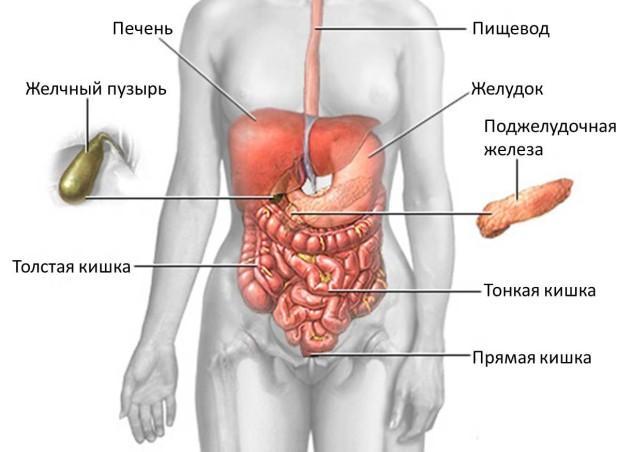
Diffuse changes in the parenchyma of the liver and pancreas
Content
- 1 What it is?
- 2 Classification
-
3 Why do diffuse changes occur?
- 3.1 Video - Liver disease: symptoms, diagnosis and treatment of the liver
- 4 Possible signs of liver or pancreatic problems
- 5 Diagnostics
- 6 Treatment
- 7 Diet to improve liver and pancreas function
-
8 Prevention
- 8.1 Correct catering
- 8.2 Video - Super food for the liver
- 8.3 Video - Diet number 5 according to Pevzner
- 8.4 Weight control
- 8.5 Rejection of bad habits
- 8.6 Increased physical activity
What it is?
The parenchyma of the liver and pancreas consists of functionally active cells of the epithelium, placed in the reticular stroma (skeleton) and outside covered with a dense connective tissue capsule. The stroma contains a large number of blood vessels and nerve endings, therefore one of the signs of pathologies of these organs is pain resulting from irritation of pain receptors. The liver parenchyma has a lobular structure and consists of the hepatic plates, the central vein, bile capillaries and the thinnest blood vessels (hemocapillaries), the size of which may be less than the diameter erythrocyte cells.
The pancreas has a complex tubular-alveolar structure, and its parenchyma is also divided into lobules and is enclosed outside in a capsular membrane consisting of connective fibers. Between the lobules are lamellar bodies, nerves, excretory ducts and capillaries.
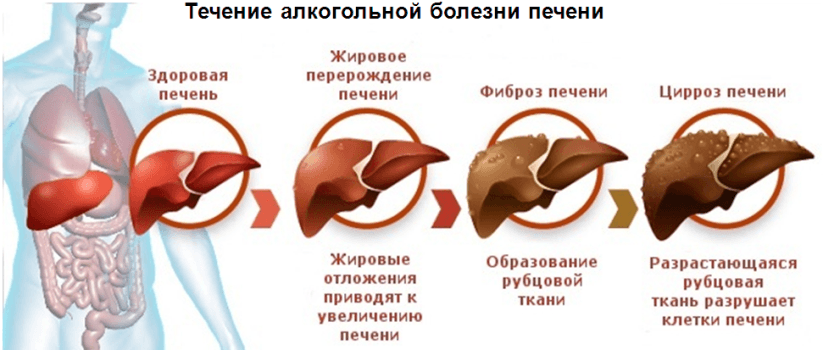
Diffuse liver changes in alcoholic disease
Diffuse changes in parenchymal tissue are manifested by the following clinical symptoms (detected during ultrasound diagnostics):
- thickening of the parenchyma (in the chronic course of many diseases, the opposite picture is observed - thinning and severe dystrophy of the lobular elements of the parenchymal tissue);
- changes in tissue density and echogenicity;
- swelling and enlargement of the liver;
- replacement of the glandular tissue of the pancreas with fat cells (the main clinical sign of lipomatosis).
Note! The diffuse form is characterized by a uniform change in structure and density throughout the organ. Local (focal) violations of echogenic properties in most cases are a sign of cystic and tumor formations.
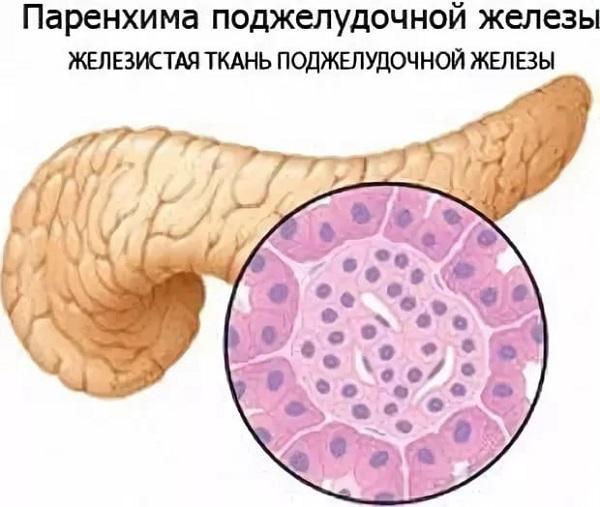
Pancreatic parenchyma
Classification
Diffuse changes in the parenchyma can be classified according to the degree and severity of degenerative processes.
Classification of diffuse changes in the parenchyma of the pancreas and liver
| Stage | The degree of diffuse changes |
|---|---|
| Initial | Clinical manifestations are poorly expressed. During ultrasound diagnostics, a mild degree of dystrophy and degeneration of the hepatic parenchyma and pancreatic lobules is revealed, in in most cases, resulting from the pathological effects of negative factors: tobacco smoke, wine alcohol, fatty and spicy dishes |
| Moderate (dystrophic) | When conducting an ultrasound examination, pronounced dystrophic changes are diagnosed: the tissue density decreases, the walls of the organs become thinner. Hepatomegaly (an increase in the size of the liver), edema syndrome |
| Fibrosis (sclerosis of the hepatic veins) | A severe form of diffuse changes, characterized by severe edema and proliferation of connective tissue with the formation of single or multiple scars |
Important! The fibrous stage is typical for severe liver diseases: cirrhosis, cancer, hepatitis C.
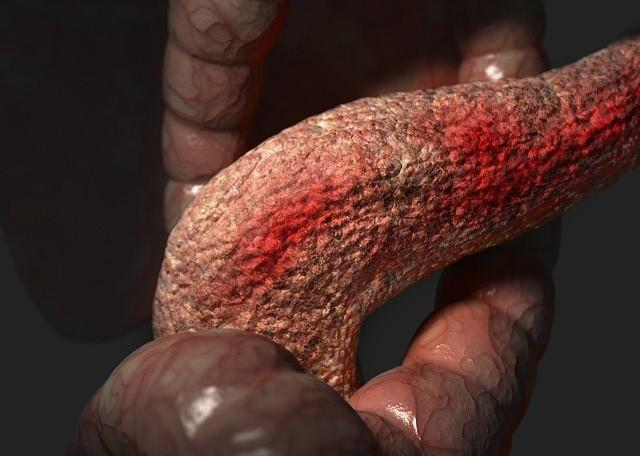
Pancreas cancer
Why do diffuse changes occur?
The reasons for the change in the structure of the parenchymal lobules can be both various diseases and negative factors related to the patient's diet and his lifestyle. The food ration is of great importance in the formation of the initial diffuse disturbances. The risk of disturbances in the work of these organs is several times higher in people who daily include fatty foods in their diet. and fried foods, instant products, sausages, spices, sauces with a high content fat.
Alcohol abuse, frequent stress, and a sedentary lifestyle can also be a provoking factor. Toxic substances contained in tobacco smoke cause tissue intoxication and impede blood circulation and lymph in the microvasculature, which increases the risk of hepatic vein sclerosis and rapid development fibrosis.
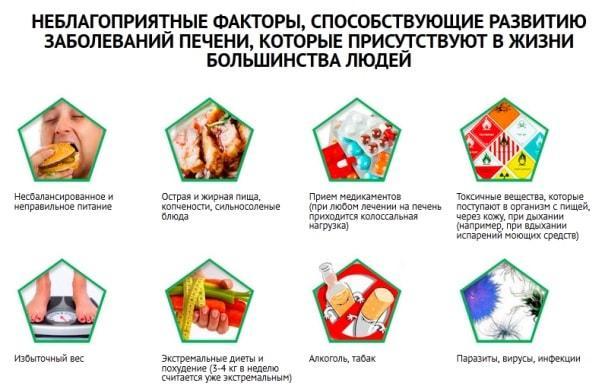
Reasons for changes in the structure of parenchymal lobules
Other reasons that can cause similar changes on the part of the secretory glands of the digestive system may be:
- excessive accumulation of lipids in tissues caused by metabolic disorders (steatosis);
- long-term use of drugs that create an increased toxic load on the liver (antibiotics, antimicrobial agents, drugs for deworming, oral contraceptives);
- diabetes mellitus (increases the risk of steatosis and lipomatosis of the pancreas);
- circulatory disorders;
- diseases of the heart and blood vessels, accompanied by congestion and disrupting the movement of fluid structures (blood and lymph);
- autoimmune pathologies (including autoimmune hepatitis);
- liver diseases (hepatomegaly, cirrhosis, various forms of hepatitis);
- pancreatic pathology (pancreatitis, pancreatic necrosis, pseudocysts, pancreatopathy).
Diffuse disorders of the structure of the pancreas and liver are also characteristic of obese patients or patients who have experienced a sharp change in weight. Age-related features associated with natural aging processes cause diffuse changes in the digestive system in 60% of cases.
Video - Liver disease: symptoms, diagnosis and treatment of the liver
Possible signs of liver or pancreatic problems
In most cases, diffuse changes in the parenchymal structure of the liver and pancreas are detected during a planned ultrasound of the abdominal organs. An unscheduled diagnosis is usually required when a patient seeks a doctor with specific complaints. It can be:
- pain attacks (pain is localized in the right hypochondrium and has a weak or moderate intensity);
- a bitter or metallic taste in your mouth after eating or between meals;
- frequent bouts of nausea, accompanied by a burning sensation in the esophagus, belching and decreased appetite;
- poor tolerance of alcoholic beverages and foods high in fat (after drinking them, pain under the right lower rib increases, severe nausea and vomiting appear);
- slight yellowing of the eye sclera (does not always appear);
- yellowish coating on the surface of the tongue;
- bad breath.
If a change in the density and echogenicity of the digestive glands, which includes both the liver and pancreas, provoked by any diseases, the patient may experience other symptoms typical of a particular pathology.
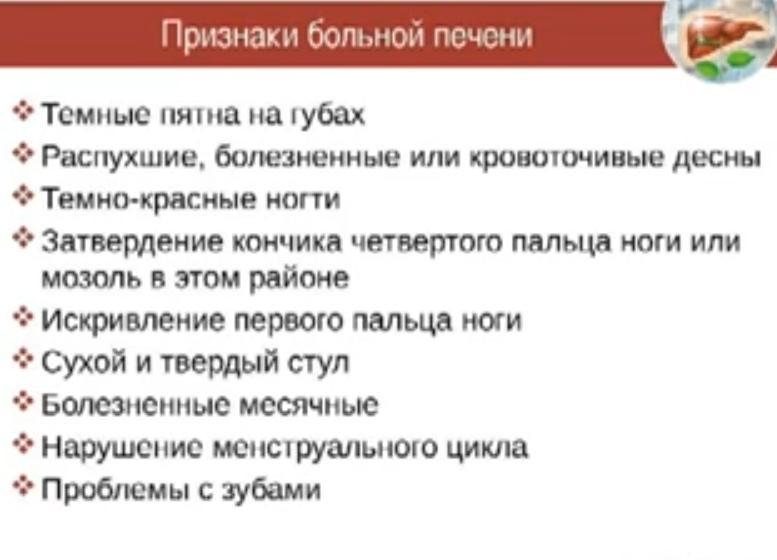
Symptoms and signs of a sick liver
Additional symptoms depending on the cause of diffuse changes
| Disease | Image | What other symptoms could there be? |
|---|---|---|
| Cirrhosis | 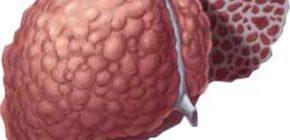 |
Increased pressure in the hepatic portal vein (portal hypertension) Overfilling of the veins of the anterior abdominal wall (can be combined with ascites - an increase in the abdomen caused by the accumulation of fluid in the peritoneal cavity) Joint pain Increased body temperature Splenomegaly and hepatomegaly (enlargement of the liver and spleen) |
| Hepatitis | 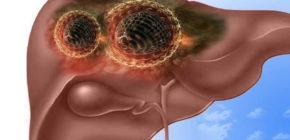 |
Increase in body temperature up to 38 ° -38.5 ° Headache that can progress to a migraine attack Jaundice (anicteric forms of hepatitis are rare) Dull, aching, paroxysmal pain radiating to the right shoulder or scapula Muscle weakness |
| Pancreatitis | 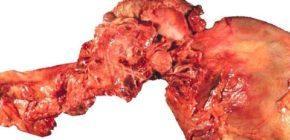 |
Severe pain in the epigastric region (persistent and radiates to the left side of the body) Indomitable, unrelenting vomiting Darkening of urine Discoloration of feces |
| Fatty hepatosis | 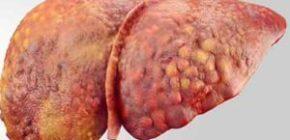 |
Heaviness in the upper abdomen on the right Severe weakness "Granularity" of the liver parenchyma (detected by ultrasound) |
| Hepatocellular carcinoma (liver cancer) | 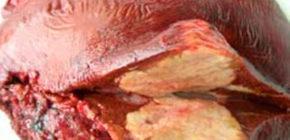 |
Endocrine Disorders Jaundice that occurs simultaneously with febrile and painful syndrome |
| Infectious mononucleosis | 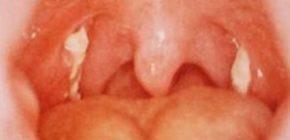 |
High temperature (above 38.5 °) Enlargement of the liver and spleen Pathological pallor of the skin and dry mucous membranes Swelling of the face and body Symptoms of sore throat (sore throat when swallowing, plaque on the tonsils, edema and hyperemia of the mucous membranes of the larynx) Inflammation and tenderness of the lymph nodes Muscle and joint pain |
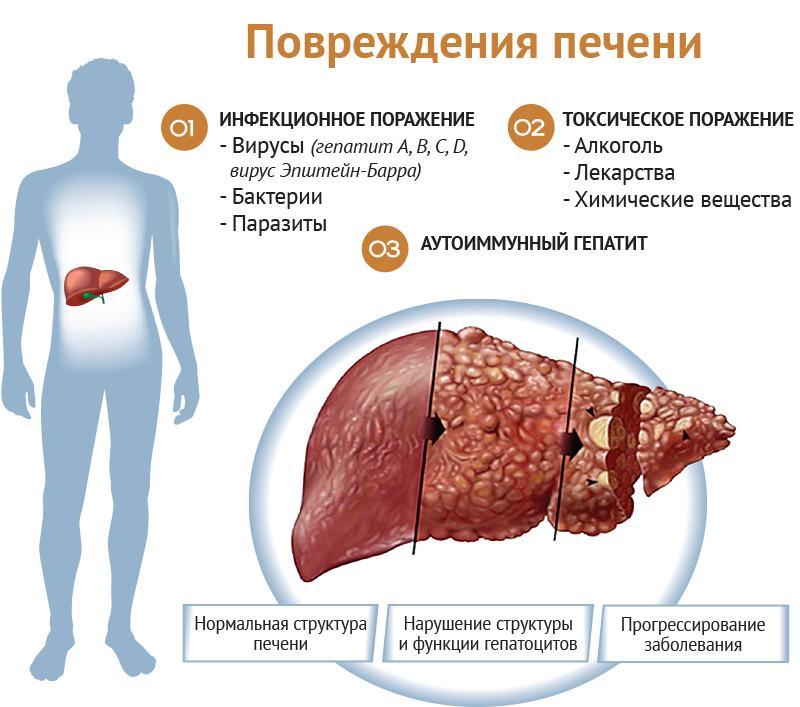
Types and causes of liver damage
Diagnostics
To find out what exactly triggered diffuse changes in the liver and pancreas, the patient needs to go through a comprehensive examination, which is assigned taking into account the results of primary ultrasound diagnostics and medical anamnesis. A detailed (clinical) blood test and urine analysis are required to identify clinical signs of the inflammatory process. If you suspect diabetes mellitus, the patient needs to donate blood for sugar, as well as a test to determine glucose tolerance and insulin resistance. As methods of auxiliary diagnostics, a biochemical blood test and an analysis for glycated hemoglobin are used.
If necessary, the patient can also be assigned the following types of examinations:
- computed and magnetic resonance imaging (allows you to determine the smoothness and clarity of the contours of the lobular elements of the parenchyma);
- radiography (reveals signs of heterogeneity);
- echography;
- blood test for tumor markers (with suspicion of malignant tumors and metastases).
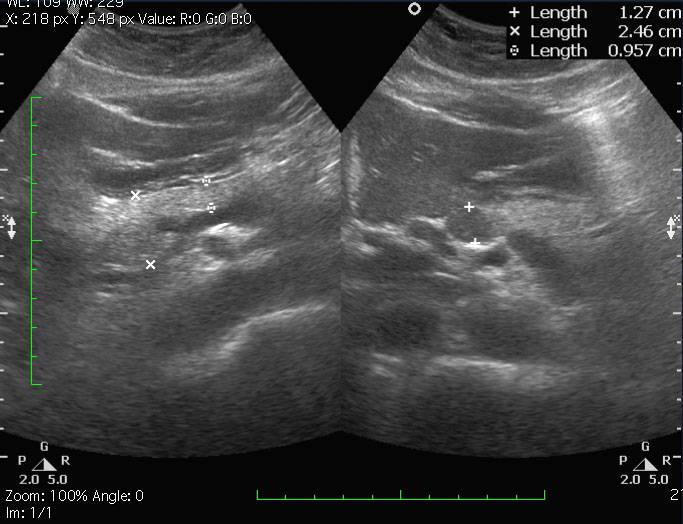
Pancreas on ultrasound
Treatment of pathology will depend on the identified disease, as well as the degree of degenerative and dystrophic changes in the organs of the digestive system.
Treatment
The treatment regimen for diffuse changes in the parenchymal lobes of the liver and pancreas is selected individually in each case. Depending on the identified cause, treatment may include the following groups of drugs:
- Antibiotics ("Amoxicillin», «Clarithromycin», «Azithromycin», «Cephalosporin»). Antibacterial drugs are necessary to relieve inflammatory processes caused by bacterial infections (for example, with pancreatitis).
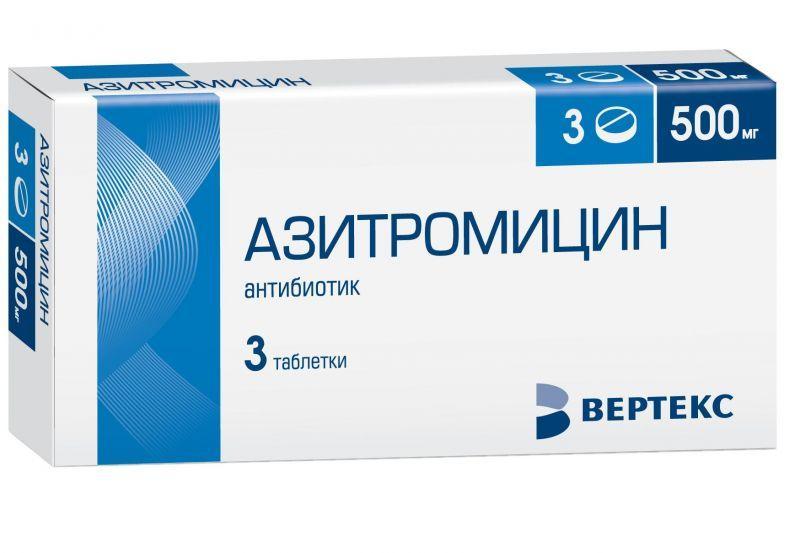
The drug Azithromycin
- Antiviral drugs (drugs based on interferon). Used to treat viral infections such as mononucleosis.
- Anti-tuberculosis drugs ("Rifampicin», «Pyrazinamide»). They are prescribed as part of the complex therapy of hepatitis.
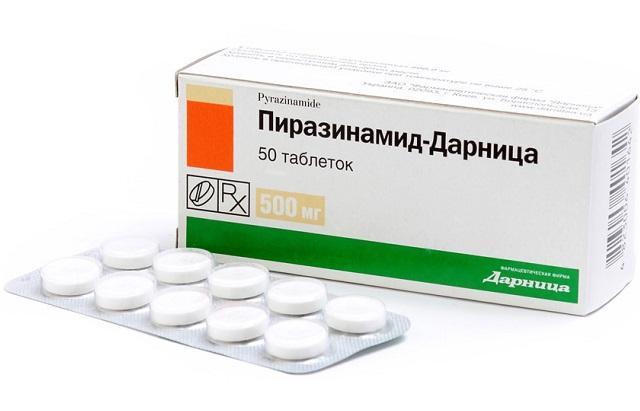
Pyrazinamide tablets
- Digestive enzymes to reduce digestive stress and improve food digestion (“Festal», «Pancreatin»).
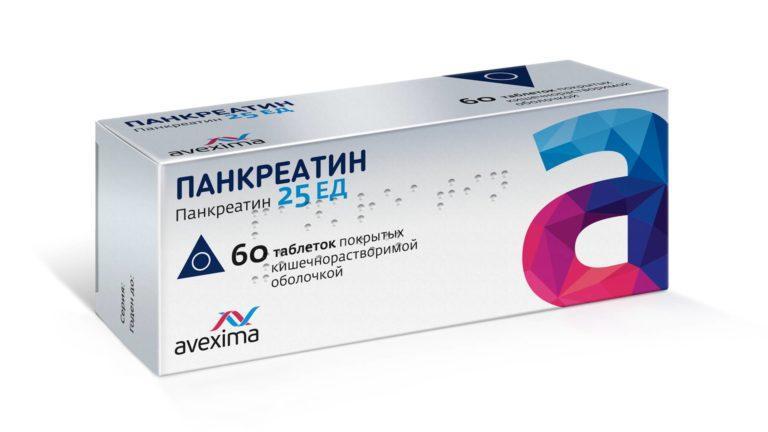
Pancreatin tablets
- Antispasmodics to reduce pain and prevent bile stagnation ("Papaverine hydrochloride», «No-shpa»).
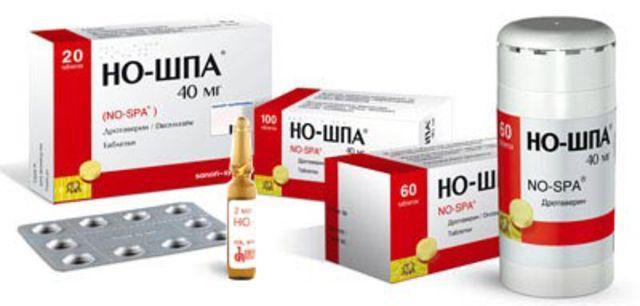
Release form of the drug No-Shpa
- Means that normalize the intestinal microflora ("Bifidumbacterin», «Bifiform»).
- Hepatoprotectors to protect the liver from the negative effects of external and internal factors ("Essentiale», «Phosphogliv»).
To increase the effectiveness of the treatment and prevent complications, the patient must also observe special diet, give up bad habits, normalize physical activity and psycho-emotional condition.
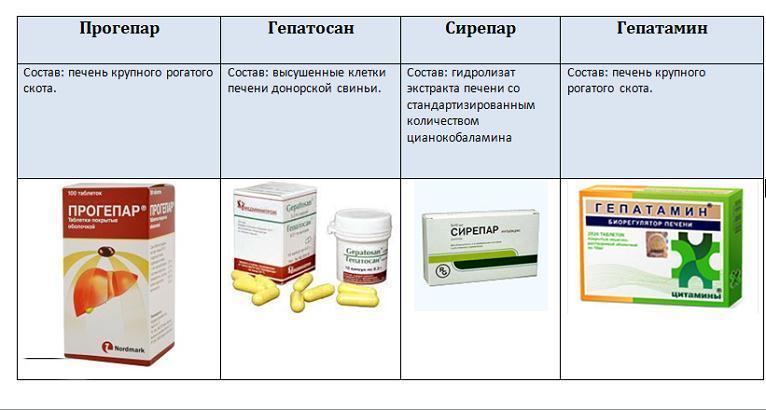
Drugs for the treatment of diffuse changes in the parenchymal lobes of the liver and pancreas
Diet to improve liver and pancreas function
The diet for such changes is made taking into account the norms of a healthy and balanced diet. The basis of the diet should be foods rich in fiber (fruits, herbs, vegetables, cereals), and protein foods (meat, eggs, fish). It is better to cook food by stewing, boiling or baking. Meat, fish and vegetables should be baked in foil, without adding vegetable oil and other fats. The use of salt, spices and sugar is limited. Meals should be fractional (at least 5-6 times a day), the volume of one portion should be no more than 220-250 g.
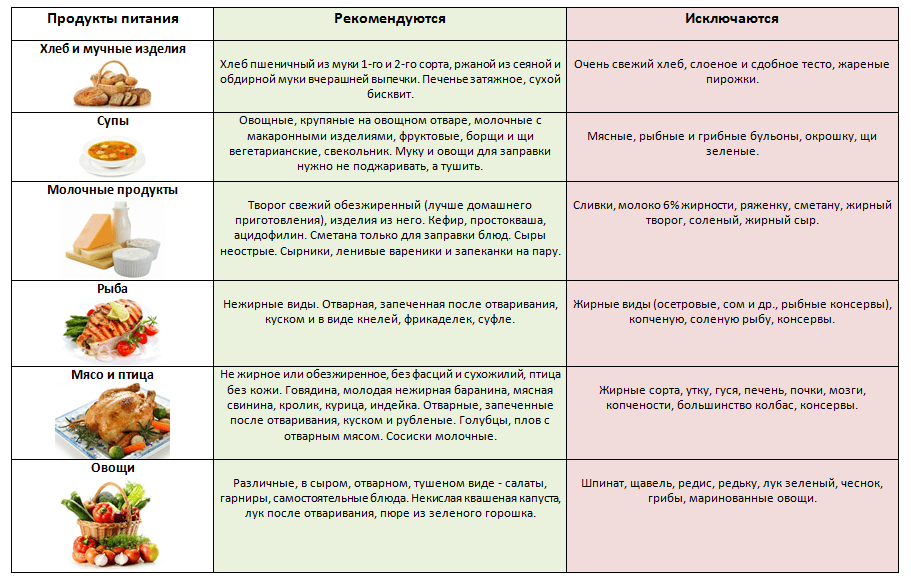
Diet for liver hepatitis
It is necessary to completely exclude from the diet:
- semi-finished and instant products;
- canned fish in oil;
- products with the addition of a large amount of chemicals (flavorings, dyes, preservatives, flavor enhancers and aroma enhancers);
- confectionery and chocolate;
- rich pastries;
- sausages and smoked meat;
- mayonnaise and other fatty sauces.
From drinks, preference should be given to berry fruit drinks, compotes, herbal teas. Decoctions of blueberries and rose hips are useful for the liver, but they should not be taken with acute cholecystitis or cholangitis, as well as during an exacerbation of gallstone disease.

Harmful and useful products
Prevention
Prevention of liver and pancreas diseases consists in normalizing weight, proper nutrition and increasing the level of physical activity. To reduce the risk of pathologies of these organs, you must adhere to the tips listed below.
Correct catering
This is the most important point of prevention, since one of the provoking factors of diseases of the pancreas and liver is an increased consumption of fats and sugar. The diet should contain more foods containing coarse dietary fiber, high-quality protein, minerals and vitamins. Vegetable salads, fruits, various casseroles without spices, cereals, cottage cheese, boiled eggs are useful for the liver. Individuals with an increased risk of fatty liver disease should reduce the amount of fat in the diet as much as possible (but at the same time, it is important to ensure that the body receives the required daily allowance of fat - about 60 g for an adult person).
Video - Super food for the liver
Video - Diet number 5 according to Pevzner
Weight control
Obesity in 50% of cases is accompanied by a change in the density of the parenchymal tissue of the pancreas and liver, therefore, weight control is an important step in prevention. If a person is obese, it is necessary to consult an endocrinologist and check the level of hormones that are responsible for carbohydrate and lipid metabolism. If the cause of excess weight is an eating disorder, and the patient cannot cope with this problem on his own, a psychologist's consultation is indicated. In severe cases (such as bulimic disorder), your doctor may prescribe antidepressants.

Weight control is an important step in prevention.
Rejection of bad habits
Smoking and alcohol dependence increase the risk of cirrhosis by 4 times, therefore, the fight against these habits is the basis of preventive measures to protect the liver and pancreas. Individuals at high risk should completely stop smoking and drinking alcohol.
Important! A relatively safe dose of alcohol is 40-50 ml of ethanol (about 50 ml of vodka, 250 ml of wine or 0.5 l of beer). Drinking alcohol is allowed no more than 1-2 times a month and only if the person does not suffer from diseases of the nervous or digestive system.
Increased physical activity
Physical inactivity (sedentary lifestyle) can cause a large number of diseases, including pathologies of the liver and pancreas. In the absence of problems with the musculoskeletal system or other contraindications, it is recommended to do sports 3-4 times a week. If, for some reason, intensive classes are prohibited to the patient, they can be replaced by walking and medical and recreational physical education.

It is recommended to do sports 3-4 times a week.
Diffuse changes in the parenchyma of the liver and pancreas, detected during the examination organs of the abdominal cavity, refer to alarming symptoms that require timely correction or treatment. It is necessary to begin therapy with a comprehensive diagnosis, changes in dietary habits and lifestyle, as well as weight loss (if necessary).


