
Symptoms of a pancreas problem, diagnosis and treatment!
The pancreas is an important organ of the human digestive system that performs many functions. It participates in the production of hormones and digestive enzymes, which speeds up metabolic processes in the body. Under the influence of various diseases, the pancreas ceases to function normally, metabolic processes are disrupted, the food consumed is poorly digested and absorbed. To eliminate the problem, you need to know exactly what symptoms accompany this or that pancreatic disease. Based on the patient's complaints, the doctor makes an accurate diagnosis and prescribes an appropriate course of therapy. What are the most common symptoms of pancreatic problems and how are these diseases treated?

Pancreas problem symptoms
Content
- 1 Causes of pathologies
-
2 How do pancreatic diseases manifest?
- 2.1 Pain syndrome
- 2.2 Intoxication syndrome
- 2.3 Trophological insufficiency
- 2.4 Exocrine disorders
- 2.5 Compression of internal organs
- 3 Diagnostics
- 4 Features of therapy
-
5 Prevention measures
- 5.1 Video - Signs of pancreatic disease
Causes of pathologies
The appearance of discomfort or pain in the left side may indicate the development of pathologies of the pancreas. There are many diseases that can disrupt the functioning of this organ, but not all people have an idea of exactly how the pancreas hurts. Under the influence of various factors, inflammatory processes can occur that affect the tissues of the organ, or develop acute pancreatitis.
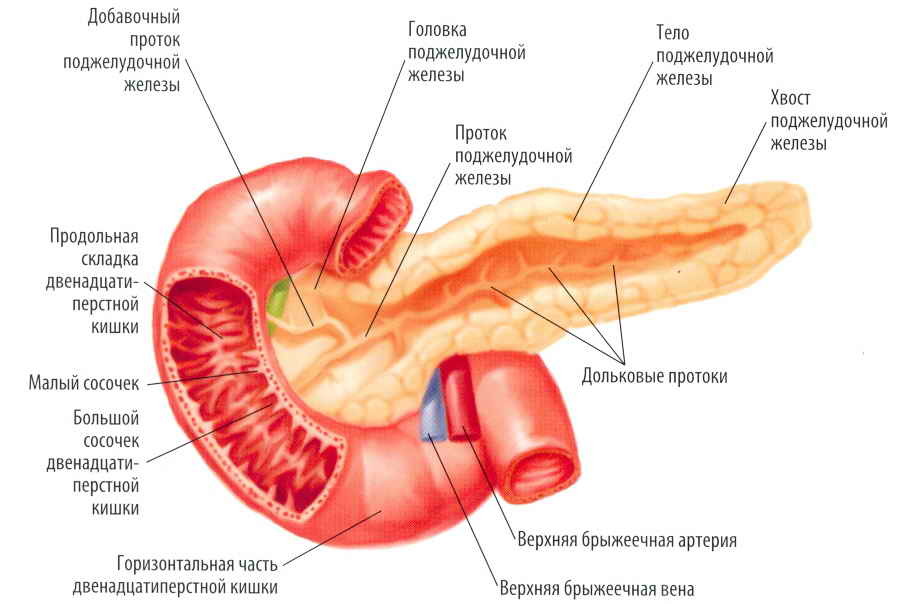
Pancreas
The most common causes of pancreatic disease include:
- disruption of the digestive system;
- presence of bad habits, such as excessive consumption of alcoholic beverages and smoking;

What diseases does smoking portend?
- diseases of the gallbladder and liver;
- the consequences of taking certain medications;
- weakening of the immune system;
- age factor (with age, the risk of developing pancreatic diseases increases).
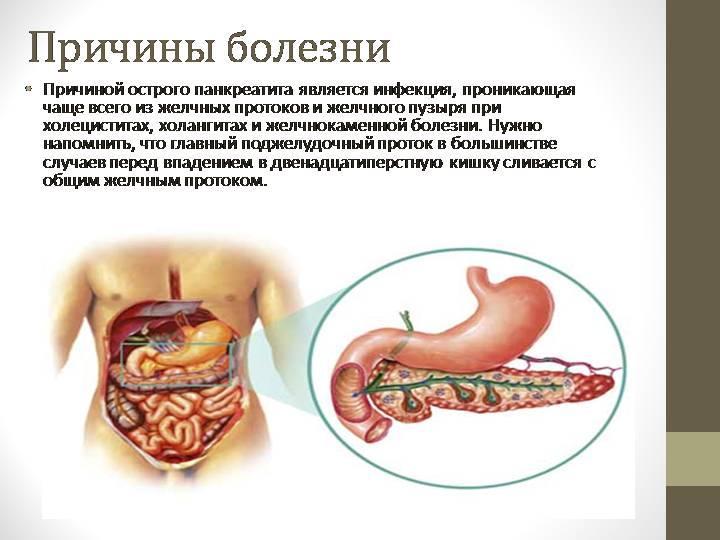
Causes of Acute Pancreatitis
On a note! With the development of pathologies of the pancreas, the patient is faced with pronounced symptoms, since the body immediately gives the appropriate signals about this. This condition is accompanied by a number of accompanying symptoms.
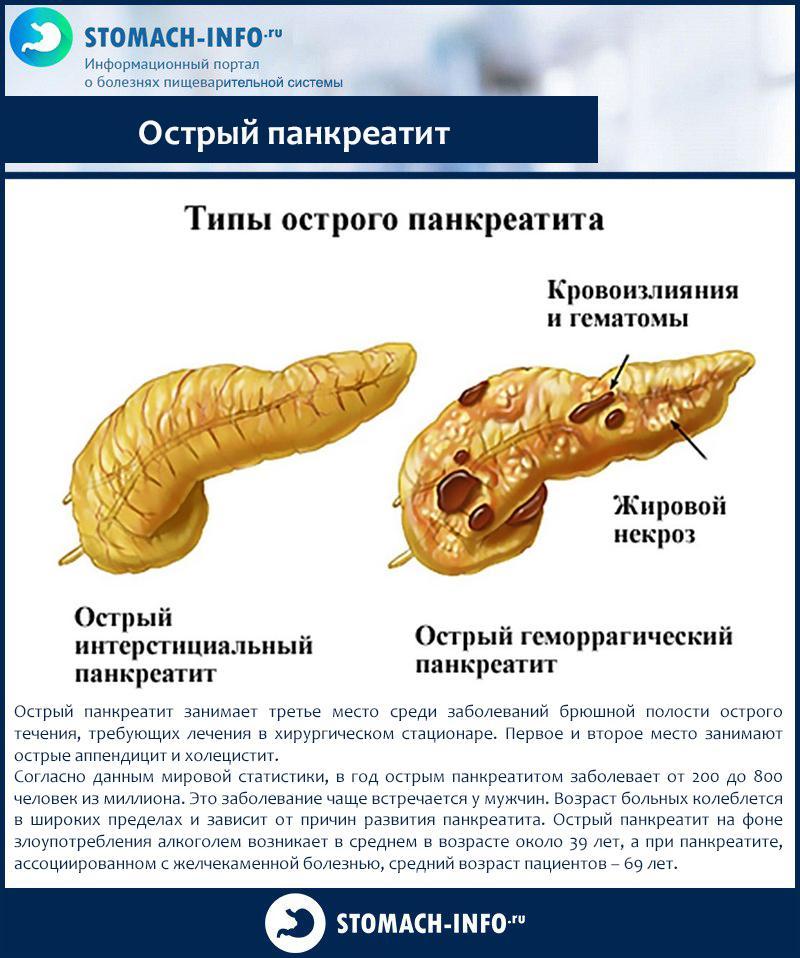
Acute pancreatitis
How do pancreatic diseases manifest?
Almost all problems with the work of the pancreas are accompanied by similar symptoms. First of all, the patient is faced with painful sensations that can have different intensities. Also, with the development of diseases of the pancreas, the patient's weight can sharply decrease, the body temperature rises or the appetite deteriorates. Let's consider the main symptoms that may arise in the presence of problems with the pancreas in more detail.

Stomach ache
Pain syndrome
This is one of the most common symptoms of pancreatic disease. As a rule, it occurs with pancreatitis, and the acute form of pathology is accompanied by intense and prolonged pain. Attacks may disappear on their own, but not earlier than after a few years. This is due to the death of nerve endings. Together with the pain syndrome, the patient can be diagnosed with steatorrhea (this is a disease accompanied by an increase in the amount of fat in the feces) or diabetes mellitus.
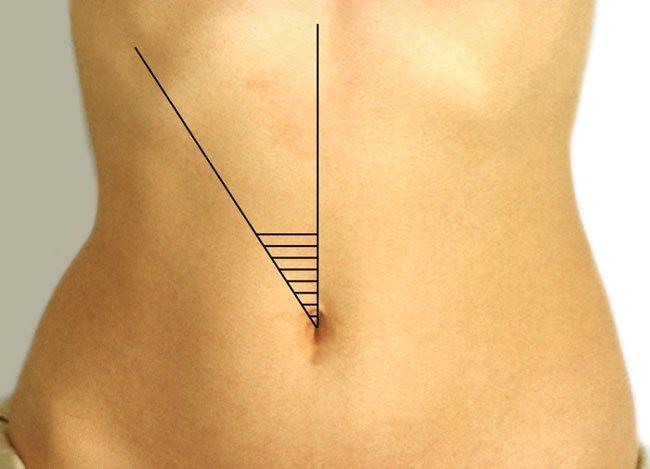
Pancreatic pain
Intoxication syndrome
With the development of this syndrome, the patient develops symptoms such as a decrease in blood pressure, sharp fluctuations in weight, fever or tachycardia. General weakness of the body is felt, intoxication psychosis develops, caused by damage to cerebral blood vessels, hypoxia or cerebral edema. Usually, intoxication syndrome is most often diagnosed in alcohol drinkers or people suffering from liver failure. This syndrome is manifested by a state of euphoria, fussiness and tremor of the upper limbs.
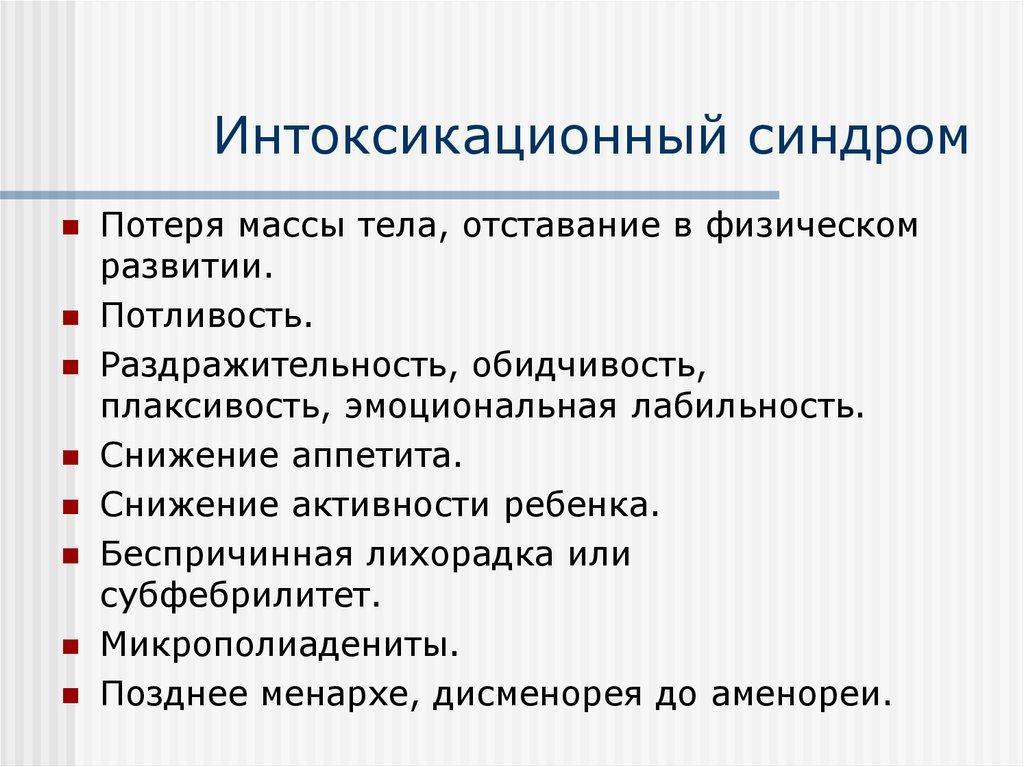
Intoxication syndrome
Trophological insufficiency
The development of certain diseases of the pancreas may be accompanied by a syndrome of trophological insufficiency, which occurs against the background of disturbances in the functioning of the digestive system.
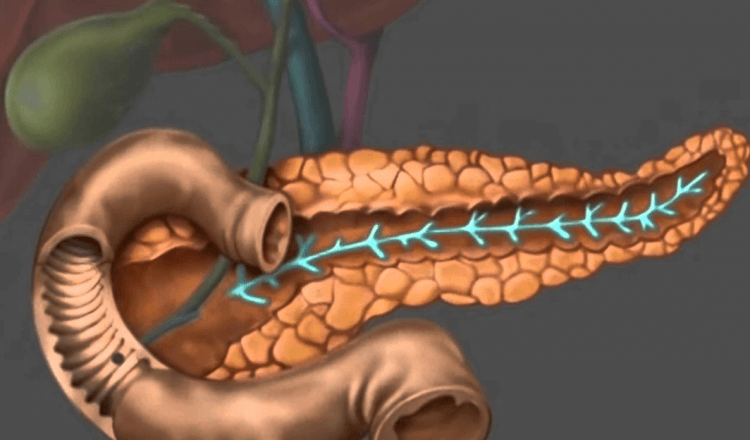
Trophological insufficiency
This syndrome is accompanied by the following symptoms:
- discoloration of the skin (it turns gray);
- thinning of the skin;
- impaired coordination (ataxia);
- decreased visual acuity;
- mental disorders;
- sharp weight loss;
- Barthelheimer's syndrome;
- Grott's symptom.
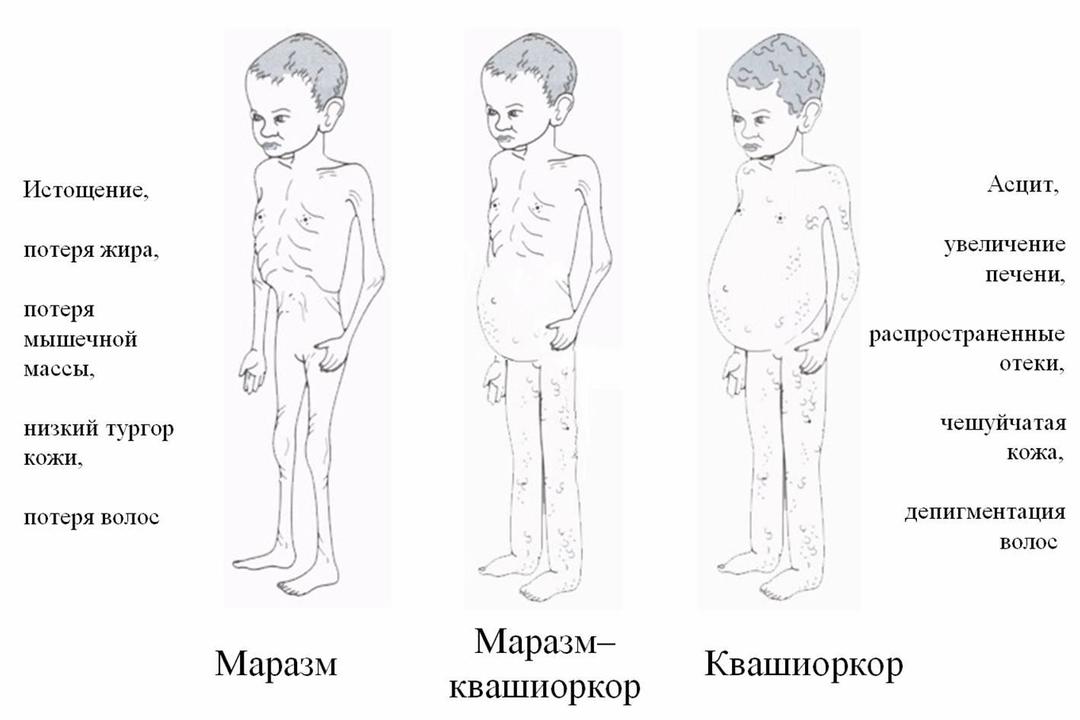
Clinical forms of trophological insufficiency
All these symptoms worsen the patient's quality of life, so when they appear, appropriate measures must be taken immediately.
Exocrine disorders
According to statistics, exocrine disorders are rather difficult due to the death of a large number of parenchyma (more than 80%). As a result, the production of enzymes necessary for metabolic processes in the body is significantly reduced. Typically, exocrine disorders are accompanied by wasting, steatorrhea, stool problems, and bloating.

External secretion glands
The exocrine function of the pancreas is impaired during the course of the following pathologies:
- chronic pancreatitis;
- cystic fibrosis;
- Schwachman-Diamond syndrome;
- Crohn's disease;
- ulcerative colitis and others.
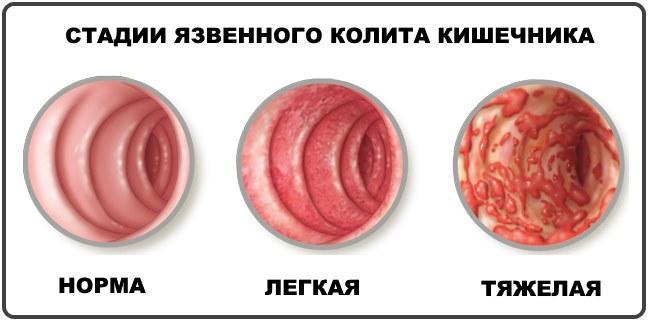
Ulcerative colitis of the intestine
On a note! In rare cases, doctors are forced to resort to resection (removal) of the pancreas. Most often this occurs with a complicated form of pancreatitis, cancer and necrosis.
Compression of internal organs
Sometimes the development of one or another disease of the pancreas leads to an increase in its size, due to which the nearby organs begin to squeeze. This pathological phenomenon is manifested by the following symptoms:
- darkening of urine;

Possible shades of urine
- discoloration of the stool;
- bouts of vomiting;
- enlargement of the spleen;
- itching;
- development of jaundice.
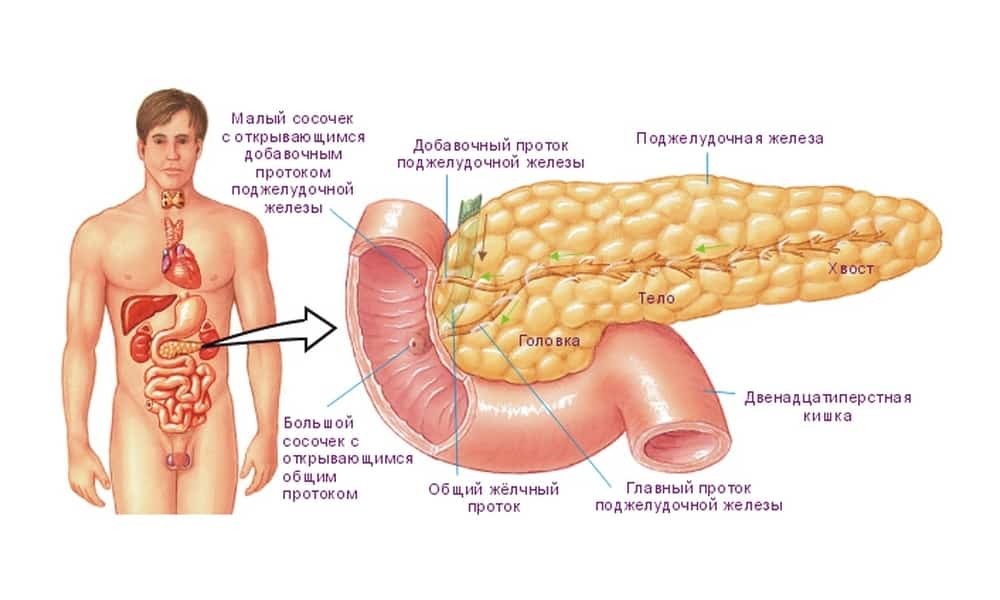
Pancreas device
Compression of internal organs can occur against the background of pancreatic cancer, the formation of a cyst, with an abnormal development of an internal organ or a chronic form of pancreatitis. If the splenic or portal vein is compressed, then the patient develops a pancreatic form of ascites. Compression of the duodenum, as a rule, is accompanied by intestinal obstruction (dehydration, vomiting, fever, etc.).
Diagnostics
When the first symptoms appear, indicating a malfunction of the pancreas, you must immediately visit the clinic for a diagnostic examination. In this case, the help of a gastroenterologist is required, who, after a visual examination, can prescribe the following diagnostic procedures.
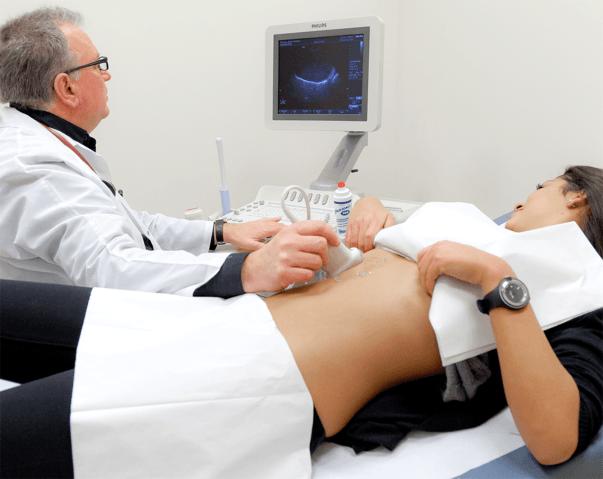
Diagnostic features
Table. Diagnostic methods for disorders of the pancreas.
| Procedure | Description |
|---|---|
 Coprogram |
Laboratory analysis of stool, during which you can identify signs of poor digestion of proteins and fats. These deviations indicate existing problems with the pancreas. |
 General blood analysis |
It is prescribed for suspected development of an acute form of pancreatitis or a chronic inflammatory process. The presence of pathology is evidenced by an increase in the number of segmented and stab neutrophils of leukocytes. |
 Ultrasound |
One of the most common methods for diagnosing internal organs, including the pancreas. During the procedure, you can determine the size of the organ, its condition, contour, as well as the structure of the bile ducts and pathways. |
 CT scan |
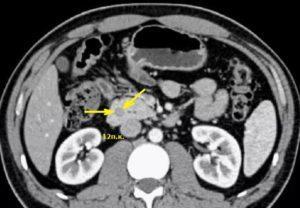
With CT, you can examine the pancreas for pseudocysts and various neoplasms. Also, computed tomography allows you to identify possible atrophic processes in this organ. |
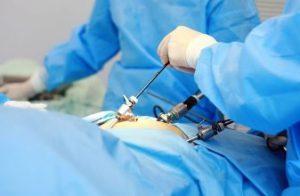 Biopsy |
Microscopic examination of a pancreatic tissue sample of the pancreas. During the diagnostic procedure, it is possible not only to identify the inflammatory process, but also to determine the type of neoplasm (benign or malignant). |
On a note! Only an experienced specialist can read the results of laboratory tests correctly. The doctor will be able not only to identify the relationship of pathological changes in the body with diseases of the pancreas, but also to prescribe an appropriate treatment course.
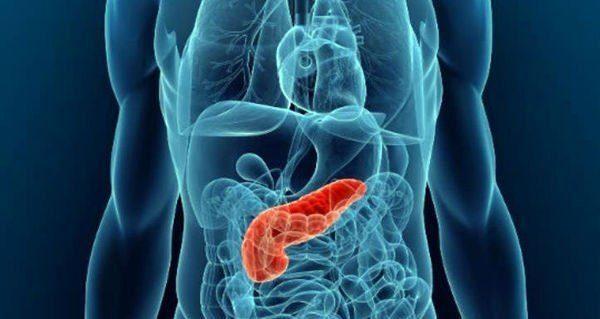
Treatment of diseases of the pancreas
Features of therapy
When diagnosing disorders of the pancreas, the patient is prescribed complex treatment, which includes taking medications and adhering to a diet. Of the medicines most often prescribed are "Ranitidine", "Kvamate" and "Omeprazole" - these are effective drugs that stimulate the production of gastric juice. To relieve pain, antispasmodic drugs are prescribed ("No-Shpa", "Papaverin", "Drotaverin", etc.).

Omeprazole
Also, when treating the pancreas, if the pathology has spread to the biliary tract, the doctor may prescribe Urolesan or enzyme preparations - Panzinorm, Pancreatin, Creon.

"Pancreatin"
Throughout the entire therapeutic course for diseases of the pancreas, as well as in the treatment of all gastroenterological diseases, the patient must follow a special diet. It consists in limiting the amount of unhealthy foods in the diet, such as:
- alcohol;
- strong coffee and tea;
- fermented milk products of high fat content;
- boiled eggs;
- sweets (chocolate, sweets, pastries);
- fatty, spicy and fried foods.
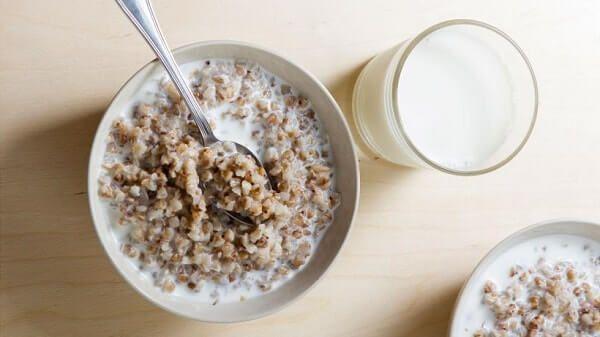
During treatment, you need to follow a special diet.
Also, some vegetables (sorrel, legumes, radishes, fresh cabbage) should be excluded from the diet. At the same time, it is recommended to daily consume low-fat varieties of fish and meat, baked fruits and vegetables, crackers, loose cereals, honey, compote, jelly. All meals should be steamed or boiled. The recommended food temperature for consumption is 30-38 degrees.

It is recommended to consume honey
Prevention measures
It is much easier to prevent pancreatic diseases than to cure them. This rule applies to all diseases. For prevention, you must follow a gentle diet on an ongoing basis. A balanced and healthy diet will help prevent the development of many different diseases. You can not overeat - try to eat fractionally, give up the bad habit of eating before bedtime, exclude from the diet all junk food, in particular, fast food.

Prevention of pancreatic diseases
On a note! Among all the factors contributing to the development of gastroenterological diseases, the presence of bad habits is the most common. These habits include smoking, alcohol abuse, excessive passion for spicy and fatty foods. All these habits negatively affect the functioning of the digestive system.

Spicy food contributes to the development of gastrointestinal diseases
Therapy of various diseases of the pancreas is a very long and laborious process, the effectiveness of which, first of all, depends on the timeliness of the diagnostic examination. Therefore, if you notice suspicious symptoms indicating that the digestive system is not working properly, it is recommended that you immediately consult a doctor for advice. Perhaps this is a common food poisoning or overwork of the body, or perhaps signs of a serious pathology.


