Lack of appetite: why disappeared, what to do with poor appetite, common reasons
The term appetite means the desire to eat. This is a signal to the body about the need to replenish the amount of nutrients. Nutrition must be balanced and timely to maintain health and provide essential micronutrients. This becomes difficult if a person's desire to eat abruptly disappears, and the thought of food, like food, causes unpleasant sensations. This speaks of a painful condition. When you feel well, when a person is cheerful and energetic, eating is a pleasant and joyful ritual.
A person needs medical support if there is no appetite for more than 2 weeks. The doctor will determine why the appetite has disappeared and will prescribe competent treatment. Appetite cannot be lost for no reason, any healthy organism experiences positive emotions while eating.

Content
- 1 Symptoms
-
2 Causes
- 2.1 Pathological
- 3 What to do with a poor appetite
- 4 Danger of loss of appetite
Symptoms
To realize that the appetite has really decreased, and to find the root cause, determine how the phenomenon is expressed:
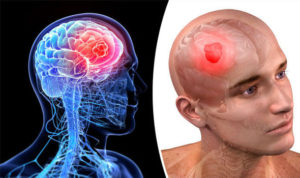
- A person is not overtaken by a feeling of hunger. The urge to eat appears after the neurons in the brain signal that reinforcement is required. If there is no signal, then some organs have malfunctioned.
- Nausea, vomiting. The body calls these processes to cleanse the contents of the stomach in case of danger to human health. This symptom is extremely important because in combination with other signs allows you to make a diagnosis.
- Impotence. It occurs when the body is weakened as a result of illness, strong physical, mental stress. It is difficult for a person to perform daily self-care rituals, gets tired quickly, the body protects itself from even more overwork, without wasting energy even on digesting food.
Causes
Lack of appetite is a factor in different types of diseases or a logical pattern in the work of the human body. In an adult, the prerequisites for eating disorders are distinguished.
Non-pathological:
- Menses. During the period, women often experience abdominal pain, hormonal changes occur, the woman's body prepares for a new menstrual cycle. It is quite natural if the appetite is lowered during this period.
- Overeating before bed. In the evening, the body prepares for rest, for its normal functioning, the meal time should not be less than 2-3 hours before going to bed. When we gorge ourselves on heavy food at night, the pancreas is forced to work instead of a well-deserved rest. It is difficult for a person to fall asleep. In the morning, nausea naturally occurs, there is no appetite.

- Complete rejection of meals, a critical reduction in calorie intake. If food does not enter the body on time, the stomach lining becomes irritated and instead of the need to eat, nausea appears.
- Chronic state of powerlessness - a person feels overwhelmed, there is a decline in strength. Lack of adequate rest is often a possible cause. Lack of rest and sleep puts a lot of stress on the central nervous system, which leads to a loss of appetite.
Pathological
Due to the presence of diseases, these include the reasons:
- Dysbacteriosis is a disruption of the intestines, leading to a failure in the digestion of food due to an imbalance of the intestinal microflora. The violation negatively affects the well-being and state of health, due to a malfunction, it is not possible to acquire the necessary trace elements from food, the need for food disappears.
- Endocrine diseases - a disruption in hormones causes painful symptoms such as vomiting, nausea. After illness, the desire for food disappears.
- Chronic disease of the stomach, intestines and other organs. This is evidenced by weakness, vomiting, abdominal pain - these signs can raise suspicion of the presence peptic ulcer, pancreatitis, inflammation of the gastric mucosa, small intestine, irritable bowel syndrome, colitis.
- Mental disorders, depression, bad mood. Self-criticism, dissatisfaction with oneself, a strong sense of fear, constant excitement. Against the background of high psychological stress, after stress, a depressed state arises, a lack of interest in food, apathy, a person no longer brings joy to his former beloved pleasures. Often they are accompanied by nausea, general weakness.

- The most popular factor in reducing appetite in young women is called anorexia nervosa. Lack of appetite is caused by a pathological need to reduce weight by any means, sometimes complete ignoring meals, while in patients with the disorder, the body weight is not exceeded and weight loss leads to critical consequences. Following exhausting diets, excessive physical activity, the use of weight loss drugs, laxatives, enemas are a reason to visit a psychotherapist. In such situations, an attentive attitude and support from relatives and friends is important. The patient himself is not able to suspect pathology. Even if a girl has lost a lot of weight in a short time, she still strives for even more weight loss.
- Poisoning - when harmful microorganisms spread in the gastrointestinal tract, loss of appetite, nausea, vomiting occurs.
- Increased pressure - with cardiovascular diseases, nausea is often manifested, a person loses the desire to eat.
- Taking certain types of medications - drugs that have a detrimental effect on the gastrointestinal tract, lead to a feeling of nausea, unwillingness to eat. After antibiotics taken uncontrollably, a disease of the internal organs develops.
- Chemotherapy oncology is associated with the pathology of the action of body systems. Decreased appetite is caused by nausea, vomiting, constant feeling of tiredness, drowsiness.
- Viral, infectious diseases - in order to recover faster, the body focuses its energy on the production of white blood cells. Excessive levels of toxins, high fever, cough require medication, and after taking antibiotics, nausea and weakness occur.
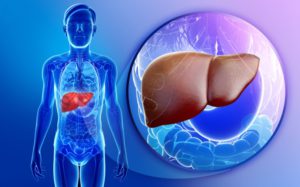
- Liver affected by various diseases.
What to do with a poor appetite
If the condition is not critical, does not require medical intervention, it is suggested to use the following methods to increase appetite:
- Drinking at least 1.5-2 liters of water daily will help speed up your metabolism and increase your appetite.
- Speed up the digestion of food with the support of drugs - Pancreatin, Mezim. They will help to process food leftovers that the body has not digested on its own.
- With premenstrual syndrome in women, nettle decoctions, chamomile tea, and cranberry juice will help.
- For viral diseases, ARVI, take antibacterial drugs. Maintain a water-drinking balance in order to remove toxins from the body as soon as possible.
- Establish a proper nutrition system. Replace fast food with healthy food, eat more often, in small portions, give up fatty foods, eat only lean meats and fresh vegetables, eat on time, and avoid starvation.
- Complete a medical examination every year, follow the recommendations prescribed by your doctor.
You cannot force yourself to eat, this will further aggravate the situation. Only food that was eaten with pleasure is useful, the meal should bring only pleasant sensations.
Do not self-medicate if poor appetite has been observed for a long time, for more than 2 weeks. It is necessary to seek help from a therapist. After the tests, it is possible to identify and eliminate the cause of the disease. If pathologies are identified that require a more highly specialized treatment, the doctor will refer you to the appropriate specialist.
Often, complaints of decreased appetite require the help of a psychologist, psychotherapist, and neuropathologist. Appetite can disappear due to disorders of the human psyche, which determines conscious and unconscious behavior. Clinical depression requires medication.
Modern methods of treatment for difficulties in eating food normalize the condition, restore appetite, give satisfaction from food, which improves the quality of human life. Health automatically significantly increases the standard of living, a person becomes more efficient, solving current problems is much easier for him than for an exhausted starvation.
Danger of loss of appetite
To understand the dangers and possible harm to the body that prolonged hunger causes, it is important to understand why meals are so important. Food is a connecting element of the human body with the outside world. It performs vital functions. First, it provides energy for the body's processes. Secondly, it reproduces new cells, which help in covering energy expenditure, increase the body's stability to diseases, and assist in the formation of enzymes and hormones. And finally, they contribute to the well-coordinated work of the internal processes of the body. Decreased appetite upsets the harmonious balance of essential nutrients in the body, leading to dehydration. If sugar does not enter the body, then an excess of ketone bodies is formed in the human body, which become toxic. Constant refusal to eat leads to anorexia, a disorder that brings people to death.
An entertaining fact - our ancestors, during the hunt, the level of substances necessary for vital functions in the body decreased, so that in the process of obtaining food, the need for food would become critical. Now people have no need to get food through hunting, the time and frequency of meals now depends on the appearance of appetite.
Loss of appetite is not as harmless as it sometimes seems. If, along with unwillingness to eat, you experience nausea, upset stool, heartburn, flatulence, smell from the mouth - immediately go to the doctor's consultation. If at least two of the listed symptoms are noted, this may indicate gastritis, an ulcer. Ignoring the signs leads to serious complications, which can result in irreversible consequences. Delaying treatment is extremely dangerous.