Vomiting and diarrhea in an adult: reasons for what to do
An infection or bacteria in the body can cause vomiting and bowel upset. The latent period of the development of symptoms of the disease takes from several hours to several days. Delay in resolving symptoms causes severe dehydration and exacerbation of chronic illness in an adult.
Content
-
1 The beginning of the development of unpleasant symptoms
- 1.1 Diseases of the gastrointestinal tract
-
2 Acute intestinal infections
- 2.1 Signs of gastroenteritis
- 2.2 The viral nature of the disease
-
3 Other types of gastroenteritis
- 3.1 Bacterial type
- 3.2 Parasites
-
4 How to help the patient
- 4.1 Treatment
- 4.2 Diet
The beginning of the development of unpleasant symptoms
Vomiting and diarrhea are the causes of many diseases. A banal upset of the intestines and stomach rarely becomes the primary source of such symptoms. The etiology of the origin of the painful condition lies deeper. Only a doctor diagnoses the exact cause of diarrhea during vomiting in a sick person.
Causes of frequent bowel movements and vomiting:
- Food poisoning. The person ate expired food, bought a patty contaminated with bacteria on the street, or did not wash his hands before eating. Fever and weakness are in addition to diarrhea and vomiting.
- Rotavirus infection. It is transmitted by airborne droplets in public places, transport, on the street. The body does not often respond to the virus with an increase in body temperature. It is popularly called "intestinal flu".

- Poisoning with drugs. The symptom is identical to food poisoning. Self-administration of pills, suspensions, medicinal herbs turns into disastrous consequences. An urgent appeal to an ambulance or hospital will have time to correct the situation.
- Excessive consumption of food, fatty and fried foods.
- Stress, worry and anxiety. The temperature in this case is kept in the range of 37 degrees. Stress often goes without vomiting.
- In case of poisoning with alcoholic beverages.
- Insufficiently fried meat, not boiled poultry (when a bloody trace remains on the bone), eggs are a source salmonellosis infection. At the same time, the stool becomes foamy, green, with mucus. The disease is accompanied by a sharp pain, the temperature rises to 39 degrees, the legs become cold. A dangerous disease causes repeated bowel movements, a drop in blood pressure after diarrhea and a condition close to dysentery.
- Colibacillus. With raw water, pathogenic microorganisms enter the body that produce toxins. Toxins poison the body of a person who drank contaminated water. He is sick, periodically vomiting. The patient experiences frequent urge to use the toilet. This is how protection against bacterial infection occurs.
Diseases of the gastrointestinal tract
Pancreatitis, gastritis, dysbiosis, enterocolitis provoke diarrhea and vomiting after fatty and fried foods. Pancreatitis without fever is accompanied by nausea, peripheral pain in the stomach. Gastritis causes heartburn, cutting pains in the abdomen, and changes in blood pressure.
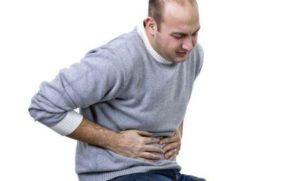
Enterocolitis is characterized by bloody or mucous impurities in the feces. The state is preceded by severe weakness. Gastroduodenitis causes a feeling of heaviness in the abdominal region, malaise and heartburn. Due to the functional changes in the stomach, the patient experiences weakness, the head hurts, and the skin is pale. Intestinal dysbiosis provokes rumbling in the stomach, bloating, painful spasms with diarrhea. Food is digested incorrectly, poorly absorbed.
Acute intestinal infections
Viral gastroenteritis can cause nausea, vomiting and diarrhea. A person becomes a carrier of an infection that is dangerous to others. The contagion persists after recovery, so a sick person needs isolation. Treatment is prescribed by a doctor.
Signs of gastroenteritis
Inflammation of the mucous membrane lining the surface of the stomach and intestines develops when an infection enters. Toxic chemicals and certain medications sometimes cause similar effects. Gastroenteritis can come from viruses, parasites, or bacteria.
Symptoms of the disease:
- Acute abdominal pain;
- Headache;
- Rumbling and intestinal cramps;
- Nausea;
- Vomit;
- Bloating and tension in the abdomen;
- Diarrhea;
- Weakness;
- Anorexia.
An adult can do without treatment, having suffered a mild disease. Diagnosis is by examining the stool.
The viral nature of the disease
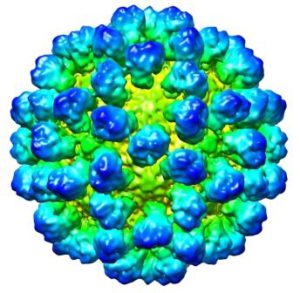
Viruses (rotavirus, astrovirus, intestinal adenovirus, calicivirus) affect the epithelial layer of the small intestine in the body. Provoke watery diarrhea. The rising temperature causes cold extremities, joint aches.
A common case of stomach eruption and diarrhea in children and adults is rotavirus infection. It easily settles on the mucous membranes of the nose, mouth and enters the body. The latent period of development is one to three days. Rotavirus is often associated with respiratory diseases.
In the morning, there is lethargy, weakness, redness of the throat and soreness when swallowing. High temperature freezes the body, can provoke leg cramps. Lack of appetite is a common sign of infection. Undigested pieces of food sharply distinguish vomiting in this disease from vomiting in other types of infection.
The second type of infection - astrovirus - often affects children in the winter. Distributed by the oral-fecal route, incubation takes three to four days. Adenovirus is infected all year round, the latency period is three to ten days. The child is more susceptible to illness than the parent.
Caliciviruses lie in wait for the weakened body of a teenager or an older person all year round. The infectious form of the disease is transmitted by water and food, or from a carrier of the virus through contact. The latent period of the course of the disease is a day or two.
Other types of gastroenteritis
After food of questionable quality, there is a problem with digestion. The nature of bacterial gastroenteritis is based on microorganisms of the Escherichia coli group, Staphylococcus aureus and others. The bacteria can be on the intestinal mucosa. The released toxins alter the absorption of nutrients and cause the separation of water and minerals. The process is accompanied by loose stools. It is important to control what color and type it is.
Bacterial type
When eating contaminated food, bacteria enter the body and settle in the stomach. The phenomenon is accompanied by nausea, vomiting and diarrhea within twelve hours after ingestion of contaminated food. The person experiences chills and lethargy.
Salmonella, shigella, and some strains of E. coli can cause bleeding and fluid secretion with protein content. They ulcerate the mucous membrane of the small intestine and synthesize enterotoxin. Feces for diarrhea in this case contains leukocytes and erythrocytes. Insufficiently boiled or fried poultry, eggs, unboiled milk are often the source of infection. At the same time, permanent stools acquire a yellow color.
Parasites
Giardia affects the intestinal mucosa by attaching to the membrane. The disease is characterized by diarrhea, vomiting with nausea. Weakness, malaise, dizziness appear. People are infected through raw water, touching a sick person. Diarrhea becomes watery, abdominal pain is spastic in nature.
In an adult, an independent passage of the disease may occur for no reason. However, if the immune system is weakened, then the disease is aggravated, the body loses a lot of water and minerals. Diarrhea becomes subacute or chronic.
How to help the patient
Loose stools and vomiting with nausea are symptoms of serious diseases. To the listed signs are added high fever, fever, loss of strength. The body aches, and the bones ache. What to do if symptoms are detected: call an ambulance, call the doctor on duty.
Before the arrival of a medical officer, perform a gastric lavage procedure. A person is given a liter and a half of warm boiled water to drink. If there is no natural gag reflex, press on the root of the tongue until the stomach is completely cleared of the contents. The first need is to provide the patient with bed rest. Highlight a personal plate, cup, cutlery (shared utensils can infect others).
Treatment
If vomiting and loose stools continue for more than three days, this is an alarming sign. To prevent rapid dehydration of the body, it is recommended to take a rehydron solution. Drink should be in small, frequent sips, preventing vomiting. After vomiting, bring a drink to the sick person every 20 minutes. The loss of fluid by the body leads to consequences for which:
- the sick person is dizzy;
- slight weight loss occurs;
- there is a fainting state in the morning;
- body aches appear;
- the temperature rises, then drops below normal.
After the doctor makes a diagnosis and identifies the causes of the disease, treatment should be started immediately. With a bacterial factor, the doctor prescribes an antibiotic medicine for diarrhea. If pancreatitis is the cause of vomiting and diarrhea, then they compensate for the lack of digestive enzymes, take drugs such as festal.
The doctor prescribes to take absorbents, which will collect toxins in the intestines. Sorbent drugs include: activated carbon, enterosgel, polyphepan, polysorb. The tool absorbs toxic substances and removes them from the body.
The bowel function resumes after diarrhea and vomiting, if the doctor's recommendations are strictly followed. To restore the natural microflora, a medicine containing bifidobacteria and lactobacilli will help. It will not work and should not be able to cure the symptoms of the disease on your own. A doctor will select the appropriate treatment for nausea, vomiting and diarrhea.
Diet
In case of poisoning from overeating and after alcohol abuse, rinsing is done. Taking antiemetic medications can help control vomiting. Subsequently, a sparing diet is followed. The menu includes white crackers, slimy soups, jelly, rice broth. Fresh vegetables and fruits are prohibited. You can only eat bananas. After a day or two, boiled low-fat varieties of meat, poultry and fish are added. The first day, if possible, treat the patient with hunger.
To do without abdominal pain, fatty, spicy, fried foods are removed from the usual diet. Fiber is the best food for provoking intestinal motility. Milk, sugary carbonated drinks should not be drunk: they simultaneously cause bloating and fermentation in the intestines.