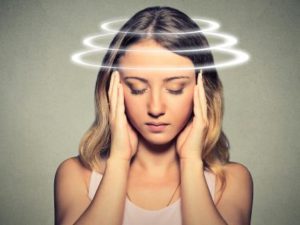
What to do if appetite disappeared due to nerves?
A stressful situation, when appetite has disappeared due to nervousness, regardless of the person's desire, affects the work of all internal organs. Nerve disorder primarily affects the digestive system, which refuses to eat until the situation calms down.
The reasons that caused severe stress or nervous strain are different. The transition to a new job, parting with a loved one, the loss of loved ones, another important event. A state of shock in the body - appetite, malaise disappears. If stress is a temporary, short-lived event, the appetite will return on its own. It is required to be distracted and calm down.
Loss of more than 10% of its own weight and non-return of the desire to eat indicate serious internal disorders. Failure to receive enough nutrients leads to a loss of body strength. Decreases brain activity, lack of vitamins, symptoms: nausea, dizziness, disrupted work of the musculoskeletal system.

Content
-
1 In adults
- 1.1 Light tension
- 1.2 Overvoltage
- 1.3 Strong tension with the appearance of obsessive thoughts
- 2 In children
-
3 Reasons for weight loss with nervous tension
- 3.1 Adults
- 3.2 Children
- 4 Effects of stress on appetite
- 5 How to gain weight
-
6 Medication
- 6.1 Antidepressants
- 6.2 Anti-serotonin drugs
- 6.3 Hepatoprotectors and restorative
- 6.4 L-carnitine
In adults
Stress is different. Every day a person experiences a lot of situations: at home, at work, on the road, on the street. Some do not strongly affect the central nervous system, others cause depression or severe overexcitation and loss of appetite occurs on a nervous basis.
Light tension
This is a common occurrence. Slight irritation, unpleasant memories, excitement when meeting a friend. This is considered a mild tension that is relieved without human control and without the use of drugs (distraction to other topics or concerns).
But it is not always easy to get distracted from the negative moment. The human brain continues to replay the situation, while simultaneously drawing the owner into a stressful situation more and more. It is not easy, but increased tension.
Overvoltage
A stressful state of the body that takes more strength. Feels weakness, dizziness, loss of energy. A person is in such a state when he solves important tasks on a daily basis, makes responsible decisions. This behavior is inherent in politicians and businessmen.
But such stress is not considered intrusive. Removing increased stress will attract more body resources than with mild stress. But there will not be much harm to health. A person must let go of the situation and let the brain relax, then everything will return to normal.
If you do not succeed in abstracting yourself, and instead of calming down, the tension increases, obsessive thoughts may appear. Due to stress, a person is exhausted, the situation does not leave the brain, it is impossible to get distracted. The next stage of nervous tension sets in.

Strong tension with the appearance of obsessive thoughts
There is a nervous exhaustion of the body up to the appearance of unpleasant sensations inside, a depressive state, neuroses. At this stage, a disorder of the digestive system is possible, a person is nauseous, vomiting, diarrhea, and a stomach ache.
In children
Nervous tension in a child leads to a disorder of the nervous system, negatively affects the work of internal organs. Post-traumatic conditions for children are even more dangerous. The task of parents is to detect the situation in time and eliminate its consequences.
Children, like adults, experience stress on a daily basis. On the child's body, he responds more actively. Signs of nervous tension in a baby:
- irascibility;
- muscle tension;
- lack of active movements;
- the child has a pain in the abdomen, back and pain in the head;
- unstable appetite;
- dysfunction of the bladder and intestinal tract;
- lack of concentration, disturbed sleep, moodiness, gets tired quickly.
In adolescents, the symptoms of nervous tension are similar to the reaction of the body of adults. Adolescence is characterized by maximalism. The stressful situation is exaggerated and perceived as strongly as possible.
Reasons for weight loss with nervous tension
Nerves affect the functioning of the entire body, and the digestive system in particular. Internal organ functions are disrupted in an attempt to cope with stress. The causes of weight loss differ between adults and children.
Adults
Foundations lack of appetite and weight loss:
- stress for any reason leads to emotional overload, overwork;
- dysfunction of the autonomic nervous system against the background of emotional stress leads to disruption of the functioning of internal organs;
- the presence of neurosis and depression leads to spasmodic phenomena in the digestive tract, which in turn leads to a decrease in appetite;
- metabolism and hormone production are also damaged by stress.
Children
Each age of the child has its own reasons for weight loss associated with emotional stress:
- Babies and younger preschoolers are sensitive to the long absence of their mother, the nervous tension of their parents, and the change in the rules of the daily routine.
- Older preschoolers: they are going through a trip to a new kindergarten, new people, misunderstandings with their parents, relationships with peers.
- In adolescents, the emotional background is increased due to changes in the body itself, growing up.

Causes of stressful conditions:
- A second child appears in the family. The fragile psyche of an older child leads to negative results. He feels unnecessary, abandoned.
- In case of moving to a new place of residence, the usual environment changes accordingly.
- Frequent parental quarrels or divorce.
- Information of a negative nature coming from TV screens and from the Internet.
Effects of stress on appetite
The result of exposure to stressful situations on the body is a dysfunction of the digestive system, emotional exhaustion.
- Prolonged lack of desire to eat leads to parasomnia, perhaps even a complete lack of sleep.
- The female body reacts to stress by disrupting the period of menstruation.
- The child's body and in adolescence, nervous tension translates into vitamin deficiency, the protective function against infections, the musculoskeletal system is improperly formed, an increase in the risk of disease with viral and infectious diseases.
- With severe depression or neurosis, anorexia nervosa develops, which quickly depletes the body and leads to a sharp decrease in weight.
- Nervous tension is accompanied by pain syndromes throughout the body. Drowsiness, weakness, spasmodic symptoms, nausea, especially in the morning. Against the background of a violation of the motor functions of the intestines, there is a heaviness in the stomach after eating, upset.

How to gain weight
Under stress, the main thing is not to leave the body without essential substances and vitamins. In the human brain, there is a center responsible for the feeling of hunger and satiety - the hypothalamus. It reacts to the level of glucose contained in the blood: low - you need to eat, high - you do not need to eat. When the diet contains a lot of snacks, especially sweet ones, the body becomes deficient in the necessary micro- and macroelements, which affects the state of health and causes discomfort in the abdominal region.
By following certain rules, you can cope with digestive upset:
- Make a meal schedule. Food comes 3 times a day and at certain times.
- The diet should contain carbohydrates, fats and proteins - 50% -25% -25%, respectively.
- Use no more than 100 g of sweets, chocolate and other sweet foods between breakfast-lunch, lunch-dinner, not on an empty stomach. To keep the use of these products to a minimum or refuse.
Medication
Severe stress is a disease, it is necessary to start treating with medications after consulting a medical specialist. Therapy for mental and emotional causes, when the appetite has disappeared, is fundamentally different from the treatment of diseases not related to the nerves.
Antidepressants
They help restore appetite against the background of depression, neurosis and anorexia nervosa.
Prozac is a drug that increases the synthesis of serotonin (the hormone of happiness). The medicine is sold freely in pharmacies without a prescription. It is often prescribed by a neurologist for adults and children. Helps eliminate anxiety and panic states, relieves obsessive-compulsive thought syndrome, restores the menstrual cycle. The constant use of the medication helps to balance the mental state and uplifts the mood.
Glycine is a herbal preparation that contains an amino acid. Influences the course of processes in the cerebral cortex, normalizes chemical reactions. It is applied from the first birthday.
Persen, novo-passit, deprim - antidepressants containing herbal ingredients, improve mood, cope with poor appetite.
Anti-serotonin drugs
Medicines that eliminate the effect of serotonin when it is deficient. They indirectly affect appetite, change the psycho-emotional state for the better. The drugs include: granisetron, iprazochrome, lisuride and others.
Hepatoprotectors and restorative
The main effect of the drugs is the normalization of metabolic processes, an increase in the general tone of the body.
L-carnitine
By participating in the metabolic process, it helps to restore the metabolism of fats, carbohydrates and proteins. It helps to normalize the digestive system and improve appetite.