Vomiting, diarrhea, fever: what can it be, what to do?
When vomiting, diarrhea, fever appear, a person thinks about food poisoning. Do not forget that there are other factors that cause these conditions. Main reasons:
- Food poisoning.
- Viral and bacterial infections.
- Diseases of the gastrointestinal tract.
Content
- 1 Food poisoning
-
2 Viral and bacterial infections
- 2.1 Rotaviruses
- 2.2 Dysentery
- 2.3 Salmonellosis
- 2.4 Viral hepatitis
- 3 Diseases of the gastrointestinal tract
Food poisoning
The reason is the ingestion of food containing toxins. Produced by pathogenic microorganisms. Poisoning appears within a few hours (1-12). The person has multiple symptoms. Before starting treatment, it is necessary to carry out a differential diagnosis with other diseases.

The main symptoms of food poisoning are:
- Nausea.
- Vomit.
- Diarrhea.
- Pain, abdominal cramps.
- Temperature rise (37-40 degrees).
- Weakness.
- Pallor.
The first sign of poisoning is nausea. Lasts for a short time. Soon, violent vomiting begins. The stomach is cleared. The process cannot be stopped. Prolonged, indomitable vomiting is an indication for the use of antiemetic drugs.
Relief will come after vomiting. The person will feel weak. Pallor of the skin will appear. Now, at the end of vomiting, enterosorbents (activated carbon), other drugs (light manganese solution, Enterosgel) are taken. In some cases, it is possible to take small amounts of herbal infusions (chamomile, St. John's wort).
Diarrhea (diarrhea) is a natural cleansing mechanism. Helps to remove the remains of contaminated food from the body. Depending on the causative agent of the disease, diarrhea can be different in color.
With diarrhea due to increased peristalsis, the sick person experiences severe spasms. The sensations may persist after recovery. After diarrhea, the body is dehydrated. With severe dehydration, take Rehydron's solution.
Temperature with vomiting, diarrhea indicates the severity of the condition. A temperature of 37 degrees indicates the presence of a sluggish process. An increase to 38 degrees indicates the transition of the infectious process to the acute phase. Careful monitoring of the human condition is required.
Food poisoning of mild and moderate severity is cured at home, with improvised means. The use of antipyretic drugs, drugs of the nitrofuran series is allowed.
A sharp deterioration in the patient's condition (headaches, fainting, blurred vision, temperature rose to 39-40 degrees, cardiac abnormalities appeared) requires urgent hospitalization. Take tests, establish an accurate diagnosis. Depending on this, the tactics of treatment are chosen.
An adult is easier to tolerate food poisoning than a child. The child's body has an immature immune system. A mild illness is difficult. At a temperature of 38, the need for hospitalization arises. Even if there is a fever, diarrhea proceeds without vomiting. The use of enemas with salted water is justified (1 tbsp. Dissolve a spoonful of salt in 1 liter of boiled water).
Viral and bacterial infections
The appearance in a person of incessant vomiting, diarrhea with fever always gives reason to assume infection with viruses, bacteria. Diseases are difficult. Timely laboratory research (blood, feces, urine, vomit) will be able to identify the pathogen. After that, adequate therapy is selected.
Common viral, bacterial infections:
- Rotavirus.
- Dysentery.
- Salmonellosis.
- Viral hepatitis.
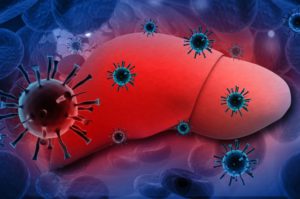
Viral hepatitis
Rotaviruses
Rotavirus (intestinal flu) Is a microorganism that infects the human intestine. Infected by the fecal-oral route. Does not apply to influenza virus. The disease was called so because of the similarity of symptoms (temperature 37-38, runny nose, cough, headache, sore throat, vomiting, diarrhea, weakness).
When infected with rotavirus, the patient's stool becomes clay-like, acquiring a light, grayish-yellow hue. An admixture of blood appears. The disease is more severe in a child than in an adult. If the baby is very sick, vomits, take action. The disease occurs acutely at the first infection. The virus causes the active production of antibodies, and strong immunity develops.
There are no specific drugs. Treatment is symptomatic. It is recommended to drink plenty of water, activated carbon, antipyretic. Be careful when dealing with sick people. They are contagious and must be isolated.
Dysentery
The cause of the disease is getting into the intestines bacteria of the genus Shigella. This bacterium causes severe damage, mainly to the large intestine. The source of infection can be a person, water, food. Symptoms of infection appear 2-7 days after contact with an infected object.
The disease can start in different ways. Headaches, lethargy, fever are quickly replaced by abdominal pain. Severe diarrhea appears, the temperature rises to 39. The skin turns pale, the tongue becomes brown. Heart rate increases, blood pressure decreases.
The number of bowel movements is from 20 to 50 times a day. Gradually, the stool turns into a mixture of mucus, blood and pus. The duration of the disease is 3-4 weeks. Complications - peritonitis and paraproctitis.
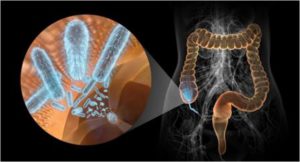
Dysentery disease
Treatment depends on the severity. Mild form - treatment table No. 4, nitrofurans, oxyquinolines. For moderate and severe forms, a combination of antibiotics is selected. The drugs are prescribed taking into account the sensitivity of the strain.
Salmonellosis
Intestinal infection is caused bacterium salmonella. It occurs through contact with a sick person, animal, or food. Acute development (chills, fever up to 41 degrees with nausea, vomiting, headaches).
- A specific symptom is frequent, watery bowel movements. The stool is green, with bile, it lasts 8-10 days.
- Joint pain, enlargement of the liver and spleen are often observed.
The patient is placed in the infectious diseases department. The diagnosis is made after laboratory tests. Treatment is carried out with penicillin derivatives, fluoroquinolones, specific bacteriophages. Antibiotics are not given if there is no blood in the stool.
The patient is prescribed an abundant drink, solutions to restore the electrolyte balance, diet, drugs to remove toxins, restore the intestinal microflora.
Possible complications:
- peritonitis;
- toxic shock;
- polyarthritis;
- renal failure.
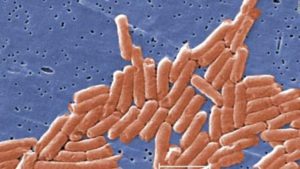
Salmonellosis disease
Viral hepatitis
Acute viral liver disease. The incubation period is from 7 days to 6 months, depending on the strain (A, B, C, D, E, F, G). You can get infected with dirty water, contaminated food, syringes, and unprotected sex.
The disease begins with fever, nausea, pain in the epigastric region. Then aches and headaches join. Lowered appetite. Diarrhea, flatulence begins. Severe itching of the skin appears.
Against this background, there is a significant increase in the size of the liver and spleen. Man vomits bile. The urine darkens, the feces are discolored. Signs of general intoxication are growing. After the color of the skin and sclera of the eyes is yellow, there is some relief.
Children suffer from hepatitis differently. If the child has always had a low body resistance, then the mild form of the disease is difficult.
If you get hepatitis A, no treatment is required. Prescribe a diet, bed rest, drinking plenty of fluids, antispasmodics (no-shpa, papaverine), choleretic drugs. If necessary, add detoxification drugs (intravenously).
Infection with other types of hepatitis is more severe. In addition to basic therapy, antiviral treatment with interferons is used. A complete cure is almost impossible. Correct therapy achieves long-term remissions. A long ban on alcohol is introduced.
Complications:
- chronic diseases of the gallbladder;
- necrosis;
- cirrhosis;
- crayfish.
Diseases of the gastrointestinal tract
Disorder of the stomach and intestines leads to the development of various diseases. Increased or decreased secretion of gastric juice and digestive enzymes causes malfunctioning of internal organs. Pancreatitis, gastritis, gastroduodenitis, peptic ulcer and many other diseases of the gastrointestinal tract often have similar symptoms.
The most dangerous is pancreatitis. In men, it develops due to the consumption of alcohol and fatty foods, and in women due to gallstone disease, diets, hormonal fluctuations.
The primary symptom is vomiting with an admixture of bile, epigastric pain, diarrhea and slight fever. With mild nausea and mild pain in the stomach, the patient can be treated at home, symptomatically. If the temperature rises to 38-39 degrees, it means that the pathogenic intestinal flora has joined. Taking antibiotics will help relieve inflammation.
Digestive disorders deserve close attention. After a comprehensive examination, the gastroenterologist will be able to prescribe the appropriate treatment. This will save you from possible complications.