Nausea and dry mouth: causes, symptoms of what diseases
Dry mouth and nausea indicate pathological processes in the body. Often the feeling of thirst is explained by the intake of a small amount of moisture. But a violation of the moisture content of the oral cavity is provoked in most cases by other reasons - endocrine disruptions, diseases of the gastrointestinal tract, autoimmune diseases.
The salivary glands produce about two liters of saliva per day. A deficiency in production leads to a disease called xerostomia. Saliva prevents bacteria from entering the body and is involved in the digestion of food. The phenomenon is temporary, arising from smoking or taking medications.
Content
-
1 Why does dry mouth appear?
- 1.1 Non-disease factors
- 1.2 Diseases - xerostomia provocateurs
- 1.3 Diseases of the gastrointestinal tract
-
2 Salivary gland pathologies
- 2.1 Sjogren's disease
- 2.2 Viral infections
- 3 Dryness treatment
Why does dry mouth appear?
Lack of moisture in the oral cavity occurs in the morning as a result of snoring. Sitting at night with alcoholic beverages dehydrates the body, leading to dry mouth, nausea, and sometimes vomiting. These symptoms accompany some serious pathologies, so they cannot be ignored.
You should think about the threat to health if the feeling of thirst and nausea persists. To dryness is added bitterness in the mouth, cracks and itching of the mucous membrane. After contacting a therapist and passing general tests, it will be clear to which doctor of narrow practice to go further.
Non-disease factors
Why does a person's mouth dry out if he is definitely not sick:
- Foods with a high salt content. Salted food, dried fish, pickled vegetables make the cells of the body replenish the water-salt balance by drawing moisture from their own resources.

- Foods that are too sweet. Sweets alter the osmotic pressure in organs and tissues, encouraging the brain to signal a lack of fluid. The process is accompanied by dryness of the oropharynx.
- Tea, coffee, energy drinks and carbonated drinks. Dehydration develops due to the increased content of tannins, sugar, stimulating substances. Elimination of the feeling of thirst occurs when drinking pure water.
- Exercise stress. During intense exercise, a person loses moisture through sweat. The deficit is compensated for by drinking mineral and plain water.
- Bad habits. Dry up the oral cavity. In addition, they cause dizziness, cerebral vasospasm, and nausea. Alcohol poisoning is accompanied by vomiting and diarrhea.
- Taking antibiotics. A side effect of antibacterial medicines is dry mouth. The person is sick, there is a headache or discomfort from the gastrointestinal tract.
- Physiological changes in women. During menopause, amenorrhea, menstruation and pregnancy, the organs undergo hormonal changes. This is reflected in the level of moisture in the mucous membranes. Feelings of nausea may appear before hot flashes.
- Neuroses, mental disorders. Nervous shocks and panic attacks provoke dry mouth and dysfunction of the salivary glands.
Diseases - xerostomia provocateurs
What diseases create a feeling of constant dry mouth:
- Adenoids. The overgrowth of the nasopharyngeal tonsil forces one to breathe through the mouth. The otorhinolaryngologist diagnoses the stage of the disease. The enlarged lymphoid tissue is surgically removed.
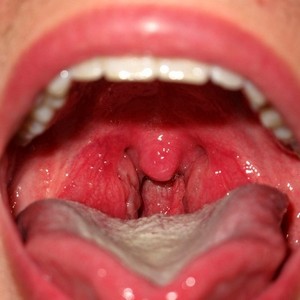
- Dehydration. Poisoning leads to a low moisture content, which is drained by bouts of vomiting, diarrhea. Abdominal pain is caused by cold diarrhea. Pathology occurs due to diseases of the gallbladder and ducts, provokes an increased loss of water. After vomiting with intoxication, temporary relief occurs.
- Orthostatic hypertension. Low blood pressure, weakness, headache, and vertigo (spinning) are symptoms of hypotension. Fatigue and a slight lack of oxygen lead to organ dysfunctions. The salivary glands make the hypotonic feel xerostomia. Nausea and gastrointestinal disorders are also inconvenient due to the malfunction of the body.
- Diabetes. Thirst, dry mouth, frequent urination, uncontrolled bouts of hunger - an incomplete list of symptoms of the disease. A common symptom of diabetes mellitus is body weight fluctuations. The patient is constantly thirsty, regardless of whether food tastes sweet or salty. The disease is accompanied by itching of the skin, cracks in the corners of the mouth, and inflammatory eruptions of the epidermis.
- Dental diseases. A feeling of dryness, burning on the gums and tongue, a metal taste, bitterness in the mouth are symptoms of damage to the tissues of the oral cavity, caries.
Diseases of the gastrointestinal tract
Xerostomia and nausea are often associated with pathologies of the digestive system. Patients suffer from drying out of the mucous membrane with:
- Gastritis. Helicobacter pylori is the reason why a person has gastritis. Disease of the gastrointestinal tract is characterized by heartburn, distention in the stomach, low or high acidity. Symptoms are associated with dryness of the oropharynx, pain and nausea.
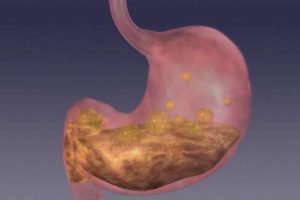
- Pancreatitis. The body may be disturbed by pain in the left side, nausea, diarrhea. The pancreas thus pays for the abuse of abundant food, fried and fatty foods, and alcohol. In the intestines, vitamins and nutrients are difficult to absorb. Nutrient deficiencies cause cracked lips, brittle and thin nails, hair, and dry mouth.
- Cholecystitis, cholelithiasis. Insufficient moisture of the mucous membrane, bitterness in the mouth, nausea and vomiting, pain in the hypochondrium on the right side occur in diseases of the gallbladder and ducts. The tongue is coated. Intestinal peristalsis changes during the passage of bile: acceleration provokes diarrhea, deceleration leads to constipation. When stones move in the biliary system, the patient experiences intolerable colic.
- Kidney disease. Inflammatory processes in the kidneys are recognized when the temperature is kept at around 37 degrees. Dysfunction of the paired organ leads to a disorder that provokes moisture incontinence, the absorption of water is limited. The person feels an unnatural thirst.
Salivary gland pathologies
Injury to the glands leads to a deterioration in the production of saliva. Accidental violation of the integrity of the nerve processes and salivary glands occurs during dental operations, head injuries, traffic accidents. The severity of the lesion is determined by the doctor. This will determine whether the wetting function can be restored. In what disorders does xerostomia occur?
Sjogren's disease
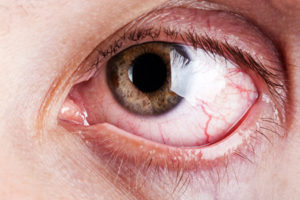
Sjogren's Syndrome is an autoimmune lesion of secreting cells that affects tissue. A sign of dry mucous membranes is expressed in a progressive feeling of grit and grit in the eyes, a decrease in salivation, and cracked lips. It is difficult for the patient to speak and swallow. Often a person feels pain in muscles, joints, weakness. What affects the syndrome:
- Skin;
- Respiratory system;
- Nasopharynx;
- Vagina;
- Kidneys (glomerulonephritis);
- Gastrointestinal tract (pancreatitis, gastritis, biliary dyskinesia);
- Peripheral nervous system (neuritis);
- Blood vessels.
Viral infections
Influenza conditions, infectious diseases are accompanied by a symptom of dehydration. A person loses a lot of water during rotavirus and norovirus infections with diarrhea, vomiting. Temperatures over 38-39 degrees dry out the mucous membranes. The patient experiences photophobia, pain in the eyes. What factors characterize viral intoxication:
- Headache, mainly in the temples;
- Nausea and gag reflex;
- Prostration;
- A sore throat;
- Dizziness;
- Thirst and dryness of the mouth;
- Apathy.
Signs require urgent medical attention. If the question concerns a child or a pregnant woman, then go to an ambulance.
Dryness treatment
After eliminating the disease that caused xerostomia, dryness and nausea disappear. What methods will the doctor suggest:
- Cure the disease. If there is a low moisture content in the oral cavity while taking medications, the doctor adjusts the dose. Perhaps the appointment of procedures or drugs to enhance the separation of saliva (artificial saliva).
- Quitting smoking, alcohol.
- Rehabilitation of the dental cavity. Healthy gums and teeth (the time for an aggravation of toothaches is the night) is the best prevention of caries and periodontal inflammation.
- Applying moisturizers and nourishing products to the lips.
Which recommendations will help:
- Drink water.
- Dissolve the ice.
- Give up black tea in favor of green.
- Chew hard candy or gum.
- Use spices in dishes.
- Breathe through your nose.
- Humidify the air with special devices.
- Avoid mouth rinses containing alcohol.