Vomiting with chickenpox in children: is there anything to do
The child was diagnosed with chickenpox. Fever, weakness, rash appeared. But where does vomiting, diarrhea come from? And the stomach and the rash on the body? Such manifestations of the disease do occur. Consider chickenpox, symptoms in childhood, adulthood, we will understand the causes of vomiting with chickenpox in a child. Let's find out what to do.
Content
- 1 What causes vomiting
-
2 What is chickenpox and its forms
- 2.1 Treatment
-
3 Features of the course of the disease in adults
- 3.1 Complications
-
4 What to do with vomiting and diarrhea
- 4.1 Healthy foods
What causes vomiting
Vomiting is the removal of stomach contents through the mouth using a reflex. The disease is often the causative agent of inflammation in the stomach, nausea, diarrhea, trying to get rid of the discomfort. High fever can be the cause of infection.
In case of vomiting, it is necessary to establish a diagnosis, in consultation with a doctor, to fight the disease. There is no need to treat nausea - it will pass when the child recovers.
When diarrhea is added to the nausea, measures are taken to prevent dehydration. You should drink fluids to restore the water-salt balance. Otherwise, the body will weaken - a complication will appear. Infections enter the gastrointestinal tract through dirty vegetables, toys, unwashed hands, with diseases: ARVI, gastritis, chickenpox.
What is chickenpox and its forms
Chickenpox is an acute viral infection that causes a rash, blisters. It is transmitted from an infected person by contact, airborne droplets. It is not dangerous for a healthy person. It passes with complications in sick pregnant women, newborns, adolescents with weakened immunity.
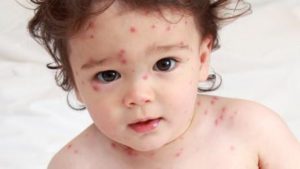
The causative agent of the chickenpox virus is type 3 herpes infection, the fact explains the lifelong presence of the virus in the body after infection. A person gets chickenpox once in a lifetime, after recovery, the virus remains in the body. An infection that reactivates causes shingles. A carrier of the disease infects a healthy child with chickenpox. Doctors prohibit patients with infections from attending schools, preschool institutions.
With chickenpox in children, a violation in the gastrointestinal tract is rarely observed. The patient is vomiting, no diarrhea. The disease can pass without fever, with a short-term increase. There is weakness, irritability, numerous rashes on the body. The spots have a rounded, oval shape in red. The incubation period lasts up to 14 days, the virus is assimilated in the body without causing inconvenience to the carrier. When it comes to skin cells, nerve endings, the first symptoms appear. The temperature rises, a rash appears. The person must be isolated from strangers, avoiding transmission of infection.
Depending on the form, the disease proceeds in different ways: typical and atypical.
The atypical form is divided into types:
- rudimentary;
- gangrenous;
- hemorrhagic;
- visceral.
The forms listed above are complications in a child of typical chickenpox, which are dangerous for the child's body. At the first sign of sickness, you should call a doctor at home. The doctor will examine, prescribe a treatment appropriate for the type. Self-medication is fatal.
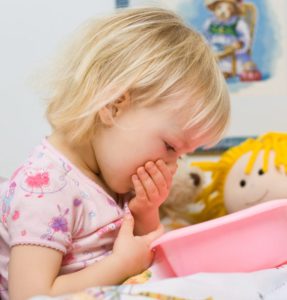
The atypical severe form of the disease causes inflammation of the gastric mucosa, vomiting, and diarrhea. Appears in children with weakened immunity, the rash is pronounced, inflamed. It is localized on the face, body, scalp, hands. Itching is a characteristic symptom that appears after a rash. A rash with chickenpox forms the entire period of the disease, the ulcers differ in color. First, the sore is bright red, then brightens at the edges, the red spot remains in the center. The rash bursts, an ulcer appears, crusts, falls off. Completed the healing process. We can talk about a speedy recovery.
After treatment of a severe form of chickenpox, scars from healed ulcers remain on the body.
Treatment
Treatment takes place under the supervision of a doctor at home. If the case is severe, hospitalization in the infectious diseases department is possible. Treatment does not require special prescriptions; brilliant green is applied to the rash to prevent inflammation. At an elevated body temperature of 38 degrees, accompanied by a headache, children are given an antipyretic agent that does not contain aspirin - children should not drink it. Often, babies have a fever, the removal of symptoms involves the use of 1/4 or 1/2 of the No-shpa tablet together with the antipyretic, depending on the age of the patient. A child in a year of life is recommended to take 1/4 tablet several times a day.
Vomiting with chickenpox in children is the first sign of the spread of the infection to the internal organs. The nerve center is trying to cope. You cannot take antiemetic drugs - it will aggravate the situation. Sometimes nausea is accompanied by diarrhea. When visiting a doctor, it is necessary to inform about the manifestations of the disease.
During the period of illness, you should adhere to the rules:
- For 7 days, observe bed rest, beware of drafts, colds. To strengthen the immune system, take vitamin C.

- Wash towels, bed linen after use to prevent contact of contaminated material with healing skin areas. Long-sleeved cotton clothing will protect healthy areas of the skin from infection, combing.
- Rinse the eyes with a disinfectant, wipe the oral cavity with a solution of hydrogen peroxide.
- You can not wash the child in the bath until the rash has passed - it will prevent spreading through the body. Better to take a short shower.
- Children with severe course are prescribed antiviral drugs.
- Drink plenty of fluids.
- Going out into fresh air away from people without transmitting the infection.
Features of the course of the disease in adults
In adults, chickenpox is severe. It is associated with the ability of the immune system to aggressively fight the virus. With resistance, it causes a headache, fever up to 40 degrees, nausea, diarrhea, body aches. The signs are followed by a rash.
Complications
After chickenpox in adults, complications may occur:
- chickenpox pneumonia;
- loss of vision:
- arthritis;
- meningitis;
- acute stomatitis;
- vulvitis;
- optic neuritis.
A common complication of those who have had chickenpox is skin infections. They appear as a result of scratching the infected skin with dirty hands. Antibiotics are prescribed for treatment.
Pneumonia occurs when the virus enters the respiratory tract. Occurs in adults.
Blindness occurs when an infection enters the eyes and is rare.
With chickenpox, there is an increase in lymph nodes, a disruption in the work of internal organs, and the nervous system is affected.
Diseases are serious, lead to irreversible consequences. Prevented by strengthening the immune system, eating vegetables, fruits rich in vitamins, a healthy lifestyle. So the chance of getting an additional illness with chickenpox is reduced.
What to do with vomiting and diarrhea
If a child, an adult with chickenpox is nauseous, has diarrhea, adhere to a diet to restore the intestinal microflora.
The diet should begin by restoring the body's water balance. Drinks are suitable:
- still mineral water;
- sweet tea;
- jelly;
- broth from vegetables, meat;
- kefir;
- compote.
Drinks will restore the balance of body fluids, digestion. If the child refuses to drink on his own, drink with a spoon every 10 minutes for the entire time with vomiting and diarrhea.

After the reaction stops, the child will ask for food, several rules are taken into account when feeding. It is forbidden to eat foods:
- smoked sausages;
- canned meat, vegetables;
- fruit juices;
- varieties of fatty meat;
- fried foods;
- Salo;
- vegetable and dairy fats;
- raw vegetables, fruits.
Healthy foods
Boiled apple, non-acidic kefir, broths have a positive effect on the gastrointestinal tract. Rice, oatmeal liquid mucous porridge envelops the intestines, stomach, preventing the absorption of pathogenic microflora. Steamed, boiled lean meat is cooked soft, boiled - it will not damage the weakened walls of the esophagus. Bifidobacteria will help you recover faster.
It is recommended to eat foods in small portions after 2-3 hours. The rules must be observed by a child, an adult patient. The diet continues for 21 days, regardless of the rate of recovery. The usual products are administered one per day, observing the patient's reaction.
Chickenpox will not harm if you follow the rules described in the article. Avoid chills, eat right, drink plenty of fluids. Do not comb ulcers, wash hands, stay in bed.