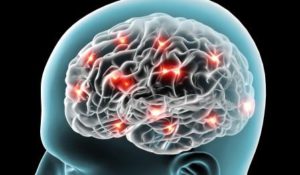
Nauseous in the evenings: reasons for what to do
The causes of nausea in the evening are considered to be gastrointestinal ailments (dyspepsia, poisoning). An attack of lightheadedness indicates a disorder of the heart, central nervous system, a side effect of drugs. In the evening, at night, the human body starts various metabolic processes, the body is renewed in a dream. People experience bouts of nausea in the late evening.
Content
- 1 How to recognize nausea
-
2 Causes
- 2.1 Disease of the digestive system
- 2.2 Central nervous system disease
- 2.3 Nausea with colds and flu
-
3 Pregnancy state
- 3.1 Causes
- 3.2 What to do
-
4 Nausea in children at night
- 4.1 Causes
- 4.2 What to do
-
5 Treatment of seizures at night
- 5.1 How to relieve an attack of nausea
- 5.2 Taking medicines
How to recognize nausea
Nausea is an uncomfortable feeling associated with the need to vomit. Symptoms are accompanied by: pallor of the skin, slight weakness, dizziness, palpitations, sweating. An attack of lightheadedness is the result of afferent stimulation (associated with increased tension of the parasympathetic system, transmitted to the center of vomiting in the core), often preceding vomiting.
Vomiting is the emptying of the stomach through an uncontrolled contraction of the diaphragm. A person has a gag reflex, which causes the diaphragm to contract. For a person to vomit, a chain must work: stimulus - signal of receptors - nerve center of the brain. An irritant can be a heavy dinner (overeating), experiencing stress, and strong odors.
Causes
The causes of malaise are diseases of the digestive, nervous system of a person, toxicosis of women during pregnancy. It is not worthwhile to independently figure out why sudden sharp nausea occurs - time is wasted, the patient's condition is aggravated. It is important to seek medical attention immediately.
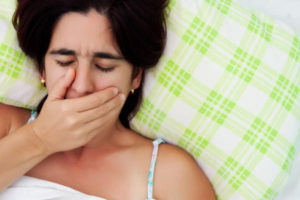
Disease of the digestive system
Evening, nighttime nausea with subsequent vomiting is aimed at emptying the stomach, the reason lies in non-compliance with the diet (attacks appear after eating), poisoning. It can signal the presence of diseases of the digestive system. If a person suffers from gastritis, has a spasm, a stomach ulcer, vomits after eating excessively acidic food in the late afternoon (digestion processes decrease), with an exacerbation of the disease. In the latter case, the symptom is accompanied by pain in the stomach, heartburn, and disappears with exacerbation.
Liver disease provokes vomiting. If a person is not worried about pain in the area of the organ, but the appetite is lost, bitterness is felt in the mouth, the color of the skin has changed, the liver should be checked.
Renal failure, kidney cancer, and gallbladder disease can manifest through a feeling of lightheadedness, urine darkens, feces become discolored. If a blunt trauma to the lower back is received, blood will rush to the site of the injury, squeezing of tissues will occur - the person begins to vomit.
Central nervous system disease
Feelings of lightheadedness in the middle of the night occur with violations of the cardiovascular, endocrine, nervous systems. When the pressure inside the skull is increased, the brain is compressed - the cerebrospinal fluid presses. A person feels an attack of lightheadedness in the morning, afternoon. A peculiarity of the reasons is a violation of gait, slight weakness is felt in parts of the body, vision deteriorates. Severe vomiting accompanies traumatic brain injury, contusion, edema, concussion.
Nausea with colds and flu
If a person is infected with a virus of the common cold, flu, the body is poisoned with toxic substances (intoxication). The patient is weakened, experiencing headaches, other symptoms, including lightheadedness. It appears due to the penetration of viruses into the central nervous system, leads to a malfunction of the heart, blood vessels, causes nausea, vomiting.

Do not try to cure an attack of lightheadedness - get rid of intoxication. Complex methods are applied against the agents of the virus. The body is overflowing with toxins, fluid is lost with vomiting - it is important to drink plenty of fluids.
Pregnancy state
The early stages of a woman's pregnancy (less often, the entire pregnancy) complicates a painful condition (toxicosis), accompanied by nausea. Common complaints of a girl in the first trimester are: woke up in the middle of the night - “stirs up”; maybe feel bad in the evenings, at night, it is difficult to sleep, I often wake up from discomfort in the throat and stomach.
Causes
Scientists associate toxicosis with hormonal changes during pregnancy. The feeling of faintness happens in the morning, before going to bed, is more acute with double, multiple pregnancies.
Causes:
- The fruit is female.
- First pregnancy.
- Hereditary predisposition (mother, sister suffered from toxicosis).
- Seasickness.
- Before pregnancy, there were frequent migraines.
- The use of birth control pills.
- Frequent stress, anxiety.
- Obesity.
- The young age of the pregnant woman.

What to do
In the first trimester, mild malaise is permissible in women; treatment is not required. The condition will improve if:
- Eat food often, in small portions.
- Include ginger in the diet.
- Drink frequently, in small portions, to avoid dehydration (two liters a day).
- Massage your wrist.
- Relax. Fatigue during pregnancy is manifested by nausea.
- Take herbal medications (after medical advice!).
Such a condition in the early stages should not be underestimated: against the background of toxicosis, inflammatory processes take place. See your doctor immediately if:
- The urine is dark, the pregnant woman has not urinated for more than eight hours.
- Stomach pain.
- Heat.
- Painful urination.
- Headache.
- Yellow skin.
Nausea in children at night
Parents are most concerned about childhood ailments. Nausea, vomiting at night (in the evening) are common symptoms among preschoolers. The condition of the baby should be closely monitored.

Causes
Causes of prolonged vomiting in children:
- Viral, bacterial infection. If a harmful microorganism has entered the child's stomach, the baby loses its appetite, feels pain in the abdomen, and the temperature rises to 39 degrees and above. Vomiting usually stops within 12-24 hours.
- A symptom of a respiratory infection.
- Motion sickness. Children are prone to motion sickness when sitting in the back seat.
- Poisoning. A preschooler can vomit if a toxic substance, plant, medicine, chemical is swallowed.
What to do
Stay cool, do not panic: children feel the parent's anxiety, panic afterwards, exacerbating the situation. There are a number of recommendations for actions in case of vomiting in a child:
- Do not leave alone: while sleeping, the child may choke on vomit.
- Tilt the child, supporting the forehead with one hand, the other - the torso, to secure disposal of vomit.
- Let the baby rinse his mouth with boiled water: the acid in the vomit can damage the enamel of the teeth.
- Rinse your mouth with cool water periodically.
- Give your child small amounts of water, teas, and irrigation fluids between attacks.
Treatment of seizures at night
If the patient's condition does not improve, seek medical attention, otherwise dehydration will occur. The following are guidelines to help a person get rid of nausea and to make them feel better before the doctors arrive.
How to relieve an attack of nausea
Methods to help weaken the intensity, power of the disease:
- Deep breathing. Inhalation is carried out through the nose, the abdomen expands with inhalation. Exhale the air evenly, repeat the action.
- Eat Dry Crackers - Help absorb stomach acids. Crackers are interchangeable with dry toast, white rice.
- Drink plenty of fluids (ginger drink, peppermint, clove tea, water, fennel, suck on ice to stay hydrated).
Taking medicines
An antiemetic drug is prescribed by a doctor after discovering the true cause of the seizures. By the mechanism of action, drugs are grouped. An ignorant patient will harm by choosing the wrong medicine. Among antiemetic drugs, there are:
- Blockers. Prescribed for prophylaxis, treatment after radiation sickness, chemotherapy; due to side effects of medications; anesthesia; disorders of gastrointestinal motility.
- Centrally acting drugs. Affect the vomiting center, blocking receptors: no signal - no gag reflex.
- Double-acting drugs. They are aimed at enhancing the peristalsis of the gastrointestinal tract, and are prescribed for children.
- Local anesthetics. They are used in cases of instrumental examinations of the gastrointestinal tract to block the receptors of the root of the tongue, gastric mucosa.