Vomiting in a baby: reasons for what to do
Among the numerous symptoms of diseases, vomiting is an alarming signal - the baby's body is not in order. There are many causes of vomiting. Monitoring the child's condition will help identify the root cause of the disease, cure, and prevent the baby's illness.
The gag reflex in young children signals health problems. Adequate treatment must be prescribed. Delay will lead to dehydration, dangerous to the health of the baby. The younger you are, the faster you seek medical attention. This is important for nausea in a newborn.
The parent must understand when vomiting is not a dangerous condition that does not harm the baby, and when it is necessary to see a doctor.
Content
-
1 Difference between regurgitation and vomiting
- 1.1 Regurgitation
- 1.2 Vomit
-
2 Causes
- 2.1 Lure
- 2.2 Transfer to a new mixture
- 2.3 Excess nutrition
- 2.4 Poisoning
- 2.5 Hygiene
- 2.6 Intestinal infections
- 2.7 Viral and infectious diseases
- 2.8 Foreign object in the digestive tract
- 2.9 Appendicitis
- 2.10 Concussion
- 2.11 Neurology
- 2.12 External stimuli
- 3 What to do?
- 4 Recourse
Difference between regurgitation and vomiting
In infants, due to the immature digestive system, regurgitation occurs. This is not a dangerous condition for an infant, in contrast to vomiting, which is harmful to health. Let's figure out the difference between the concepts.
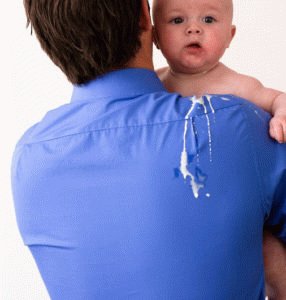
Regurgitation
Baby regurgitation is the natural flow of a small amount of food eaten from the stomach. Occurs after feeding for half an hour. Regurgitation is characterized by:
- Occurs after eating;
- The behavior and condition of the baby does not deteriorate;
- The amount of regurgitation is small;
- Once;
- No gag reflex;
- Discharge from the stomach without pressure;
- Milk, water, curdled masses are poured out.
Regurgitation is prevented if the baby is not overfeeded, after eating, do quiet games.
Vomit
Involuntary discharge through the oral cavity of stomach fluid to the outside - vomiting. A characteristic external marker that signals a threat to the body. The following symptoms are typical for vomiting:
- Occurs at any time, does not depend on food intake;
- The child's behavior is restless, he is moody, the condition worsens;
- Large volume expelled by the stomach;
- Repeatedly;
- Vomiting reflex;
- Stands out with a fountain, sharply;
- Vomit with an unpleasant odor, unnatural color;
- Concomitant symptoms appear - fever, diarrhea, pain.
Have you diagnosed nausea in your child? We are trying to find out the causes of the pathology, further actions.
Causes
Depending on the nature of vomiting in an infant, the degree of danger to life and health differs. A single discharge of stomach contents, without accompanying symptoms, indicates imperfect digestion of the newborn and does not pose a threat to health. No medical intervention required.
Rarely does nausea occur without accompanying deviations. Diarrhea, an increase in body temperature above 38.5 degrees, and heavy breathing are considered especially alarming signs. Repeated vomiting with aggravated signs of deteriorating health can lead to dehydration.
The main causes of vomiting in infants:
- Lure.
- Transfer to a new mixture.
- Excess nutrition.
- Poisoning.
- Hygiene.
- Intestinal infections.
- Viral and infectious diseases.
- Foreign object in the digestive tract.
- Appendicitis.
- Concussion.
- Neurology.
- External stimuli.
Lure
To avoid food rejection when introducing complementary foods into the diet, follow the recommendations of the pediatrician. The baby needs to be fed with fresh, high-quality products, carefully processed, ground.
If, after the first test of a new type of complementary foods, the baby vomited, the digestive system is not ready for unusual food. It is worth postponing complementary foods for a month. Resume complementary foods after a week, in a smaller amount. If you experience allergic reactions to a specific type of product, you should consult your pediatrician.

Transfer to a new mixture
When changing the mixture, the baby's body reacts with nausea, allergies, and a change in stool. Vomiting occurs after feeding with a new formula - a reaction to getting used to the old formula. It is necessary to abandon the introduction of a new type of mixture and choose a suitable one, together with the pediatrician. The new mixture is introduced gradually from 10 milliliters.
Excess nutrition
For children of the first year of life, organizing feeding is an important responsibility of parents. Food helps babies grow healthy. Overeating does not promote energy, activity.
If a month-old baby after breastfeeding immediately develops a single nausea, the reason is overeating. The crumb is crying, bending over.
When part of the food is rejected from overeating, it is required to reduce portions. After eating, try not to shake or bathe the child.
Poisoning
The main reaction of the body in case of poisoning with poor-quality food products, medicines is to remove the poison from the stomach so that it does not enter the bloodstream. You need to induce nausea. You cannot get rid of toxic substances without vomiting. Vomiting should arise as an aid to poisoning. The condition quickly deteriorates, diarrhea, weakness, and moods appear. In case of poisoning, intestinal infection, vomiting is yellow.
The baby needs to be offered some water every ten minutes, first in small portions, bringing to 30 milliliters. To remove toxins, an adsorbent preparation is given. Then we go to the doctor.
Hygiene
Failure to comply with the hygienic nutritional standards of children causes food wastage. It is important to follow the rules of hygiene.
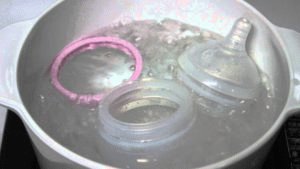
With artificial feeding, after the mixture is thoroughly washed, the bottles are boiled. Wash hands, kitchen surfaces, utensils before preparing the mixture.
When breastfeeding, a lactating woman should eat right, feed the baby with a clean breast. After breastfeeding, the breast is washed.
When breastfeeding, mom should not eat allergenic, harmful foods. The health and immunity of the baby depends on breast milk.
Intestinal infections
An intestinal infection is similar to poisoning. Symptoms are similar - fever, liquid diarrhea, severe vomiting. Do not treat your intestinal infection at home, call your doctor. Due to the loss of fluid, the child's condition worsens, frequent nausea worsens the situation. The infection covers new areas of the body. In a hospital, a drip can be used to compensate for lost water from the body. The treatment will help to neutralize harmful bacteria, improve the condition of the little patient.
Viral and infectious diseases
The eruption of food debris is caused by a variety of infections, viruses. The child looks sick, does not eat, sleeps a lot, has fever. Temperature is a consequence of infectious, viral diseases.
To determine the treatment, type of disease, we go to the hospital.
Foreign object in the digestive tract
If vomiting occurs without impairing health, the likely cause is swallowing of a foreign object. It often occurs in a seven-month-old child when there is an energetic cognition of the external world. Muscle contraction causes nausea, blood and mucus are present in the expelled masses.
You need to call an ambulance when, with the help of the expulsion of the contents of the stomach, it was not possible to push the foreign object out, the baby began to choke.

Appendicitis
Vomiting is common with appendicitis. Occurs abruptly, occurs infrequently. Lethargy, weakness, pain, nausea appear. The parent of the baby does not independently diagnose appendicitis, only with additional medical research. You need to see a doctor.
Concussion
When the baby rolls over, he tries to consider everything, injuries are possible. Often a five-month-old baby has a concussion. If, during the fall, the baby vomited, the baby cries for a long time, has lost consciousness, call an ambulance.
Neurology
With neurological disorders, the baby often cries and vomits. If, during a planned visit to a pediatrician, it was advised to consult a neurologist, you should not neglect the advice. Neurological diseases are accompanied by:
- rejection of what has been eaten;
- excitability, lethargy;
- muscle tone;
- convulsions, tremors.
It is worth starting treatment from the first months of life, increasing the chances of recovery.
External stimuli
Vomiting occurs due to external irritants. Swallowing air when screaming, force-feeding contribute to this reaction. When motion sickness in transport, the baby is sick, he will vomit. With sunstroke, the consequence of overheating is nausea. Teething is not asymptomatic and is accompanied by the eruption of food debris.
What to do?
The parent must understand the response to food rejection prior to going to a health facility. Initial help for the baby:
- Put the patient on one side or hold upright.
- After vomiting, clean and ventilate the room.
- Rinse mouth with water.
- Be calm, collected.
- Leave vomit - show a doctor.
- Give a drink in a small spoonful at short intervals.
How long should you give the liquid? Boiled water is brought in every five minutes. If not treated in time, complications will arise - dehydration, loss of body weight, blockage of the airways with vomit.
Recourse
Nausea is an alarming symptom that requires medical attention. An ambulance is called for symptoms:
- Prolonged crying.
- Repeated rejection of food.
- Falling from height.
- Heat.
- Blood in vomit.
- The kid does not accept food or drink.
- Frequent diarrhea.
- No stool, no urine.