
Why the stomach is swollen and gas often escapes: what to do to normalize the intestines
Various pathologies of the gastrointestinal tract are a frequent occurrence among the population. This is due to the way of life, the quality of the consumed products. Gas in the abdomen is a common symptom of malnutrition or a pathological process in the digestive system. The accumulation of gases can form in the small and large intestines and causes obvious discomfort when the volume reaches 600 cubic meters. cm.
Flatulence is common in men and women, as well as in newborns. There are many reasons for the pathological condition. Having established the source, you can easily eliminate the symptom.
Content
-
1 Causes of gas formation
- 1.1 Eating disorder
- 1.2 Other causes of flatulence
- 1.3 Pathological processes
- 2 Symptoms
-
3 Diagnostics and treatment
- 3.1 Treatment
- 3.2 Folk recipes
- 4 Methods for eliminating gassing
- 5 Preventive measures
Causes of gas formation
Gas formation is a natural process. This happens due to the swallowing of air when eating and as a result of the vital activity of microorganisms. Gas leaves naturally - through belching, or through the intestines. At the same time, the person does not develop symptoms that cause discomfort.

With a large accumulation of gases and problems with their discharge, a person feels bloating, pain and a number of other unpleasant symptoms. The involuntary release of gases brings psychological discomfort. In this case, it is necessary to find the causes of this condition and, if possible, eliminate them.
Eating disorder
One of the most common causes of increased gas formation is considered to be unhealthy diet and the use of foods that can provoke flatulence. The use of:
- Foods high in coarse fiber. This category includes legumes, tomatoes, onions, turnips. Increased gas production occurs from the consumption of cabbage.
- Fermentation-enhancing products - pastries. It can also swell from black bread, since it contains malt.
- Products containing gluten. This group includes sausages, cereals, sauces.
- Dairy products for lactose intolerance.
The increased discomfort can be caused by the use of sweets - chocolate, sweet lemonades.
A common reason why the stomach is swollen all the time, gases are collected and constantly emitted - swallowing excess air. This problem is common in newborn babies, but it can also occur in adults. A large amount of air is swallowed during accelerated eating, talking while eating.
Digestion is disturbed by overeating, eating fatty, spicy foods. Fatty food is digested for a long period, the stomach remains full for a long time.
Other causes of flatulence
In addition to nutritional gaps, gas production can cause stress and emotional strain. The nervous system controls the body's processes. If its work is disrupted, the functioning of the digestive system becomes difficult, which leads to various disorders, including flatulence.
Often, gases are formed and do not leave due to dysbiosis. With prolonged antibiotic treatment, the intestinal microflora is disturbed, which leads to unpleasant phenomena in the form of constipation, diarrhea and bloating.
Women often have a puffy belly in late pregnancy, when the enlarged uterus presses on the intestines and makes it difficult for it to work.

If the stomach swells from improper nutrition or stress, the phenomenon is easily eliminated. It is enough to adjust the diet and stabilize the psycho-emotional state - the problem will go away. If flatulence is tortured and does not respond to treatment, you need to consider other possible causes of the phenomenon that pose a real threat to health.
Pathological processes
Frequent bloating of the intestines indicates pathological processes in the organs of the gastrointestinal tract. In addition, the patient may experience other symptoms: nausea, vomiting, diarrhea, constipation, stomach pain. Signs may indicate the following conditions:
- Acute intestinal infection. With the disease, bloating is not the main and obligatory symptom, but it is common.
- Cirrhosis of the liver.
- Pancreatitis is a disease of the pancreas. The pancreas produces enzymes that aid digestion. If the organ malfunctions, the lack of enzymes leads to the processes of abundant gas formation.
- Gastrointestinal pathologies are accompanied by intestinal disorders. Chronic or acute disease of the digestive system provokes flatulence.
- Benign intestinal mass.
- Enteritis is an inflammatory process in the mucous membrane of the small intestine. Typical signs of the disease are: flatulence, abdominal sounds, diarrhea.
- Oncological diseases.
- Parasites in the intestines and their waste products can cause constipation, diarrhea, and increased gas production.
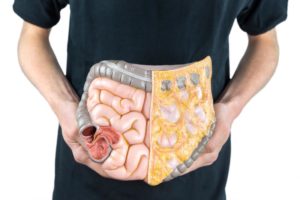
A large number of diseases are accompanied by increased gas production. A person hesitates to visit a doctor, attributing the symptom to nutritional gaps. But it will be difficult to stop bloating without medical attention if it is caused by a pathology.
Symptoms
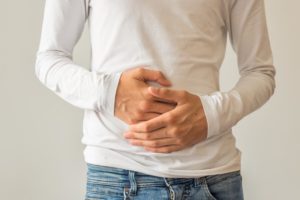
Regular increased gas production is a symptom of pathology. Additional signs may indicate a particular disease:
- Heaviness in the abdomen.
- The appearance of a characteristic sound.
- The patient suffers from severe cramping pains.
- Nausea and urge to vomit. With serious pathologies, unnatural impurities are present in the masses.
- Heartburn and belching with a pungent odor.
- Malaise and weakness in the muscles.
- Stool disorder such as constipation or diarrhea.
- Temperature increase.
The list of symptoms is not exhaustive. A person may have other clinical signs, which should be the reason for contacting a medical institution.
Diagnostics and treatment
If symptoms appear, you should consult a gastroenterologist. The doctor will determine the cause of the phenomenon using modern diagnostic methods. The doctor will give a referral for laboratory tests of the patient's blood, urine and feces. According to the results of the analyzes, instrumental diagnostics can be assigned:
- Colonoscopy of the rectum will assess the condition of the mucous membrane and take material for research, as well as remove benign neoplasms during the procedure.
- FEGDS is a procedure in which the mucous membrane of the stomach and duodenum is examined with the help of a tube.
In addition, the doctor can give referral for ultrasound. Ultrasound examination of the digestive system will reveal chronic and acute diseases.
Treatment
Treatment for flatulence is to eliminate the disease or factors that triggered the bloating. First of all, the patient is prescribed a strict diet that excludes foods that cause gas accumulation.
Probiotics and prebiotics are recommended to restore microflora.
Antispasmodic drugs will help to stop the pain.
Antifoaming agents, adsorbents will quickly eliminate the symptom. Medicines will help remove excess gas from the stomach and intestines, but will not cure the underlying disease.
To treat increased gas production, you can use enzyme preparations that improve digestion. The medicine of this group is often prescribed for pathologies of the gastrointestinal tract.
Folk recipes
You can get rid of gas in the stomach with the help of folk methods. Traditional medicine is effective if the symptom is not caused by severe pathology. If you suspect a disease, it is better to consult a doctor.
If flatulence is caused by stress or improper diet, decoctions and infusions containing herbs will help:
- Mint, chamomile and caraway tea is an effective remedy for flatulence. Raw materials in equal proportions are brewed with boiling water and infused overnight in a thermos. You need to take a drink before meals.
- The heaviness and bloating in the stomach will eliminate the basil drink. The leaves of the plant are filled with boiling water and infused for 15 minutes. You need to drink tea after meals, a few sips.
- Infusion of sage and anise can help with bloating. The ingredients are mixed in equal proportions and poured over with boiling water. In small portions, the drink is taken orally before meals.
There are many traditional medicine to combat the disease. If the alternative method of treatment does not help, you must consult a doctor for the appointment of drug therapy for the disease.
Methods for eliminating gassing
To get rid of bloating, you need to release gases from your body. To do this, you can use the recommendations for eliminating bloating at home:
- You can remove the bloating by taking the position - lying on your stomach, placing a pillow under the abdominal cavity. This posture will help you get rid of excess.
- If gas has accumulated in the abdomen, stroking the abdomen in a circular motion clockwise will help to move towards the exit.
- If the gases are not escaping, the surest way to deal with the problem is to install a flue pipe. It is inserted through the anus to a depth of thirty centimeters, then the person is turned over on his stomach. The gases are escaping.
If the stomach is swollen, and the listed methods of eliminating gas from the intestines do not help, you need to consult a doctor for prescribing medications.
Preventive measures
If diseases are excluded during the examination, you can do exercises that normalize blood circulation and peristalsis. For a normal digestion process, you need to do simple exercises to strengthen the abdominal muscles.
It is important to adjust your diet - to exclude from the menu dishes that are not recommended for this pathology. For a while, it is better to give up bread, fatty and spicy foods.
It is recommended to exclude bad habits and completely remove ethanol-containing drinks from the menu.
If bloating occurs regularly, and gases accumulate for no reason, you should not focus on eliminating gas formation. You need to visit a doctor and undergo a complete examination of the gastrointestinal tract. Timely treatment of pathological processes will prevent an unpleasant phenomenon.


