Sigmoid colon: where it is located and how it hurts
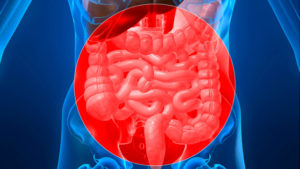
This is the department colonconnecting the descending colonic region with a straight line. The size of this intestine varies greatly from person to person - from a few centimeters to half a meter in length and 4 cm in thickness. The sigmoid colon is very mobile, so it can be located differently in different people, but more often it is located in the lower abdomen on the left. In women, this interior is located behind the uterus, and in men, it is located behind the bladder.
No food is digested in the sigmoid colon. This section is intended for the absorption of fluids and vitamins, here the formation of feces is completed.
Content
- 1 Why does the sigmoid colon hurt?
- 2 Symptoms of sigmoid colon disease
- 3 Causes of the disease
-
4 Treatment
- 4.1 Diet
- 4.2 Unconventional treatments
- 5 Other diseases of the sigmoid colon
- 6 Prophylaxis
Why does the sigmoid colon hurt?
Inflammation of the S-shaped section is a fairly common phenomenon. In its anatomical structure, the sigmoid part of the intestine is similar to the Latin letter S (hence the name). Due to the large number of bends, fecal masses are retained here, which leads to intoxication and inflammation. It occurs for several reasons:
- Infection. Various types of bacteria in the intestines begin to multiply, causing intoxication and inflammation. The mucous membrane of this section is very sensitive to toxins, erosion and ulcers can appear on it.
- Intestinal ischemia. When blood circulation is impaired in the intestine, plaques form, and inflammatory processes begin.
- Dysbacteriosis. With this disease, the work of the entire insides is disrupted. Pathogenic bacteria outnumber beneficial bacteria, cause intoxication and inflammation.
- Radiation sickness.
- During pregnancy, this section is squeezed, which leads to inflammation.
Symptoms of sigmoid colon disease
The most common disease of the sigmoid region has become sigmoiditis. The most common symptom is a sharp pulling pain in the left lower abdomen. The pain radiates to the left side or leg. Because the anatomical structure of the sigmoid colon does not imply a permanent location, then pain can appear in an unexpected place.
With sigmoiditis, constipation, diarrhea with increased pain after a bowel movement, belching (and even vomiting), and bloating appear. The pain increases with palpation. The doctor easily detects this section during palpation. The disease can vary in degree of neglect:
- Catarrhal - inflammation is localized on the upper layers of the mucous membrane and does not penetrate deeper. This type of sigmoiditis does not cause any complications, it is easily treated with medication.
- Erosive. In this case, the lower layers of the mucous membrane become inflamed, erosive foci appear that can bleed. The patient suffers from pain in the lower abdomen.
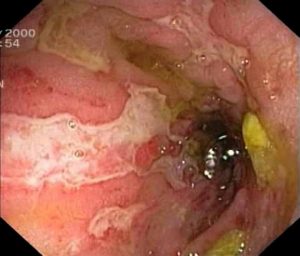
Sigmoid colon disease
- Ulcerative. With this inflammation, the entire mucosa is affected with muscle damage. Ulcerative foci constantly bleed and even severe bleeding may occur.
- Perisigmoiditis. The intestine is inflamed throughout its thickness, often through inflammation appears. Adjacent parts of the intestine grow together with adhesions, which reduces its peristalsis. Due to adhesions, inflammation quickly spreads to the entire abdominal cavity.
Causes of the disease
An ailment of the sigmoid region often indicates a violation in the functioning of the gastrointestinal tract. It is very rare as an independent disease. The causes of inflammation of this part of the intestine are very diverse:
- Individual features of the intestinal structure (the number of bowels bends in each person individually). Feces pass poorly along the winding paths of the intestine, causing intoxication and inflammation.
- Inflammatory processes in the intestines
- Dysbacteriosis.
- Chronic constipation of various manifestations.
- During pregnancy, the uterus strongly compresses this insides, which causes stagnation of fecal masses, and sigmoiditis may appear. In women, inflammation in the small pelvis is often transmitted to all departments, because adhesions often occur here.
- High blood cholesterol, low vascular tone, poor blood circulation.
- Abdominal trauma.
- Surgical interventions that could cause damage to the intestines.
- Irradiation.
Treatment
Surgical intervention - this type of treatment is rarely used when tumors are found in the sigmoid region or a strong bend.
Treatment with drugs is carried out under the supervision of a physician. If the patient's well-being worsens, hospitalization is carried out, followed by surgical intervention. Depending on the nature of the inflammation, various medications are prescribed:
- Antibiotics - to eliminate inflammation caused by bacteria
- Adsorbents - to remove toxins;
- Antispasmodics will eliminate the spasm of the intestinal muscles;
- Means to reduce puffiness;
- Enzymes for digesting food;
- Probiotics - to normalize microflora;
- Anti-inflammatory drugs.

The drugs are prescribed in the form of tablets or rectal suppositories and microclysters. With a neglected form, the patient is prescribed droppers with glucose.
Treatment of diseases lasts more than one month, and often requires a second course. In drug therapy, a prerequisite is adherence to a diet.
Diet
It is able to prevent and cure intestinal diseases, it is prescribed to restore the body, stop inflammatory processes, and enrich the body with nutrients. For a favorable outcome of treatment, you need to follow it. It is forbidden to eat fatty, fried and spicy foods, flour products (can cause fermentation).
The diet includes: fresh fruits and boiled vegetables, dried fruits and compotes from them, boiled low-fat fish, boiled or steamed dietary meat (rabbit, veal, chicken), bread containing coarse fiber (it will improve intestinal motility and accelerate release).
All foods that can cause gas formation are excluded from the diet: cabbage, cucumbers and radishes, fried eggs, soups on fatty broth and fresh bread, pasta and carbonated drinks, sausages or sausages, sweets, fresh vegetables, milk. In remission, nutritional requirements can be relaxed.
When you stop following the diet, the disease returns. The patient must watch out for food throughout his life.

Unconventional treatments
Together with the drug method, non-traditional types of treatment are used. If the diagnosis is confirmed, it is proposed to treat the disease with a decoction of chamomile, rose hips and plantain (herbs are sold at the pharmacy). Medicinal herbs are either applied alone or used as a mixture.
Other diseases of the sigmoid colon
Diverticulosis is a disease characterized by a thickening of the sigmoid wall or its protrusion. This malaise occurs in old age in people over the age of 60 (less often in young people). The symptoms are:
- Frequent blurry pains in the lower abdomen.
- Nausea and vomiting.
- Constipation.
- Elevated temperature.
The patient may not be aware of the presence of the disease before the onset of the acute phase. There are three forms of the disease:
- Sluggish;
- Sharp;
- Complicated.
With a mild form of diverticulosis, a diet with plenty of fluids and antibiotics are prescribed. With advanced forms of the disease, hospitalization and surgical intervention are prescribed.
Polyps are glandular growths that are found on the intestinal mucosa. They do not show themselves in any way. With a large accumulation of them, the patient complains of abdominal pain and diarrhea. When diagnosing polyps, surgical removal is prescribed. After recovery, the patient is regularly examined for the condition of the intestines. After the operation, a diet high in fruit is prescribed. It is forbidden to eat fatty, fried and spicy foods.
Cancer - with an accumulation of polyps and an advanced form, the tumor turns into a malignant form. Diagnostic methods:
- General analysis of urine and blood;
- Coprogram;
- Colonoscopy.
Only surgery can cure oncology.
Prophylaxis
Compliance with the rules of a healthy diet helps to prevent the onset of disease. Including enough plant fiber and fluids in your diet will help avoid digestive problems. The number of meals should not be less than three, but it is better to eat 4 times a day in small portions. This will help avoid intestinal overload and bloating.
A person should become familiar with the symptoms of diseases of the sigmoid colon and seek qualified help in time.