The cecum: where it is located and how it hurts
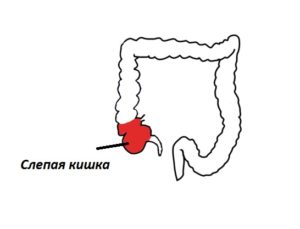
The appearance resembles a pouch, reaching a length of 9 cm and a width of 8 cm, which fills the ileum of the large intestine on the right side.
Normally, it is surrounded by the peritoneum on four sides, the indicated location is called intraperitoneal, but it can be covered with it on three sides. The back wall is in contact with the muscles of the abdominal region. It takes a hemispherical shape, but there are cases when rare species are found - conical, bag-shaped.
Content
-
1 The structure of the cecum
- 1.1 Ileocecal angle
- 1.2 Appendix
- 2 Cecum function
-
3 How the cecum hurts
- 3.1 Colitis pain
- 3.2 Pain with appendicitis
- 3.3 Crohn's disease
- 3.4 Pain with diverticulosis of the cecum
- 3.5 Cecum cancer pain
The structure of the cecum
Represents the first section of the large intestine, begins immediately after the small intestine. In rare cases, it rises and takes place at the lower edge of the liver. On the front side, it is covered with an omentum, in the bag of which pus accumulates in case of malfunctions. Consists of the appendix (appendix) and the ileocecal valve. It takes part in the digestion of food, sucking in excess liquid from the food lump, and the appendix performs a function that protects against foreign bodies. The lower body has a low pain tolerance, pain in the cecum often seems insignificant, but the sensation is deceiving.
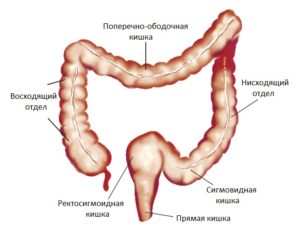
Divisions in the colon
Ileocecal angle
It is called an angle, since it is the junction of the ileum and the cecum. Contains an ileocecal valve (sphincter). Its function is to propel food towards the large intestine and prevent it from being thrown back into the small intestine. The valve protects the small intestine from bacteria growing in the large intestine.
Appendix
In common parlance, it is called the "appendix" due to its peculiar appearance, another version of the name "peritoneal amygdala". When filled, the length reaches 15 cm, in diameter no more than 1 cm. It is generally accepted to consider the appendix as a rudiment, but the belief is easily refuted by the fact: when removing the vermiform appendix in a child has difficulties with the formation of immunity and the reproduction of a healthy microflora.
There is no method for treating the appendix; if inflammation is detected, the only solution is surgical intervention to remove it. The location of the appendix varies depending on the anatomical structure of the intestine.
Cecum function
It takes not the last place in the intestinal structure due to its direct participation in the digestion of the liquid component of food. This function cannot be called irreplaceable. Work intersects with functions colon, which easily performs a substitute role when the need arises. Due to the inside of the Lieberkun glands (crypts), which produce cells for the villi, the surface of the intestine is lined with a mucous membrane, which helps the chyme to move along the intestinal path.
The appendix will not become a direct participant in digestion, but this does not diminish its "merits" in the work of the body. In the thickness of the specified process are follicles that protect the internal environment of the body from the effects of foreign agents. This is not just a container in the form of a "bag" for collecting garbage that cannot be digested, it is truly the guardian of human health. For centuries, Russian and foreign physicians have downplayed the importance of the appendage due to insufficient knowledge about the processes taking place inside. But the importance of the immune function of the appendix is difficult to overestimate.
How the cecum hurts
A rare person will be able to immediately determine where the blind part of the intestine is located and how it manifests itself, what kind of pain it causes. Normally, there is no pain. The presence of discomfort indicates a clear disturbance in digestion or other internal process. Determining the diagnosis is 80% of success, so it is worth analyzing the disturbing symptoms.
Colitis pain
Colitis is common because it is easily provoked by the average person's living conditions. Inflammation occurs, damaging the mucous membrane of the cecum. During an attack, pain jerks from one place to another, while not having the character of an easily established relationship in the area of manifestation. Causes:
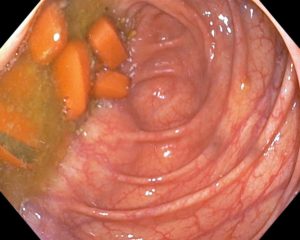
Colitis of the cecum
- Infectious diseases;
- Medicinal intoxication (long course of antibiotics);
- Ulcers on the walls of the cecum;
- Poor blood flow in the intestines;
- Receiving a dose of radiation exposure;
- Dysbacteriosis;
- Helminthic invasion;
- Allergy;
- The causes of unclear genesis are nonspecific colitis.
Pain with appendicitis
Inflammation of the appendix is called appendicitis and exhibits pronounced symptoms:
- Acute pain in the navel with a transition to the right into the iliac region (aggravated by tension of the abdominal wall through walking or coughing);
- Lack of appetite;
- Nausea, vomiting);
- Frequent painful urination
- Severe chills;
- Low heart rate and low blood pressure.
The disease has an alarming symptom - a change in the color of the skin towards their lightening, followed by the acquisition of a bluish tint. Flaking or profuse rashes may appear in several areas at once.
Crohn's disease
Granulomatosis affects the small intestine and gradually spreads to each section of the large intestine. The caecum hurts crampingly, the pain is localized on the right side and occurs immediately after eating. The weakening of pain occurs after a bowel movement. Flatulence, diarrhea, the presence of blood in the stool and an increase in body temperature up to 38 degrees are recognized as pronounced symptoms. A long period of illness leads to weight loss. The causes of the disease are not well understood, the most probable are genetic predisposition, activation of the body's autoimmune activity, or the consequences of infections.
Pain with diverticulosis of the cecum
Part of the intestinal wall protrudes due to inappropriate nutrition, overeating, physical inactivity and obesity. These manifestations are easy to avoid for people with an active lifestyle. With obesity, the risk of diverticulosis in the cecum increases many times. The left side of the abdomen is affected by pain that does not stop after the act of defecation, the right half of the abdomen is covered. The patient suffers from constipation, flatulence and a permanent increase in body temperature (from 37 to 38 degrees).
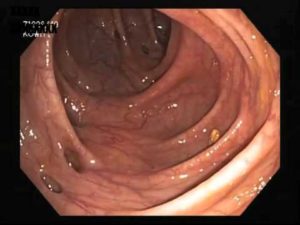
Diverticulosis of the cecum
Diverticula are divided into:
- Congenital (formed in the womb);
- Acquired (a direct consequence of a person's lifestyle).
Cecum cancer pain
A terrible disease of the cecum affects 10% of people. More often men suffer from ailment in this area. Cancer is not sufficiently studied by official medicine, it is impossible to declare with certainty about its sources. It is generally accepted that most often cancer causes:
- Foods with excessive amounts of animal proteins and refined fats;
- The presence of bad habits (alcohol consumption, smoking, drug addiction);
- Sedentary lifestyle (physical inactivity);
- Lifetime drug abuse;
- Constant emotional stress (stress);
- Work in hazardous production;
- Hereditary predisposition;
- Metabolic processes in the presence of excess body weight.
Cancer symptoms of the last stages (from third to fifth) are noticeable and severe. With cancer, a person feels constant pain in the stomach region, radiating to the right side, which can periodically change its character and intensity. Against the background of these factors, weight loss occurs, signs of intoxication appear. In the initial stages, the intestines may not hurt.
Since the disease is irreversible and rapid, it is necessary to see a doctor if at least one symptom appears. Constant pain signals a deep and permanent malfunction in the body. Diagnosis of cecum cancer is carried out by methods of palpation (the intestines are felt), auscultation (the sounds of organ functioning are heard) or percussion (the area of the cecum is tapped). These methods are ways to analyze the presence, size and condition of a tumor, the presence of fluid or murmurs in the abdominal cavity.
Pain and trouble with the cecum can be easily avoided by following the principles of a healthy diet and lifestyle. It is important not to allow stagnation of feces, to monitor the timeliness of bowel movements.