A child has a stomach ache in the navel area: what to do, reasons
Uncomfortable sensations near the navel in a child will disturb any adult, since the cause may be not just constipation, but a serious illness of internal organs that requires urgent hospital treatment. Often complicating the diagnosis is that the baby, experiencing painful seizures, finds it difficult to explain where it hurts. Therefore, it is important for parents to know which symptoms are dangerous, what to do to prevent the development of serious ailments.
Content
-
1 Causes of abdominal pain in children
- 1.1 External factors provoking painful symptoms in the mesogastrium
- 2 Symptoms accompanying dangerous diseases
- 3 Diagnostic methods for abdominal pain in children
- 4 First aid for pain symptoms in the umbilical zone
- 5 Prevention of painful symptoms in children
Causes of abdominal pain in children
The provoking factors due to which a pain syndrome occurs in the child's mesogastrium are mainly malfunctions of organs and systems located in the indicated zone. Most often, deviations occur in the gastrointestinal tract and urinary system.
Diseases provoking pain in the umbilical zone:
- Colic - cramps in the baby's stomach after eating.
- Bloating is a buildup of gas that causes abdominal pain due to stretching of the intestinal wall.
- Acute appendix is an inflammatory process in the appendix of the cecum. Pulling pain symptoms begin near the navel and radiate to the right side. Rezi is a signal of the danger of peritonitis. Nausea, flatulence, vomiting, bloating, fever appear.
- Volvulus - intestinal obstruction resulting from helminthic invasion, trauma, dysfunction of intestinal motility. Resis appear in the mesogastrium and spread below, gradually intensifying. Defecation becomes difficult, vomiting occurs, the temperature rises, blood pressure drops, the crumb turns pale, lethargy appears. This pathology is treated surgically.
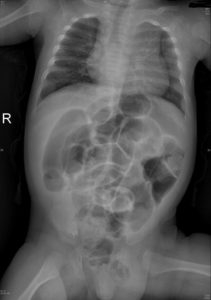
Intestinal obstruction in a child
- Cholecystitis is an acute inflammation in the gallbladder. In addition to a painful attack localized in the central abdominal cavity, the baby has a noticeable darkening of urine, an increase in gas formation, and an increase in temperature.
- Cystitis is an inflammation in the genitourinary system. Characterized by cutting sensations below the navel, high temperature, increased urge to urinate.
- Hepatitis A is a viral infection that causes cramps in the abdominal cavity that radiate to the right. Fever, diarrhea, yellowing of the skin appear.
- Enteritis is an inflammatory process of the mucous membrane of the small intestine, which can cause cramps in the center of the abdominal cavity during the phases of exacerbation of the disease.
- Intestinal hernia - the exit of a part of the intestine through the abdominal wall in the area near the navel due to parasitic diseases, weak muscles, hereditary pathologies. Only a doctor has the right to correct a hernia. Compression of the intestine as a result of pathology or sudden movements leads to severe pain, especially when touched, intoxication develops. An urgent operation is required.
- Gastritis is an inflammatory process in the stomach lining. It is accompanied by severe pain in the center of the abdomen after eating, vomiting, belching, nausea and heartburn. In a teenager, the likelihood of an exacerbation of the disease increases due to improper diet and hormonal changes in the body.
- Small bowel cancer is a tumor that causes excruciating attacks in the center of the abdominal cavity, accompanied by bloating, nausea and vomiting.
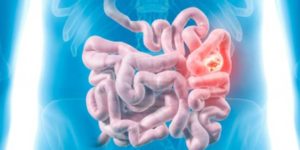
Small intestine tumor
- Helminth infestations - a pain symptom caused by parasites in the intestines. During the acute course of the disease - fever, stool disorder, flatulence, nausea, urticaria.
- An umbilical hernia is a protruding formation in the mesogastrium, the cause is the weakness of the muscles of the abdominal wall in infants. Pathology goes away in children on its own. After 5 years, surgical intervention is required, since the risk of pinching the hernia increases, which will cause cuts in the umbilical region.
- Food poisoning - caused by putrefactive bacteria and provoke painful attacks in the abdominal area, nausea, diarrhea, fever, vomiting.
- Intestinal obstruction - appears as a result of blockage of the intestinal lumen by a swallowed object, small toy or parasites. Characterized by severe cramps in the groin, vomiting of feces, intoxication. Urgent surgical treatment is required.
External factors provoking painful symptoms in the mesogastrium
Adults should understand that the occurrence of painful symptoms in the navel area is associated not only with pathologies of the functioning of the baby's organs and systems. A number of causes of abdominal pain symptoms are external in nature:
- Mechanical trauma to the abdominal cavity.
- Eating food that is not compatible with each other.
- Expired food.
- Long-term treatment with medications.
- Psychological factors (stress, anxiety).

Symptoms accompanying dangerous diseases
When the child has a stomach ache, the parent is obliged to carefully study the history of the ongoing illness. Symptoms indicating a serious pathology in the body of the crumbs and the need to urgently seek help from a doctor:
- Suddenly severe pain in the mesogastric region;
- The abdomen is hard, painful on palpation;
- Nausea, vomiting;
- Cramps when urinating;
- Diarrhea,
- The presence of blood in the stool;
- Lethargy and pallor;
- Heat;
- The appearance of a rash on the skin;
- Headache;
- Cough;
- Lowering blood pressure.

Diagnostic methods for abdominal pain in children
There are many reasons for painful sensations around the navel, as can be seen from the description. To make the correct diagnosis and start treating the baby, you need the help of professionals. Depending on the nature of the symptoms, the examination is carried out in several stages:
Stage 1 - the doctor examines the medical history. It is important to provide doctors with all records of previous illnesses and information about the genetic prerequisites for the occurrence of certain pathologies.
Stage 2 - physical examination, external examination of a small patient to determine the location of pain localization, their nature. At the same time, a rectal examination is performed.
Stage 3 - blood tests. A general blood test is prescribed to determine the level of lead, lipase, amylase, a study of liver function and an enzyme-linked immunosorbent assay.
Stage 4 - urinalysis, revealing an infection in the urinary system.
Stage 5 - analysis of feces for the presence of bacteria, parasites, blood.
Stage 6 - visual examination using devices: X-ray, computed tomography, ultrasound.
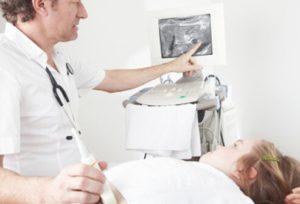
First aid for pain symptoms in the umbilical zone
If the baby has abdominal pain in the navel area, parents are supposed to adhere to the following rules in order to alleviate his condition:
- Lay in a comfortable position, preferably bend your knees, put pillows under your head and legs, and ensure peace.
- After consulting a doctor, give No-shpa in a dosage appropriate for the child's age.
- Do not use other painkillers: with severe pathologies, they will not help, but the symptoms will be distorted.
- Warm and cold compresses in the area of pain are prohibited - this will complicate the course of some pathologies.
- To measure the temperature.
- Examine the skin for rashes, discoloration.
- Feed the baby in reduced portions, do not force him to eat, if there is no appetite or nausea and vomiting is observed, give a little drink.
- Observe stool frequency and contents.
- If an hour has passed, but the measures taken did not help, painful symptoms in the abdomen of the little patient remained, you need to call a doctor. If severe cramps appear unexpectedly and increase the force - it's time to immediately call the ambulance service!
Prevention of painful symptoms in children
Each mother will protect her baby from abdominal disease if she follows simple rules:
- Teach your child to eat in accordance with the daily routine, it is better to divide the meal in half than to give an excess amount at one time that will not be digested.
- A good option is five meals a day.
- Teach your baby to wash his hands thoroughly with soap after the bathroom, outside and especially well before eating, this will prevent infections and parasites from entering the body.
- Enrich your meals with fruits and vegetables. The fiber they contain will prevent constipation.
- Offer your baby enough water throughout the day.
- Eliminate foods with dyes, preservatives, flavors and flavor enhancers from your diet.
- Avoid eating heavy foods before bed.
- If the child has a chronic gastrointestinal disease, strictly follow the prescribed diet.
With pains in the navel area, only the doctor will tell you exactly what caused this. In order to facilitate the well-being of the baby, the parent must provide competent first aid and turn to medical professionals, do not self-medicate unfamiliar symptoms, so as not to harm the health of the little sick! Severe cases require an extended examination of the baby's body to determine the correct diagnosis and treatment.