Intestinal spasm: causes, symptoms, quick home treatment
Anyone in their life has experienced abdominal pain. The intestinal spasm begins in the small intestine and gradually spreads throughout the tract. Every part of the digestive system undergoes sudden contractions. This is an extremely unpleasant situation when the body twists, and the only thought in my head is “it hurts”.
When happen cramping abdominal pain, you cannot dismiss them. Symptoms can signal a simple bowel disorder, sometimes serious health problems.
The human body is designed to cope with emerging difficulties on its own. There are many filters inside the body that help get rid of toxic substances. But modern ecology is poisoned, a mass of toxins are flying in the air, entering the body through the respiratory and digestive organs.
Content
-
1 Toxins and Poisons
- 1.1 Heavy metal salts
- 1.2 Lead
- 1.3 Mercury
- 1.4 Arsenic
- 2 Intestinal infections
- 3 Stress
- 4 Infection with parasites
- 5 Functional disorders
-
6 Symptoms
- 6.1 Abdominal pain
- 6.2 Flatulence
- 6.3 Loose stools
- 6.4 Urge to defecate
- 6.5 Menstrual pain
- 6.6 Abdominal cramps in children
- 7 Fast home treatment
-
8 Medication
- 8.1 No-shpa
- 8.2 Papaverine
- 9 Folk remedies
Toxins and Poisons
Modern industry has created many things to make life easier:
- detergents and cleaners;
- dyes, preservatives;
- non-stick cookware.
The human body has difficulty removing incoming toxins. For neutralization, lymph is in the human body. This colorless liquid travels through the body and collects toxins, and then carries it to the organs responsible for removing waste from the human body: intestines, kidneys. With healthy functioning, the intestines cope with the incoming substances.
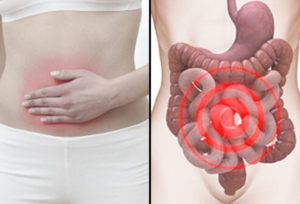
Spasms in the tract indicate organ dysfunction, and, accordingly, the accumulation of toxins inside without being excreted. Poisonous substances are absorbed back into the body, there is a general poisoning.
Heavy metal salts
Heavy metals are dangerous because, once they enter the body, they are not excreted and continue to accumulate, causing a toxic effect.
Lead
It is a sending substance that enters the body through the respiratory system, food. Lead poisoning is manifested by nausea, vomiting, spasmodic pains, colic. Intravenous administration of medications such as tetacin-calcium, pentacin helps to clear the heavy metal.
Mercury
Heavy metal enters the body more easily than it seems. Modern manufacturers began to process grains with mercury, in cosmetics, fish, seafood, there is a metal salt. In case of poisoning with a similar toxin, severe pain in the gastrointestinal tract, nausea occur. If the poisoning is not severe, the intake of activated charcoal, water will help, vomiting should be induced.
Arsenic
This type of toxin is present in small doses in the human body; its deficiency can lead to dysfunctions of internal organs. But an overabundance of heavy metal leads to serious pathologies. Poisoning of the digestive system is accompanied by a metallic taste, bad breath, irritation of the oral mucosa. The accumulation of a large amount of a toxic substance in the digestive tract leads to severe spasms, diarrhea, and vomiting. Liver cirrhosis is possible.

Intestinal infections
For the digestive system to function properly, the bacteria that make up the microflora are required. Viruses, entering the intestines, destroy the balance and lead to dysfunction of the peritoneal organs. The sigmoid intestine is the most vulnerable to infections. Taking medications containing antibiotics only worsen the condition of the body. Dysbacteriosis, diarrhea, nausea and spasms accompany intestinal infections.
Stress
It is difficult to remain a calm person in the modern world. On the way there are obstacles, the overcoming of which is associated with nervous tension. Internal organs are sensitive to changes in a person's mood. On a nervous basis, sometimes serious diseases of the small and large intestines develop. Psychosomatics is a common cause of bowel problems.
Infection with parasites
The appearance of worms in the body is possible through dirty water, untreated vegetables, fruits, dirty hands. Parasites spread through the digestive tract and reduce the quality of life. The defeat of the body is called helminthiasis. The disease causes cramping abdominal pain, diarrhea, vomiting, and weight loss.
Functional disorders
Sharp abdominal pains can indicate the development of pathologies - gallstone disease, liver dysfunction.
The duodenum, the first organ to receive food lumps after the stomach, can cause spasmodic pain: a large amount of food, food is infected with viruses, microbes, severe metals.
With an ulcer, the pain becomes more intense, especially noticeable on an empty stomach, especially at night.
After surgery, adhesions may form, which can block the passage in the colon and cause cramping.
Symptoms
The kind of pain in the intestines depends on the source. Symptoms occur at the same time or follow one another. The doctor prescribes treatment, only seeing the complete picture of the disease.
Abdominal pain
This is the main symptom that characterizes the spasmodic contraction of the intestinal muscles. The pain has an undulating rhythm. Severe cramps are followed by periods of rest or do not look very intense. Intestinal colic detects similar symptoms, they are often confused.
Flatulence
The increased formation and subsequent accumulation of gas, together with spasms in the intestines, speaks of inflamed bowel syndrome. This disease is characterized by discomfort, flatulence in the abdominal region, and rectal dysfunction, with no organic cause. Doctors believe that this syndrome appears with severe stress, emotional stress or poor quality food.
Loose stools
Diarrhea and cramps in adults can cause dysbiosis disease. Violation of the intestinal microflora occurs as a result of infection in the body. Taking medications containing beneficial bacteria will help restore the normal functioning of the organ.
If, during emptying, mucus, blood and a corresponding odor are found in the feces, we can talk about serious disturbances in the functioning of the digestive system.
Urge to defecate
Attacks of compression of the muscular apparatus of the rectum can create a feeling of urge to defecate. However, the process does not lead to the expected result. The spasm itself is the cause of cutting, pulling, burning attacks, without the release of feces. The characteristic pain in this case is constant. The smooth muscles of the colon contract, there is a twisting sensation in the abdomen and a false urge to use the toilet.
Menstrual pain
Recurrent pain in women is often accompanied by spasmodic pain in the intestines and even upset.
During menstruation, aching pains in the lower abdomen are felt. The causes of spasms are divided into natural and pathological. Natural pain during menstruation is associated with a change in the hormonal background of the female body. An increase in the content of hormones in the body - dopamine and norepinephrine increases painful sensations.
Abdominal cramps in children
Children often experience unpleasant and painful sensations in the intestines. The small intestine becomes the source of the spasm, and then muscle contraction occurs throughout the tract.
The contractions of the intestines in a healthy child's body are similar to the ebb and flow - peristaltic waves. In the process of moving food, the muscles of the entire tract are involved. Painful sensations in a child appear due to irritation in excess of the norm of the walls of the digestive system. Factors of this phenomenon:
- A large amount of food was received for digestion and the gastrointestinal tract is unable to cope.
- Food on the go. Poorly chewed food enters the stomach, a lump of food will go further through the system, without the ability to digest it.
- Poisons and parasites can interfere with the normal functioning of the body and interfere with natural cleansing.
- Stress and overexertion, especially in schoolchildren, can cause intestinal cramps and more.
Frequent colic in the abdomen of small patients covers not only the stomach and intestines. Infants who are put on an inappropriate artificial formula often have gas in the abdomen and painful cramps.

Colic in an infant
An older child suffers from involuntary compression of internal organs due to pyloric stenosis (a sharp contraction of the sphincter between the stomach and duodenum).
Fast home treatment
Attacks of spasmodic pain in the intestines can occur unexpectedly, do not allow a person to straighten up and can become more and more intense, lead to loss of consciousness, dizziness, and nausea.
What to do, how to help a person? It is important to quickly help the body cope with symptoms at home with drugs that are always at hand. There are medications that relieve painful sensations. Different types of symptoms require adequate medical attention.
Medication
Pain relievers and antispasmodics help to quickly relieve spasm. Antispasmodics not only eliminate pain, they eliminate the main source of pain - the compression of smooth muscles. Medicines in this group are dispensed without a doctor's prescription.
No-shpa
The drug is available in tablet form. Eliminates pain syndrome caused by muscle contraction of internal organs, as well as in diseases of the biliary tract.
No-shpa eliminates pain within 15 minutes. Tablets for spasms are prescribed for both adults and children from the first days of life.
Papaverine
A medicine that helps with spasms of the smooth muscles of the digestive system. Has an effect on muscle fibers. Pharmacological form of release - suppositories, injections for intramuscular and intravenous administration. Papaverine for pain is injected into the rectum, where it is rapidly absorbed into the bloodstream, distributed throughout the internal organs and helps to quickly remove spasms. Administration directly into muscle tissue or into a vein also contributes to the effective work of the drug in the body.
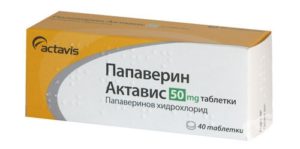
It is undesirable to treat intestinal colitis on your own. It is required to consult a doctor who will advise and select various methods of dealing with the disease.
Folk remedies
Treatment with folk remedies can be started only after an accurate diagnosis has been established and in the early stages of the disease. Spasms caused by colitis are treated with decoctions. Various herbs are used for cooking.
Kissel from oatmeal to take after meals, this also includes a decoction of buckthorn bark, yarrow flowers and dioecious nettle. A decoction of bird cherry and blueberries will help get rid of diarrhea.
Violation of intestinal motor function restores aloe with honey. Pumpkin helps to cope with constipation, it is used in the form of various dishes. Chronic constipation is treated with chopped dried fruits: prunes, figs, dried apricots and honey.
Collecting herbs will help with diarrhea.: motherwort, mint, sage, yarrow, oak bark and St. John's wort. Oatmeal is an excellent remedy to help stop diarrhea.
Remedy for cramps: drink a tablespoon of vegetable oil and drink a few sips of a decoction of mint or chamomile.
In order to prevent the occurrence of repeated spasmodic pains and involuntary contractions of internal organs, you need good nutrition, diet, and active physical activity.