Pressing pain in the stomach: reasons for what to do
The stomach is a section of the digestive tract, a temporary "storage" for food, located in the upper abdomen. It plays an important role in the human body, where the primary processing of food that enters through the esophagus takes place. Gastralgia is of a different nature: dull and sharp, there may be a feeling of heaviness or pressing pain in the stomach. If the discomfort spreads to other organs, accompanied by fever, nausea, diarrhea, fainting, this may indicate a serious illness, you need to call an ambulance help.
Sometimes the severity arises from excessive consumption of food or food "dry food". In such cases, it is worth determining the frequency of gastralgia and starting to follow a diet. If you experience any discomfort, you should consult a doctor. Early diagnosis will help avoid serious consequences.
Content
-
1 Causes of pain
- 1.1 Causes of heaviness in the stomach area
- 1.2 Serious violations
-
2 Localization and nature of pain
- 2.1 Pain after eating
- 2.2 Pain on an empty stomach
- 2.3 Stomach pain radiates to the back
- 3 What to do for stomach pain
- 4 Diagnosis of stomach diseases
- 5 Recommendations for the prevention of stomach diseases
Causes of pain
Gastralgia can occur due to disruption of the gastrointestinal tract, and also signal the presence of diseases of other organs. Sometimes a feeling of pressure can appear in completely healthy people, which indicates a violation in the diet, regimen or lifestyle of a person. If the heaviness occurs immediately after eating and quickly passes, overeating may be the cause. If the feeling of squeezing is not associated with eating or is persistent, you should see a doctor.
Causes of heaviness in the stomach area
Compressive pain is not always a symptom of a serious medical condition. Sometimes the body reacts to external stimuli. If the squeezing occurs infrequently and passes quickly, it can be caused by:
- Allergic reaction;
- Osteochondrosis;
- Pregnancy, especially in the third trimester;
- Violation of the intestinal microflora due to the use of antibiotics;
- Physical activity;
- Spasm of the diaphragm.
Severe stress, depression, and fast driving can be overwhelming. In these cases, epigastralgia is an additional symptom to look out for. If the severity is not associated with the listed conditions, you need to contact a gastroenterologist and conduct an examination of this organ.
Serious violations
- Diseases and infections of the respiratory tract: pneumonia, tonsillitis, acute respiratory infections.
- Damage to the gastric mucosa.
- Gastritis, gastroduodenitis.
- Functional disorders of the internal organs.
- Poisoning.
- Polyps.
- Cancer, stomach ulcer.
- Pancreatitis
- Pathology of the large and small intestines.
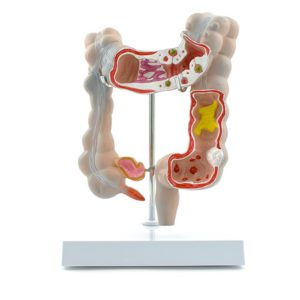
These diseases provoke severe pain, heaviness, discomfort.
Localization and nature of pain
Depending on where the pain occurs, what nature it is, you can understand the probable disease. The stomach and stomach may hurt after eating, during the day or at night, on an empty stomach, or after eating a large meal. An important principle is to understand what the syndrome indicates, consult a doctor in time and prevent critical consequences.
Pain after eating
The appearance of severity after eating may indicate serious functional impairment. After taking antibiotics, the so-called lazy stomach syndrome occurs, which indicates a lack of enzymes necessary for digesting food.
- Binge eating. Food that gets inside puts pressure on the walls, resulting in heaviness. In the absence of disease, this sensation should disappear shortly after eating.
- Lactose intolerance.
- Not enough fluid.
- Large amount of protein.
- Improper nutrition.

By the nature and localization of pain symptoms, it is possible to determine the disease or pathology. Unpleasant sensations can occur in the epigastrium after eating.
Stomach pain may indicate:
- Esophageal stenosis is a narrowing of the lumen of the esophagus. Concomitant symptoms: nausea, vomiting, belching.
- Gastritis is an inflammation of the mucous membrane.
- An ulcer. In advanced cases, surgery is required.
- Obstruction - obstruction of food between the stomach and duodenum.
- Hernia of the esophagus.
Abdominal pain can be a symptom of:
- Colitis.
- Esophageal ulcers.
- Urolithiasis.
- Cholecystitis.
- Pancreatitis.
- Inflammation of the esophageal mucosa.
- Irritable bowel syndrome.
Pain on an empty stomach
Fasting pain occurs due to irritation of the stomach walls. Gastric juice helps to process food entering the body, in the absence of food, acidity increases and a painful sensation arises. With a peptic ulcer, the sensation increases. On an empty stomach, pain manifests itself with gastritis, hypermotor dyskinesia, when a spasm occurs, the wall contracts, causing discomfort. Rarely during stressful reactions.
Stomach pain radiates to the back
In some cases, after eating and less often on an empty stomach, the back begins to ache. Pain can be given in the lower back with gastritis, ulcers, acute pancreatitis and hepatic colic. In this case, the localization will be different. Pulling sensations in the lower back indicate an exacerbation of the ulcer, with pancreatitis it radiates to the lower back and scapular region. If the aches give back to the back, this is a reason to see a doctor. In some cases, urgent help is required.
What to do for stomach pain
When my stomach hurts, the person experiences internal discomfort. Treatment depends on the disease, which can only be detected after a medical examination and consultation with a specialist. To relieve pain, take drugs that reduce spasm: No-shpa, Spazmalgon. If the reason is an improper diet, medications that block gastric acid enzymes and have enveloping properties can help: Omez, Almagel.
During pregnancy, spasmodic abdominal pains may indicate contractions that begin, in which case you need to call an ambulance. If the severity is accompanied by fever, nausea, poor health, the woman needs an urgent medical examination and consultation with a doctor.
At home, decoctions of chamomile, yarrow, mint, and flax seeds are used to calm down. These substances have a calming effect and help relieve spasms.
Regardless of what is causing the discomfort, diet is recommended to relieve symptoms and prevent worsening of the condition. The correct diet will allow you to more accurately determine the need to see a doctor. In case of exacerbation of pain caused by improper nutrition, it is advisable to refrain from eating for at least one day, the body will "rest". After a hunger strike, you need to gradually expand the diet, starting with soft foods: cottage cheese, yogurt, low-fat sour cream. It is advisable to exclude fried, spicy, smoked foods. Replace meat with steamed fish. Vegetables should be treated with caution, some corrosive substances contained in citrus fruits and other fruits and vegetables can be dangerous.
Diagnosis of stomach diseases
A thorough examination helps to identify a functional imbalance of the body, based on the analysis data, the doctor prescribes drug treatment, in critical situations, treatment may require prompt interference.
Procedures for an accurate diagnosis:
- Ultrasound;
- Gastroscopy;
- Analysis of urine, feces, gastric juice;
- X-ray.
After carrying out medical manipulations, a final diagnosis is made and treatment is prescribed.
Recommendations for the prevention of stomach diseases
Serious illnesses are the result of a complex of factors affecting human health. External and internal stimuli negatively affect the state of internal organs. Much depends on a person's lifestyle, habits, nutrition, habitat.
For the prevention of serious diseases, it is recommended to adhere to simple rules that will help to avoid problems in the future:
- The first rule is proper nutrition. Healthy food, fresh food, cutting back on fried, spicy, and smoked foods will help the body better handle food processing.
- The second rule is diet. Overeating at night, large amounts of food increase the load on the stomach, lead to heaviness and unpleasant sensations. The last meal should be a few hours before bedtime, this will help to digest food while the digestive organs are in an active phase.
- Competent use of proteins, fats, carbohydrates, balanced dosage.
- When taking antibiotics, take supplements to help improve your gut flora.
The stomach is a sensitive organ of the human body that reacts sharply to external and internal changes. Malnutrition, stress, diseases of adjacent internal organs affect his condition. If gastralgia is intermittent, you should consult a specialist. Preventing diseases early will help prevent serious consequences and keep you healthy.