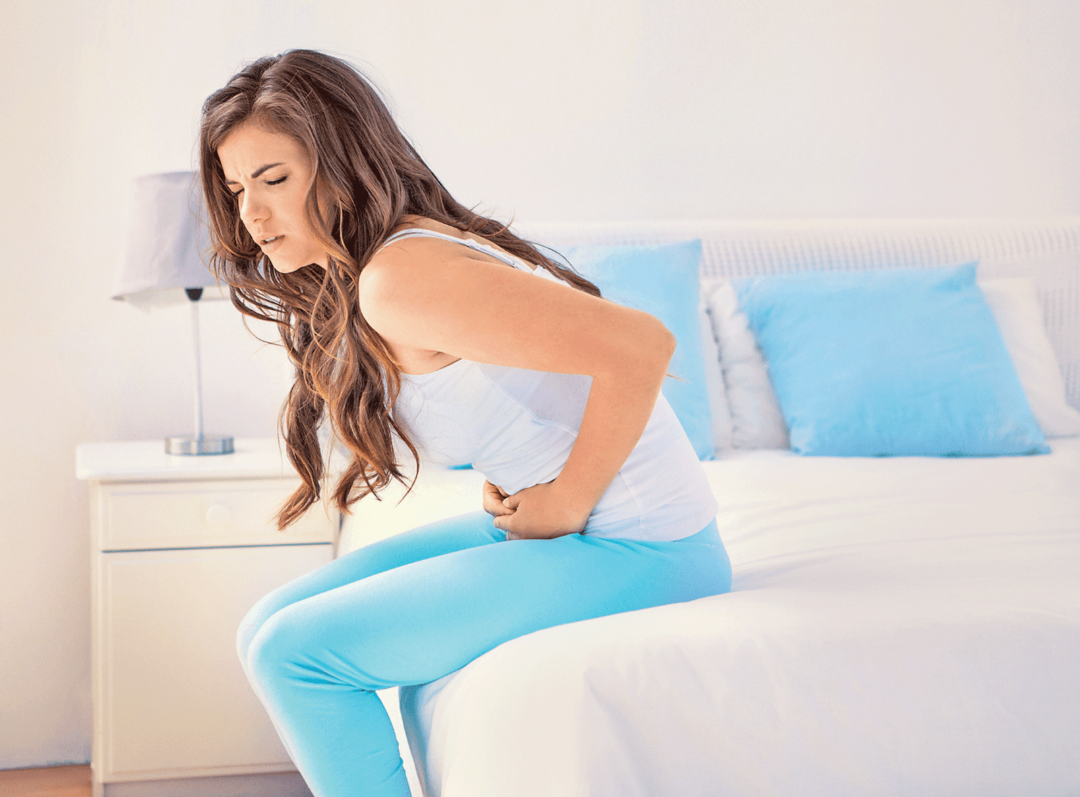
Intestinal enterocolitis: symptoms, types, methods of treatment
Enterocolitis is a group of chronic and acute gastrointestinal ailments, a feature of which is inflammation of the intestinal mucosa. The symptom complex of the pathological condition includes painful sensations in the abdomen, dysfunction of the digestive process. Diagnosis of the disease is carried out on the basis of instrumental and laboratory research. Upon the establishment of the diagnosis, the required course of therapy is determined (based on drug treatment), which is supplemented by dietary nutrition and physiotherapy procedures.

Intestinal enterocolitis: symptoms
Content
- 1 More about the disease
- 2 Classification of the disease
- 3 Symptom complex
- 4 Preventive measures and prognosis after treatment
-
5 General recommendations during treatment
- 5.1 Video - Intestinal enterocolitis: symptoms
More about the disease
Experts attribute enterocolitis to a syndrome of dysfunction of the digestive process, the root cause of which is the infectious or non-infectious nature of the lesion of the intestinal mucosa. Depending on the form of the course of the disease, chronic and acute enterocolitis are distinguished.

The disease can affect both individual areas and the entire intestinal mucosa
The acute form of pathology is accompanied by additional ailments. In this case, acute gastritis. The latter, in turn, is due to infectious and non-infectious etymology.

Acute enterocolitis often provokes the development of acute gastritis
Reference. Sometimes the disease occurs due to an allergic reaction of the body. If enterocolitis is activated due to poisoning with drugs or poisons, then the disease turns into an acute form.
The acute form of pathology affects exclusively the mucous membrane, and, unlike the chronic one, does not reach the deep structure of the intestine. The chronic form develops against the background of improper treatment of acute inflammatory processes affecting the intestines.

In the chronic form of enterocolitis, deep tissue structures are affected.
It should be noted that chronic enterocolitis is a protracted disease characterized by periods of remission and exacerbation. After a while, the intestinal walls undergo destructive changes. Thus, the lesion affects the submucosal layer. If there is no therapy for a long period of time, then chronic enterocolitis leads to dysfunction of the digestive system, disruption of the intestinal function.

In the absence of therapy, the pathology causes a violation of the functionality of the entire intestine.
Classification of the disease
The type of ailment is determined by the nature of the occurrence. Based on this, six types of enterocolitis are distinguished in medical practice.
| Type of ailment | a brief description of |
|---|---|
| Bacterial | It includes nonspecific provocative factors (occurs against the background of suppression of infection) and specific (these include bacteria). |
| Parasitic | It is the result of the penetration of parasites into the body (for example, helminths). |
| Toxic | The mucous membrane is affected by aggressive agents of various nature. |
| Alimentary | The simplest type of enterocolitis, which occurs as a result of a violation of the regime and diet. |
| Mechanical | The disease develops as a result of regular constipation. |
| Secondary | Enterocolitis develops as a secondary disease against the background of other pathologies. |

The degree of mucosal lesion in different types of enterocolitis
Attention! Each of the above forms of enterocolitis requires immediate diagnosis followed by therapy. Self-medication and the use of independently prescribed folk remedies are prohibited.
Symptom complex
The disease in acute form manifests itself suddenly for the patient. In this case, pronounced clinical manifestations are observed:
- The onset of typical symptoms begins with a feeling of nausea. After which vomiting may occur.

The first manifestations of the disease include bouts of nausea and vomiting.
- The patient feels pain in the abdomen.
- Feeling of bloating.
- When examining the tongue, a white coating is observed on its surface.

A white coating on the tongue indicates bowel problems
- Without fail, one of the typical signs of enterocolitis is diarrhea. If the disease has an infectious etymology, then mucus or blood blotches can be seen in the feces.
- For the infectious form of pathology, an increase in temperature is characteristic.
- Symptoms of intoxication are not excluded (they mean body aches, general weakness of the body, headaches and dizziness).

Headaches and dizziness occur due to intoxication of the body with enterocolitis
The chronic form, on the other hand, is characterized by mild symptoms. Clinical manifestations at the developmental stage are practically absent. However, as a result, the disease can become more complicated and lead to life-threatening consequences.

Consequences of enterocolitis
Typical symptoms of acute chronic enterocolitis:
-
Soreness of the abdomen. Mostly severe pain appears in the umbilical region; less often - spreads throughout the abdomen. The intensity of the painful manifestation directly depends on the severity of the pathology. Basically, the pain syndrome occurs in the second half of the day, when the digestive function is most active. If the pathology is localized precisely in the small intestine, then the pain will be dull. However, the inflammatory process in the large intestine will be characterized by a very intense painful syndrome.

Chronic enterocolitis often presents with abdominal pain, mainly in the navel
-
Stool disorder. Not only constipation can occur, but bowel disorders can also occur. And in some cases, there is an alternation of phenomena.

With enterocolitis, stool disorders are observed, and diarrhea may alternate with constipation
-
Meteorisms. With disorders of the digestive process, an increased level of gas formation is noted, as a result of which bloating occurs. The patient feels severe discomfort.

Flatulence and bloating almost always accompany chronic enterocolitis.
-
Dyspeptic syndrome. As a result of a fermentative or putrefactive process in the intestine, a digestive disorder occurs.

Most patients have dyspeptic syndrome.
-
Weight loss. If the pathological process affects the area of the small intestine, then the patient experiences rapid weight loss. Patients with persistent colitis may lose weight due to anxiety about eating. This is explained by the pain syndrome that occurs after eating food. In this case, the disease begins to progress.

People with colitis often lose weight
-
Astheno-vegetative syndrome. Tissue exchange suffers due to prolonged enterocolitis. Symptoms include: an increased level of fatigue, weight loss, apathy, problems with attention.

Launched enterocolitis leads to the occurrence of asthenic-vegetative syndrome, as a result of which the patient has increased fatigue and decreased attention
It is important! If one of the above symptoms is observed, then delaying the diagnosis is categorically contraindicated. The patient needs urgent therapeutic help.
Preventive measures and prognosis after treatment
Preventive actions involve avoiding provocative factors that contribute to the development of intestinal pathology. To do this, it is recommended to perform the following manipulations:
- ration food (exclude from the diet all unhealthy, fatty foods, pay attention to a large number of vegetables and fruits, boiled dishes);

Diet for intestinal colitis
- give preference to fractional meals, do not overeat (it is very important that dinner is not the main meal);

Meals should be fractional, at least 5 times a day, in small portions
- timely treatment of parasitic lesions (regular prevention of worms and other parasites);

Helminthiasis is one of the reasons for the development of enterocolitis, therefore it is necessary to get rid of parasites in a timely manner with the help of anthelmintic drugs and observe preventive measures
- do not self-medicate for gastrointestinal ailments;

Self-diagnosis and self-medication for ailments of the digestive system are unacceptable
- consultations with a doctor when white plaque is detected on the surface of the tongue (this is one of the surest signs of a violation of digestive processes);

If you have alarming symptoms, you should immediately contact a specialist.
- the use of probiotics and enzyme preparations in case of frequent disorders and problems with bowel movements (according to the recommendations of a specialist).

Probiotics help to normalize bowel function, but they should be taken as directed by a doctor.
If we talk about forecasts, then with a properly prescribed complex therapy and timely impact on acute enterocolitis, there are no consequences for the body. The performance of the intestine affected by infectious enterocolitis after treatment and dietary nutrition is fully restored after three to six weeks.

Subject to medical recommendations, acute enterocolitis can be cured in 3-6 weeks
The consequences and prognosis for the treatment of the chronic form are not always unambiguous. In this case, the moment of timely diagnosis, the root cause of the onset of pathology, the normalization of the lifestyle after confirming the diagnosis, and adherence to the diet are taken into account. To the extent of these factors, it will depend on how favorable the prognosis is after the treatment of chronic enterocolitis.
General recommendations during treatment
- Drink plenty of water (exclude coffee drinks and strong teas).

Drinking coffee and black tea during treatment should be completely eliminated.
- Refuse to drink milk, pickles, alcoholic beverages.
- Include cereals, steamed dishes, vegetables, fruits, dairy products in the diet.

Particular attention should be paid to the diet, using only healthy dishes.
- In agreement with a specialist, apply microclysters. For their preparation, use herbal preparations (St. John's wort, oak bark).
- Having previously consulted with a doctor, apply warm heating pads to the abdominal area to eliminate pain syndrome.

To eliminate pain, you can apply a warm heating pad to your stomach, but before that you need to consult a doctor
- Monitor the state of the digestive system, in case of additional symptoms, consult a doctor.
- For frequent problems with bowel movements, do enemas with sea buckthorn oil.

For constipation, enemas with sea buckthorn oil are good.
- In case of acute pain syndrome, take no-shpu.