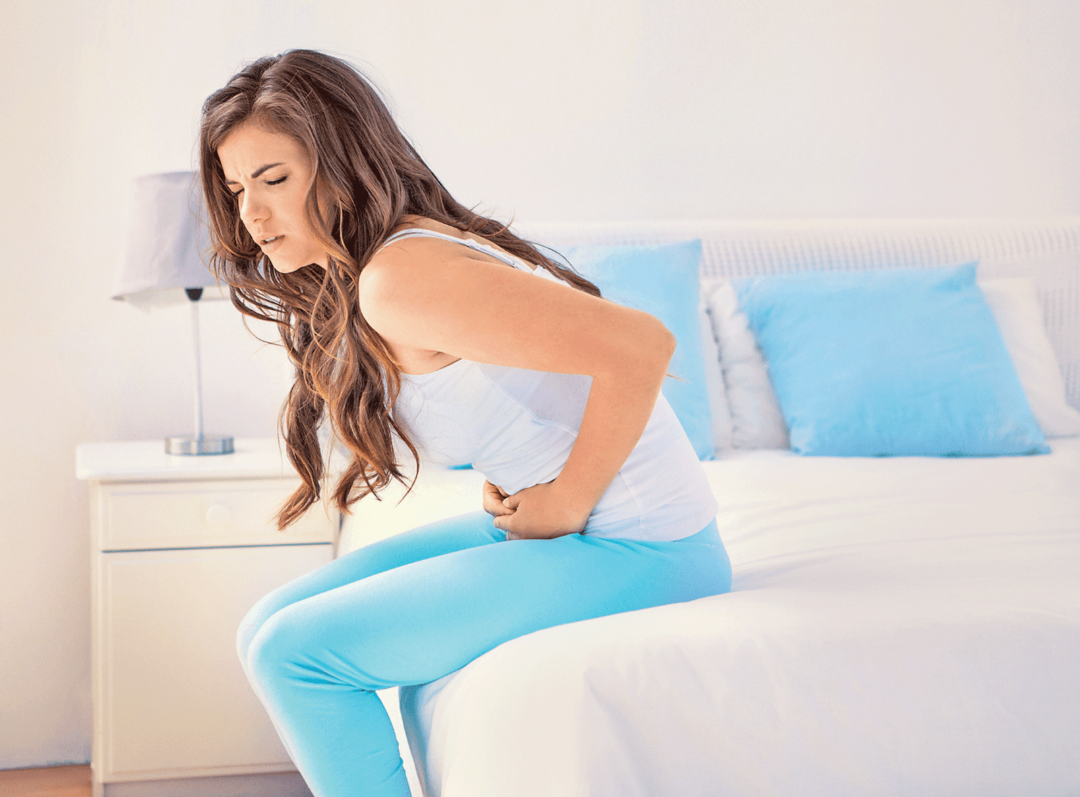
During menstruation, diarrhea
Every person on the planet has experienced stool disorders. But if during menstruation diarrhea, this is doubly unpleasant, because during menstruation, a woman also suffers from other problems - irritability, general weakness, mood swings, etc. Combined with all these symptoms, diarrhea becomes a pretty serious problem.

During menstruation, diarrhea
Content
-
1 The main causes of diarrhea during menstruation
- 1.1 Improper nutrition
- 1.2 Bend of the uterus
- 1.3 Contractions of the uterus
- 1.4 Congestion of blood to the pelvic organs
- 1.5 Diseases
- 1.6 Hormonal changes
- 1.7 Video - Causes of persistent diarrhea
- 2 About the characteristics of diarrhea
- 3 When do you need specialist help?
- 4 About diarrhea and delay
- 5 Ways to alleviate the condition
- 6 What remedies can be taken during pregnancy?
-
7 As a conclusion
- 7.1 Video - Important questions about your period
The main causes of diarrhea during menstruation
The causes of diarrhea during this period can be very different. First of all, these are hormonal changes, but stool disorder can also be triggered by physiological factors. So, diarrhea can be a consequence of:
- contractions of the uterus;
- her (uterus) bend;
- hormonal changes in the body;
- excessive blood supply to the pelvic organs;
- improper nutrition;
- diseases of the intestines, stomach.

Diarrhea during menstruation
Important information! Intestinal disturbances can be caused by changes that occur in the body during the menstrual cycle. In any case, adequate treatment can only be started after the exact cause of the diarrhea has been identified.

Menstrual cycle
Improper nutrition
A woman's gastronomic preferences can change with the onset of menstruation. Therefore, the cause of diarrhea may be an unusual or improper diet for her (woman). Some, for example, eat a lot and often at this time, while others plunge headlong into culinary experiments.

Proper nutrition and an active lifestyle can help reduce pain during menstruation.
Due to hormonal fluctuations, a woman begins to eat something that she would not even touch before. This leads to excessive stress on the digestive system, increased peristalsis, which, in turn, provokes diarrhea.

How to eat during your period
Bend of the uterus
Thanks to a complete diagnosis carried out by qualified specialists, it is possible to accurately determine the cause of diarrhea during menstruation. As a rule, the examination is resorted to when diarrhea appears due to gynecological factors, and no problems with the work of the digestive tract have been identified.

Bend of the uterus
Note! By bending the uterus, we mean a serious pathological condition in which not only diarrhea appears, but also severe pain. Tellingly, stool disorder can be observed even after the end of menstruation. The methods of treating this pathology are unknown to modern medicine, but it is believed that the problem can disappear by itself after childbirth.
Contractions of the uterus
Before menstruation, the uterus is prepared for exfoliation of the mucous functional layer. Then, when menstruation comes, the contractions of the uterus are transmitted to the intestines (they are located quite close). This condition does not need treatment - the diarrhea soon disappears.

During menstruation, the uterus contracts intensively to remove the endometrium from the woman's body
Congestion of blood to the pelvic organs
During menstruation, serious changes occur in the body. The blood supply to the organs located in the small pelvis increases, which is why they begin to experience increased stress. Therefore, stool disturbance is, as it were, a reaction of the intestine to an increased load.

Pelvic organs in women
Diseases
There are diseases that do not manifest themselves for a long time, and symptoms appear only with the onset of menstruation. At this time, the sensitivity of the woman's body increases markedly. Common signs of intestinal disorders include:
- nausea;
- stomach ache;
- vomiting.

Pathological process in the intestine in Crohn's disease
If you think that the cause of diarrhea is some kind of disease, then you should undergo an examination and treatment prescribed by a doctor as soon as possible!
In addition, one of the following pathological conditions can be the cause of stool disorders:
- infection;
- endometriosis;
- colitis, enteritis;
- cystitis.

Cystitis in women
Hormonal changes
Menstruation is a period when significant hormonal changes occur in the body. For example, the level of prostaglandin, which is responsible for relaxing smooth muscles, rises. This, first of all, should spread to the uterus, but in fact the intestines also relax; in this case, diarrhea is a natural process of cleansing the body.

Hormonal balance during menstruation
Video - Causes of persistent diarrhea
About the characteristics of diarrhea
During menses, diarrhea begins in the morning, after sleep. About a week before menstruation, a woman may observe minor stool disturbances, after another 5 days, the feces become liquid. In addition, a woman may suffer from painful sensations of varying intensity. Typically, the feeling of discomfort, as well as pain, disappears after using the toilet.
Important! Diarrhea normally starts the day before or immediately after your period starts. But if a woman visits the toilet more than 3 times, this already indicates gastroenterological disorders. Remember that if diarrhea does not stop after the completion of menstruation, then you need to consult a doctor as soon as possible to identify the cause of this problem!

Types of diarrhea
When do you need specialist help?
Knowing the exact cause of diarrhea can help you respond quickly to changes in your body. Below are the main factors that should never be ignored:
- Frequent bowel movements that last longer than the first few days
- high fever, vomiting, general weakness during menstruation;
- bloody or green blotches in feces, foam;
- severe pain during bowel movements.

Blood during bowel movements
About diarrhea and delay
Together, these symptoms can indicate pregnancy, a condition with unstable fever and vomiting. Delayed diarrhea can go away on its own in six to seven days, and without any pain. But do not forget that with diarrhea that is not triggered by the menstrual cycle, serious complications can develop. Do not panic, carefully examine the excreted feces, and if necessary, consult a qualified doctor.

Delay of menstruation
Ways to alleviate the condition
Diarrhea is especially unpleasant during menstruation, and therefore, in order to get rid of it and ease symptoms, it is recommended to comply with the following requirements:
- give up eating spicy, fatty and fried foods;
- minimize irritating factors - heavy physical exertion, stress, nervous disorders;
- eat more fresh fruits and vegetables;
- do not forget about moderate physical activity;
- eat fractionally - reduce portions, but at the same time increase their number;
- drink plenty of water, herbal decoctions are allowed.

Herbal teas are very useful
Also, to get rid of diarrhea, you can use the following fixing products:
- oatmeal, rice, buckwheat;
- Black tea;
- crackers (but exclusively from white bread);
- meat broths;
- cottage cheese.
If, in addition to diarrhea, a woman suffers from vomiting and nausea, then an urgent need to consult a doctor, since such a condition may indicate serious poisoning. When the cause is identified, the specialist will prescribe adequate treatment.
Table. Get rid of diarrhea during menstruation. Step-by-step instruction.
| Steps, photo | Description of actions |
|---|---|
 Step 1 |
Drink plenty of water after each bowel movement. With diarrhea, the body is deprived of a large amount of fluid, which can even lead to dehydration. As for the required amount of water, this is about two to three glasses after each bowel movement. |
 Step 2 |
You can also drink sports drinks to prevent dehydration. They are preferable to ordinary water, because they restore electrolytes lost with the liquid. The recommended dosage is 0.5 liters of beverage every few hours. |
 Step 3 |
Avoid eating foods that provoke inflammation of the gastrointestinal tract. These are, first of all, those foods that are difficult to digest and contain a lot of fat. |
 Step 4 |
Eat more fiber-rich foods - it will make the feces harder and thus relieve diarrhea. This is because soluble fibers absorb excess moisture. These include apples, whole grains, broccoli, and others. |
 Step 5 |
Take medication for diarrhea if needed. Drugs that slow down intestinal motility include Imodium, Lomotil, etc. More details about them - a little later. |
What remedies can be taken during pregnancy?
So, we found out that during the period of menstruation, diarrhea can become quite a serious problem. Medical treatment should be prescribed exclusively by a doctor, having previously carried out a diagnosis; this should take into account not only the causes, but also the nature of the intestinal disorder. The following drugs can be used to treat diarrhea.
-
"Imodium". The remedy mentioned above normalizes bowel function and also improves general condition.

"Imodium"
- Antibiotics. Only used when harmful bacteria are the cause of the diarrhea. Only a doctor should be engaged in the selection of a suitable antibiotic!
- Probiotics. They contribute to the normalization of intestinal microflora, but, which is very important, they are not a quick-acting remedy - to achieve the desired effect, you should undergo a course of treatment prescribed by your doctor.
- Enterosorbents (various food additives, and also known to many "Activated carbon"). They absorb harmful toxins and are then excreted naturally. They are used, as a rule, for ulcers, gastritis and serious intoxication.

"Activated carbon"
Note! Enterosorbents remove not only harmful, but also useful substances, and therefore it is not recommended to take such drugs for a long time!
As a conclusion
As a result, we note that there are many reasons why stool disturbances can occur during menstruation. And if you have diarrhea, do not panic, it is quite possible that it will soon go away on its own. If this does not happen, try to visit a qualified doctor as early as possible and follow all his recommendations.