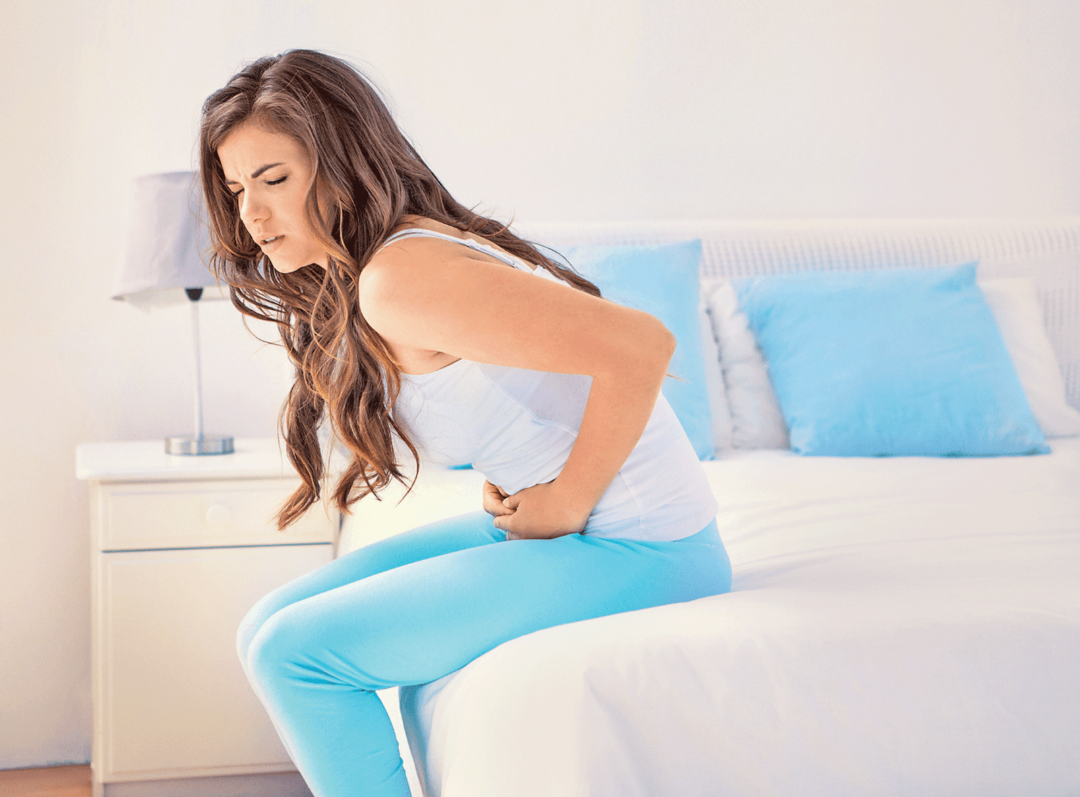
Bloating and gas: bloating cure, how to get rid of at home
home » Bowel disease » How to get rid of bloating: traditional and folk treatments
Flatulence is a condition characterized by the accumulation and retention of gas in the intestines. This process is accompanied by uncomfortable sensations. The accumulated air expands the stomach from the inside, it grows, hums and periodically there are episodes of flatulence (gas). Flatulence is very common among people, but it is not accepted to speak out loud about such a delicate problem. The people call pathology simply - bloating. The disorder can occur against the background of a violation of the diet or serve as one of the signs that indicate the progression of a gastrointestinal disease in the body.
The presence of a certain amount of gas in the intestine is a physiological norm. Some of the air enters the digestive tract when food is chewed and swallowed. Also, some gases are produced during the digestion of the food lump. A very small percentage of air enters the intestinal lumen from the bloodstream.
Content
- 1 The appearance of flatulence
- 2 How does it manifest
- 3 Diagnostics
-
4 How to get rid of
- 4.1 Drug therapy
- 4.2 Folk methods
- 5 Proper nutrition
- 6 Prophylaxis
The appearance of flatulence
Most of the gases are localized in the stomach and bends of the colon, less in the small and sigmoid. Their number and nature are influenced by the lifestyle of a person, his age, the nature of his diet, as well as the presence of diseases of the digestive tract. The gas in the intestine visually looks like foam from bubbles covered with a specific mucus of a viscous consistency. It covers the mucous membrane of the organ, which greatly complicates the absorption of nutrients and reduces the activity of enzymes.

Flatulence in itself is not a disease. It can occur for both physiological and pathological reasons. Single episodes of bloating do not need correction. They can be easily dealt with with the help of medicines, traditional medicine, gymnastics. But if flatulence bothers often, accompanied by severe symptoms and pain, this is a serious reason to go for a consultation with a qualified specialist. Often, pathology is one of the first signs of the development of other diseases of the digestive system.
There are many reasons for bloating. Under the influence of unfavorable external and internal factors, gas formation increases and the intestinal walls stretch. This is facilitated by the intensification of food fermentation and the activation of putrefactive processes. Symptoms of flatulence can appear as a result of exposure to the human body of the following factors:
- a sharp change in the usual diet;
- long-term use of antibacterial drugs, as well as drugs that can suppress the normal intestinal microflora;
- abuse of sugary carbonated drinks;
- absorption of food "on the go" or in a hurry, if the food lumps are not chewed qualitatively and swallow them quickly, then some amount of air will penetrate into the stomach;
- addiction to long-term chewing of chewing gum;
- regular use of high-calorie and hard-to-digest foods;
- binge eating;
- eating a lot of sucking sweets;
- the use of fatty foods, as well as the use of large amounts of fat during cooking;
- changes in hormonal levels during PMS and during pregnancy.
These reasons are physiological. To normalize your general condition and get rid of the accumulation of gases, you just need to exclude them and switch to a healthy lifestyle. But some pathological reasons can also provoke bloating. An increased accumulation of gases in the intestinal lumen is observed under the following conditions:
- dysbiosis develops if there are not enough specific bacteria in the intestine to ensure its full functioning;
- diseases of an infectious nature;
- gastritis with low acidity, in this case, the normal digestion process is disrupted, which entails the development of flatulence;
- diseases of the digestive system of an inflammatory nature;
- pancreatitis;
- irritable bowel syndrome;
- gluten and lactose intolerance;
- helminthiasis;
- stagnant processes in the pancreas, liver and gallbladder;
- frequent constipation;
- violation of peristalsis and normal blood circulation in the intestine;
- neoplasms of a benign and malignant nature, adhesions and polyps on the intestinal mucosa.
Single episodes of bloating do not need correction. If the pathology is bothering you often, it is recommended to visit a medical institution to diagnose and establish the cause of this condition.
How does it manifest
Almost everyone is familiar with flatulence. First of all, this is facilitated by the diet and only then by the pathology of the gastrointestinal tract. It is quite simple to determine that a large amount of gas has accumulated in the intestine, since this condition is accompanied by severe symptoms. The person is worried about:
- inability to empty your bowels (constipation);
- a feeling of heaviness in the abdomen and its distention, some describe this state as if they swallowed a balloon;
- pain syndrome manifested by cramping;
- feeling of heaviness in the stomach, even if you have eaten a very small amount of food;
- rumbling in a gurgle in the stomach;
- unpleasant, rotten taste in the mouth;
- general weakness and nausea;
- decreased appetite or complete lack of it;
- the appearance of a yellow tinge on the tongue.
Video: Bloating and flatulence
It should be noted that these symptoms can manifest themselves both in aggregate and singly. This is a feature of flatulence. The intensity of their expression depends on many factors. For some people, bloating literally puts them to bed, while others lead their usual way of life.
Diagnostics
To assess the state of the patient's body and make an accurate diagnosis, doctors resort to both laboratory and instrumental diagnostic methods. At the first stage of the examination, a person needs to pass a general and biochemical blood test, urine and feces analysis (coprogram and seeding tank). After evaluating the results, the doctor may decide to carry out instrumental diagnostics. The most valuable are the following techniques:
- FEGDS;
- colonoscopy;
- Ultrasound of organs localized in the abdominal cavity.
Based on the data obtained, a final diagnosis will be made and an effective therapy plan will be drawn up. Usually, conservative techniques are used to eliminate pathologies of the gastrointestinal tract. Less commonly, they resort to surgical intervention.
How to get rid of
You can cope with bloating with the help of special medications, as well as traditional medicine. All therapeutic measures are aimed at reducing the severity of symptoms, eliminating excessive gas formation, as well as improving peristalsis and microflora in the intestine.
Drug therapy
Treatment with medicines is carried out in 2 directions at once - elimination of the root cause of flatulence, if it is known to combat unpleasant symptoms that can significantly impair quality of life person.
The following groups of drugs will help with bloating:
- Prokinetics. Contribute to accelerating the process of moving food through the gastrointestinal tract. If it moves slowly, it can begin to decompose prematurely, provoking increased gas production. Drugs of choice - Silansetron, Peridon, Motilium.
- Defoamers. They improve the motility of the lower gastrointestinal tract and accelerate the process of removing gases. This group includes Simethicone, Espumisan and Dimethicone.
- Enterosorbents. The drugs of choice for bloating, because they not only remove gases from the intestines, but also cleanse it of toxins, poisons, pathogenic bacteria. The most widely known drug from this group is activated carbon. But it cannot be used for a long time, since it can cause hypovitaminosis. It is recommended to give preference to new generation drugs, such as Atoxil, Smecta, Enterosgel.
- Antispasmodics. They reduce the severity of pain, and also reduce the contractile function and tone of smooth muscles. With flatulence, Drotaverin, Spazmalgon, No-shpu are prescribed.
- Enzymatic pharmaceuticals. Insufficient secretion of enzymes in the human body causes disruption of the natural process of digestion, which is further fraught with the accumulation of gases in the intestines. Such medicines have proven themselves well - Mezim, Pancreatin, Festal.
The table below shows medicines for stopping the phenomena of flatulence:

The gastroenterologist's treatment plan is drawn up depending on what exactly caused the accumulation of gases and interferes with their natural discharge:
- If a person suffers from constipation, it is recommended to take measures to eliminate this condition. First of all, you will need to normalize the diet and enrich the menu with foods high in fiber. If necessary, drugs are used that stimulate the process of bowel emptying. In some cases, an enema is used.
- In the case when a change in the intestinal microflora leads to increased gas formation, the patient prescribe lactobacilli (restore normal microflora) and symptomatic medicinal funds.
- If flatulence is provoked by the presence of a tumor in the intestinal lumen, surgery is performed, during which the neoplasm is removed.
Espumisan is considered to be the most effective and safest medication that fights bloating. It can even be given to small children. But still, before using any medicinal product, you must first consult with your doctor.
Folk methods
If gases accumulate in the intestines, then you can resort to some traditional medicine. For the treatment of children, they can only be used if permitted by the attending physician:
- Caraway. Helps not only eliminate, but also prevent flatulence. It is necessary to brew 1 tablespoon of seeds with a glass of boiling water, then wait until the product cools down. Consume the entire volume of the infusion before a meal. It helps prevent fermentation of foods in the digestive tract and also acts as an antispasmodic.
- Chamomile. The plant has a pronounced anti-inflammatory effect, and also acts as an antispasmodic. To prepare the drug, you need to take a spoonful of chamomile flowers and pour them with a glass of boiling water, then wait until it cools down. Take the finished medicine 100 ml every 5 hours.
- Dill. Almost everyone knows about the beneficial effects of this plant on the digestive tract. Means based on it are given even to young children to remove colic. It is not difficult to prepare a broth - you should first grind a spoonful of seeds in a coffee grinder. Then pour them 1.5 cups of boiling water. Insist for 3 hours. Divide the ready-made infusion into 3 portions. Take before eating.
Coriander, ginger, fennel, mint and some other plant species are no less effective against flatulence.
Proper nutrition
Quite often, the cause of the accumulation of gas in the intestines is inaccuracies in the diet. It follows from this that you can get rid of bloating if you exclude certain foods from your daily menu. It is worth noting that each person has his own individual provocateur of increased gas production. Some people experience bloating after eating sweets, while others after eating fatty foods. But still there are some foods that provoke flatulence in almost every person. Therefore, it is worth sticking to a special diet if bloating is often worried.

Allowed and prohibited foods for bloating
Foods to eat:
- boiled and baked fruits;
- fermented milk products with a low percentage of fat;
- wheat, buckwheat and pearl barley porridge without added oil;
- meat and fish, steamed, in the oven or boiled;
- bran bread;
- beets, carrots and potatoes, boiled or stewed.
Products that are not recommended:
- rye flour bread;
- legumes;
- carbonated water (especially sweet), milk, coffee;
- grapes, gooseberries, pears, raisins;
- mushrooms;
- cabbage, tomatoes, asparagus, sorrel;
- You can eat fresh vegetables, but in the minimum amount.
For people with flatulence, it is better to refuse chewing gum - during the process of chewing, a large amount of air enters the stomach cavity. It is also a good idea to arrange a fasting day for the digestive tract once a week. You can cook rice and eat a little of it several times a day. You can use kefir instead of rice.
Prophylaxis
To permanently get rid of such an unpleasant condition as flatulence, you need to carefully monitor your diet and lifestyle.

If you adhere to the recommendations below, you can reduce the risk of flatulence to almost zero:
- to live an active lifestyle;
- do not drink anything during meals and 40 minutes after that;
- eat small portions every 3 hours;
- add dill to dishes;
- in the morning you can drink water with honey;
- minimize the amount of salt consumed;
- diversify food, but be careful with exotic products;
- chew food very carefully;
- give preference to steamed dishes;
- food should be warm;
- regularly do self-massage of the abdomen;
- take walks in the fresh air.
If the problem cannot be resolved on your own, it is recommended that you consult a qualified doctor. A specialized specialist who is engaged in the diagnosis and treatment of gastrointestinal pathologies is a gastroenterologist.
Read also: Honey for the intestines and stomach