
Diet after removal of appendicitis: what you can eat, nutritional rules
In acute appendicitis, the patient's condition deteriorates rapidly. Treatment of inflammation of the appendix in most cases is of a surgical type. The appendix is removed. The doctor chooses the type of operation - either laparoscopy or open abdominal surgery for appendicitis in the peritoneal region. After excision, the patient is shown a special diet for a speedy recovery. The doctor prescribes a diet based on the indications. Its observance is necessary for a speedy recovery. What is the diet after surgery for removal of appendicitis shown to the patient, permitted and prohibited foods, nutritional rules - discussed in the article.
Content
- 1 Basis of nutrition after surgery
- 2 Diet principles
- 3 Prohibited products
- 4 Allowed Products
- 5 Consequences of non-compliance with dietary nutrition
Basis of nutrition after surgery
Appendectomy - involves adherence to a diet for the speedy recovery of the patient. Since the operation was performed on the large intestine, it is important to spare and help the organ in order to quickly return to the previous way of life. Nutrition for appendicitis, regimen, foods that can be consumed are agreed with the attending physician.
Much depends on the type of surgery. After laparoscopy, recovery is faster and the diet expands faster. But even if the patient feels well, does not experience severe weakness, pain, the temperature is elevated within normal limits, this is not a reason to independently compose a diet for himself. The diet after appendectomy is prescribed for children and adults with extremely important goals, the observance of which is the basis for the successful completion of the recovery period and return to the previous life.
The goals pursued by the purpose of the diet:
- A gentle mode of operation of the large intestine and the entire gastrointestinal tract in general.
- Restoring metabolism.
- Supporting the patient with the right substances to recuperate.
- Increased immunity and speedy healing of organs and tissues that have undergone surgery.
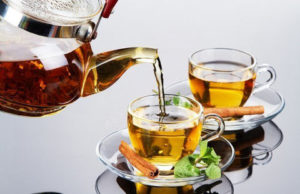
In the first days after appendicitis, food is prohibited at all. The patient can only drink. A zero table is assigned. You should drink a lot, choosing high-quality clean water. It is advisable to drink at least 10 glasses a day. The presence of fluid will help eliminate dehydration, which could be with a complicated attack, for example, after peritonitis. In addition, an abundant amount of water will quickly restore tissue damaged during surgery. The drinking regime lasts a day. Permitted liquids include:
- Water.
- Rosehip infusion.
- Fruit drinks without pulp.
- Herbal teas and decoctions.
Starting from the second day, during the work of the intestines and to restore peristalsis, you can eat food of dietary content. Its duration is assigned depending on the patient's condition. After the end of the therapeutic diet, they switch to the required standard version. The diet is calculated by day. After 1 day of drinking regimen, nutritional therapy is prescribed. Its duration is 1 week - 10 days. After a week, the period of expansion of the diet begins.
Diet principles
- Compliance with the regime. Adults are primarily shown fractional meals. Its essence boils down to frequent meals in small portions. It is prescribed to eat at least 5-6 times a day. But at the same time, the volume is significantly reduced. This is necessary for the most well-coordinated work of the intestines, so that overflow, bloating, and gas formation do not occur. All this can affect the recovery stage. In some cases, the walls at the site of surgery may grow worse. In addition, the patient must lie in bed after the operation. The recumbent position has a negative effect on peristalsis.
- Obligatory heat treatment. After appendicitis is cured, nutritional therapy involves eating only boiled and steamed food. In the first three days, food can be consumed only in liquid form or pureed. After three days, you can carefully introduce liquid cereals, mashed potatoes, prompted foods and omelets.
- Room temperature of food. The patient should not take cold or hot food. All foods should be at room temperature. When drinking hot soup or cold water, there may be a spasm of the digestive system. In this case, divergence of seams or uneven accretion is possible. Complications are not excluded.
- Minimum salt. The maximum daily salt intake is reduced to 8 g per day. A larger amount affects the patient's condition negatively, the blood becomes thicker, unnecessary the body decay products during digestion, the healing of incision sites slows down when the worm-shaped appendix.
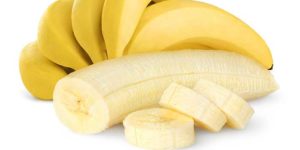
- You can't eat sweets. Fast carbohydrates overload the digestive organs of an immature organism. Children should replace sweets with permitted foods such as sweet bananas and baked apples.
- Refusal of alcohol. It is strictly forbidden to drink alcohol after surgery. Surgery requires antibacterial drugs, and alcohol makes them useless. In addition, under the influence of alcohol, the healing process and the healing of the walls at the incision sites slow down.
Prohibited products
It is important to remember that foods that enhance the fermentation process or cause the formation of an increased level of gases should be completely excluded from the diet. Such types during digestion will lead to the risk of seam dehiscence.
In addition, it is worth giving up spicy, sour, sweet, salty, pickled foods. The listed types increase the secretion of gastric juice and hydrochloric acid, which is also unacceptable in the postoperative period. It is important to inform visitors to the patient who may be bringing food that is harmful to the patient into the hospital.
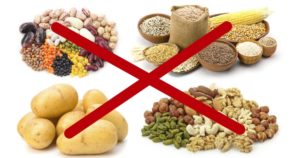
Do not eat foods high in fiber. This rule applies to both the adult and the child. Coarse fiber in such products greatly increases the contractile function of the intestine, and since the organ is in a damaged state, there is a risk of suture divergence and complications. In general, at first it is better to completely abandon coarse fiber and introduce gradually in small portions so that the damaged organ has time to recover and get used to the load gradually.
Avoiding fatty foods is necessary. Fatty heavy food is digested for a long time, it is in the stomach and intestines for a long time. After the operation, the body is weakened and unable to cope with such a load.
The patient should completely abandon semi-finished products and all food factory, industrial preparation. Everything that you can buy and eat is prohibited. Finished products contain preservatives that are unnecessary and dangerous in the postoperative period. Many substances contained in such products are not of natural origin, but of chemical production, poisoning the body.
The baby should also be fed fractionally after the operation.
A specific list of foods that were banned when the appendix was excised:
- Baking, bakery products.
- Fatty meats. It is advisable to give up all red meat, you can eat dietary varieties of chicken or fish.
- Fatty meats of fish and birds (goose, duck, fish of the Mackerel family).
- Broths on the bone.
- Sausages and sausage products.
- Canned food, stewed meat, canned food, pickled foods.
- Confectionery, sweet food, chocolate, coffee.

- Strongly carbonated sweet drinks. Sweet fruits like watermelon.
- Hot and spicy spices. Pickled cucumbers and tomatoes.
- Fatty fermented milk products. High fat milk.
- Hard salted cheeses. You can only unsalted, soft, like Adyghe cheese.
- Pasta.
- Mushrooms of all kinds.
- Cereal side dishes. Groats only in the form of liquid porridge or chopped.
- Vegetables high in coarse fiber.
- Fried eggs.
Allowed Products
Appendectomy involves a slow and gradual expansion of the range of approved products. Food, first of all, should be light, digested quickly, saturate well, be rich in protein and complex carbohydrates. It is imperative to have vitamins to support immunity and increase the body's resistance to possible infections. Dishes may only contain approved foods. It is important to create a menu that includes permitted foods. Expansion of the diet is possible after a week of nutritional therapy. The second week involves the gradual introduction of new products, with tracking of well-being.
Allowed Products:
- Yesterday's bread or dried bread.
- Low-fat meats and fish. But the meat should be well cleaned of films, tendons, skin.
- The fish is white, not greasy. The river will be the best choice.
- Porridge is semi-liquid and liquid, possibly mashed in a blender.
- Fish or chicken broth, not strong.
- Puree soups, grated soups, liquid, with the addition of cream. The best choice would be soups of mashed zucchini, potatoes, pumpkin.
- Steamed omelet.
- Compotes and jelly from berries and fruits.
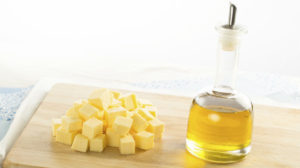
- Butter and vegetable oils.
- Weak tea with milk, herbal teas, rosehip infusions.
- Cranberry fruit drinks, no pulp.
- Non-acidic fruits. Baked apples and bananas are preferred.
The basic rule of dietary nutrition after acute appendicitis is the use of permitted foods fractionally, observing the cooking technique. By following the diet, the patient helps the intestines to recover faster, and the smooth introduction of foods will help to return to the previous bowel function without causing complications of recovery. The products allowed for the diet will also help the weakened body, fill it with strength and increase immunity, which is important for the early recovery of the patient. Approximately the third week becomes a transitional period, and after a month, in the absence of complications in the form of purulent peritonitis or adhesions, the functioning of the intestines will be restored.
In chronic appendicitis, diet and sparing nutrition are indicated for life. It is especially strictly required to follow a diet if the appendicitis is purulent or gangrenous.
Consequences of non-compliance with dietary nutrition
A patient who refuses to follow a diet complicates the recovery process. It is possible to develop serious complications that threaten health and even life. If you do not follow the diet and diet, the patient faces:
- Complication with peritonitis due to divergence of sutures on the intestinal walls, after removal of the appendix.
- The emergence of diseases of the gastrointestinal tract due to complications during recovery, weak immunity, the addition of infection with prohibited products. If complications are suspected, repeated surgery, removal of neoplasms or adhesions is possible.
Compliance with the basics of proper nutrition is shown not only in emergency situations. Even before the operation, patients who eat rationally recover faster and easier than those who are used to heavy and coarse food. Well, if the appendix is removed, dieting will bring a speedy recovery.


