Recovery after appendicitis: postoperative period, rehabilitation
Appendicitis is an inflammatory process of a small appendix of the blind part of the intestine. It is called the appendix, or appendix. This type of inflammation requires surgical treatment, which consists in removing the damaged intestinal process. The patient is operated on urgently. With timely treatment, this surgery is successful with a minimal likelihood of any complication.
After the end of the operation, removal of appendicitis experts recommend giving reverent attention to the recovery period. If the patient after appendectomy faithfully and on time fulfills every doctor's prescription, then the likelihood of complications is low, and recovery occurs quickly. Otherwise, repeated surgical interventions will be required.
Content
- 1 The concept of the postoperative period
- 2 Duration of the recovery period
-
3 Postoperative complications
- 3.1 Classification
- 3.2 Prophylaxis
- 3.3 Diagnostics
- 4 Food
- 5 Patient Conduct
The concept of the postoperative period
The postoperative period is the time from the end of the operation to the complete restoration of vital activity and the lost capacity for work of a person.

After the removal of appendicitis, the patient's body needs to adapt to the new anatomical and physiological relationships created by the operation. The completeness and duration of his recovery directly depends on this time. Rehabilitation is a very important and necessary moment that every patient must go through. The postoperative period is divided into early, when the patient is in the hospital, and late, when recovery occurs at home.
For a quick recovery, a patient after an operation to remove appendicitis needs to be under the dynamic supervision of a doctor and other medical workers. This is done in order to detect and treat possible complications in a timely manner. For this, the patient is placed in a separate ward immediately after the operation, where he is monitored. While the operated person is in intensive care, visits to him, as a rule, are prohibited. They monitor the condition of the skin, the postoperative suture, consciousness and body temperature, as well as a number of specific indicators, such as: blood pressure, heart rate, respiratory rate, urine output, analysis blood. Their research is carried out after surgery. In critical conditions, continuous recording of the electrocardiogram and monitoring of hemodynamics are required.
In the first hours after appendectomy, a person comes out of anesthesia. At this time, in adults and children, a number of reactions occurring under the influence of narcotic drugs are observed: the patient can sing, laugh, scream, cry. You should not be afraid of this, because the excitation of the subcortical structures occurs when the work of the cortex is inhibited. This is the effect of the anesthetic medication, which can also cause nausea and vomiting. Therefore, after the operation, place the patient so that the head is turned to one side.
In the late postoperative period, great efforts for rehabilitation are required on the part of the patient, because in this time, his tissues are restored not under the supervision of qualified specialists, but under his personal supervised. It is obligatory to follow the doctor's recommendations. This will be the key to a speedy recovery. Failure to comply with these rules is the cause of complications and repeated admission to the hospital.
A prerequisite for a favorable outcome of the rehabilitation period is adherence to a special diet and normalized physical activity. This will reduce the stress on the injured intestinal tract, improve digestion, blood circulation and metabolism.
Duration of the recovery period
The duration of the postoperative period after appendicitis varies among patients, even with one method of surgery. During this time, the following symptoms affect:
- The severity of the disease;
- Individual characteristics of the patient's body (age, sex, weight and the presence of concomitant pathologies);
- Surgical method;
- Correct adherence to the instructions of the attending physician.
As a rule, recovery after this surgery lasts at least 2 weeks. The exact recovery time is determined only by the attending physician.

The operation by the method of laparoscopy is performed if there are no contraindications to it. It belongs to the gentle and fast methods of medical intervention. There are a number of reasons for this:
- Insignificant area of injury;
- Slight pain;
- The patient is allowed to roll over and move after 4-6 hours;
- The operation is fast;
- Discharge for 3-7 days.
The abdominal method of surgery leads to a longer postoperative period. It usually lasts a month, and in case of complications arising - six months.
The recovery period for children, overweight adults and the elderly is more difficult.
Postoperative complications
Postoperative complications are called newly arisen pathological processes that are not characteristic of the normal state in the postoperative period. They become the cause of disruption of life and are fatal.
These problems arise when the doctor's recommendations are not followed, prolonged physical inactivity, increased physical exertion on the peritoneum and improper nutrition. It is important to remember that age and underlying medical conditions also play an influential role.
Complications of surgery for appendicitis rarely depend on technical errors. Late treatment is more common.
Most of them are warned only by timely assistance, rationally and correctly implemented recommendations of the attending physician.
You need to go to the hospital at the slightest sign of complications. It is important to try to move less at this moment, ask someone from your family to help with the trip, or just call an ambulance.

Classification
After appendectomy, the following postoperative complications are possible:
- Prolonged elevated body temperature (38 and above);
- Bleeding and hemorrhage from the wound;
- Pressure sores;
- Formation of infiltrates, sinus tracts or abscesses in the abdominal cavity;
- Suppuration of a postoperative wound;
- Divergence of the seams of the stump of the appendix;
- The eventration of a wound is the exit of the abdominal organs through a defect in its wall;
- Local or diffuse peritonitis;
- Thrombosis and embolism;
- Pulmonary complications;
- Intestinal obstruction;
- Cardiovascular complications;
- Acute renal failure
- Formation of adhesions.
Prophylaxis
You can get rid of most complications and recover faster if you rationally and correctly follow the prescribed recommendations of the attending physician.
To prevent repeated deterioration of the condition, a number of preventive measures are taken:
- Resisting pain, which is a powerful stress factor that prolongs the postoperative period;
- Adequate position in bed;
- Proper care of the postoperative suture;
- Early activation of patients;
- Fighting oxygen starvation and reduced circulating blood volume;
- The use of antibiotics;

- Respiratory gymnastics, which will improve the function of the external respiratory organs and provide the body with oxygen;
- Sanitation of the trachea and bronchial tree;
- Adequate pain relief;
- Massage, physiotherapy;
- Using an anti-decubitus mattress.
Doctors recommend wearing an abdominal band after surgery, because it will hold the abdominal organs. cavities in the correct position, will protect the wound from infection, reduce the risk of hernias and pain. In addition, it helps maintain mobility and does not excessively restrict movement.
The quality of the suture material used by the doctor plays a huge role.
Diagnostics
Diagnosis is based on the detection of pathologically altered indicators of the constancy of the internal environment in comparison with normal ones. Complications are characterized by the following general symptoms:
- Bad feeling;
- Anxiety;
- Pale color of the skin and mucous membranes;
- Depressive state.
Chills, high fever, decreased urine output indicate a purulent and inflammatory nature of the disease. But nausea with indomitable vomiting, flatulence, stool retention and gas discharge, a decrease in blood pressure will indicate problems in the digestive system. The appearance of these symptoms will be the impetus for starting a re-examination of the operated person.
During a medical examination of a patient with a suspicion of a postoperative complication, his complaints are studied, a general examination of the body is carried out, and the functioning of the body is assessed. Thorough and careful examination of the postoperative wound is a mandatory and necessary stage of diagnosis. Hyperemia, swelling, swelling, high humidity and temperature, purulent or bloody discharge are signs of a developing complication. Subsequently, laboratory, radiological, ultrasound and other examination methods can be used in diagnostics.
Food
Nutrition after hospital discharge is one of the most important issues. A particularly careful and responsible approach is needed to the diet. Unbalanced nutrition and improper diet cause bad consequences and even lead to death!

The menu after appendectomy is discussed with the attending physician. Self-selected improper nutrition will lead to rapid hardening of feces, gas formation, mucosal irritation, bloating, symptoms of malabsorption and maldigestion, constipation.
In the first days, it is better for the patient to refuse food. After that, it is recommended to eat jelly and liquid foods. You should eat often, in small portions. You need to consume the following: tea with the addition of a small amount of sugar, a decoction of rice and rose hips, jelly, broths without fat. The initial weight of the portion is 50 g. Gradually allowed to increase up to 300 g. Food should not be hot or cold. Warm steamed food is allowed. It is imperative to consume about 2 liters of gas-free water every day. After 4-6 days, the patient can eat soft food: porridge with boiled meat, dairy products with 0% fat, honey, grated eggs.
After eating, doctors recommend that patients sleep so that all the patient's strength is directed at digesting the food consumed.
There are also limitations. Hot spices, flour products, tomatoes, alcoholic beverages, hot peppers, green and onions, strong and very sweet tea, coffee, and canned food are prohibited. Do not eat foods that provoke bloating - legumes, cabbage, carbonated drinks. Limiting the use of salt, spices and seasonings, ketchup, mayonnaise is also a prerequisite. Exclusion of smoked meats, flour products, alcohol, fried foods, products with chemical additives, carbonated drinks, fish, tomatoes, cabbage, mushrooms and broths from them will accelerate rehabilitation sick.
Patient Conduct
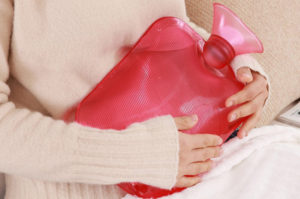
After removal of the inflamed appendix, the patient must correctly and responsibly follow the doctor's recommendations. If you suspect postoperative complications, the help of a qualified specialist is required. To slow down the inflammatory process and reduce pain, a heating pad with cold water should be placed on the patient's stomach, not warm. Heated water will only increase inflammation.
Do not take large amounts of pain relievers after surgery. This will complicate the diagnosis of possible complications. It is unsafe in these cases and the use of laxatives. But vitamins are simply necessary to use, they will speed up the treatment. If possible, it is better to take the antibiotic recommended by the doctor after surgery for an extra 1-2 days to prevent complications.
You can't swim. Therefore, the trip to the sea should be postponed. The bathhouse for the period of the postoperative period is also prohibited. Until the stitches are removed, bath and shower are also prohibited. You should not wash while being in the water with your whole body. Doctors, if necessary, allow to do body wiping with water, washing, washing feet and hands.
The seam area should not be touched, but especially massaged and rubbed. He heals faster if he is properly cared for.
Smoking cigarettes is strictly prohibited. Smoking will hinder the normal course of anesthesia and make the rehabilitation period problematic.
Already after 6-10 hours, the patient should work with correct turning and sitting skills. At first, he needs the help of close people and medical personnel. Experts recommend walking and getting up after 20-24 hours.
After discharge from the hospital, the patient should continue to comply with the following rules:
- Do not eat much;
- Move daily, perform therapeutic exercises and walk short distances;
- Do not lift weights for 3-4 months;
- After water procedures, treat the seams with brilliant green;
- Use a bandage (especially for overweight patients).
This will help to achieve an early end of the rehabilitation period.
Appendicitis is a very common disease. The main thing is to consult a doctor in time and follow all his recommendations. Remember that your life is not only in the hands of the doctor, but also in your hands. Protect yourself.