Obesity in men: home treatments
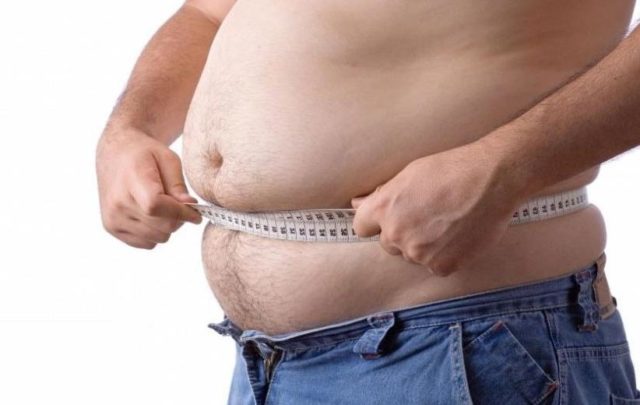
It is believed that obesity in men is much less common than in women. Recently, however, it has become more common. Obesity in the stronger sex differs from that of women in its causes.
Therefore, it is necessary to fight it in other ways. Obesity in men is treated by normalizing testosterone levels. For this, experts individually develop a program for weight loss.
Causes of male obesity
Male obesity occurs in the following cases:
- Leading a sedentary lifestyle.
- Wrong diet.
- Hereditary factors.
A sedentary lifestyle is called physical inactivity. A modern person often uses a car to get to work. This reduces the physical stress on the body.
If a person works in an office, then he does not lift anything heavier than paper and a pen. Lack of exercise can lead to obesity in men.
After the end of the day, most people relax in front of the TV, instead of walking around the city or playing sports.
By consuming non-dietary products, a person, without noticing it, moves towards obesity. To avoid this, it is necessary to replace high-calorie foods and fast food with healthy foods. Men are often used to snacking on hamburgers or sandwiches at lunchtime.
However, this food will not only harm the body, but also will not give a feeling of fullness for a long time. A bowl of soup, salad, or porridge will be much healthier. The more excess weight is gained, the more food is consumed at one time.
Therefore, first of all, you need to reduce portions and eat only healthy and low-calorie foods.
With hereditary factors, things are not so simple. Some scientists argue that genetics can influence obesity, while others are convinced of the opposite.
There are many families where obese parents have children without overweight problems. If a person makes efforts in the fight against extra pounds, and they do not disappear, then the reason may be in genetics.
However, most are simply accustomed to blaming their genes without even trying to fight excess weight.
Types of obesity in men
Obesity in men is of primary and secondary types. The primary type is called alimentary-constitutional. It is characterized by an increase in the supply of nutrients, deposited in the form of a fat layer. The secondary type is characterized by metabolic disorders.
The reason is a disruption in the work of the endocrine system or internal organs. Also, the types of obesity differ from the distribution in adipose tissue: upper (abdominal), lower (pyoid), visceral and mixed.
In abdominal obesity, adipose tissue is deposited in the upper body. This type is most common in men. The cause of abdominal obesity is heredity or endocrine diseases.
In visceral obesity, fat is deposited in the internal organs. Externally, excess weight is practically invisible.
The danger is that obesity in the liver and heart can cause diabetes. With obesity of the heart, the contractility of the heart muscles worsens and coronary heart disease develops. The consequences of obesity in the heart are heart attack or stroke. The causes of fatty liver: fat deposits in it, diabetes mellitus, hypertension, poisoning. Each of these causes impairs liver function.
Fight obesity
It is necessary to start the fight against excess weight by changing the usual way of life. Each program is designed for weight management, physical activity, healthy eating and habit change. In some cases, psychological counseling or drug therapy is needed.
Physical activity and diet
Obese people need healthy foods. A strict diet in this case can be dangerous. Subject to a daily diet, during which it is allowed to consume 1200 calories, the necessary medical supervision. Such diets are considered ineffective because after it the weight gains back too quickly.
After getting rid of excess weight, you need to keep fit. For this, in addition to proper nutrition, daily physical exercises are necessary. Morning should start with exercise.
The set of exercises should be compiled by a specialist. Exercise can help you get your weight back on track and improve your overall health. Walking or cycling daily can reduce your chances of developing cancer, cardiovascular disease, or osteoporosis.
Medical and surgical treatment
Sometimes weight tracking programs include medication. Medicines will not have much effect if not combined with diet and exercise.
Most often, such a program is designed for people with increased obesity or with heart disease. Also, medications are taken by people who suffer from high cholesterol or diabetes.
The drugs should be prescribed by a specialist after examination.
If none of the weight loss options have yielded results, they resort to surgery. Surgery for obesity is to reduce the size of the stomach. This is done so that you feel full after eating a small amount of food. Obesity can be cured with surgery:
- gastrohirurgia;
- gastric bypass;
- lapascopic surgery.
Each of the obesity treatment options has its own risks. Therefore, self-medication is excluded. It is necessary to contact specialists who will draw up an individual program to combat excess weight. Obesity is not only an aesthetic defect, but also a rather dangerous disease.
The consequences of obesity are hypertension, diabetes mellitus, coronary heart disease. In order to get rid of obesity, you need to contact a specialist who will develop a weight loss program.
For prevention, you need to lead a healthy active lifestyle, eat healthy food.
Source: http://ok-doctor.xyz/vidy-ojireniia-y-myjchin-i-sposoby-ego-lecheniia/
Female obesity in men - treatment features
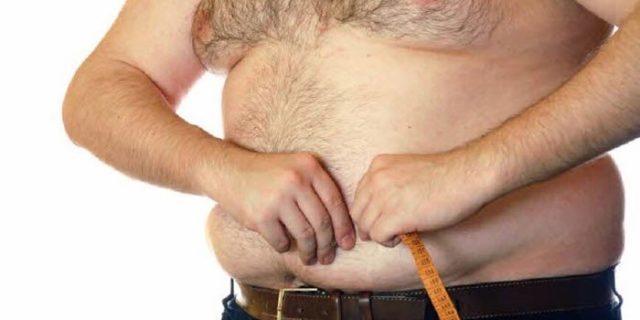
Female obesity is less common in men than abdominal obesity. Despite this, this pathology occurs quite often, and it is caused by hormonal disruption in the body.
During normal operation of all systems and organs, obesity of the buttocks in men, hips and breasts does not occur should, since in these areas fat deposits are usually deposited in representatives of the beautiful floor.
In this article, we want to consider the causes of female obesity, which is called gynoid. In addition, we will analyze the basic principles of combating hormonal pathology.
Reasons for the development of female obesity in men
Obesity in men according to the female type has different causes and treatment. In a normal state, the body maintains a normal concentration of estrogen and androgens. Testosterone is responsible for building the muscles that shape the male figure, and estrogen is so it is not enough that it does not have a noticeable effect on the formation of body fat in the type of female figures.
When hormonal imbalance occurs, causing estrogen levels to rise above concentration of testosterone, the man's potency decreases, and on the buttocks and hips begins to be deposited fat. Fat deposits can also form on the chest. Thus, when female-type obesity occurs in men, treatment involves, first of all, the normalization of hormonal levels.
Other causes of abnormal fat deposition on the male body include the following:
- mental disorders;
- lack of mobility;
- improper diet and diet;
- poor environmental situation.
All of them usually aggravate the situation with hormonal disorders. Another cause of female obesity in men is the use of steroidal bodybuilding drugs. It is quite rare and is due to the wrong approach to the use of drugs that affect the production of testosterone.
What should be the treatment for female obesity in men?
At the heart of the treatment of obesity in men according to the female type is adherence to the correct diet. An experienced nutritionist should calculate the daily calorie intake and make a menu for each day.
It always includes foods high in fiber, vitamins and minerals, high-quality protein foods and some complex carbohydrates. At the same time, all high-calorie foods, especially sweets, are strictly excluded.
It is necessary to learn to eat often and in small portions, and you should never set unattainable goals: strive to lose not 20-30 kg in a month, which is almost impossible, but slowly but surely throw off 5-7 kg.
Physical activity
It plays an important role in the treatment of male obesity in women and vice versa. For a start, it is enough to arrange daily walks or jogging, and over time you should do some active sports. Best suited for cardio workouts on exercise bikes and treadmills, swimming, and more. The main thing is to burn more calories in training.
Drug treatment
Basically, obesity in men according to the female type has hormonal causes, therefore, it is impossible to do without special drugs. They should be selected by an endocrinologist, taking into account the individual characteristics of the organism. He also continues to control the further process of treatment.
Surgical methods
This method of treating female-type obesity in men is aimed at removing adipose tissue in certain areas. There are two popular methods:
- surgical intervention;
- liposuction.
The first option involves a decrease in the stomach so that a man has to eat a smaller amount of food to saturate the body. This can be achieved in different ways. As for liposuction, it involves "sucking" fat from under the skin, but in this case, these deposits can return to their places over time.
Psychotherapy
Some men with female obesity, for whatever reason, require psychological support. It allows you to inspire a person with confidence in himself and his own strengths, forcing him to go towards the set goal, no matter what. The support of close relatives and friends plays an important role in this.
Source: http://www.SportObzor.ru/ozhirenie/ozhirenie-po-zhenskomu-tipu-u-muzhchin.html
What is abdominal obesity: causes and treatment
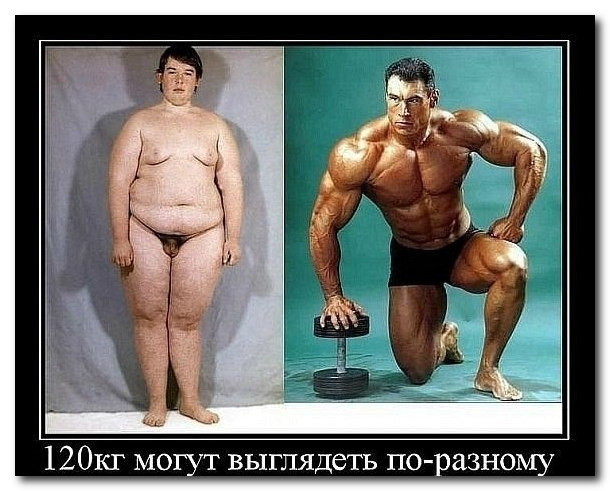
For the stable and full-fledged work of internal organs, the ratio of body weight and height of a person plays an important role. Abdominal obesity is a disease in which significant disturbances in body proportions occur.
Large weight is not only an aesthetic drawback - extra pounds put additional stress on the internal organs and negatively affect their work. Therefore, abdominal obesity requires treatment.
Excessive accumulation of fat in the upper torso and abdomen is called abdominal obesity. This type of pathology makes the human figure look like an apple.
The disease sometimes becomes deadly, since the risk of diabetes, arterial hypertension, oncology, heart attack and stroke increases several times.
According to statistics, the chance of developing cancer increases 15 times, ischemia - 35 times, stroke - 55 times.
This type of obesity is also called visceral, android, or upper obesity. In this case, fatty mass surrounds internal organs, including the heart, lungs, pancreas, and liver.
Most of the adipose tissue accumulates in the intestines and forms in the anterior wall of the peritoneum.
Android fat in a healthy person weighs about 3 kg, in sick people this number is multiplied by 10 times. In a normal state, fat does not interfere with the organs of work, but in case of illness, it puts pressure on them. As a result, the outflow of lymph and blood circulation is disturbed.
People with this obesity cannot withstand physical activity, because the heart is working at the limit of its capabilities. Along with this, disruptions in the functioning of the lungs and other organs occur. Most often, representatives of the stronger sex suffer from abdominal obesity.
Fat cells accumulate in different areas. Depending on their localization, there are:
- peripheral obesity - adipose tissue appears under the skin;
- central - internal organs are covered with fat.
Read also:Why does the stronger sex develop hypospermia and how to get rid of it?
The first type of pathology is the most common and is much easier to treat. The second is less common, but much more dangerous. Treatment and recovery from central obesity is a long and complex process that requires an integrated approach.
In people suffering from this disease, fat is deposited mainly in the abdomen, sides, buttocks and thighs. This type of figure is called a "pear". Occurs in both men and women.
Even 5 kg of excess weight on the stomach sometimes cause irreversible consequences for the internal organs.
People suffering from abdominal obesity are more likely to develop metabolic syndrome - the cells of the body become sensitive to glucose. In a neglected situation, diabetes mellitus may appear.
In addition to hyperglycemia, blood lipids and low-density lipoproteins (bad cholesterol) levels increase in this disease. With an excessive amount of such cholesterol, cholesterol plaques appear, which leads to a sharp increase in the risk of atherosclerotic changes, stroke and myocardial infarction.
For women, the danger of this type of disease is also that the body increases the production of the male sex hormone - testosterone, which is formed in the ovaries and adrenal cortex. For this reason, hirsutism develops - male-pattern hair growth. In addition, due to the increased production of the male hormone, changes in the menstrual cycle occur.
Overweight people are much more likely to develop asthma.
The symptoms of this disease are characterized primarily by an excess of adipose tissue in the upper half of the trunk and abdomen. Such a diagnosis is made when the waist circumference in men is more than 94 cm, and in women - 80 cm. In this case, the body mass index is most often within the normal range.
Other signs that indicate abdominal obesity are:
- type 2 diabetes mellitus;
- arterial hypertension;
- disorders of uric acid metabolism;
- dyslipidemia.
The accumulated fat in this type of obesity plays the role of an endocrine organ and produces the stress hormone cortisol. The patient's body is constantly exposed to stress, which forces the internal organs to function with a doubled load. The hormone interleukin-6 (inflammation) is produced. A simple illness, such as SARS, can cause serious complications.
In men suffering from abdominal obesity, the number of female sex hormones is increasing. This is fraught with potency problems and can lead to infertility. Sexual function in women suffers to the same extent, especially if the amount of visceral fat is more than the norm by 40 percent or more.
An excessive amount of hormones has a negative effect on the work of all organs and systems of the patient's body:
- The vessels suffer from cholesterol, the intestines cannot cope with the amount of food entering it.
- Constipation, flatulence often appear, and the process of fat accumulation does not stop.
- Sleep apnea is observed, accompanied by respiratory arrest.
In 90% of cases, the reason for the visceral type of obesity lies in the fact that the body is not able to spend incoming energy from the outside. It comes in the form of calories with food. Thus, insufficient physical activity along with overeating will certainly lead to the accumulation of excess fatty tissue on the internal organs.
Factors leading to the disease:
- hypodynamia;
- hereditary predisposition to malfunctions of the enzymatic system;
- unhealthy diet: excessive amounts of fried, sweet, salty;
- alcohol abuse;
- overeating due to stress;
- disorders of the endocrine system (Itsenko-Cushing's syndrome, hypothyroidism and others);
- obesity caused by a change in the physiological state (for example, during pregnancy or menopause);
- chronic fatigue syndrome, stress;
- the use of psychotropics and hormonal drugs.
The disease in the stronger sex manifests itself more often, since they are more exposed to the formation of excess adipose tissue on the abdomen. It depends on the testosterone level.
Women with this disease are characterized by low levels of serotonin (a hormone that regulates mental health). A small amount of the substance causes mental disorders and depression, which can change eating habits. A woman begins to seize stress with junk food, which invariably leads to uncontrolled weight gain.
A simple and optimal way out of the situation is to make up for the lack of serotonin. It is found in foods such as:
- oranges;
- bananas;
- broccoli;
- figs;
- Strawberry;
- seaweed;
- bran;
- tomatoes;
- dried fruits;
- hard cheese;
- cottage cheese;
- dates;
- apples.
But such measures may not work if the body is in a neglected state (waist is more than 90 cm).
The fight against abdominal obesity must start with the right mental attitude. It is very important to motivate the patient not only to improve his appearance, but also to get rid of other health problems.
Modern doctors include different directions in the treatment of complications of obesity. The appropriate option is chosen, taking into account the patient's life habits, general condition and other individual characteristics of the body.
Lifestyle changes are the simplest treatment that does not require drugs or surgery. Recommended:
- Stick to diets. Eliminate all high-calorie foods from the menu. It needs to be replaced with herbal products.
- Follow your drinking regimen. Drink at least 2 liters of liquid per day, excluding tea, coffee, soups.
- Perform physical exercises. You do not need to exhaust yourself in gyms, but you need to give the body physical activity, such as: running, cycling, frequent walks in the fresh air, exercising in the morning.
It is easier for men to withstand some changes in the diet and give up the usual food, but only if the diet is varied. For women, this process is much more difficult.
Nutritionists recommend starting with simple steps: swap your favorite foods for foods that are low in calories or completely fat-free. For example:
- fermented milk and dairy products should be taken with zero or one percent fat content;
- replace pork with lean beef or chicken breast;
- fried potatoes - porridge;
- mayonnaise and ketchup - sour cream, lemon juice and vegetable oil.
It is better to completely abandon bakery and confectionery products, but if it is very difficult, then sandwiches should be done with dry crackers or bread, and buns and biscuits should be replaced with oatmeal cookies or vanilla breadcrumbs.
Such nutrition will give the first result in 1-2 weeks - the weight will decrease.
If the goal is to achieve a slim figure and get rid of diseases, you need to forget about alcoholic beverages, including dry wine. It stimulates the appetite, as a result, a person overeats.
Depending on the cause of the disease, the doctor sometimes prescribes therapy, which includes the use of special drugs with testosterone, which contribute to its natural production.
Abdominal obesity can be treated with pills such as:
- Orlistat;
- Sibutramine;
- Fluoxetine;
- Metformin.
In severe cases, the patient requires surgery. Popular and effective types of surgical interventions:
| Name | Description |
| Stomach banding | During the operation, a special ring is placed on the stomach, which divides the organ into 2 parts. In one of them there is a saturation center, so a person eats up faster. |
| Bypass surgery | At the top of the stomach, the doctor makes a small chamber and a detour, so the food bypasses part of the stomach and small intestine. |
| Sleeve gastroplasty | The surgeon excises a small part of the stomach and makes a kind of sleeve. After that, the patient eats much less than before. |
Treatment with folk remedies is due to the use of special decoctions on herbs and plants that have healing properties.
Sometimes it is better to fight obesity with a combination of folk and medical methods. Effective folk recipes:
- Take 350 g of chopped dried apricots, dried figs and Alexandrian leaves. After mixing, a kind of sherbet is formed, which has a pleasant taste. You need to take it twice a day: in the morning and in the evening for 3 months.
- Pour 1 part (by volume) soybeans with wine vinegar, insist in a dark place in a tightly sealed container for 30 days. Then dry in hot air, grind into powder. Take 3 times a day before meals, 2 g of powder.
- Take 5 parts of corn stigmas, 1 part of caraway seeds, 1 part of tricolor violet, 3 parts of yarrow - mix it all. 4 tbsp. l mixture must be poured with a liter of boiling water, boiled for 15 minutes in a water bath and insisted for 30 minutes. Drink 2 glasses twice a day half an hour before meals.
- You will need 10 g of buckthorn and barberry bark, fruits of anise and caraway seeds, yarrow, avran, licorice roots, fucus and sulfur algae. Grind everything into powder. Take twice a day after meals at the tip of a knife, gradually increase the rate to 1 tsp. l. for the reception.
- Mix 50 g of bubble fucus and 25 g each of horsetail, chamomile, dandelion wheatgrass and lemon balm. For 1 hour l the mixture requires one glass of boiling water, leave for 30 minutes. Drink a glass 2 times a day before meals.
Before using any folk remedies, you need to find out if there is an allergic reaction to one of the components of the herbal decoction, and also consult a doctor. It is important to understand that it will not be possible to remove obesity only with the help of herbs and plants. This method is only auxiliary.
Source: https://nadietu.net/weight-loss/losing-belly-fat/abdominalnoe-ozhirenie.html
Obesity: degrees, types, causes, treatment
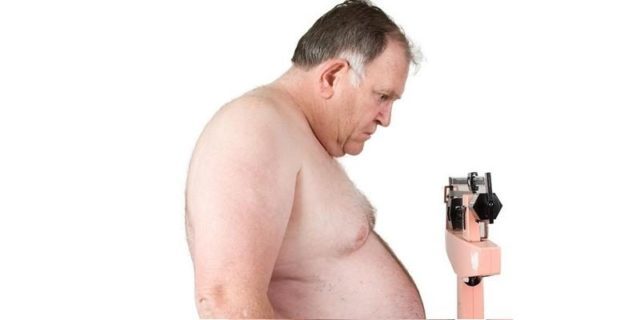
Obesity is a disease characterized by an increase in a person's body weight due to an increase in the volume or number of fat cells in the body. It is based on either an increased supply of nutrients from the outside, or a decrease in nutrient intake, and their further deposition in the form of fat.
Causes
The causes of obesity are associated either with overeating or inadequate energy intake by the body.
Overeating can be associated with a number of points: - the peculiarities of the family's food culture - the habit of overeating is encouraged from childhood; - with a violation of the diet and the ratio of nutrients in the diet, when the advantage is given to fatty and carbohydrate foods; - as a consequence of the lack of certain vitamins and minerals in food - while the body tries to make up for the deficiency, increasing the amount of food eaten; - with disorders of the nervous system, for example, under stress, obesity develops due to the need to "seize" the problem; - bulimia - diseases of the nervous system, when a person does not feel full, regardless of the amount of food eaten; - diseases of the gastrointestinal tract, for example, with biliary dyskinesia, when normal contraction of the gallbladder does not occur, bile is secreted in small portions, constantly stimulating appetite; - periods of hormonal changes, especially in adolescence and in the "period of extinction";
- diseases of the endocrine system, for example, with metabolic syndrome, when insulin secretion is impaired - its level immediately after eating below normal, but significantly increases 1-1.5 hours after eating, while the blood sugar level drops, and a strong feeling of hunger arises.
Obesity and exercise are also closely related.
Insufficient consumption of energy by the body can be observed in a number of conditions: - with physical inactivity - "sedentary" image life, when physical activity is practically absent, while energy is not wasted, but is deposited in the form of fat fabrics; - with a decrease in the level of physical activity - it is observed in athletes who stop intensive sports. At the same time, more energy comes from food than is spent; - after prolonged fasting. At the same time, the body gets out of the stress created by the diet and tries to “stock up” on adipose tissue to the detriment of energy consumption for other needs;
Read also:Why do white pimples appear on the head?
- with endocrine diseases, for example, with illness and Itsenko-Cushing's syndrome, when all the nutrients under the influence of excess hormones go to the formation of fatty deposits, and not to the normal work of internal organs.
Types
Different types of obesity are distinguished depending on the characteristics underlying the division. Due to the occurrence, primary and secondary are distinguished.
Primary or alimentary-constitutional is associated with an increased intake of nutrients into the body, and their deposition in the form of adipose tissue. Secondary is associated with disruption of the internal organs, more often - the endocrine system; in this case, metabolic disorders occur.
According to the distribution of body fat, abdominal obesity is distinguished - upper; gynoid - lower; mixed and visceral.
Abdominal, upper, android, like an "apple", is characterized by the deposition of adipose tissue mainly in the upper part of the body: on the arms, neck, chest and abdomen. At the same time, the hips and legs remain relatively slender.
This type is typical mainly for men, although it also occurs in women. The tendency to this form is inherited, in addition, it is characteristic of endocrine diseases.
Abdominal obesity is often combined with visceral obesity, and significantly increases the risk of developing cardiovascular diseases.
Visceral obesity is characterized by fat deposition in internal organs. At the same time, outwardly, a person has practically no signs of overweight.
This is the most dangerous type, as it is accompanied by obesity of the liver and heart, which leads to cardiovascular complications and can lead to the development of diabetes mellitus. In order to determine the presence or absence of visceral, the waist circumference should be measured.
For men, this figure should be up to 94 cm, if it rises above 102 cm, we can talk about a very high risk of complications. For women, the waist circumference is 80 and 88 cm, respectively.
Heart obesity manifests itself in the form of fat deposition around the heart sac. This impairs the contractility of the heart muscle, contributes to the development of heart failure, atherosclerosis of the coronary vessels of the heart, which leads to the development of coronary heart disease. People also have an increase in blood pressure, the risk of heart attacks and strokes increases.
Fatty liver is one of the manifestations of the visceral. Its other name is fatty hepatosis. In addition to malnutrition, excessive fat deposition in the liver is observed in various diseases: diabetes mellitus, hypertension, hepatitis, and poisoning.
This leads to deterioration of the liver: its ability to detoxify (neutralize toxic substances), function of bile formation, synthetic function (formation of various proteins, enzymes, etc.).
This species also contributes to the development of cardiovascular, endocrine diseases and pathology of the gastrointestinal tract.
In women, it is more often of the gynoid, lower, femoral-gluteal type. In this case, the figure takes on the appearance of a pear. Fat deposits in this case are located in the thighs and buttocks.
This distribution is due to the action of female sex hormones, which accumulate in adipose tissue and contribute to its growth in the lower half of the body.
In men, this type of obesity occurs with endocrine disorders and abnormal liver function. With a mixed type, fat deposition occurs evenly.
Diabetes
Obesity in type 2 diabetes mellitus can be safely combined under one concept. This is included in the concept of metabolic syndrome, which, in fact, is prediabetes. In this case, the absorption of glucose is disrupted, which manifests itself in the form of an increase in its level after eating above normal.
Prolonged overeating leads to depletion of the body's enzyme systems, as a result of which the digestive capacity of the liver and pancreas decreases. Over time, the ability of the cells of the pancreas to secrete the hormone insulin gradually decreases. A decrease in insulin leads to an increase in blood glucose levels, and the development of diabetes mellitus.
There is also a decrease in insulin sensitivity of cells, which leads to metabolic disorders in the body.
You can determine the degree of obesity, or its absence, using the formula for determining the body mass index (BMI). To do this, the weight in kilograms is divided by the square of the height in meters: BMI = weight, kg / (height, m) 2.
The indicator of normal weight is in the range from 20 to 30 units. Completeness is evidenced by indicators of 25-30 units. Lack of body weight develops with a decrease in BMI below 20, there is a lack of weight.
The condition when the body mass index exceeds 30 is called obesity.
Degrees
Obesity of the 1st degree develops when the body weight exceeds the normal rate by 10-30%, while the BMI is 28-30.7 for women, 30-32 for men.
With the 2nd degree, the body weight exceeds the norm by 30-49%, and the BMI is in the range: in women - 31-34.5, in men - 32.3-37.2. The third degree is characterized by an increase in body weight by 50- 99%. BMI in this case is 35.5-47.3 in women, 37.7-49.7 in men.
The 4th degree develops with an increase in body weight by 100% or more, when the BMI corresponds to the indicators in women more than 47.3, in men more than 49.7.
The 3rd and 4th degrees are called morbid (painful), since in this case there is a significant failure in the work of all organs and systems that are not able to function normally in such conditions.
How to treat
Obesity can be treated with drugs and lifestyle modifications. In more severe cases, with the 3rd and 4th degree, surgical treatment is required.
Lifestyle and diet include: - changing the diet: you should eat often, but the amount of food should be reduced; - a change in the nature of food: an increased content of protein and vegetable fiber, vitamins and minerals, and the content of carbohydrates and fats should be reduced; - rejection of bad habits: smoking leads to a chronic state of oxygen starvation of all cells of the body, which slows down metabolic processes in them, and alcohol contains a large number of calories, completely useless for organism; - dosed physical activity: physical education should be started with moderate, but regular loads, in no case overloading the body; - walks in the fresh air contribute to the flow of oxygen into the body, toning it up and activating metabolic processes; - healthy sleep normalizes the functioning of the gastrointestinal tract and nervous system, thereby reducing appetite;
- the formation of a food culture in the family, refusal of snacks, the formation of the habit of eating at the table with the family.
Medicines
Medicines for obesity are used in extreme cases, since they have a large number of contraindications, and some of them are prohibited for use.
The action of the tablets is based on several mechanisms: - decreased appetite; - strengthening of metabolic processes; - inhibition of the absorption of fats and carbohydrates in the intestine; - restore insulin sensitivity.
Drugs that reduce appetite and increase energy consumption belong to the group of narcotic substances, and are prohibited for use in most countries (sibutramine, rimonabant, fenfluramine).
Medicines that slow down the absorption of fats and carbohydrates in the intestines - orlistat, xenical, acarbose. Orlistat (Xenical) inhibits the release of the lipase enzyme that digests fats.
Acarbose in the same way affects the enzymes that break down starch. Fiber also slows down the absorption of fat in the intestines.
Metformin restores the sensitivity of body cells to insulin, thus normalizing metabolic processes.
Folk remedies
Folk remedies for obesity include the use of herbal teas and decoctions that reduce appetite and increase intestinal motility.
Use a mixture of equal parts birch buds, chamomile flowers, St. John's wort and immortelle to make an appetite-reducing tea.
A mixture of grass hay, raisins, dried apricots and flower honey enhances intestinal motility and replenish the lack of macronutrients in the body. Essential oils also reduce appetite: grapefruit, sweet orange, rosemary, geranium, ginger, lemon and fennel.
Hypertension patch
Plaster for hypertension in obesity has a local irritant effect, which increases blood flow to the "problem areas", increasing the breakdown of fats in this place.
Ginkgo biloba extract has a general effect on the body, which activates processes in the brain, reducing appetite.
The use of a plaster for hypertension in complex treatment prevents the development of diseases of the cardiovascular system.
Source: http://blmd.ru/stati/38/ozhirenie-stepeni-vidy-prichiny-lechenie.html
Obesity pills treatment - drug prevention, surgery

Many hundreds of years ago, completeness was mainly considered a sign of beauty and well-being, antiquity worshiped corpulent women who could bear many children, and a man with a belly was considered an enviable groom, because he has a lot food. But times have changed, and already in the ancient period every ancient Greek had to be thin and fit - a cult of athletic appearance appeared.
Trends of our time
In our century, the fashion for a toned body has returned again, but in the conditions of fast modern life, people often do not have enough time even to eat right. That is why healthy food is being replaced by fast food, and sedentary work and rest at the computer contribute to the accumulation of extra pounds. Together with a slow metabolism, all these factors lead to a disaster - the development of obesity.
Obesity is not just about being overweight. For this diagnosis to be made, the fat mass must be approximately twenty percent of the patient's normal height.
Do not think that this condition is not dangerous - medical research confirms that it increases significantly stress on the spine, the risk of heart attack, stroke, diabetes mellitus, liver problems and kidneys. Deaths from these diseases are not uncommon.
That is why obesity needs to be properly treated, but not everyone knows how to get rid of obesity.
Obesity types
A fairly common classification is the division of types of obesity according to the principle of distribution of fat mass:
- Apple-type obesity, or abdominal obesity. Most often occurs in men, with all excess weight accumulating in the abdomen. But there are frequent cases of obesity of this type in women.
- Pear-type obesity - in this case, fatty deposits are observed in large quantities in the thighs, buttocks and legs. In most cases, women suffer from such obesity. In males, it can occur with hormonal disorders, when the process of testosterone production is disrupted, and estrogens are increased.
- The mixed type is a cross between the two types listed above - fat is deposited both on the abdomen and in the thighs.
Read also:Proper nutrition for a man before planning a pregnancy
Apple-type obesity and mixed type are the most dangerous, since in such a situation the risk of concomitant diseases increases significantly.
A more accurate determination of the external type of disease is possible by measuring the circumference of the waist and hips. The ratio of these numbers will show which obesity is more characteristic of the patient. In most cases, a waist circumference of more than 100 centimeters in men and more than 90 in women indicates the presence of apple-type obesity.
In addition to the above classification, WHO has proposed a more scientific classification that divides obesity into three degrees:
- With obesity of the first degree, BMI, or body mass index, is 30-35;
- With the second - 35-40;
- The third is characterized by a BMI over 40.
Body mass index is very easy to calculate, there is a special formula. For the calculation, only two numbers are needed - height in centimeters and weight in kilograms. Then the weight must be divided by the height squared.
Weight norms
The normal weight for a certain height is also calculated very easily - for this, Broca's index is used, which is found by subtracting the number 100 from the centimeters of growth.
That is, for a woman with a height of 175 centimeters, the normal weight can reach 75 kilograms.
But, according to recent studies, five to ten percent must be subtracted from the figure obtained to calculate the ideal body weight.
This formula is not suitable for everyone: it is imperative to take into account the person's age and type of body structure.
For example, for a woman with a height of 170 centimeters and an age of more than seventy years, a weight of 70 kilograms will be considered overweight, since at this age the muscles atrophy and their mass decreases, that is, the main body weight is precisely fat interlayer.
And the weight of a person who is professionally involved in sports or bodybuilding may exceed normal numbers, since he has a large amount of muscle mass.
In children and adolescents, weight should be measured based only on their height, while it is important to take into account the physique, since, for example, people of the asthenic type weigh much less than normosthenics.
For newborns, the average weight is about three kilograms, by the year of life, the child should weigh about ten, and by the age of two, under normal conditions, children are gaining only a couple of kilograms.
In subsequent years, before puberty, the weight rate increases by two kilograms per year, and after twelve years old, body weight increases by six or more kilograms, up to ten during the period active growth.
Exceeding the numbers that are considered the norm for certain types of body structure, coupled with growth, by fifteen percent may already be a reason for going to a doctor for correct treatment.
Obesity in women
In most cases, signs of obesity appear in those women whose relatives are also overweight.
In addition, genes passed down from parents are responsible for the process of digesting food, converting it into energy, metabolic rate and appetite.
Eating skills learned in childhood also have a significant impact - if the child is used to eat flour in large quantities every day, then in adulthood he will be drawn to buns and buns.
With age, the metabolism slows down even more, in addition, you have to feed a large family, and in the process of culinary Exercise, the mother of the family tries all the dishes, often eating about the same as her lunch portion. Physical activity is becoming less, and extra pounds - more and more.
In addition to these major factors, certain medications and hormonal birth control can contribute to weight gain. Many women who quit smoking begin to "seize" harmful cravings. And during pregnancy, the body begins to accumulate excess fat for normal bearing of the fetus, and it is very difficult to get rid of these kilograms later.
Obesity in men
In most cases, the reason for gaining extra pounds is a low content of testosterone in the body against the background of increased production of estrogen.
It is in the adipose tissue that the process of processing male hormones into female ones takes place, which contribute to the formation of excess weight, due to which the level of estrogen increases.
Hormones in obesity in men lead to the formation of a vicious circle, from which it is rather difficult to get out.
Male obesity can lead to impaired sexual function, infertility, diabetes and other unpleasant diseases, not to mention self-doubt and psychological problems.
Excess weight in men is very difficult to remove, since everything happens at the hormonal level. That is why the representatives of the stronger sex, observing signs of obesity, need regularly get tested for testosterone in order to start correcting the situation first in the office endocrinologist.
Childhood obesity
In more than half of cases of observation of excess weight in adults, their problems began in childhood. If both parents are obese, then the child's predisposition to this disease reaches 80%.
Obesity is especially dangerous in early childhood, when all organs and tissues are actively developing.
Severe pathologies from the cardiovascular system, late puberty, stably disturbed metabolism and other serious troubles can be observed.
In most cases, overfeeding is the cause of an overweight baby, as it is believed that babies must eat well to be healthy.
Against the background of the abuse of sugary soda, junk food, chips and other not very healthy foods, increased feeding can lead to disaster.
With this development of events, even very mobile children can suffer from obesity, not to mention those who like to spend their free time on the couch watching TV.
In some cases, congenital pathologies, genetic diseases, and lesions of the central nervous system can become the cause of obesity. In this case, you need to pass all tests and undergo thorough examinations in order to exclude the likelihood of the presence of such pathologies.
Obesity reasons
The main reason for the accumulation of excess weight is a clear variation between the amount of calories entering the body and actually used to maintain life. Other reasons include:
- Passive lifestyle;
- Too large portions of food;
- Genetic disorders of the process of normal lipolysis, metabolic disorders for hereditary reasons;
- Hormonal disorders and endocrine pathologies;
- Pregnancy, lactation, menopause;
- Taking certain medications.
How obesity is treated
Preferably split meals, in which a person eats five to six times a day, but in small portions. At the beginning of such a hypocaloric diet, the body in most cases perceives it as stress and begins store even more fat, so specially formulated exercise and exercise are used to reduce weight physiotherapy.
If the degree of obesity is revealed very clearly, it is possible to prescribe therapeutic fasting for weight loss for a short period of time, but only if provided that the patient is in the hospital and under constant medical supervision, since during fasting the patient may require assistance doctors.
If diet and exercise have failed, your doctor is likely to prescribe anti-obesity pills that are designed to help you lose weight.
Drugs for the treatment of obesity of the amphetamine group can slow down the onset of hunger, a person will be able to fill up faster, such drugs are known for their anorectic effects.
Often, patients are prescribed Phenotropil, which has a beneficial effect on the nervous system, soothes and dulls the feeling of hunger.
The drug Phenotropil gives vitality and allows you to actively engage in sports, often other drugs are combined with it from obesity, for example, Meridia is able to accelerate satiety and block hunger, and Xenical slows down the process of fat absorption intestines.
It is important to remember that neither these drugs nor Phenotropil should be taken independently and uncontrollably. Only a doctor can choose a cure for obesity.
Reviews for drug treatment of obesity are extremely positive, the use of drugs such as Phenotropil and Meridia leads to good results.
Rehabilitation for obesity helps the organs to restore normal activity, for this, nutrition is constantly adjusted, physical exercises are prescribed to maintain the results obtained, and the patient must also attend physiotherapy procedures.
Surgical treatment of obesity
Many patients who are unsuccessfully struggling with obesity, sooner or later begin to think about which surgical methods of treating obesity really work and what their cost. The most common ways obesity is treated with surgery include:
- Vertical gastroplasty. Surgery has been using this method for a long time, during the operation the stomach is divided into two parts: a small upper and a large lower one, which communicate through a small opening. Thanks to the fast filling of the upper section, the feeling of fullness appears immediately.
- Gastric banding is similar to gastroplasty - the stomach is pulled over with a special cuff, dividing the organ in two, and a device placed under the skin helps to regulate the compression ratio cuffs. It turns out a kind of bandage on the stomach, as the name says.
- Gastric bypass surgery is a type of obesity surgery in which the upper stomach is isolated and connected to the rectum. Such a remedy allows not only to reduce appetite, but also to remove a strong addiction to food.
Surgical treatment of obesity is used in cases where diet, exercise, Phenotropil and other drugs do not have the desired effect.
Folk remedies for obesity
With a small degree of disease, obesity treatment with folk remedies has an excellent effect on the body and promotes weight loss. It is impossible to cure obesity completely with such methods, but you can direct your body to improve the condition. You need to know what folk remedies will help in losing weight:
- Dissolve a spoonful of honey in a glass of hot water, drink it, and then do not eat for two hours after that. Repeat the same steps before bedtime. The course is a month.
- A mixture of honey and celery juice is taken two tablespoons three times a day.
- Ten joints of a golden mustache need to be poured with apple cider vinegar and insisted for one week. Drink the resulting liquid in a teaspoon half an hour before meals.
Healthy honey drinks for weight loss
Treating obesity at home can be done with diuretic teas, which help remove excess fluid from the body. Long walks can help revitalize the body to fight obesity.
Prevention of obesity
There are only two basic principles that obesity prevention implies:
- Nutrition adjustment. No fast food or snacks on the run. No sugary sodas and lots of buns. Steamed food, lots of vegetables and fruits in the diet. Compliance with all recommendations given by the attending physician.
- Physical activity, sports, frequent walking, exercise and warm-up.
In the modern world, completeness is no longer a sign of wealth, but, on the contrary, indicates an illness. Do not hesitate: numerous rehabilitation clinics know how to treat obesity, and will contribute to it.
Source: http://OGormone.ru/bolezni/ozhirenie/lechenie-tabletkami.html