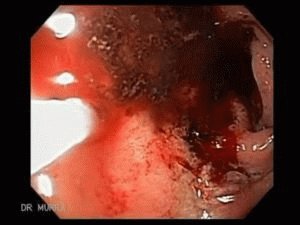
Duodenal bulb ulcer: symptoms and treatment
Duodenal bulb ulcer presents small, inflamed, deep, rounded areas that are formed due to increased acidity and high levels of pepsin. The situation is similar to that of the gastric corpus. If the necessary treatment is not carried out, the resulting defects deepen to the epithelial layers, leading to internal bleeding and perforation of the organ walls. Based on the various reasons for the formation of the affected areas, the volume of damage to the mucous membrane and the depth of penetrating defects into the layers, the classification of the disease is determined.
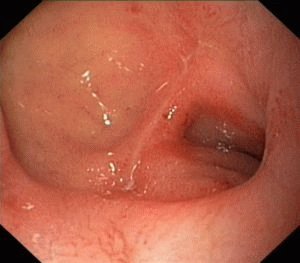
Ulcer of the bulb of the duodenum
Duodenal ulcer is a chronic disease with periods of exacerbation. Exacerbated when there is a dysfunction of gastric secretions and duodenum. Erosion appears either in the zone of the walls of the intestinal mucous membranes, or on the duodenal bulb. It got its name because of its spherical shape.
Content
- 1 Causes of the onset and progressive process of peptic ulcer disease
- 2 Duodenal ulcer and its symptoms
-
3 Ulcer classifications
- 3.1 Acute ulcer
- 3.2 Chronic ulcer
-
4 Features of the treatment of duodenal bulb ulcers
- 4.1 Prohibited food
- 4.2 Allowed food
- 4.3 Diet
- 4.4 Sample menu for duodenal disease
Causes of the onset and progressive process of peptic ulcer disease
There are twelve known causes of this disease:
- Alcohol abuse;
- High levels of acidic gastric juice;
- Failure to comply with dietary norms;
- Unusual congenital structure of the gastrointestinal tract, genetic predisposition;
- Small intestine affected by Helicobacter Pylori microbes of the stomach;
- Serious hormonal disruption of the body, failure of the protective functions of prostaglandins, designed to protect the mucous membranes from acid;
- Complications of gastrointestinal diseases, for example, gastritis;
- External and internal damage to the gastrointestinal tract: a strong blow, a foreign body that has entered the body;
- Consequence of taking medications;
- Abuse of harmful fried, smoked, spicy foods;
- Lack of vitamins;
- Damage by parasitic invasions, for example, ascaris.
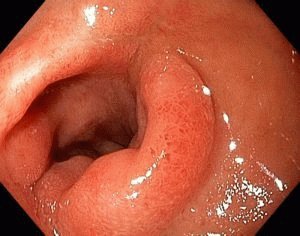
Peptic ulcer progression
Duodenal ulcer and its symptoms
Similar pathological processes are characterized by symptoms:
- Frequent nausea and vomiting, after which there is no relief;
- The presence of blood clots and discharge in vomit, feces;
- Constant high temperature up to 38 degrees;
- Bloating;
- Heart palpitations exceeding 95 beats in 60 seconds;
- Constant pain in the abdomen. Often the pain radiates to the lower back, upper extremities;
- An ulcer of the stomach bulb is characterized by painful sensations that appear against the background of hunger;
- False and frequent urge to defecate;
- Refusal to eat or, conversely, an increased feeling of hunger;
- There is an additional symptom that occurs in selected cases of peptic ulcer disease - a feeling of heartburn with the release of a small amount of stomach contents into the mouth area.
Eating a variety of foods, people do not think about the effects of food on internal organs. Improper diet is a common cause of symptoms and treatment of stomach and duodenal problems. More negative effects arise from spicy, fried, salty and smoked foods, fast food and heavily carbonated drinks. The above contributes to the strong secretion of gastric juice. If a hungry person does not provide the stomach with the necessary amount of food, the juice produced becomes dangerous for the body, the first symptoms of peptic ulcers.
Often there are sick people in whom the microorganisms "Helicobacter Pylori" resistant to gastric juice are found. Microbes are transmitted from sick to healthy through the sharing of dishes or cutlery.
Ulcer classifications
The ulcer of the dpk bulb, according to current medical professionals, is classified according to the depth and duration of its existence.
In terms of depth, ulcerative lesions are subdivided into:
- Surface;
- Deep;
- Through.
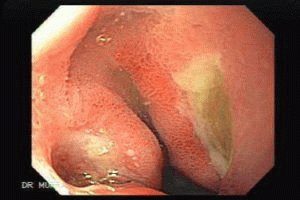
Bulb peptic ulcer
In terms of duration, ulcerative formations are divided into:
- Sharp;
- Chronic.
Acute ulcer
An acute ulcer of the duodenal bulb is formed due to injuries that have appeared from the outside. These include severe burns, extensive areas of wounds, pancreatitis, other inflammatory processes, techniques drugs traumatic to the body, for example, aspirin, prednisolone and various hormonal funds.
Chronic ulcer
Chronic ulcer of the duodenal bulb appears as a result of prolonged exposure to stress, inappropriate nutrition, Zollinger's disease or as a result of infection with Helicobacter bacteria Pylori.
In the case of Zollinger's disease, the disease progresses slightly differently. A benign tumor forms in the pancreas, causing increased secretion of the organ. The result of the process is the hormone gastrin entering the bloodstream, due to which the stomach produces hydrochloric acid, the culprit of injuries to the wall zones and the duodenum.
In elderly people, a type of ulcer is observed, sometimes turning into oncological disease, if you do not start treatment in a timely manner. Similar processes occur due to atrophied mucous membranes and other diseases.
Features of the treatment of duodenal bulb ulcers
An optimal treatment for duodenal ulcers has been developed - therapeutic nutrition.
Diet for peptic ulcer diseases differs in special properties. It is important to strictly observe the correct choice of food assortment and the rules for preparing food of a set volume. Following the nuances, it will be possible to notice an improvement in the state of the body and get rid of the disease.
Nutrition for an ulcer includes the basic principles of treatment:
- fractional meals, implying frequent daily meals in small portions;
- dishes should be steamed;
- food must be thoroughly chewed;
- it is recommended to consume about 2 liters of water per day;
- the least amount of salt consumed or the rejection of the substance;
- the use of seasonings is strictly prohibited;
- it is strongly recommended to completely exclude the intake of cold food;
- the last portion should be taken three hours before bedtime.
Treatment of ulcers of the duodenal bulb implies the correct selection of food products in certain categories. Distinguish between prohibited types of food and permitted.
Prohibited food
It is highly recommended that you eliminate the following foods from your diet:
- Salo;
- Beef or pork broth;
- Fried meat;
- Fat;
- Black rye bread;
- Various types of baked goods;
- Smoked and pickled dishes;
- Raw vegetable products, including cabbage
- Tomato;
- Sweets and biscuits;
- Dairy products with high fat content;
- Alcohol;
- Coffee and black tea.
Skip coffee and black tea
Allowed food
As a rule, with a duodenal ulcer, you should definitely eat the following types of foods:
- Soups of "useful" types, for example, dairy, vegetable, chicken;
- Milk porridge and boiled in water;
- Boiled dietary meat;
- White bread;
- Low-fat dairy products, including cheese;
- Honey;
- Frozen fiber, vegetables, fruits;
- Boiled eggs.
Diet
Despite the fact that the symptoms and treatment of peptic ulcer diseases differ, first of all, having found the first main signs, you should immediately change the diet to avoid possible complications, the occurrence of internal abundant bleeding. Otherwise, it will lead to an immediate progression.
Experts call the pain experienced by a person who has been diagnosed with this unpleasant disease, "hunger pains." In this case, it is the diet that plays the most important role in treatment. The bulbous area is affected by ulcers due to unexpected stress factors, or a sharp decrease in the amount of food consumed, for example, in order to lose weight. The food that a person takes can be both a cure for a disease and the cause of such troubles.
Therefore, the main way to get rid of the disease is diet. The main thing to consider is the minimum portions of food consumed five or six times a day. In addition, bad habits, even smoking and especially alcohol, contribute to the disease. The maximum amount of food intake per day should weigh two and a half kilograms.
It is required to ensure that, when observing special diets, a feeling of heaviness in the stomach does not appear. The amount of carbohydrates in one meal should be 400 grams, fat - 90 grams, proteins - 90 grams. Food is steam cooked, chopped and boiled with the least amount of added salt.
The paramount task of the diet for peptic ulcer disease is the balance of the digestive process and complete rejection of those products that adversely affect the mucous membrane of the wall stomach. It is recommended to adhere to the diet for at least three to four months, however, if a chronic form of the disease is identified, this way of eating should be maintained for life.
Sample menu for duodenal disease
The diet is as follows. For breakfast, it is recommended to cook rice porridge in milk containing a low percentage of fat, boiled egg and green tea. Snack - baked apple. Lunch - soup with vegetables, steamed chicken cutlets, carrot puree and compote. Afternoon snack - a glass of low-fat kefir, dietary marshmallow. Dinner - mashed potatoes, steamed fish, low-fat kefir and fruit jelly.
If you use a similar method of nutrition, the first symptoms of the disease will pass, after which a gradual recovery of the body will begin.