Reusable (non-sterile) surgical instruments
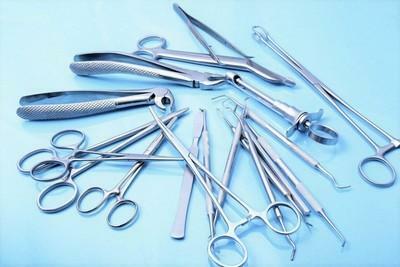
Not every medical instrument used should be disposed of after use. Reusable non-sterile instruments make up a significant part of the entire equipment of doctors. They are sterilizable and reusable. Non-sterile instruments are essential for the household needs of a medical institution. For safe use and long service life, such tools must be made of high-quality materials according to technology verified over the years. Surgical medical instruments from the German manufacturer CM Instrumente GmbH meet these requirements. The assortment can be found at the link: https://cm-instrumente.ru/.
Scope of application
Sterilized reusable instruments are used in the process:
- diagnostic manipulations to identify pathology;
- professional examinations;
- operations;
- dressings;
- imposition and removal of surgical sutures;
- collection of biomaterials for analyzes.
These products are made of stainless steel and biocompatible plastic.
What are
Depending on the field of medicine and the purpose of use, the following groups of reusable instruments can be distinguished:
- Drills, knitting needles, wire: needed for fixing bone fractures, skeletal traction.
- Handles: Designed for dental mirrors or blade attachments for surgical procedures.
- Electrodes: for performing physiotherapy procedures (electrophoresis).
- Needle Holders: Required to hold the surgical needles while suturing.
- Funnels: with their help, visually examine the mobility of the tympanic membrane.
- Ear probes for diagnostics, cleaning and lubrication. They are also dental and uterine probes.
- Spatulas for examining the throat and mouth.
- Forceps: hemorrhoidal, uterine, obstetric.
- Neurological hammer for the study of tendon reflexes.
All instruments are manufactured in accordance with GOST and must go through several stages of sterilization.
How to store non-sterile metal products?
They should be kept in a clean and dry environment. The shelf life of non-sterile products is not limited. The products are made of non-degradable materials, therefore, when kept in the recommended conditions, problems with early loss of properties are excluded. The user is responsible for storing sterilized products in conditions that ensure the sterility of the instrument until the time of use.