Dermatitis during pregnancy: treatment, symptoms, causes
Content
- The reasons for the development of the disease
- Types of dermatitis
- Typical symptoms of the disease
- Treatment of dermatitis during pregnancy
During pregnancy, women often experience exacerbation of various diseases, including pathological processes of a chronic nature. One of the most common diseases is dermatitis during pregnancy, which most often develops early in pregnancy and lasts throughout its entire duration.

The characteristic feature of the disease is the ability to disappear on its own after delivery. However, allergic dermatitis can be troublesome during pregnancy, especially when there is no treatment.
The reasons for the development of the disease
There are many reasons for the development of the disease, but the most common are:
- hormonal disorders in connection with the restructuring of the body in pregnant women;
- a weakened immune system;
- external exposure to allergens;
- temporary conflict between the cells of the mother and the fetus;
- ointment and cream with the addition of hormones;
- disturbances in the work of the digestive system;
- genetic predisposition;
- the influence of climatic conditions (sun rays, cold, wind, etc.).
It is important to monitor such reactions and take timely measures to prevent relapses.
Types of dermatitis
The disease in women in an "interesting position" manifests itself in various signs, so specific therapy is required.
The most common forms of dermatitis during pregnancy include:
ATOPIC (ALLERGIC) FORM. Allergic dermatitis is characterized by a hereditary history and can be transmitted from parent to child. If this disease occurs in a pregnant mother, then in almost 100% of cases the baby will also suffer from it at an early age.
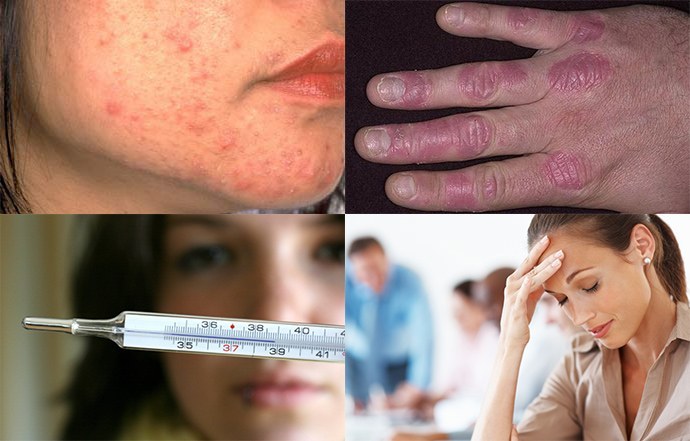
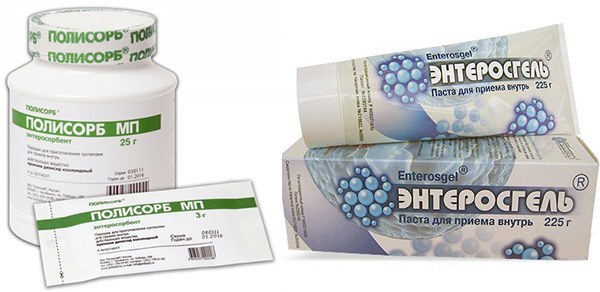
Symptoms of allergic dermatitis are redness of the skin, itching and flaking of the skin. Allergic dermatitis in women during this period of time requires mandatory treatment and adherence to a special diet that limits the intake of highly allergenic foods. In the most severe cases, antihistamines are prescribed (Suprastin, Claritin, Zodak, etc.), as well as enterosorbents (Filtrum, Enterosgel, etc.).
In the event that the treatment is ineffective, the patient is hospitalized in a hospital for further therapy under the supervision of a physician.
It is important to note that among all types of skin pathologies, the atopic form of the disease in pregnant women is most common.
PERIORAL. Perioral dermatitis is classified as perioral or rosaceous and presents with a watery rash on the face. With the development of these signs, perioral dermatitis requires a diagnosis in order to confirm it, since in some skin diseases there are similar symptoms.
As a rule, the usual perioral dermatitis is not dangerous for a woman "in position". He is not able to have a toxic effect on the fetus, excluding perioral dermatitis, complicated by concomitant diseases. In this case, treatment requires antibiotic therapy, which is highly undesirable. Such therapy is allowed at the end of the first trimester of pregnancy. Perioral dermatitis of uncomplicated form is treated with external non-hormonal drugs (Bepanten cream, etc.).
SEVERAL FORM. Itching is a characteristic symptom of the disease. Seborrheic dermatitis was no exception, which, in an uncomplicated course, is not dangerous for the mother and child. Seborrheic dermatitis during pregnancy is manifested by hyperemia of the affected area, acne, and whitish scales on the surface of the skin. As a rule, seborrheic dermatitis develops against the background of hormonal disorders, as well as increased sensitivity of the epidermis.

Seborrheic dermatitis is easy enough to diagnose, since in the initial stage, seborrheic dermatitis occurs with profuse dandruff on the scalp. In addition, the seborrheic type of dermatitis can provoke the development of weeping eczema as a result of skin scratching.
Treatment of the disease consists in the use of antihistamines (Suprastin, Loratadin, etc.) and antibacterial drugs (Elokom, Metrogyl, etc.). In severe cases, the doctor may prescribe an ointment and cream with the addition of corticosteroids, but their use recommended in exceptional cases, since hormonal drugs have side effects manifestations.
Typical symptoms of the disease
It should be borne in mind that the symptoms of the disease in women in an "interesting position" are accompanied by periodic exacerbations and periods of remission. Acute symptoms can be triggered not only by food, but also by stressful situations.
Allergic dermatitis in pregnant women is accompanied by the following manifestations:
- the appearance of a hyperemic watery rash on the skin;
- increased lacrimation and rhinitis;
- hair loss and splitting of nails are sometimes observed;
- intolerable itching, which can lead to a secondary infection;
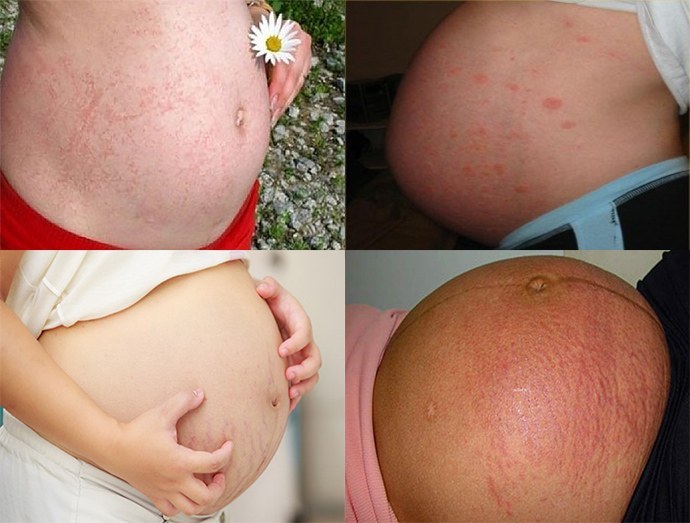
- with a mild degree of dermatitis, the symptoms are mild. With moderate severity of the disease, the rash spreads to the face, chest, back and abdomen, accompanied by severe itching. In the last stage of the disease, all symptoms are most pronounced. Unbearable itching can lead a woman to a nervous and emotional breakdown.
If symptoms appear on the hands, knees, elbows, neck and abdomen, this indicates allergic dermatitis. In addition, exacerbations periodically occur, which are most often observed in the first and last trimester of pregnancy.
Treatment of dermatitis during pregnancy
In any case, treatment is prescribed, depending on the severity of the manifestations and the general condition of the woman and the baby. It is recommended to treat negative manifestations during pregnancy based on medical indications.
After examination, the doctor may prescribe antihistamines - Chloropyramidine or Suprastin.

Starting from the 2nd trimester, you can use the course treatment with Allertek or Cetirizine. Medicines such as Clemastine and Tavegil are recommended for use when there is a risk of developing allergies in pregnant women in the absence of alternative therapy. In exceptional cases, when the mother's condition negatively affects the fetus, Loratadin and Claritin can be used. In rare cases, a woman in a "position" is prescribed the use of Fexofenadine or Fexadine.
It is most advisable to treat the disease using external agents - antipruritic creams and ointments (Bepanten Plus and Zinc creamy ore), as well as Losterin cream (this cream acts as gently as possible on the skin without negatively affecting fetus). Hormonal ointments and cream are prescribed individually. Treatment with Cyclosporine is recommended and phototherapy for psoriasis.

Diet should be given, since most often atopic dermatitis during pregnancy develops due to an error in nutrition. First of all, it is necessary to exclude foods with increased allergenicity (strawberries, citrus fruits, nuts, skin, chocolate, etc.), which, in the first place, have a negative effect on the fetus. You should limit the use of fatty, salty, smoked and fried foods. It is recommended to consume a large amount of fiber found in fresh vegetables and fruits.
It is important to remember that therapy during pregnancy should only be carried out under the supervision of specialists. With a timely appeal to the attending physician and an optimistic attitude, there is a high probability of a quick positive effect and long-term remission.