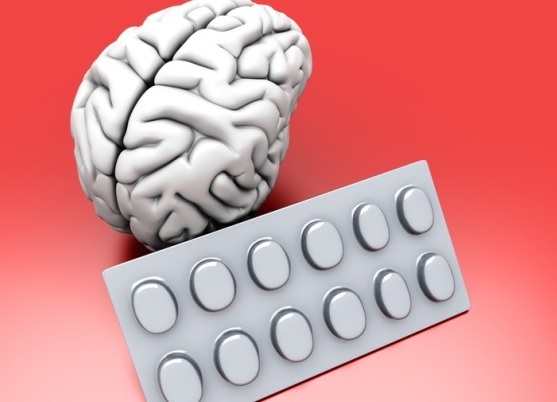
Effects of neuroleptics on the nervous system
Contents:
- Purpose and side effects of neuroleptics
- Classification of
- Conclusion
 Neuroleptics are medicines that inhibit excessive excitation of the central nervous system, manifested in psychoses, hallucinations, delirium and other symptoms. Otherwise, this group of drugs is called antipsychotics. These funds have a different chemical structure and mechanism of action. How do neuroleptics work?
Neuroleptics significantly slow down the transmission of nerve impulses in the brain. Antipsychotic drugs block receptors for dopamine, which eliminates the symptoms of mental overexcitation in schizophrenia, psychosis and other diseases. Many antipsychotics also possess anticholinergic and antihistamine effects.
Assignment and side effects of neuroleptics
What is the treatment for neuroleptics? They resort to treatment with these psychotropic substances in the following pathologies:
- Aggressive behavior of a person that threatens the health of others.
- Hallucinatory nonsense in mental illness, drug and alcohol intoxication.
- Alarming states, unreasonable fear of death, panic attacks.
- Paranoid disorders.
- Catatonic excitation.
- Depression.
- Psychoses( manic-depressive).Insomnia caused by increased anxiety.
- Psychosomatic disorders caused by increased anxiety( irritable bowel syndrome, etc.).
- Neuroleptanalgesia in operations.
Side effects of neuroleptics are related to their pharmacological effect on the sensitivity to the neurotransmitters of the nervous system( adrenaline and norepinephrine, dopamine, serotonin, acetylcholine).
Antipsychotics suppress dopaminergic transmission at several levels of the brain. The therapeutic effect is aimed at blocking dopamine transmission in the mesolimbic pathway. Suppression of the course of the nerve impulse in the mesocortical pathway can increase the symptoms of certain diseases( apathy, depression, speech disturbance).
In an extrapyramidal system consisting of basal cores, blocking dopaminergic processes leads to dyskinesia( hyperkinesis, ie involuntary movements of the body during movements or at rest).Akathisia( motor anxiety, restlessness) is also a consequence of disturbances in the stria-pallidarnaya and nigrostriate system under the action of neuroleptics. When dopamine receptors are blocked, the level of prolactin, cholesterol rises, sleep may break.
Side effects of neuroleptics:
- Medicinal parkinsonism( in the older generation of neuroleptics), extrapyramidal disorders, decreased muscle tone.
- Stool and urination delay.
- Violation of speech and coordination of movements.
- Inhibition and drowsiness.
- Changing appetite.
- Weight gain.
- Violations of the hormonal background( impotence, menstrual irregularity, breast enlargement in men, milk from the breast).
- Delayed ejaculation.
- Increase of photosensitivity.
- Depression.
- Disturbance of bone marrow hematopoiesis( agranulocytosis, anemia).
- Medicinal hepatitis.
- Spasm of the lower jaw( trismus).
- Dry mouth or vice versa, drooling.
- Paralyzes.
- Akathisia( restlessness in one position, need for movement).
- Pressure reduction.
- Tachycardia.
- Increased intraocular pressure, cataract.
- Drug Diabetes.
- Invalidation with prolonged use and high doses.
Side effects of antipsychotics must be compensated for by the administration of nootropic drugs or antidepressants. The regulation of the dose will help to get rid of or reduce the harm of neuroleptics.
Important! Long-term use causes addiction to neuroleptics, slowly amenable to adjustment.
 How to quit neuroleptics? A doctor who has prescribed an antipsychotic drug gradually reduces the prescribed dose of the drug, sometimes instead of antipsychotics is gradually transferred to tranquilizers in anxiety states. To facilitate withdrawal, nootropics are used, B vitamins.
Classification of
Classification of neuroleptics by chemical composition:
- Phenothiazines and other tricyclics( Chlorpromazine, Trifluorazine, Prometazine).
- Thioksantheny( Truksal, Fluanxol).
- Benzamides( Betamac, Tiaprid, Dogmatil, Topral, Eglonil).
- Butyrophenones( haloperidol).
- Benzodiazepines( diazepam, gidazepam, medazepam, triazolam).
- Benzisoxazole derivatives( Invega, Leptinorm, Rezalen, Rispen).
- Piperazinylquinolinone derivatives( Ariperazole, Zilaxera, Amdoal).
Phenothiazines are classified by chemical structure into compounds with:
- aliphatic bond;
- with a piperidine nucleus;
- piperazine core.
The first group of phenothiazines to a lesser degree causes tachycardia and extrapyramidal disorders, while effectively relieving anxiety, with a strong sedative effect.
Piperazines, on the contrary, are characterized by a high risk of extrapyramidal disorders and have a mild sedative effect. Butyrophenone derivatives have similar effects.
Piperidines have a moderate calming effect. They are medium in strength by antipsychotics. Their reception is accompanied by severe dry mouth and tachycardia due to pronounced suppression of cholinergic receptors. By action to piperidines, benzamides and thioxanthenes are similar.
Typical antipsychotics for effects are divided into three groups:
- Sedative, having a calming effect( Alimemazin, Chrpromazin).
- Disinhibitory, activating, with antidepressant effect( Sulpiride).
- Excisional, powerful antipsychotics( haloperidol, trifluoperazine, pipothiazine).
Atypical antipsychotics: Risperidone, Amisulpride, Clozapine, Asenapine, Quetiapine, Ziprasidone, Paliperidone. There are also antipsychotics with extended action: Moditen-Depot, Clopixol-acupase, decanoate.
Conclusion
There is no such thing as "the best antipsychotics", because at each pathological condition the most suitable drugs are selected in a particular case. When prescribing antipsychotics, a psychiatrist or psychotherapist should be informed of the patient's somatic illnesses, especially glaucoma, tachyarrhythmia, and renal insufficiency. These diseases are contraindications for the appointment of antipsychotic drugs.
write the question in the form below: