Treatment of osteoporosis of the spine
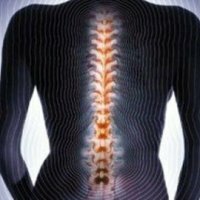
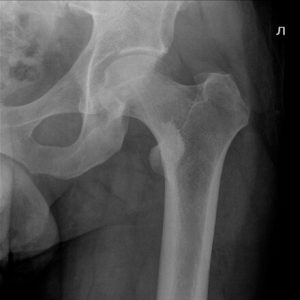
When systemic skeletal disease is diagnosed - osteoporosis. In osteoporosis, bone density decreases, the structure of bone tissue deteriorates and this leads to fractures of the bones. Modern methods of treatment and prevention of osteoporosis of the spine provide an opportunity to significantly reduce the incidence of fractures by improving the quality of bone tissue. Most often, osteoporosis of the spine is diagnosed only at the vertebral fracture stage, when the patient develops a pain syndrome. The diagnosis is confirmed by radiography. However, at this stage, osteoporosis is difficult to treat, because due to the loss of a large amount of bone tissue, all bone architecture has undergone a change.
Treatment of osteoporosis is a rather complicated task, which is solved by several doctors - endocrinologists and rheumatologists, neurologists and immunologists. Treatment of osteoporosis consists in increasing bone formation and slowing bone resorption. Anti-resorptive drugs - vitamin D, bisphosphonates, estrogens, calcium preparations, calcitonin, selective modulators of estrogen receptors, help suppress bone resorption. In the formation of bone tissue, the following drugs - the salts of strontium, parathyroid hormone, sodium fluoride. In some cases, growth hormone helps, as well as anabolic steroids.
To date, most commonly used calcitonin, bisphosphonates, modulators of estrogen receptors, estrogens. For postmenopausal osteoporosis, bisphosphonates are used. They are also used in primary osteoporosis in the strong half of mankind, in some forms of secondary osteoporosis. To increase bone mass is used calcitonin( intranasal or parenteral), it also has a central analgesic effect.
In postmenopausal osteoporosis, estrogens are also used, especially when it comes to young women( it is worth considering the likelihood of venous thrombosis and uterine bleeding).
Calcium preparations are better to drink together with vitamin D. Calcium preparations are prescribed per day for 1,2-1,5 g. Vitamin D is usually prescribed in the form of calcitriol or α-calcidiol. Often, a combination therapy based on the combination of vigorous metabolites of vitamin D with bisphosphonates and calcitonin is prescribed. Treatment in this case is carried out under the control of densitometry.
The presence of acute pain, exacerbation of chronic pain requires the following:
- Bed rest. Duration depends on the intensity of pain - from several days to two weeks, but not longer, otherwise it will only aggravate osteoporosis.
- Pain management. For this, non-steroidal anti-inflammatory drugs( administered topically, parenterally or inwards), muscle relaxants, analgesics, blockades with local anesthetics are used. If there is a neuropathic component of pain, then anticonvulsants and antidepressants will be needed. All drugs are selected taking into account the concomitant pathology, the age of the patient, the tolerability of medicines.
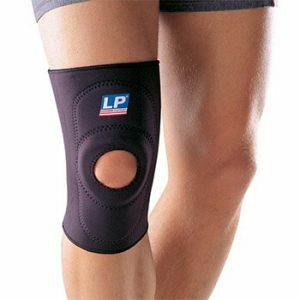
- With a reduction in pain, the patient is allowed to get up, but should move with crutches or other suitable means. To ensure the spine stability and reduce pain, the orthopedic corset is used in the circumstances of the gradually expanding regime.
- As soon as the acute process of the disease subsides, it is desirable for the patient to begin to practice physical therapy, which includes dosage exercises, not only for stretching the muscles, but also aimed at developing an adaptive motor stereotype. Also, the patient is shown a light muscle relaxant massage, physiotherapy( if there are no contraindications) - low-frequency magnetotherapy, Chans, acupuncture, laser therapy. People with this disease absolutely contraindicated manual therapy!
- Normalization of psychoemotional disorders. Psychotherapy and antidepressants will help in this.