Application of Fluoxetine
Content:
- Action of the drug Fluoxetine
- How to take an antidepressant?
- Side effects and contraindications to the use of Fluoxetine
- Conclusion
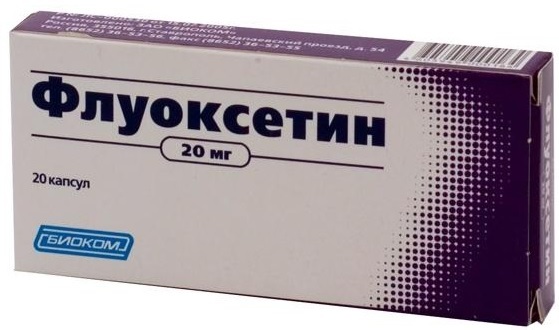 Fluoxetine is a drug related to antidepressants. It manifests its effect by selectively blocking the seizure of serotonin from the synaptic cleft back into the nerve end. Thus, the drug leads to an increase in the concentration of serotonin in the synapses of the brain, reducing the symptoms of depression, including somatic( bodily) manifestations of it. Indications for use Fluoxetine:
- Depression.
- Food disorders: compulsive overeating, bulimia, anorexia.
- Obesity.
- Chronic headaches.
- Phobic disorders.
- Panic attacks with neurocirculatory dystonia.
- Somatic disorders( body diseases) with neuroses and depressions.
- Narcotic, alcoholic, tobacco addiction.
- Obsessive-compulsive disorder.
Action of the drug Fluoxetine
Fluoxetine is a drug from a selective serotonin neurotransmitter reuptake inhibitor group. This antidepressant is widely used abroad under the trademark Prozac.
Fluoxetine has little effect on the metabolism of other neurotransmitters in the nervous system. Has a weak anticholinergic effect, which is associated with some of its side effects( dry mouth and constipation).The drug is used to treat obesity and reduce excess weight. It is believed that this antidepressant suppresses the feeling of hunger caused by overexcitation of the limbic system of the brain. Fluoxetine depresses the centers of hunger in the hypothalamus.
Also, the drug affects the metabolism of serotonin in the nerve endings, which leads to an improvement in mood( thymoanaleptic effect).This antidepressant balances the processes of excitation and inhibition in the nervous system, both in the cortex of the large hemispheres, and in the subcortical centers( hypothalamus, etc.).It is the balance of these processes that leads to a therapeutic effect for obesity.
Fluoxetine and its analogs are used in the treatment of obsessive-compulsive syndrome, characterized by obsessive repetitions of the same action. The effect on the exchange of the neurotransmitter serotonin makes the drug useful for headaches.
Fluoxetine from depression has a stimulating effect, eliminating apathetic condition and fears. The balancing effect on the serotonergic system of the brain reduces the level of anxiety. Fluoxetine contributes to the accumulation of the neurotransmitter in the synaptic cleft, thereby, by the mechanism of negative feedback, reducing its production in the nerve endings.
The drug is used to treat depression in combination with addictions: from alcohol, nicotine, drugs. The mechanism of its action is associated with a normalizing effect on the reinforcement system( negative and positive) in the brain. Alcohol and other substances that cause addiction and dependence, disrupt the metabolism of neurotransmitters in the nervous system. The use of fluoxetine leads to the restoration of the balance of serotonin, which regulates many functions in the nervous system.
This antidepressant fights both with the mental symptoms of depression, and with its somatic manifestations. Somatic symptoms of depression may include:
- digestive disorders( irritable bowel syndrome, pancreatitis, peptic ulcer, dyskinesia of the gallbladder);
- glucose level jumps;
- panic attacks in vegetative-vascular dystonia;
- heart rhythm disturbances, spasm of the coronary vessels;
- headaches( especially tension pains);
- of neuralgia;
- sensation of coma in the throat;
- shortness of breath;
- eating disorder( anorexia, bulimia);
- neurogenic bladder;Insomnia and drowsiness.
How do I take an antidepressant?
 Method of administration Fluoxetine must be determined by a physician. The maximum daily dose is 80 mg. How to take fluoxetine in eating disorders? With bulimia, anorexia is used on 20 mg 3 times a day. For treatment of depressive conditions and obsessive-compulsive disorder, the dose is 20 mg in the morning.
The dose for the elderly is limited to 20 mg per day. For people suffering from severe kidney and liver diseases, the drug is used at a dose of 10 mg per day, the interval between admission in such cases can be more than 24 hours.
How long does it take to take fluoxetine? The therapeutic effect of treatment comes, as a rule, after a week or a month of taking the drug. How much can I drink fluoxetine? Duration of treatment is determined by the attending physician - psychiatrist or psychotherapist.
Side effects and contraindications to the use of fluoxetine
Side effects of fluoxetine:
- Convulsive seizures.
- The aggravation of thoughts about suicide.
- Headaches.
- Urination disorders.
- Erection disorder, decreased sexual desire.
- Nausea, vomiting.
- Hypoglycemia and weakness, especially with diabetes.
- Allergy.
- Weight loss.
- Heart rhythm disturbances.
- Dry mouth or drooling.
Contraindications:
- Diabetes mellitus - is relatively contraindicated, since. Can provoke a hypoglycemic condition. With the withdrawal of the drug, a sharp increase in the level of glucose is possible.
- Epilepsy, extrapyramidal disorders, propensity to convulsions.
- Severe renal and hepatic insufficiency.
- Pregnancy and feeding.
- Admission of other antidepressants and alcohol, as well as narcotic substances.
Conclusion
This drug is inexpensive and is quite effective with the right treatment strategy. Fluoxetine is used only when the doctor appoints a specialty profile, taking into account all contraindications. If there are negative mental reactions during its use, it is necessary to consult a doctor immediately.
write the question in the form below: