Allergic diathesis in children

Sometimes the child's red cheeks are a sign of atopic( allergic) diathesis."Atopic diathesis"( exudative diathesis, allergic diathesis) is a fairly common pathology among children. This pathological tendency of the baby to change on the skin: dryness, rash, scaling. These skin changes are the result of an allergic reaction.
Because of these reactions, various allergic diseases can develop( bronchial asthma, Quincke's edema, allergic rhinitis, allergic conjunctivitis, allergic urticaria, etc.).Atopic diathesis is a vivid example of an allergic process. It often begins in children up to a year, because their skin is tender, vulnerable and yet imperfect immune system.
The main function of the skin is barrier, it is a kind of barrier between the environment and the body. Hyperactivity( hypersensitivity) is characteristic of the skin with atopic dermatitis, because of which it becomes more susceptible to external stimuli( to food, temperature, friction, etc.).
Allergy in a child can occur not only after birth, but also because of the factors that acted on the fetus even during pregnancy. Negative effects of drugs( antibiotics), irrational nutrition, early transfer of the child for artificial feeding, heredity and more.
Foods that cause diathesis in children
The main food allergen for a child is cow's milk, containing up to 20 different components that can cause allergies.
Baby food products can be divided into 3 categories: high, medium and low allergenicity.
High allergenic properties have: eggs, seafood, cereals, various vegetables, citrus, kiwi, pineapple, mango, pomegranate, persimmon, melon, berries, natural coffee, mushrooms, chocolate, nuts, honey.
Medium allergenic properties have: cow's milk, butter, chicken and beef meat, rice, oats, buckwheat, beans and peas, beets, soy, potatoes, cranberries, peaches, blueberries, apricots, cherries, dogrose, black currants.
Low allergenic properties have: dairy products, rabbit meat, turkey, lean pork, pearl barley, millet, corn cereals, refined vegetable oil, white cabbage, color, zucchini, cucumbers, dill, parsley, white and green apples, pears, white andRed currant.
Allergic diathesis in infants
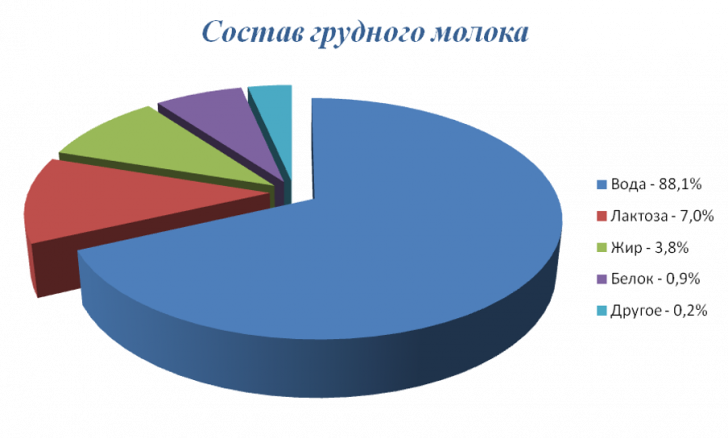
Mother's milk is an ideal food for newborn babies, because breast milk creates a barrier in the intestines from the ingress of bacterial and food allergens into the body. But some children and breastfeeding may have an allergy to breast milk, because sometimes mothers abuse cow's milk during pregnancy or lactation. Also, an allergy can occur if the mother's milk is infected.
A special diet of a mother for diathesis in a child is developed on the basis of an analysis of the mother's diet and making corrections( hypoallergenic diets that exclude products that have a sensitizing property or an increased allergenic property: unstable cheese, milk, eggs, fish, wheat flour, onion, garlic, radish, Meat broths).Byproducts, such as the liver, have more allergenic properties. You should eat less sour cream, cereals, sugar, potatoes, wheat bread, butter.
You need to consume more dairy products. In the diet, increase the amount of high-protein foods( meat of birds, low-fat cheese, fruit juice, vegetables, rye bread, refined oil).
Diet for a child with mixed or artificial feeding
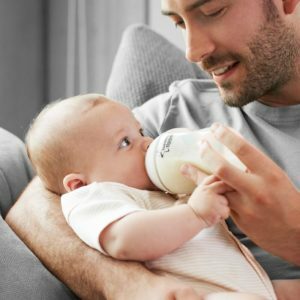
If the manifestation of an allergy to cow's milk proteins is moderately expressed, then it is necessary to exclude cheese, fresh adapted mixtures, whole milk. The child then needs to be converted to adapted fermented milk mixtures or to prescribe therapeutic hypoallergenic mixtures with a hydrolyzed protein component. If the child is older than 7 months, then unadapted dairy products can be used: bio-kefir, mixtures with hydrolyzed protein in 1-2 feedings per day.
If a diet with diathesis, including sour-milk products, is not effective, then it is recommended to use dairy-free complementary foods and special mixtures based on soy protein. It must be remembered that the positive effect of soy beverages will be in 3-4 weeks.
The period of use of soy mixtures is 3-9 or more months. If such a diet does not help, then you should use not only soy mixtures, but also special hydrolyzed mixtures. In this case, it is necessary to introduce into the ration an early( for 1-2 weeks) dairy-free complementary foods: vegetable puree, porridge on soy mixture or hydrolyzate, meat puree. Exclude cheese, fish, yolks. Later introduce bread, breadcrumbs, semolina into the ration.
Diet therapy is an important link in the complex treatment of children with allergic diathesis. The main principle of therapeutic nutrition - the removal of food from the diet, causing allergies, replacing them with equivalent. Pay attention to the needs of the child. Choose dietary treatment should be individually, taking into account allergens detected, allergic process, age and nutritional status, concomitant diseases.
Meat, chicken, early vegetables and cereals are used for allergic diathesis if they are soaked. Potatoes must be soaked in cold water for 12-14 hours, other vegetables and cereals - 12 hours. Meat after soaking should be given to double cooking. Correctly formulated diathesis diet allows to achieve reverse development of the disease, reduce the frequency of relapses and prevent the emergence of severe chronic forms of the disease.
Feeding a child with alergic diathesis
During the first year of life, the baby should gradually introduce 3 complementary foods.
The first lure is administered at 4 months. The main product is vegetable puree. First it must contain 1, then 2, and then 3 components. The products of the first complementary foods are zucchini, squash, colored, white-bellied, Brussels sprouts, light-colored pumpkin. Each kind of vegetables is introduced gradually.
2nd lure introduced in 5 months. Cereals should be selected individually. For children with allergic diathesis, manna porridge should be excluded from the diet. Then you can add ghee and vegetable oil. With 6 months, enter the meat puree from boiled meat 2 times.
The third lure is introduced in 6.5-7 months as a second vegetable or vegetable-cereal dish. Adding zucchini with corn groats, pumpkin with buckwheat, rice porridge.
Entered fruit: green or white apples, pears, yellow and red currants, yellow and red cherry, yellow plum. Remember that baked and boiled fruits are less allergenic. And eggs and fish should be completely excluded from the diet of children from year to year.
Non-dairy food should last at least 4-6 months or longer. Expand the baby's diet after a dairy-free diet is necessary with the introduction of fermented milk products that have less allergenicity. Then gradually try to introduce diluted milk and cheese. The diet should be gradually and carefully.