Strong heartbeat
 Strong heartbeat is an individual sensation of the accelerated rhythm of the heart, caused by premature and sometimes additional contractile impulses of the myocardium. A remarkable fact is that even expressed sinus tachycardia is not always reflected in the state of health and a person can completely ignore changes in health. And at the same time, the feeling of a strong palpitation can disturb a person even with a moderate increase in the frequency of contractions of the heart.
Causes of strong palpitation
Various pathological conditions are among the causes of the sensation of a strong palpitation, which are not necessarily associated with the organic pathology of the heart. For example, people with increased excitability of the nervous system, even against the background of complete well-being, can note the appearance of a feeling of strong palpitation, which in most cases ceases on its own or after taking sedatives.
Clarification of a provoking factor in a strong palpitation is the most important task of the attending physician, since in most cases, to eliminate this symptom, it is sufficient to eliminate the cause of its occurrence. In the role of provoking factors that can cause the development of strong palpitation, even in healthy persons who do not suffer from cardiac pathology, are: significant physical activity, accelerated rise to height, conditions of high temperature and humidity of the environment, a sharp psychoemotional reaction in the form of fright, taking caffeine-containingBeverages and foods in large quantities, as well as excessive swelling of the intestine.
Many patients identify the concepts of "strong palpitation" and "tachycardia," but in these two terms there is a significant difference, since with tachycardia, there are objective signs of increased myocardial contractility, in contrast to "rapid heartbeat," which is an exclusively subjective sensation of the patient.
The balance of microelements in the body is of great importance with respect to the effect on the contractility of the myocardium, since even a banal deficiency of potassium or magnesium can cause the development of a strong palpitation. The stimulating effect on myocardial contractility is exerted by the temperature of the human body, since an increase of even one degree is accompanied by increased work of the heart and the appearance of a palpitation in the patient with hyperthermia.
Why is a strong heartbeat in some situations a danger to the life and health of the patient? The fact that the sensation of a strong palpitation very often acts as the only clinical sign of life-threatening conditions requiring urgent medical interventions, among which there is a syndrome of cardiac hyperkinesia, tetany, hyperthyroidism and severe arrhythmia. In these cases, a rapid heartbeat can occur at any time of the day against a background of complete well-being and be extremely aggressive.
Strong heartbeat at normal pressure is extremely rare, as there is a clear pathogenetic relationship between increased heart rate and elevated blood pressure, with an increase in the pressure gradient in the arterial vessels secondary, that is, a compensatory reaction to increased myocardial activity, and not vice versa. However, it should be borne in mind that arterial hypertension can significantly worsen the patient's condition, therefore, in carrying out therapeutic measures aimed at eliminating strong palpitation, it is necessary to use means that correct blood pressure.
Anaphylactic reaction or shock of different nature can also be accompanied by a strong heartbeat, despite a sharp drop in blood pressure. In this situation, in contrast, the enhancement of the heartbeat acts as a compensatory mechanism aimed at increasing the pressure gradient in the arteries of large caliber.
In case of acute occurrence of a strong palpitation, patients describe it as "a rupture in the chest, some jerks or claps in the neck and chest."Patients suffering from a constant form of cardiac arrhythmias gradually get used to this condition, but with a very strong heartbeat, they notice an activation of the psychoemotional component, consisting of increased irritability, rapid fatigue.
As a rule, a very strong palpitation is accompanied by the appearance of other clinical manifestations in the form of dizziness, dyspnea, a headache of pulsating nature, increased sweating and pallor of the skin. The appearance of these clinical criteria at the same time is the basis for immediate application for medical assistance to the nearest medical institution. In the morning, a strong heartbeat is often a sign of any arrhythmia, so those suffering from this pathology need to be examined further.
When examining a patient who observes the presence of attacks of severe palpitation, a complete examination should be carried out, as this clinical symptom can hide a serious pathology of the heart, for example, paroxysmal form of tachycardia. With this pathology, patients tend to note the appearance of an attack at night and describe their condition identically: "I wake up from a violent palpitation."The appearance of such complaints in the patient requires attentive treatment from the attending physician.
Strong heartbeat during pregnancy
Pregnancy is a stressful condition for a woman's body, during which all vital functions take place at an accelerated pace, increased heart activity is also no exception, so "a feeling of a strong heartbeat" is the most frequent complaint of a pregnant woman. Symptoms associated with rapid heartbeat are similar to those observed in the violation of the rhythm of cardiac activity( respiratory disorders, discomfort in the heart, dizziness).
A pregnant woman with anemia is at risk for developing an intense heartbeat, therefore, in this category, attacks of strong palpitations are often accompanied by brief episodes of loss of consciousness. Among the causes of severe palpitations, first of all, the change in the hormonal background of a woman during pregnancy, as well as psycho-emotional instability and poor tolerance of physical exertion, should be considered. Some women during pregnancy take a large amount of vitaminized drugs, but it should be borne in mind that hypervitaminosis has a very negative effect on the functioning of the heart and can lead to the development of a strong heartbeat.
Despite the fact that most obstetrician-gynecologists consider an increased heartbeat during pregnancy as a normal reaction of the female body, nevertheless this condition requires dynamic observation and, if necessary, the use of timely medication. Why is heart palpitations occurring in mild form considered normal in pregnancy? The fact is that this condition is a compensatory reaction of the female body, thanks to which sufficient uterine blood filling is provided, thanks to which the fetus is enriched with the necessary amount of nutrients.
The most critical period for the onset of a strong heartbeat is the first trimester of pregnancy, since it is during this time period that the maximum activation of the hormonal status of a woman and the acceleration of all metabolic processes in the body are observed. Predisposing factors for the development of this condition is a deficiency of vitamins and magnesium, and in the role of a provocateur of a strong heartbeat, excessive physical or psychoemotional activity most often appears.
In the second trimester of pregnancy, the active weight gain of a pregnant woman begins, which causes an increase in the load on the cardiovascular system, so in this period the expectant mother increasingly makes complaints about heart palpitations accompanied by a nonspecific pain syndrome in the heart.
If you consider the recommendations for correcting eating behavior, which can eliminate the occurrence of severe palpitations, they are limited to the exclusion of caffeine-containing beverages and the normalization of the drinking regime.
Strong heartbeat in a child
The occurrence of a strong or fast heartbeat in a child in any age period is an unfavorable sign, so this category of children needs a follow-up to find out the root cause of this condition. It should be borne in mind that slight changes in the heart rate in children of the category are not considered as pathologies, but are a compensatory mechanism in response to an increase in the body's requirements associated with the increased growth and development of all organs and systems. The process of acceleration or slowing down of heartbeats is affected both by the state of health of the child's body( level of physical activity, body temperature) and the environment( temperature, humidity, season).
When establishing the conclusion "strong palpitation" in a child, it is first of all necessary to take into account the normative parameters of the heart rate for each age category. For example, for a newborn baby, the pulse rate of 180 cuts per minute is normal, while for children over a year this indicator is unfavorable.
The most common pathogenetic variant of strong palpitation in a child is a sinus tachycardia, the cause of which is not necessarily any serious cardiac pathology. A short-term episode of severe palpitation with sinus tachycardia can be triggered even by overheating of the body or excessive physical activity of the child. The child's tendency to develop sinus tachycardia is not an indication for the use of medication, however this category of children is subject to mandatory dynamic observation in the pediatric cardiologist.
More severe with regard to the impact on the child's health condition is the increased heart rate caused by the onset of an attack of paroxysmal tachycardia. Based on the name, this form of cardiac dysfunction is acute and requires immediate medication. A feature of strong palpitation in paroxysmal tachycardia is a sudden debut of clinical manifestations and concomitant respiratory disorders, which significantly aggravate the course of this pathological condition.
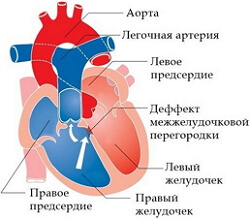
With the presence of any congenital malformations of the heart, the child may have chronic tachycardia, which is characterized by a lesser intensity of clinical manifestations, and the treatment of this condition implies the elimination of the main congenital pathology.
What to do with a strong heartbeat
There is a whole range of clinical criteria, each of which is an absolute indication for referring to a cardiologist for the purpose of correct verification of the diagnosis and the appointment of the most appropriate and adequate therapy regimen. In the role of such criteria is: too intense and prolonged heartbeat, the emergence of attacks of increased heart rate with minimal impact of the provoking factor or at rest, uneven or impulsive nature of the course of the syndrome.
If we consider non-urgent care and long-term relief from severe palpitation, first of all it is necessary to modify the patient's lifestyle, which implies limiting harmful habits in the form of smoking and drinking alcohol, normalizing the psychoemotional status and providing adequate rest and night sleep.
In the event of an attack of strong palpitation, the primary action is the acceptance of a comfortable position by the patient, as well as psychoemotional relaxation, for which you can use various methods of psychocorrection( breathing movements, self-hypnosis).The majority of patients with severe palpitations use breathing delay technique during the deep inspiratory phase and note a good effect with regard to elimination of cardiac rhythm disturbance after a few minutes. In a situation where these methods do not bring the desired effect, you should take some sedative, made on a plant basis( Valeriana tincture - 20 drops).
Among the drugs used in the treatment of severe heart beat, allocate antiarrhythmic drugs and sedatives, both plant and synthetic origin( Sedasen 1 capsule 2 times a day, Adaptol 500 mg twice a day).Antiarrhythmic drugs used for the purpose of arresting or long-term treatment of a strong palpitation are very diverse and the choice of a particular group of drugs directly depends on the pathogenetic form of arrhythmia. For example, with ventricular tachycardia, the drug of choice is Obsidan in a daily dose of 60 mg.
There are also a number of diseases, one of the clinical symptoms of which is a strong palpitation, requiring the use of exclusively surgical method of treatment( cardiac surgery, removal of volumetric formation of the thyroid gland or pheochromocytoma).
Strong heartbeat - which doctor will help ?If there is or suspected the development of a strong palpitation, you should immediately seek advice from such doctors as a cardiologist and neurologist.