Details on denervation of the glans penis: indications, types of procedures and prognosis
Denervation of the glans penis is an operative intervention in which microsurgical( minor traumatic) methods are used to cross its large nerve fibers. As a result, the sensitivity of the penis head is significantly reduced( and more often completely disappears).This is a reversible process, full recovery takes place in about six months. During this period a new, normal ejaculatory reflex is formed, and the time of sexual intercourse increases. Erectile function does not suffer from this, since the nerve fibers responsible for erection are not affected at all in such operations.

nervous system of the penis
Content
- 1 Classification and methods
- 2 Indications and contraindications
- 3 Preparation for surgery
- 4 Features rehabilitation period
Classification and methods
Modern classification provides for the separation of the form of denervation of the head of the penis, depending on the number of intersections of nerve trunks, real-time access and restore integrityNerve fibers. There are
denervation:
- full( non-selective), in which intersect all the major sensory nerve trunks leading to the head of the penis;
- incomplete( selective), where the intersection of several( not all, usually 40-60%) of nerve trunks.
Also, depending on the clinical situation holds not only dissecting the nerve fibers and their subsequent crosslinking by using microsurgical techniques and ultrafine bioresorbable suture. In this case, the type of surgery is called denervation-renervation or reverse denervation of the glans penis. A number of surgeons for the maximum possible separation of nerve trunks along the circumference of the head simultaneously cut off the foreskin. These issues are discussed with the surgeon at the stage of the conversation in preparation for surgery.
Duration of the operation - about half an hour
The method of obtaining operational access distinguishes:
- open denervation;
- closed.
Open operations are performed under general anesthesia( anesthesia).According to the coronal sulcus surgeon cuts the skin, pushes it towards the base of the penis and is 4-5 major nerve trunks, which crosses at a distance of 2-3 cm from the incision site on the front surface of the penis. If it is planned, the nerve fibers are sewn with threads that dissolve for one or two weeks. The operation is completed by applying micro-suture to the skin. The manipulation lasts about half an hour. No cosmetic defects, scars or scars are formed.
With the closed method, nerve trunks are not exposed, and through the skin, using diathermocoagulation with alternating electric current of high frequency or laser radiation, nerve fibers intersect. Carried out under local( intracavernous, when anesthetic is injected directly into the penis), or under spinal anesthesia. As an exception, general anesthesia is performed. Possible consequences in the form of small scars on the skin of the head of the penis, and the recovery period is longer than with open interventions.
Other advantages of the open method of correction:
- less duration of wound healing and general rehabilitation( about 2 weeks);
- lack of formation of significant aesthetic defects.
The way and extent of surgery is determined by doctors as a result of a comprehensive survey.
Indications and contraindications
Before performing a surgical correction, doctors determine the indication and presence of the patient's conditions limiting the possibility of surgery.
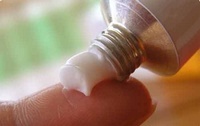
can process head 10% solution, which is sold in a pharmacy, but it is better to apply spray or ointment, for faster absorption
Surgery is indicated in:
- premature ejaculation caused by increased sensitivity of the penis head;
- inefficiency of conservative( medicamental) methods of treatment;
- positive lidocaine test.
The test is conducted independently, at home. For 20-30 minutes before the sexual intercourse, it is necessary to apply a drug containing an anesthetic( lidocaine, better in combination with prilokain) to the area of the penis bridle. After 10 minutes, the medicine should be washed off with water. Be sure to use a condom during the test, so as not to reduce the sensitivity of the partner, as this can affect the result.
If the test is negative( anesthetics do not delay the time of ejaculation), then most likely, early ejaculation is not associated with increased sensitivity of the glans penis. There may be neurogenic, psychological or organic causes, caused by the defeat of blood vessels, nerves. In this case, the effectiveness of surgical intervention is extremely low, it is better to refrain from it, and also to consult a urologist to choose other methods of correction.
List of contraindications:
- exacerbation of chronic diseases of the digestive system( open ulcerative defect in the stomach or duodenum, erosive gastritis, inflammatory processes of the liver and intestines);
- decompensation of diseases of the cardiovascular system and respiratory organs( severe and poorly amenable to medical correction arterial hypertension, uncontrolled bronchial asthma, severe respiratory failure);
- postinfarction or post-stroke period( if not passed six months after the disease);
- acute viral, bacterial infections;
- disease, accompanied by a marked violation of blood clotting.
In case of an allergic reaction to an anesthetic, the question of changing the method of anesthesia is solved.
Preparing for operation
At the preparatory stage, clinical studies of blood and urine, determine whether there are any pronounced inflammatory processes or other diseases in which the operation is contraindicated, as well as the state of the blood coagulation system.
Perform an ECG( to determine the functional state of the heart).Obligatory consultation of a physician-therapist, which will identify possible limitations or contraindications to surgical intervention. And also an anesthesiologist, who determines the possible risks of the operation and plans a kind of anesthesia.
With the prophylactic administration of drugs that increase the time of blood clotting( acetylsalicylic acid, clopidogrel, warfarin) it is possible( on the recommendation and under the supervision of the treating doctor who prescribes these drugs) to cancel their use one week before the operation, and resume their reception after restoring the integrity of the skin.
Features of the rehabilitation period
In an early( up to a week) period, development is possible:
- penile edema;
- hematomas, small hemorrhages in the place of the operating wound.
These changes need only be observed, in most cases they go through a few days without additional therapy. To prevent these phenomena, you must use a special elastic bandage.
Possible complications:
- development of bacterial inflammation when wounded by microorganisms, in the most severe cases, probably the spread of the infectious process through the body and the development of sepsis;
- with endocrine, vascular pathology, as well as increased anxiety, depression, neurosis may reduce the erection( in the absence of the usual sensations in the head of the penis);
- at the intersection of all nerve trunks - complete anesthesia of the penis( very rare, as large trunks are dissected, and fine fibers remain intact).

Return to sexual activity is possible 2-3 weeks after surgery, in the absence of pain
If these complications occur, you should contact your doctor as soon as possible. In the case of an inflammatory process, both local and general treatment is necessary. In the presence of psychological discomfort and a decrease in potency, the psychologist's help is effective.
After healing of the wound surface, in the absence of pain sensations it is possible to resume sexual activity( on average, it is possible in 2 or 3 weeks after the operation).Its regularity is important for preventing relapses and fixing the persistent effect of increasing the time of sexual intercourse( see How long does not end during sex?).
After 2-3 months, the sensitivity of the penis head begins to recover, while the already formed normal ejaculatory reflex helps the man to control the duration of the sexual intercourse. Restoration of sensitivity in full by the majority occurs six months after the operation.
Recommended for viewing: