Spastic colitis of the intestine, symptoms and treatment
Spastic colitis - is one of the syndrome names irritableIntestines( IBS).It develops when the large intestine shrinks more than normal, which causes pain, spasms, flatulence, diarrhea, or constipation.

IBS is often a functional disorder in which there are no irregularities in the structure of the colon. Spastic colitis is more common at a young age, it can also occur in children.
Causes of spastic colitis
Scientists do not know exactly what causes spastic colitis.
believed to affect its appearance on the following reasons :
- improper diet;
- adverse environmental effect;
- hereditary predisposition;
- violations of the control of the digestive tract from the central nervous system;
- excessive sensitivity of the digestive system to pain;
- a disordered response to infection;
- problems with the immune system;
- malfunction of the muscular tissue of the large intestine.
Scientific studies show that the mental and emotional state of a person plays an important role in the development of spastic colitis.
You can also highlight certain factors that people with spastic colitis cause exacerbation of the disease.
These include :
- Power - many patients notice that the symptoms of spastic colitis worsen after eating certain foods. For example, eating chocolate, milk and alcohol can cause diarrhea or constipation. Some vegetables, fruits or carbonated water - swelling and discomfort in the abdomen. Milk products, sweets, caffeine-containing drinks - intestinal spasms.
- Digestive tract infections - for example, gastroenteritis.
Symptoms
There are three different types of spastic colitis:
- Irritable bowel syndrome with constipation - the patient has pain and discomfort in the abdomen, bloating, unusual bowel movements, hard stools.
- Spastic colitis with diarrhea - a person is concerned about pain and discomfort in the abdomen, frequent bowel movements, liquid or watery stools.
- Spastic colitis with alternating constipation and diarrhea.
The most common symptoms of spastic colitis are :
- Changes in the nature of bowel movements( diarrhea or constipation).
- Pain and cramping in the abdomen, which often pass after a visit to the toilet. The feeling of incomplete emptying of the intestine.
- Excessive gas formation and bloating.
- Mucous discharge from the anus.
- Sudden urge to go to the toilet.

Most symptoms of IBS deteriorate after eating. Usually, the exacerbation of the disease can last 2-4 days, after which the condition improves.
Symptoms and signs of spastic colitis vary greatly in different patients, they often resemble other diseases.
Spastic colitis may also cause symptoms in other parts of the body, such :
- frequent urination;
- bad breath;
- headache;
- muscle and joint pain;
- back pain;
- constant fatigue;
- anxiety and depression.
Diagnosis
There are no specific methods for diagnosing spastic colitis. To establish such a diagnosis, as a rule, you need to exclude all diseases that can cause such symptoms.
For the exclusion of Crohn's disease, ulcerative colitis, celiac disease, intestinal toxic infections, a laboratory study of blood and feces is conducted, including :
- total blood test, erythrocyte sedimentation rate, C-reactive protein;
- blood test for celiac disease;
- analysis of feces on egg worm and coprogram.
Patients with spastic colitis are also sometimes subjected to an instrumental examination of :
- Sigmoidoscopy is an endoscopic examination of the sigmoid colon.
- Colonoscopy is an endoscopic examination of the entire large intestine. More on the use of anesthesia in colonoscopy →
- Irrigoscopy - X-ray examination of the large intestine with contrasting.
Treatment of
Symptoms of spastic colitis of the intestine can be controlled with the help of proper nutrition, a healthy lifestyle, drug therapy and treatment with folk remedies.
Healthy Lifestyle
Many patients with IBS note that physical exercises can alleviate the symptoms of the disease. Doctors recommend conducting at least 150 minutes of aerobic exercise of moderate intensity per week. Examples of such exercises are cycling, brisk walking.

Recovery is also facilitated by reducing the level of stress, which can be achieved with the help of various relaxation techniques( meditation, breathing exercises), physical activity and regular exercise.
Medical treatment
For the treatment of spastic colitis of the intestine, there are many drugs that are usually taken in the form of tablets.
These belong to :
- Spasmolytics - help to eliminate pain and cramps in the abdomen.
- Laxatives are used to treat spastic colitis with constipation.
- Antipoprotective agents - help to eliminate diarrhea.
- Antidepressants - in addition to eliminating depression, relieve pain and abdominal cramps in patients with IBS.
- Probiotics - can improve the condition of patients with spastic colitis.
Alternative medicine
Some patients are treated with folk remedies for spastic colitis.
Applied to:
- acupuncture;
- reflexotherapy;
- herbal medicine.
It should be noted that there is no scientific evidence of the effectiveness of these unconventional methods in the therapy of spastic colitis.
Prevention
It is impossible to prevent the development of IBS.Nevertheless, a healthy lifestyle, regular exercise, quitting and proper nutrition with spastic colitis can alleviate symptoms and reduce the frequency of exacerbations of the disease.
Diet
The correct diet for spastic colitis of the intestines is one of the main methods of treating the disease and preventing its exacerbations.

Unfortunately, there is no single diet that would suit all patients with IBS.In each case, a suitable diet is chosen by trial and error. Therefore, it is useful for patients with spastic colitis to keep a special food diary and to mark in it products that triggered or removed the symptoms of the disease. In this way, you can determine the food that should be avoided.
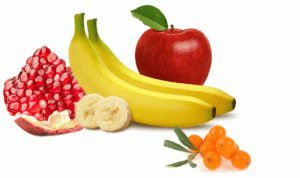
In a diet with spastic colitis of the intestine with constipation, you need to increase the intake of water and soluble fiber found in foods from oats, barley, rye, fruits( bananas, apples) and vegetables( carrots and potatoes).With diarrhea, you must limit the use of products with insoluble fiber, contained in whole grain bread, bran, groats, nuts.
If a patient is worried about constant bloating and spasms, the dietary restriction of oligosaccharides, disaccharides, monosaccharides and polyols may help. These substances contribute to the development of the process of fermentation in the intestines, because of which increases the formation of gas. They are found in some fruits( apples, cherries, peaches, nectarines), vegetables( peas, cabbage, broccoli, Brussels sprouts), foods high in lactose( milk, ice cream, cream cheese, chocolate, sour cream).
Symptoms of IBS can also be alleviated with :
- regular meals in small portions;
- sufficient fluid intake( except tea and coffee, their use should be limited);
- to reduce the consumption of foods high in starch, resistant to digestion in the small intestine;
- restrictions on the consumption of fruit in three portions per day;
In the case of spastic colitis accompanied by diarrhea, the artificial sweetener sorbitol should be discarded. If the patient is tormented by flatulence, oatmeal porridge will ease this unpleasant symptom.
Spastic colitis is a common disease. His symptoms can greatly affect the quality of life. Before treating spastic colitis of the intestine with medications, you should normalize your lifestyle and change the diet, many patients can help control the symptoms of the disease without using medicines.
Author: Taras Nevelichuk, doctor,
specially for Moizhivot.ru