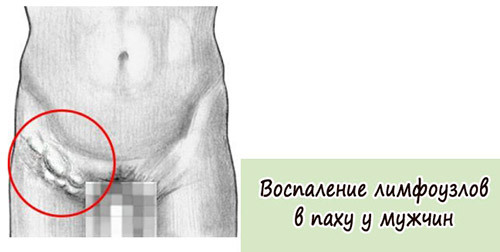
Inflammation of inguinal lymph nodes in men - causes, treatment
One of the main functions of the lymphatic system is the local and general immune defense of the body. Also, the lymphatic system is responsible for cleansing the body of metabolic products and toxic substances. When inflammation occurs in any part of the body, local or regional lymph nodes react primarily.
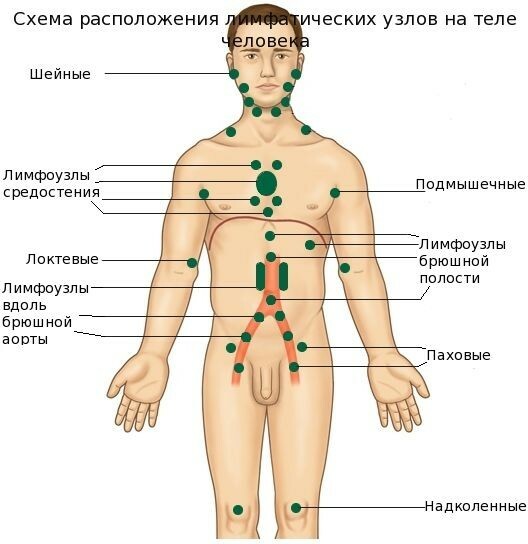
Fig.1 - Arrangement of inguinal lymph nodes in men.
Contents
- 1 Causes of enlarged inguinal lymph nodes
- 2 Clinical picture of lymphadenitis
- 3 Diagnosis
- 4 Treatment of enlarged inguinal lymph nodes
Reasons for enlarged inguinal lymph nodes
Virtually any inflammatory process or significant trauma localized in the lower limb and groin area leads to the appearance of lymphadenitis symptoms, Enlargement of lymph nodes. In urological practice, we can identify the most common pathological processes, leading to an increase in inguinal lymph nodes. These include:
Nonspecific inflammatory processes
- purulent-inflammatory diseases of the lower extremities, external genital organs;
- traumatic lesions of the perineum and external genitalia;
- acute and chronic inflammatory processes of the genitourinary system;
- HIV infection.
Specific inflammatory infections of
- , sexually transmitted diseases( STDs);
- oncological diseases;
- is a tuberculosis infection.
Clinical picture of lymphadenitis
Enlargement of lymph nodes. The main symptom of inguinal lymphadenitis is a direct increase in regional lymph nodes. Recall that in the normal absence of any infection, the lymph nodes are not palpable. When palpation of lymph nodes specialist draws attention to their consistency, the relationship to surrounding tissues and the absence or tenderness during palpation.
Symptoms of an organism intoxication. Often, in addition to enlarging the lymph nodes, patients notice signs of intoxication. Because of the violation of metabolic functions, metabolites and metabolic products accumulate in the blood, which cause such unpleasant symptoms as dizziness, weakness, apathy.
Intoxication is usually supplemented with fever. The increase in temperature can be either insignificant or to reach high figures, depending on the severity of the disease. Redness and swelling of the skin. At visual inspection, the skin in the region of inguinal lymph nodes is reddish due to hyperemia and somewhat edematous. With palpation, it is possible to determine the local increase in the temperature of the skin, which is typical for inflammation.
Painful sensations. Patients with lymphadenitis often complain of persistent aching pain in the area of inguinal folds, which are aggravated by walking and other movements of the lower limbs.
In case of untimely application for qualified medical care, with fatal infections, there may be phlegmonous complications. With phlegmon, pus accumulates in the subcutaneous fat and intermuscular spaces, which leads to a significant deterioration in the condition of the victim.
Diagnostics
To establish the exact cause that led to the development of inguinal lymphadenitis, the first to collect a history of the disease, examination and palpation of the affected area( see Figure 2).Already at this stage it is possible to make a preliminary diagnosis.
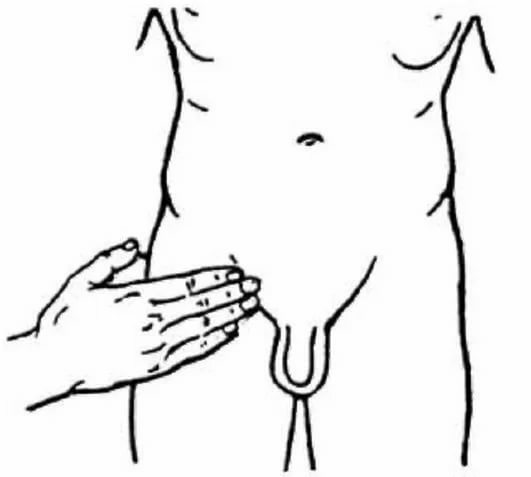
Fig.2 - Palpation - the first diagnostic procedure to detect an increase in inguinal lymph nodes.
However, in order to clarify the reasons and establish a clinical diagnosis, additional instrumental and laboratory methods of investigation are needed. The complex diagnostic examination includes:
- ultrasound of the pelvic organs;
- puncture biopsy of the affected lymph node with subsequent histological examination;
- radiography.
The patient also receives a standard set of laboratory tests, including:
- general blood and urine analysis;
- biochemical blood test;
- cytological analysis.
In case of difficulties with the final diagnosis, serological methods, such as PCR or ELISA, can be used to eliminate or confirm sexually transmitted infections. In most cases, a number of standard analyzes will provide all the data for establishing a clinical diagnosis and initiating treatment.
Treatment of enlarged inguinal lymph nodes
In medical practice, a comprehensive method of treating enlarged lymph nodes is used. Therapeutic tactics consists of the following principles:
- elimination of foci of the inflammatory-purulent process;
- application of local medicines in the form of ointments and gels;
- antibacterial therapy;
- symptomatic therapy;
- restorative procedures.
Elimination of a purulent-inflammatory focus consists in surgical intervention and carries with it the purpose of opening, revision and drainage of such focus. Only after surgical treatment, toxic substances cease to be released into the blood and lymphatic system, which leads to a significant improvement in the condition.
Increases the effectiveness of treatment and the use of ointments with anti-inflammatory and analgesic components.
The use of course antibiotic treatment allows you to overcome the infection and significantly accelerates the recovery and reduction of lymph nodes.
Symptomatic therapy is the treatment of other symptoms, such as pain, intoxication and fever.
No less important components of treatment and prophylactic measures are the provision of general strengthening therapy. After reducing inguinal lymph nodes it is necessary to continue taking complex vitaminized preparations, to lead a healthy lifestyle( see "What vitamins are needed to strengthen immunity in men?").
In cases where the increase in lymph nodes is not associated with inflammatory processes, but with oncological diseases, the patient is referred to a cancer center or an oncology unit. Additional diagnostics, determination of tumor histological composition and choice of treatment tactics are carried out. Therapy of the disease can be surgical or chemotherapeutic together with radiation therapy.
Recommended for viewing: