What are the causes of syncope in men?
A syncope( or syncope) refers to a sudden short-term loss of consciousness caused by a lack of oxygen or blood to the brain. Syncope is accompanied by a decrease in muscle tone, leading to a fall.
Content
- 1 Possible causes of syncope
- 2 symptoms of fainting
- 2.1 Predsinkopalny period( or predobmorok)
- 2.2 Actually syncope
- 2.3 Postsinkopalny period
- 3 First aid for fainting
- 4 Diagnosis of causes of syncope
Possible causes of syncope
cause of syncope are many and almostAll are associated with a sudden decrease in the intensity of blood flow in the vessels of the brain. Various diseases or conditions can cause such circulatory disorders.
The main causes of syncope in men:
- disorders in the functioning of the autonomic nervous system( about 50% of cases) - neuralgia of the glossopharyngeal or trigeminal nerves, orthostatic reactions, hypersensitivity of the carotid sinus, etc.;
- heart disease( about 25% of cases) - valve apparatus pathology, myocardial infarction, atrial myxoma, aortic aneurysmic dissection, pericarditis, arrhythmias, atrioventricular conduction disorder, PE, pulmonary hypertension, etc.;
- sudden increase in intracranial pressure - edema of the brain, tumors, hemorrhages;
- vascular disorders - atherosclerosis, transient ischemic attack, strokes;
- mental and neurological disorders - hysterical syndrome, neuroses, hyperventilation syndrome, epilepsy;
- decrease in the volume of circulating blood - insufficient water intake, bleeding, diarrhea, vomiting, a large amount of excreted urine;
- poisoning - alcohol, poisonous substances, narcotic or medicinal products, carbon monoxide;
- intoxication - infectious and oncological diseases;
- metabolic disorders - hypoxia, hypercapnia, decreased blood sugar, etc.;
- skull damage - concussion, brain contusion, craniocerebral trauma.
In a separate group, one can distinguish the so-called situational syncope arising in certain circumstances:
- from the type of blood;
- from act of bowel movement or urination;
- for cough;
- for swallowing, etc.
All the above-described main causes of syncope are equally characteristic of women. Among them, experts identify and specific factors that cause loss of consciousness in men:
- tight shirt collar with a tie;
- alcohol poisoning;
- excessive physical activity during training;
- nighttime urination in the elderly.
Symptoms of syncope
In the period of syncope, several stages can be distinguished with symptoms characteristic of them.
Presynchronous period( or pre-occlusion) of
When approaching syncope in a person, the following prodromal symptoms( precursors) may occur:
- nausea;
- marked weakness;
- excessive sweating;
- pallor;
- dizziness;
- "flies" before the eyes.
Their manifestations can last from a few seconds, to several minutes.
After this, a person experiences clinical manifestations of a pre-syncope:
- increasing weakness;
- headache and dizziness;
- discomfort or heaviness in the chest;
- lack of air;
- abdominal pain;
- sensation of palpitations, "fading" or "stopping" of the heart;
- darkening in eyes;
- ringing in the ears.
Severity and a set of the above-described pre-fog symptoms may be variable. Sometimes this period is expressed extremely brightly, moderately, indistinctly or completely absent. In addition, the patient has signs of a disease that has become a cause of syncope.
Actually syncope
After the completion of the pre-syncopal period, the person himself faints:
- the person loses the sense of balance and falls "sheaf" or slowly sinking;
- complete absence of consciousness( about 5-20 seconds, 10% of cases longer);
- complete absence of movement( possible slight twitching of the limbs or involuntary urination);
- dilated pupils;
- reduction of muscle tone;
- pallor;
- bite of the tongue( sometimes).
Post-syncopal period
This period begins after the "return" of consciousness. As a rule, the patient begins to recover quickly. He has the following symptoms:
- confusion;
- general weakness;
- drowsiness;
- dizziness;
- headache;
- discomfort in the chest;
- heartbeat;
- slight difficulty in breathing.
In some severe cases, a sudden death occurs in a person during a syncope( for example, with asystole, PE, ventricular fibrillation, etc.).
First aid for syncope
Sometimes a person experiencing the symptoms of a pre-syncopal condition can by some actions prevent the onset of syncope:
- if the condition allows, it should cross your legs, lean your back against a wall or tree and strongly strain the muscles of the legs and buttocks;
- if worsened - sit or lie down;
- start deep and often breathe - the inspiration should be maximum, and during exhalation should be drawn in the stomach;
- to massage the ear;
- several times press the finger and release the point, located in the hollow between the lips and nose.
The main goal of pre-medical care in syncope is aimed at eliminating oxygen starvation of brain tissue. To do this, it is necessary to achieve an inflow of blood to the head next to the injured person. In addition, the development of some possible complications should be prevented.
First aid in fainting includes the following activities:
- If possible, catch a losing person.
- Place on the back on a flat surface.
- If fainting occurred in the winter and on the street, it is better to place the patient on a bench or move to a room( for prevention of frostbite and hypothermia).After this, the victim must be protected. If the loss of consciousness was caused by overheating or sunstroke, then transfer the patient to a shade or cool room.
- Unbutton the tight breathing and circulation of clothing, loosen the strap, tie.
- Place a roller under your feet from improvised tools. The extremities should be above the level of the head.
- If a syncope occurs in a room, then a fresh air supply should be provided( open the window or door).
- Soak or sprinkle face with cool water and attach a towel soaked in it to your forehead.
- To prevent choking with vomiting, open your mouth and turn your head to the side. When vomiting begins, turn the whole body to the side.
- Instead of ammonia, bring to the nose of the patient vinegar, a cut onion or something else with a pungent odor. Repeat such attempts every 7-10 seconds before exiting syncope. Ammonia alcohol is not recommended, since in some cases it can cause breathing problems( until it stops).
- Slightly pat the victim on the cheeks.
- If there are abrasions, scratches or wounds, treat them with an antiseptic solution and apply a bandage.
- If the victim does not come to his senses for a few minutes or if he has deep wounds, it is necessary to call the ambulance brigade.
- In the absence of breathing and pulse, resuscitation should be carried out - artificial respiration and indirect heart massage.
- After recovery of consciousness, the patient is recommended to stay in the horizontal position for about half an hour. After the relative stabilization of the condition, he should drink sweet tea or 20-30 drops of valerian tincture. You can stand on your feet only gradually. Before the medical institution, someone must accompany him.
- If, after a syncope in a person, the face does not become pale and flushed, then this sign may indicate an arterial hypertension or a heat stroke. In such cases, the patient must be laid, raising his head. After this, immediately call an ambulance or a doctor!
Diagnosis of causes that caused syncope
If there was no reason to call an ambulance, then after a syncope, you should consult a therapist. The doctor will listen to the patient's complaints, carry out an examination and, if necessary, send for consultation to the appropriate specialist( cardiologist, neurologist, psychotherapist, endocrinologist or others).
The following methods of examination can be recommended to the patient:
- laboratory blood tests;
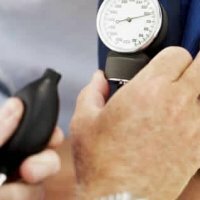
- measurement of blood pressure;
- ECG( various types);
- Echo-KG;
- dopplerography of the vessels of the neck;
- cardiothorrhography;
- computer sphygmomanometry;
- angiography;
- blood test for thyroid hormones;
- CT;
- MRI;
- electroencephalogram, etc.
The scope of diagnostic measures to determine the causes of syncope is determined individually for each patient. After analyzing the results, the doctor will be able to prescribe the necessary treatment.
Cardiologist Petrova Yu.
Recommended for viewing: