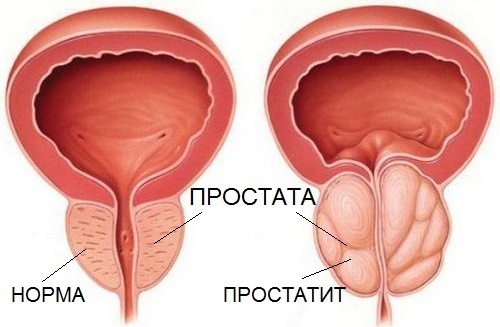
Vitamins for prostate health
The increase in the prostate with age, to some extent, is expected by most men. Another thing is when this pathology goes out of control and causes inconvenience to a man. The main signs of prostate enlargement are:
- labored urination;
- weak jet;
- incomplete bladder emptying after urination;
- urinary incontinence.
Symptoms associated with prostate enlargement can go on for a long time unnoticed, so every man after forty years of age needs preventative prostate cancer diagnosis, including ultrasound examination of the prostate and the delivery of an assay for the level of PSA( prostate specific antigen).This is important, because with such a diagnosis it is possible to identify at an early stage prostate cancer - the most common malignant neoplasm in men.
Can nutrition help in prevention and therapy of prostate pathologies? Undoubtedly. However, the issue of nutrition is not limited only to the consumption of vitamins and minerals that are important for the prostate: in nutrition, one should completely revise one's diet and shift it to more healthy foods.
Read "Nutrition for prostate cancer - useful products".
Contents
- 1 Vitamin A
- 2 Vitamins of group B
- 3 Vitamin E
- 4 Selenium
- 5 Zinc
- 6 Other recommendations for nutrition for prostate health
- 7 What should I avoid?
Vitamin A
Insufficient intake of vitamin A increases the risk of developing prostate cancer [1].Vitamin A is actively accumulated( deposited) in the liver, which makes it possible to create a reserve of this vitamin, but at the same time limits its long unlimited consumption, since its overabundance has a toxic effect on the body.
Food sources. Vitamin A in food is represented by retinoids and carotenoids. Retinoids are a true vitamin A( retinol), while carotenoids are the precursors of the vitamin( provitamin), which are converted into a valuable vitamin in the body;The most active of carotenoids is beta-carotene. Retinoids are found in products of animal origin, carotene - in plant.
Vitamin A content in food:
( approximate availability of 100 g)
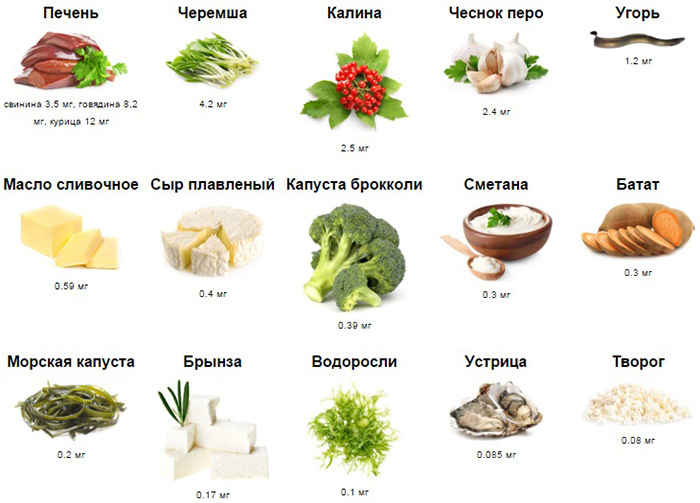
Carotenic assimilation depends on the type of product and its culinary processing. So, from greens, carotene is digested better than from carrots. Grinding promotes better assimilation of beta-carotene from carrots - 5% of carotene is absorbed when grinding on a large grater, 20% - when grinding on a fine grater, and when 50% of beta-carotene is added to carrots of sour cream or vegetable oil [2].
Vitamins of group B
Represent a group of water-soluble vitamins that do not have the ability to store by the body. The disadvantage of some of them( thiamine, riboflavin, vitamin B6), may contribute to the occurrence of prostate cancer [1].Anticarcinogenic effects of vitamin B2 and B6 have been identified [2].
Daily requirement and food sources.
| VITAMIN | DAILY NEED | FOOD SOURCES |
|---|---|---|
| Vitamin B1( thiamin) | 1,5 mg | Bean, nuts, cereals, liver, meat |
| Vitamin B2( riboflavin) | 2.0 mg | Eggs, meat, fish, nuts, mushrooms, broccoli, spinach |
| Vitamin B6( pyridoxine) | 1,5 mg | nuts, legumes, liver, meat( chicken, beef, pork, veal), fish( tuna, salmon), avocado |
need for increased daily dosage of vitamins BOccurs when smoking, alcohol abuse, increased protein diet, increasedphysical and mental stress, disease states.
Vitamin E
Tocopherol is a potent immunomodulator and one of the main antioxidants. Due to its functions, along with other antioxidants, it has anti-cancer effect [2].Vitamin E( along with ascorbate) activates the enzymatic antioxidant defense, since it includes selenium in the active center of glutathione peroxidase [4].
The need for vitamin can occur with increased content of vegetable oils in the diet. They are also a rich source of tocopherols.
In order to increase the antioxidant effect of tocopherol, its administration should be combined with the intake of vitamin C [4].
Food sources. Vegetable oils rich in tocopherol, but manufacturing process oils( heating, cleaning, deodorization, refining) largely reduce the content of tocopherol. Preference should be given to fresh oils obtained by the method of cold pressing [4].
The best sources of vitamin E are nuts, seeds, buckwheat, butter, yolk eggs, meat, sprouted wheat germ.
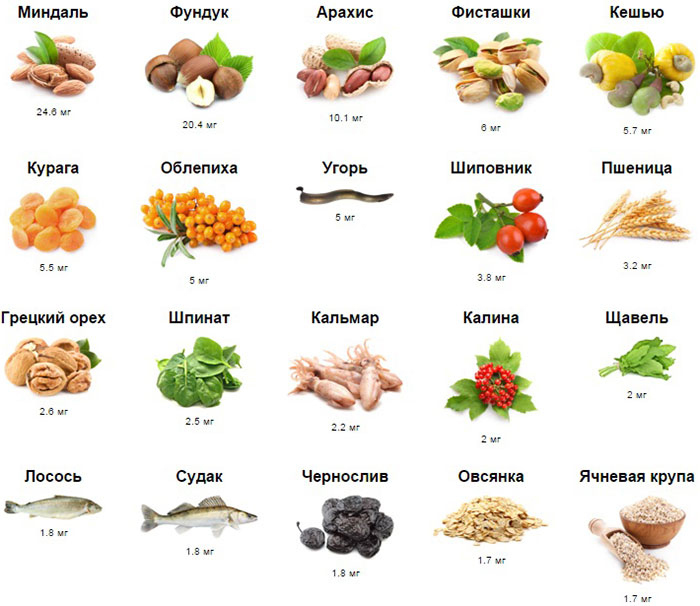
content of vitamin E in foods:
( estimated in the presence of 100 g)
Selenium Selenium together with antioxidant vitamins( beta-carotene, C, E) exerts anticancer action [2].According to some reports, receiving 200 micrograms of selenium a day( dose corresponding double daily rate), reduces the risk of prostate tumors by 63% and reduces the overall mortality from cancer by 39% [3].
All effects of selenium in the body are manifested only in the presence of vitamin E. Vitamin C in turn is responsible for the metabolism of the trace element [1].Therefore, the intake of selenium must necessarily be combined with the intake of these vitamins.
Food sources. The champion in selenium content is the Brazil nut, 100 g of which contains 1917( ± 230) μg [3].It turns out, 1-3 nuts a day is enough to satisfy the daily requirement for this trace element. Other products containing selenium: seafood, liver, kidney, egg, meat.
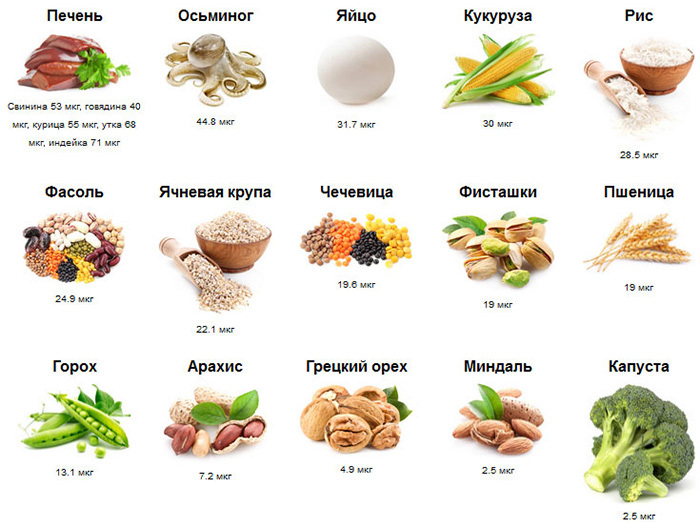
selenium content in foods:
( estimated in the presence of 100 g)
Carbohydrates( sweet and farinaceous products) prevent selenium absorption and processing of products, e.g. canning reduces the selenium content is 2 times [2].
Zinc
A number of studies have demonstrated that zinc helps to reduce the size of the prostate and helps alleviate the symptoms associated with its increase [1].Experiments on animals have shown that the introduction of zinc in the form of injections, prevents them from developing prostate cancer by 80%.There are also positive data on the treatment of prostatitis with an additional intake of zinc in men [2].
role of zinc in the male body is multifaceted and includes maintaining the activity of the prostate, the synthesis of sex hormones( including testosterone), and sperm, improved metabolism and excretion of Vitamin E alcohol.
Read more about the role of zinc for the male body.
The need for zinc can increase with a diet based on foods with a high carbohydrate content, which causes an increased synthesis of insulin [2].
Food sources. Pumpkin seeds, liver, meat( beef, lamb, turkey), nuts, seafood, beans, lentils, oatmeal, buckwheat.
zinc content in foods:
( estimated in the presence of 100 g)
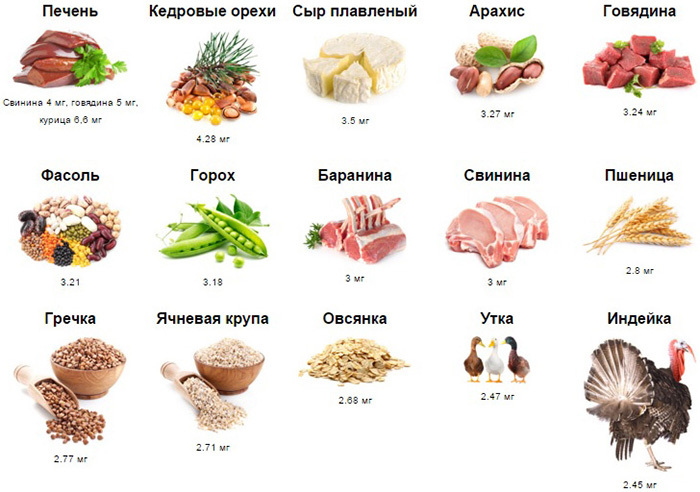
Table 1 - Minerals and vitamins for prostate.
| SUBSTANCE | DAILY NEED | FOOD SOURCES |
|---|---|---|
| Vitamin A | 1 mg | Vegetable oils, carrots, spinach, liver, greens |
| Vitamin B1( thiamin) | 1,5 mg | Pulses, nuts, cereals, liver, meat |
| Vitamin B2riboflavin) | 2,0 mg | eggs, meat, fish, nuts, mushrooms, broccoli, spinach |
| Vitamin B6( pyridoxine) | 1,5 mg | nuts, legumes, liver, meat( chicken, beef, pork, veal)fish( tuna, salmon), avocado |
| Vitamin E | 10 mg | nuts, egg yolk, butter, buckwheat |
| Selenium | 100 μg | Brazil nut, seafood, pulses, nuts |
| Zinc | 15 mg | Oysters, pumpkin seeds, nuts, pulses, cereals |
Other recommendations for nutrition for prostate health
In addition to the main nutrients presented above, the following preventive properties are available:
- Lycopene. Lycopene, a part of tomatoes, has antioxidant properties, contributes to reducing the risk of prostate cancer [3].
- Fiber. Men whose diet includes many foods high in fiber, less likely to suffer from prostate cancer [1].Gradually rebuild your diet so that you get 40 grams of fiber daily. Fiber-rich fresh fruits, vegetables, berries, dried fruits( apricots, prunes), legumes, cereals( oats, millet), and others.
What should be avoided?
However, it is worth to refuse or, in extreme cases, severely restrict [3]:
- Fat;
- Fried;
- Smoked;
- Salted( see "How much salt does a man need?");
- Acute.
Sources:
- T. P. Emelyanova «Vitamins and minerals: Complete Encyclopedia", 2000;
- VG Liflyandsky "Vitamins and minerals", 2010;
- Wikipedia - Free Encyclopedia;
- TS Morozkina, AG Moiseenok "Vitamins", 2002;
- Edaplus.info is the source of illustrations for the article.
Recommended for viewing: