
Sign of disruption of the digestive tract - diarrhea with mucus in the child
Indigestion in children is a common problem, and in most cases it can be solved at home with a diet and the simplest medications, but diarrhea with mucus or blood is signs of a serious disruption of the baby's gastrointestinal tract and leave such a problem without attentionFollows.
What causes diarrhea with mucus in a child? In what cases should I see a doctor or call an ambulance? How can I help?
Diarrhea with mucus in infants
Contents:
- Diarrhea with mucus in infants
- Possible causes of diarrhea in infants
- What to do with diarrhea?
- Diarrhea with mucus in children from year
- Causes of
- How to treat?
It is rather difficult for a baby to give an accurate definition of the concept of diarrhea. Infant breastfeeding can go to the toilet 5-6 per day, but 10 times is considered the norm.
Ideally, a child goes to the toilet as often as he is fed. Toddlers on artificial feeding should shovel 1-2 times a day, but also their frequenting of the stool is not always a sign of diarrhea.
After the first feeding, about 6 months, the stool in infants should appear less often, 2-3 times a day, and in children on artificial feeding - once in 1-2 days.
The consistency of the stool depends on age and nutrition: in the infants the mushy or liquid stool is considered the norm, gradually, with the introduction of complementary food, the excrements begin to become more formalized.
The presence of a small amount of mucus in the stool of toddlers does not indicate a pathology.
Since the concept of "norm" for every kid is different, my mother often has to rely on her own experience.
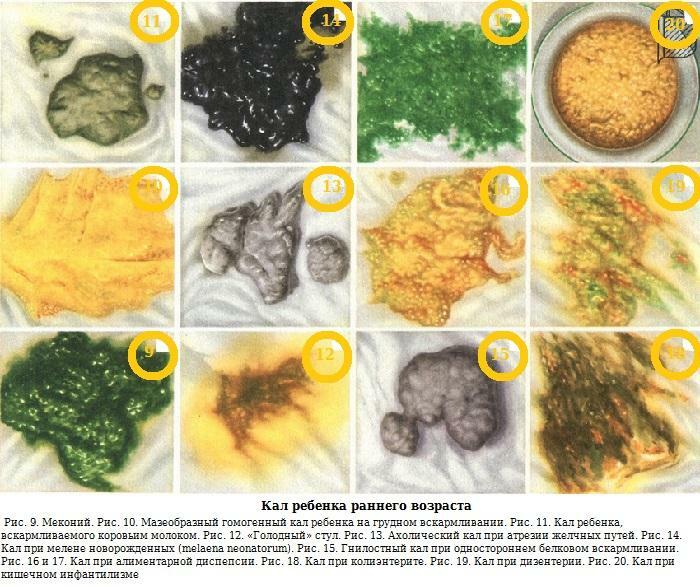
If the baby croaks more often or the stool becomes more fluid, contains more water and mucus than normal, then the baby probably started diarrhea.
About the disorder of the stomach will testify to the general behavior of the baby - tearfulness, lethargy, loss of appetite.
A breastfeeding child may respond with a stomach disorder to new foods in a mother's diet or a viral infection, even a cold.
Diarrhea in such cases is short, and the baby as a whole quickly enough starts again with an appetite to eat and smile.
But children at this age are extremely susceptible to the development of various infectious diseases, so it is necessary to carefully monitor the appearance of the first signs of a serious disease:
- frequent watery stools;
- presence of foam, blood or large amounts of mucus in the stool;
- appearance of a pungent odor;
- vomiting;
- temperature increase;
- change the color of the stool( greenish, orange, raspberry).
If any of the above symptoms occur, you must urgently call an ambulance.
First, such abnormalities may indicate the onset of the development of acute intestinal infection or dysbacteriosis, and secondly, infants with severe diarrhea very quickly lose water and electrolytes.
If, concomitantly with diarrhea of the baby's stomach, diarrhea occurs with mucus in an adult, it is necessary to see a doctor immediately.
Possible causes of diarrhea in infants
In children under one year, the digestive system is not completely formed, so the intestine can react to a wide variety of changes.
In children with breastfeeding, diarrhea is often associated with maternal nutrition: any new or unusual foods, unbalanced diet, or lack of certain elements can cause diarrhea in a child.
If the baby is fed with a mixture, diarrhea may appear if the recommended dosage is exceeded, ie, the most simple overfeeding.
Video:
Often children develop an allergic reaction to certain products. If the baby's diarrhea is rare, then the mother can try to install the allergen independently, although it is recommended to consult a doctor and take special tests.
Diarrhea in a child can be triggered by an allergic reaction of the mother, although for her symptoms pass almost imperceptibly.
In addition to allergies to certain foods, the baby may have such individual characteristics as intolerance to milk sugar or gluten due to inadequate production of certain enzymes.
Often the cause of diarrhea is the use of medications, especially antibiotics, which violate the natural intestinal microflora, better known as dysbiosis.
Infants on artificial feeding often suffer from a lack of useful bacteria, since the bulk of these microorganisms are colonized in the intestines with mother's milk.
But even with breastfeeding, various factors can lead to disruption of the microflora in the infant.
Diarrhea with mucus may appear in the child during teething. Because of the constant irritation of the gums, babies often pull a variety of objects into their mouths and enter pathogens into the intestines.
Simultaneously, the child raises salivation and weakens immunity, so diarrhea with mucus often accompanies each new tooth.

The most dangerous causes of diarrhea with mucus are the development of an acute intestinal infection and infection with parasites.
In such cases, the child often has other symptoms: fever, vomiting, abdominal pain, lethargy, discoloration of the stool and the appearance of a sharp odor.
Most likely, the baby will need urgent hospitalization, so it is necessary to call an ambulance as soon as possible.
What to do with diarrhea?
When diarrhea appears in infants, the risk of dehydration is high, so the primary task is to maintain the water-salt balance of the baby.
After each attack of diarrhea, the child should be given a drink( 50 - 100 ml) of cool water.
If the stool becomes watery or accompanied by vomiting, you should urgently call an ambulance.
In anticipation of a doctor instead of water, a child can begin to give a special solution for rehydration. Regidron, for example, contains all the necessary salts and electrolytes.
Before using the drug, be sure to read the instructions - overdose or improper preparation of the solution can only aggravate the situation.

If the baby's diarrhea continues for a long time or if there are first signs of dehydration( bright red lips, dry mucous membranes, discoloration, viscous saliva), then immediately call an ambulance.
If the child is on artificial feeding, then change the mixture with the appearance of diarrhea is not necessary, it is enough to reduce the dosage and closely monitor the reaction of the baby.
If the child is on a lure, then exclude from the diet newly introduced foods, raw fruits and vegetables. It is best to stop diarrhea rice decoction, porridge in water without salt and sugar, crackers, strong tea.
Diarrhea with mucus in children from the year
With the introduction of complementary feeding the child's chair begins to be gradually formed, and at the age of one and a half years, as a rule, it already becomes hard as in adults.
There is also a more stable schedule of the intestine: children should go to the toilet once in a day or two.
Each organism is individual and works in its own way, therefore the main indicators of the normal functioning of the intestines are the child's well-being and the consistency of the stool.
Causes of
Diarrhea with mucus in children after the year indicates a violation of the digestive system, temporary or chronic.
Short-term diarrhea with mucus may be a reaction of immunity to penetration into the intestines of pathogenic bacteria when used, for example, unwashed fruits or vegetables.
In this case, the body tries to push potential pathogens out of the intestine by rapid evacuation of undigested food and liquids.
Diarrhea can be caused by food poisoning( the use of expired or poor-quality products).
Video:
Diarrhea in such cases occurs within 1-2 days, may be accompanied by a slight increase in temperature, nausea, abdominal pain.
If these symptoms are more acute in a child( diarrhea is accompanied by excessive vomiting, the temperature rises to 38 degrees), then you should consult a doctor to exclude intestinal infection and helminthic invasion.
If diarrhea with mucus appears in the baby periodically, the cause may be an unbalanced diet.
Because the digestive system of children is sensitive enough, it is important to observe the right diet and diet: eat enough fruits, vegetables and cereals, do not abuse fatty and heavy food, sweet.
Diarrhea in such cases is treated by compliance with a more strict diet and the introduction of additional products to stimulate the work of the gastrointestinal tract( dried fruits, whole grains, etc.)
Diarrhea can indicate the onset of inflammatory processes in the mucosa of the digestive organs: gastritis, peptic ulcer, duodenitis, Pancreatitis, etc.
In such cases, diarrhea, as a rule, is accompanied by abdominal pain, nausea, eructation, weakness. If a child often suffers from a stomach disorder, then it is necessary to consult a specialist for diagnosis.
How to treat?
For young children, the main risk for developing acute diarrhea is dehydration, especially if diarrhea is accompanied by vomiting.
It is necessary to give the baby a copious drink - give preference to non-carbonated mineral water, compote from dried fruits, strong tea.
If signs of dehydration or worsening of the child's condition appear, you must call an ambulance or go to the hospital yourself for rehydration and diagnosis.
Video:
If diarrhea is provoked by food poisoning, then it is possible to give the child activated charcoal: the sorbent absorbs toxins and excess gases and helps to normalize the digestive organs.
The child should be transferred to a strict diet: exclude all foods that irritate the mucous membranes, fruits, milk, fatty and sweet.
You can eat rice decoction, porridge on the water, lean soups and lean meat in moderation.


