Therapeutic physical training in gynecology
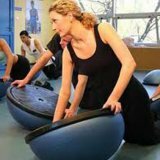
Today, the therapeutic physical culture( LFK) is called a method of treatment, which uses the means of physical training to achieve therapeutic and prophylactic purposes, for example, to restore the patient's capacity for work and health, to prevent the development of complications and the severe consequences of the disease. Therapeutic physical training in gynecology is one of the most effective methods of treatment and prevention of gynecological diseases.
This is not just a therapeutic and prophylactic measure, it is a whole treatment and educational process. LFK exercises form a new attitude to physical exercises, instill hygiene skills, form a common mode of life and the so-called "mode of movement", they bring up the correct perception of organism hardening in natural conditions.
In gynecology, exercise therapy is prescribed to women in the postoperative period, for example, after vaginal operations and laparotomy, with chronic inflammatory diseases of the genital organs, abnormal position of the uterus. Exercises exercise therapy are contraindicated in the case of development of acute inflammatory processes, accompanied by an increase in body temperature;With vascular disorders( thrombophlebitis and phlebitis) of the pelvis and lower limbs;Septic state;Bleeding and any postoperative complications.
The general principles of therapeutic physical training in gynecology are based on the correct choice of unloading and painless starting positions, the systematic implementation of exercises, proper breathing during classes, strict dosage control and the complexity of exercises, taking into account the effectiveness of classes, their emotional saturation, hygienic rules for their conduct.
In case of development of chronic inflammatory diseases of the genital organs, women exercising exercise should improve blood circulation in the pelvic area, accelerate the resorption of inflammation sites, prevent the development of adhesions in the small pelvis, stimulate the functioning of the intestine, improve the activity of the respiratory system, enhance the emotional and general tone of the body. Classes should provide for the unloading of the body from the pressure along the vertical axis. Exercise should be performed under a clear control of pain and in no case should there be an aggravation of pain at the end of the session.
In case of an abnormal position, the uterus of the LFK promotes blood circulation in the pelvic region, strengthens the muscles of the pelvic floor, abdominal press, ligamentous apparatus, increases uterine mobility and its displacement into the correct position. In addition, there are improvements in the digestive tract and in the body as a whole. At the heart of exercise therapy in the abnormal position of the uterus are exercises that reduce pressure on the muscles of the uterus from the organs located in the abdominal cavity.
In gynecology, in addition to exercise complexes, exercise therapy includes running with running, skis, active games, rowing and swimming, as well as other types of physical training taking into account the functional condition of women, their diseases, age, lifestyle, type of activity.
Therapeutic physical training in the postoperative period is aimed at accelerating the regenerative processes in the body, establishing a normal rhythm of breathing, preventing such postoperative complications as pneumonia, bronchitis, intestinal atony, congestion in the lower extremities and small pelvis. In addition, physical education increases the general and emotional tone of the patient. During this period, it is recommended to perform well-defined physical exercises for the muscles of the pelvic floor and abdominal press. And for example, with vaginal operations, exercises are reduced only to the removal of legs in different directions. Light exercises are recommended to be performed from the second day after the surgery, if there are no contraindications, and the first day after the operation is given for breathing exercises.
Physical exercises are contraindicated in the aggravation of inflammatory processes, which are accompanied by an increase in temperature, a high rate of precipitation of erythrocytes( ESR), pain, bleeding and with encysted purulent conditions prior to their treatment.