What products and elements are useful for the heart and blood vessels?
Many diseases of the heart and blood vessels make us think that besides observing all the recommendations of the cardiologist regarding the drug treatment, it is necessary to think about making up a rational menu. Often, patients believe that a diet with emerging cardiac pathologies is sufficient to observe only a short time. However, this is not so, and in order to prevent possible exacerbations and progression of the disease, one should radically revise its principles to compile a daily menu.
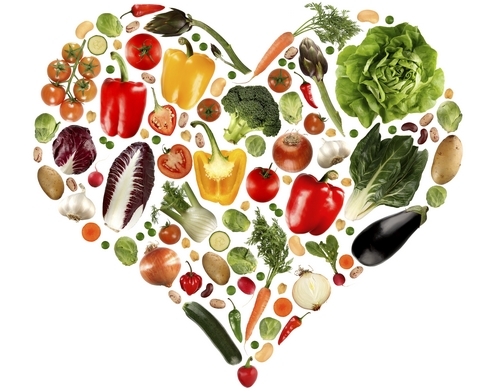
The selection of proper nutrition for the heart helps to significantly reduce the risk of cardiovascular diseases
Contents of
- 1 Which elements are useful for the heart and why
- 2 Top 10 available and useful products
- 2.1 Fatty fish
- 2.2 Oils
- 2.3 Nuts
- 2.4 Dried apricots
- 2.5 Buckwheat
- 2.6 Beef
- 2.7 Cranberry
- 2.8 Green tea
- 2.9 Broccoli
- 2.10 Spinach
- 3 What foods and dishes should be avoided
What elements are useful for the heart and why
For the full exercise of the heart and blood vessels in the diet of patients with chronic heart conditions, foods containing a large number of the following nutrients should be included:
- Omega-3 - unsaturated fatty acids are recommended by all leading cardiologists andHave cardioprotective, antiarrhythmic, antihypertensive, anti-inflammatory and lipid stabilizing properties;
- magnesium - is necessary for regulating heart rhythm, reducing blood pressure, maintaining the level of potassium in the blood and reducing the likelihood of blood clots;
- potassium - is the main building material for cells, normalizes the functioning of the nervous system and stabilizes the heart rhythm and blood pressure;
- coenzyme ( or coenzyme) Q10 - eliminates hypertension, protects cardiomyocytes from damage when taking cardiotoxic drugs and performing surgical interventions;
- antioxidants ( vitamins C, A, E and selenium) - are involved in the destruction of free radicals, contributing to strengthening the walls of blood vessels, reducing the level of "harmful" cholesterol, strengthening the immune and nervous system;
- vitamins B group ( pyridoxine, pantothenic acid, niacin and niacinamide) - promote the expansion of blood vessels and lower blood pressure, participate in the normalization of the ratio between "harmful" and "useful" cholesterol, prevent clogging of the lumen of the vessels;
- fiber fibers - are useful for removing "harmful" cholesterol even in the digestive tract.
Top 10 affordable and useful products
To make the right menu for people suffering from heart and vascular diseases, you should include in your diet the following foods included in the top 10 most useful and affordable. When they are introduced into the diet should be sure that there are no contraindications to their intake.
Fatty fish
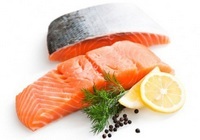 Fish of fatty varieties - sardines, salmon, salmon, mackerel, catfish, etc. - contains polyunsaturated fatty acids. And the most beneficial effect on the heart and blood vessels is provided by one such as Omega-3.It is not produced in the human body and must come with food. Its beneficial influence is proved by numerous studies of foreign and Russian scientists.
Omega-3 is found in the following fish species:
- salmon;
- mackerel;
- salmon;
- smelt;
- hamsa;
- tuna;
- herring;
- mackerel;
- sardines, etc.
Cardiologists and family medicine doctors recommend to include in the diet dishes from such fish at least 2 times a week. To such advice of doctors should listen not only to patients with ailments of the cardiovascular system, but also to patients with diabetes mellitus, kidney pathology and endocrine system.
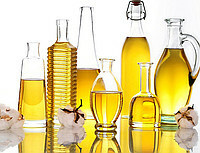 oils Another available source of useful Omega-3 oils can be vegetable oils. That is why people with cardiac diseases should be introduced into the diet such of them:
- olive;
- corn;
- linen.
The use of these oils in preparing dishes will help reduce blood pressure and reduce blood viscosity. As a result, the heart and blood vessels will not experience excessive exercise, and the general well-being of the patient will improve.
Nuts
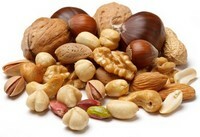 Cashew, pine nuts, almonds, peanuts, pistachios, walnuts and hazelnuts are sources of magnesium and can include the diet of patients with heart and vascular disease, without contraindications to their use. The magnesium contained in them is a natural tranquilizer and an antistress agent. Its use is especially indicated for people who have cardiovascular ailments caused by stressful stresses or whose profession is associated with these factors.
Signs of a lack of magnesium in the body can become such manifestations:
- insomnia;
- irritability;
- flickering dots before the eyes;
- blood pressure jumps;
- convulsions;
- headaches;
- spasms in the stomach;
- deterioration of hair and nails.
People with heart and vascular disease should take into account the fact that the need for this element increases during heat, diseases accompanied by the release of a greater volume of urine or conditions that cause increased sweating.
Dried apricots
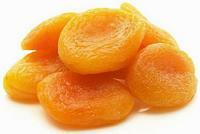 This product contains a large amount of potassium, which is needed by patients or people whose activities are related to emotional or physical stress. This element is involved in maintaining a balance between tissue and cellular fluids. Due to its influence on the body, myocardial contraction is normalized, heart rhythm and blood pressure stabilize. Potassium provides removal of excess fluid accumulated in the tissues and helps to eliminate depressive conditions. Also, this element improves the delivery of oxygen to the brain cells and can contribute to the prevention of strokes.
Signs of a lack of potassium in the body are the following:
- poor appetite;
- reduction in muscle strength;
- convulsions;
- nausea;
- edema;
- indigestion in the form of constipation;
- decrease in the volume of excreted urine;
- weakness;
- apathy.
Buckwheat groats
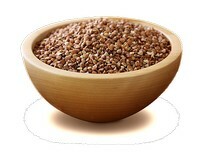 This cereal contains many useful substances that have a beneficial effect on the heart and blood vessels. They include:
- vitamins of group B( B1, B2, B5, B6 and B9);
- vitamins PP, H and E;
- potassium;
- magnesium;
- zinc;
- selenium;
- fluoride and other minerals and trace elements.
In the core of this cereal, there are components that eliminate iron deficiency arising from various cardiovascular diseases, which increase immunity and stabilize the level of "harmful" cholesterol. Buckwheat can be recommended for inclusion in the menu even for those patients who have pathologies of the gastrointestinal tract( for example, gastritis, duodenitis, etc.), or overweight.
Beef
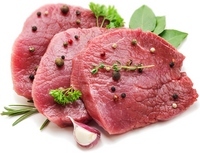 Nutritionists believe that the main source of coenzyme Q-10( or ubiquinone) for the human body is beef. It is this substance contained in meat that is the most powerful antioxidant.
Beef is introduced into the diet of patients suffering from heart disease. Coenzyme Q-10 promotes normalization of metabolism, helps to produce energy in the cardiomyocytes, helps to eliminate depression, regulates vascular activity and has an additional positive effect on brain cells and other tissues.
Cranberries
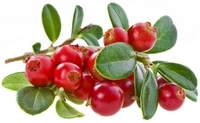 Acids, vitamins, bioflavonoids, trace elements, anthocyanins, sugars and pectins contained in the beak have a beneficial effect on the condition of the vessels and the heart muscle. They promote the normalization of metabolic reactions, increase immunity, suppress the growth of pathogenic microorganisms.
In the cranberry there are vitamins of group B and ascorbic acid, which strengthen the walls of blood vessels and have a beneficial effect on immunity. Nicotinic acid helps the body absorb vitamin C and enhances its antioxidant properties. Vitamin B1 normalizes the activity of the nervous system, heart and digestive tract. And pantothenic acid helps normalize carbohydrate and fat metabolism. The high content of potassium, the assimilation of which is improved due to the presence of vitamin B6, also strengthens the walls of capillaries and myocardial tissue.
Sugars contained in cranberries serve as a source of energy to ensure the normal course of various metabolic reactions. Thanks to this, immunity is strengthened, which prevents the development of various tumor and bacterial-inflammatory processes.
The fiber, pectin, contained in cranberry, is "water-soluble".It is able to bind the liquid and harmful components into the kisselike mass, which is eliminated from the body naturally. Thanks to this, metabolic processes are stabilized in the body, the level of "harmful" cholesterol is reduced, and the likelihood of developing atherosclerosis of blood vessels becomes smaller.
Green tea
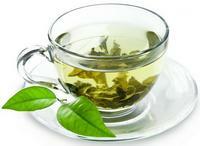 This tea contains many antioxidants and flavonoids useful for the heart and blood vessels. A number of studies conducted in authoritative scientific medical centers have shown that taking 4-5 cups of green tea a day can improve the condition of the vascular walls.
Despite all the useful properties of this favorite drink, it should be remembered that with some diseases its use can be contraindicated. That is why if you intend to use it continuously or for preventive purposes, you should get advice from a specialist.
Broccoli
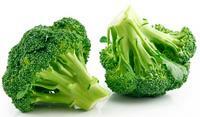 A number of experiments have shown that the substances contained in broccoli, improve the work of the heart and blood vessels. They are able to reduce the damage that occurs when there is insufficient intake of oxygen to the myocardial cells.
Broccoli contains vitamins of group B, vitamin A, E, C, U, K and PP.A trace element composition is useful for the heart and vessels sodium, potassium, calcium, iron, phosphorus, zinc, selenium and copper.
With the use of broccoli, the human body is saturated with protein, essential amino acids and a compound similar in its properties to endorphins( the "hormone of happiness").The composition of this vegetable culture includes a small amount of carbohydrates and fats, which means that this product can be used for weight loss, which is shown to many patients with cardiovascular diseases.
Spinach
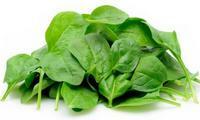 Despite the fact that spinach has an absolutely neutral taste, its set of microelements and vitamins allows it to be used as an effective remedy for anemia. Also in the composition of this green is a lot of substances that are useful for the heart. Antioxidants and polyphenols protect the cells of the vascular system from the influence of harmful radicals, and the low energy value of this food product allows it to be eaten even by people who are overweight.
Spinach contains a lot of potassium, which is also useful for patients with heart and vascular diseases. This element stabilizes blood pressure and normalizes the heart rate.
Omega-3 contained in spinach has a beneficial effect on the stabilization of triglyceride and cholesterol levels in the blood. Thus, this food reduces the risk of developing or progressing atherosclerosis.
Spinach contains substances that have a mild diuretic effect. That is why this greens can be recommended to patients with cardiovascular ailments, which, due to dysfunction of this and urinary system, there are swelling.
What products and dishes should be avoided
The most harmful to the health of the heart and blood vessels are:
- sugar and salt in excess;
- modified fats( for example, margarine or dishes containing such ingredients);
- meat subjected to deep processing;
- black and red caviar;
- sparkling wines and champagne;
- beer;
- fast food;
- carbonated drinks.
Cardiologist Petrova Yu.
Recommended for viewing: