Acute coronary syndrome

Angina that reflects the course of a disease of coronary heart disease, during which, as a result of an exacerbation of the pathological process, the risk of a heart attack increases or sudden death is an acute coronary syndrome.
Acute coronary syndrome: causes of
It is believed that this disease can occur due to infection caused by Helicobacter, chlamydia and other viruses. Internal factors that lead to the rupture of atherosclerotic plaque are: the predominance of the lipid core, the activation of macrophage cells, the reduction of collagen synthesis. In one form of the development of the disease, a fixed thrombus forms on the surface of the vessel, it is located above the rupture of the plaque or over another defect. Often a blood clot penetrates into the plaque itself, and this leads to a rapid increase in its size and an even greater closure of the lumen of the vessel.
Risk factors for acute coronary syndrome
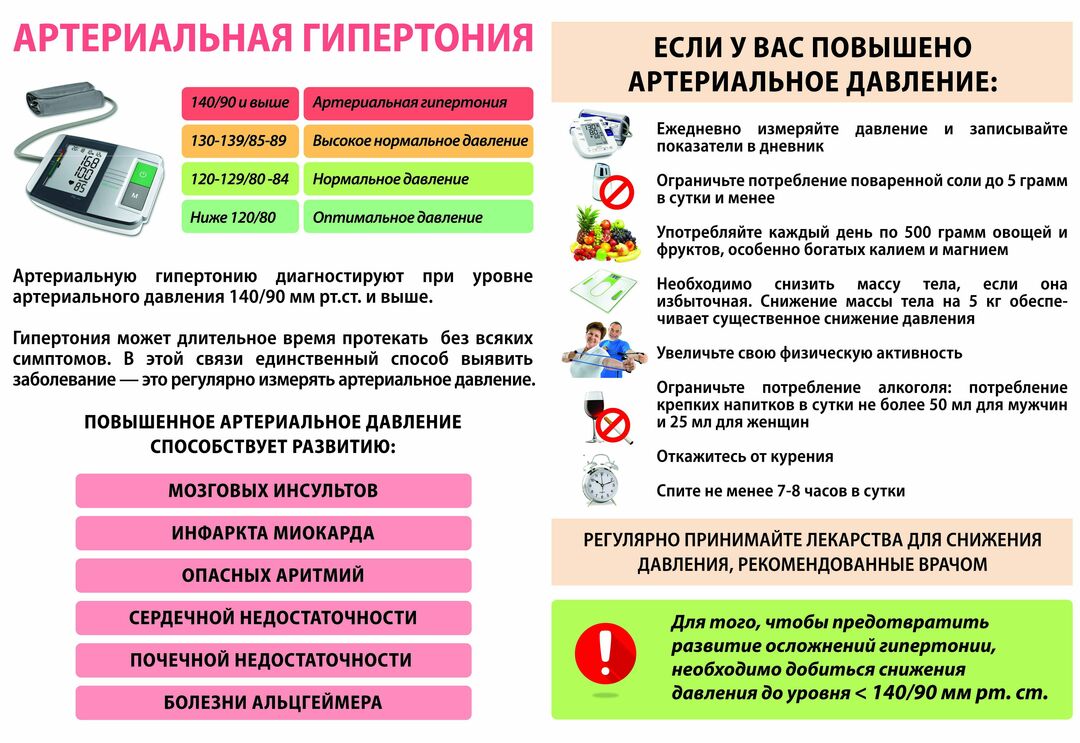
Coronary syndrome is a disease whose risk factors include the following groups of individuals. This disease often occurs in the elderly, and men have a greater risk of ischemic disease and heart attacks at an earlier age than women. The likelihood of developing risk factors increases some genetic factors, such as high cholesterol, diabetes, high blood pressure. Risk factors include racial and ethnic affiliation( African-Americans have the highest risk of cardiovascular disease).Also, some diseases affect the development of acute coronary syndrome. This is a high level of triglycerides, abdominal obesity, insulin resistance( diabetes mellitus or prediabetes), low cholesterol, high blood pressure. Also, risk factors include: alcohol, smoking, diet, reduction of active lifestyle.
What includes coronary syndrome
Acute given syndrome is a sudden severe condition of the heart that, when treated intensively, does not translate into an extended heart attack. Coronary syndrome includes: unstable angina, myocardial infarction, but without ST segment elevation.
Patients with a diagnosis of acute coronary syndrome are at risk for a heart attack. Experts analyze various tests, the history of the disease, and certain factors to determine the risk of a more severe condition.
Symptoms of acute coronary syndrome
Symptoms in each patient can be different. They can occur suddenly, but they can progress slowly. The main symptoms of acute coronary syndrome are chest pain, discomfort in the upper body, difficulty breathing. Some people have: nausea and vomiting, cold sweats, dizziness, fainting. With the development of a heart attack, acute pain occurs during breathing and coughing, pain in the middle and lower abdomen, pain at touch, pain when pressing on the chest and while moving. Also the development of constant pain, which can last for hours, also a sharp short pain in the region of the heart, pain spreading to the legs.
What are the outcomes of acute coronary syndrome?
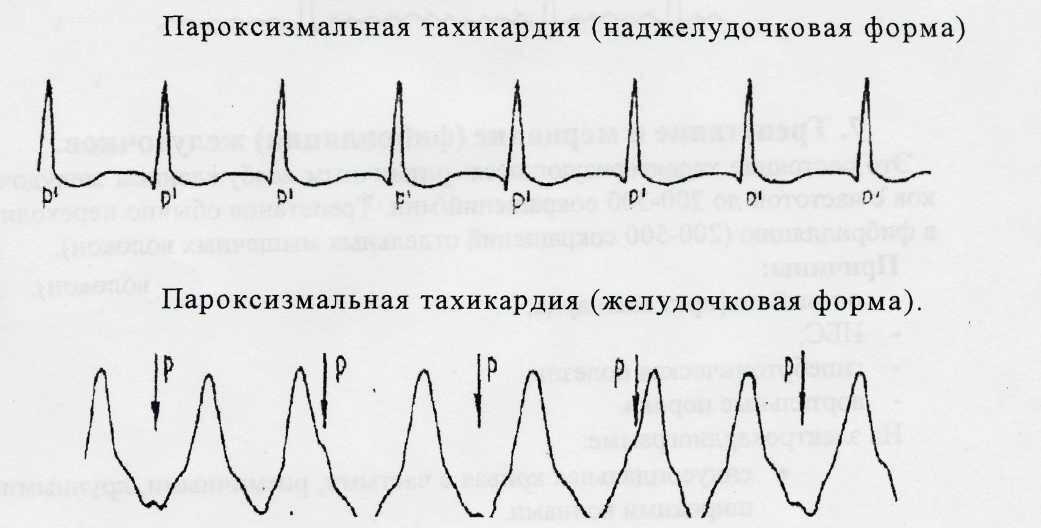
The outcomes of this coronary syndrome may vary from myocardial infarction and coronary sudden death to stabilization of angina and regression of symptoms. All people with this disease are subject to immediate admission to the intensive care unit to conduct emergency treatment. Simultaneously with the treatment of the disease, continuous monitoring of the ECG in dynamics is carried out, as well as a comprehensive examination that includes a general and clinical blood test, diagnosis of cardiospecific enzymes. If possible, myocardial scintigraphy, echocardiography, clinical round-the-clock monitoring and monitoring of the patient, as well as other examinations according to the indications, are performed. In acute coronary syndrome, the outcome depends on timely measures taken and a timely choice of treatment tactics.
In a heart attack patients with chest pain should be urgently delivered to the nearest emergency department, namely by car. Walking distance to the hospital is not recommended.