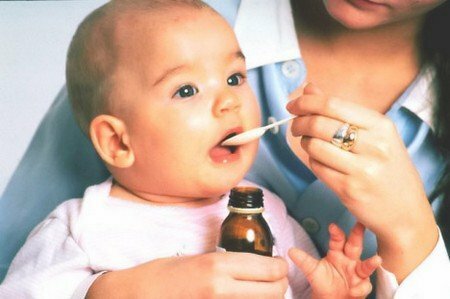
Constipation during breastfeeding: treatment of constipation after childbirth
Constipation during breastfeeding is very common. Many women think that it is impossible to avoid problems with defecation in the early postpartum period. But with the right approach to the problem and the timely implementation of simple actions, it is quite possible to prevent constipation. A complete balanced diet rich fresh vegetables and fruits, a sufficient level of physical activity, and timely relief from chronic gastrointestinal pathology enables prevent occurrence of an unpleasant state during breastfeeding.
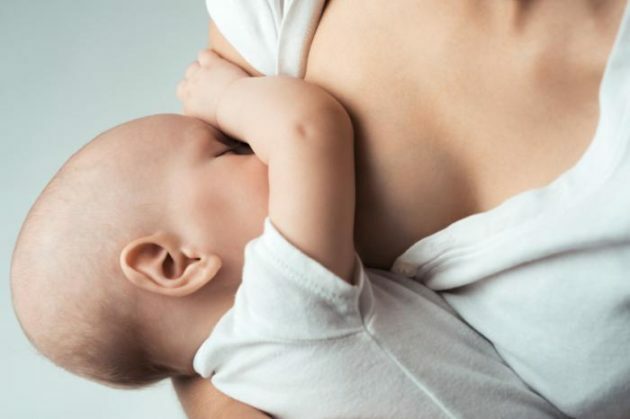
When defecation occurs less than 3 times within 7 days, with the severity of felt and overcrowding in the intestine or when incomplete emptying, there are obvious problems with the chair. With such signs, treatment of constipation is required during breastfeeding. But how can a young mother normalize a chair without harm to the baby? Learn from our article.
Why can constipation occur during breastfeeding?
In the postpartum period, the female body is being restored: the body shape is gradually returning, the size of the uterus is decreasing, the hormonal level changes, and the breast begins to produce milk. Since changes occur dramatically, it can lead to the development of constipation in a nursing mother.
There are various reasons due to which the system of small and large intestine begins to function differently, and there are difficulties with defecation:
- When natural childbirth is often the case of rupture or doctors have to do epiziotimiyu. The fear that it will hurt when emptying the intestines or the seams will disperse, causes the woman to hold the urge to defecate. This behavior can lead to densification of the stool and subsequent difficulty in their excretion.
- If the delivery was by caesarean section occurred after epidural anesthesia for a time reduced intestinal motility due to the fact that disturbed innervation. In addition, going to the toilet is not always possible because of soreness in the area of the postoperative suture.
- Fear stops when necessary to push a woman and makes restrain the urge to void.
- Excessive stretching of muscle fibers anterior abdominal wall, and marked weakening of muscular corset leads to reduced activity of gut contractions and difficulty fecal excretion.
- The uterus slowly returns to its original size for 1-1.5 months, so in the early postpartum period, its pressure on the intestine is possible.
- Insufficient physical activity due to lack of time or the widespread belief that when GW should not be engaged in fitness, lead to a decrease in tone.
- A small amount of liquid that is drunk leads to constipation during breastfeeding. During lactation it is required to consume water in sufficient quantity, since the organism spends its supplies for milk production.
- Exacerbation of hemorrhoids after childbirth.
These reasons contribute to the fact that developing constipation in the early postpartum period, but the main role in the dysfunction of the gastrointestinal tract during breastfeeding plays an unbalanced diet, in which the lack of materials such as rough fiber, fiber and lactic acid bacteria, so treat problems with defecationYou must start with the correction of the daily menu. A young mother is often afraid to eat various vegetables and fruits because of the possibility of developing an allergic reaction in the baby.
Than it is dangerous?
Constipation that occurs after childbirth young mothers breastfeeding, can lead to serious health problems. Therefore, with prolonged difficulties with bowel movement, you should immediately consult a specialist to find out the reasons and selection of complex treatment.
Constipation in nursing mothers carries a risk, as in the intestine accumulate toxins, and due to the fact that they are not promptly discharged to the outside, is their absorption through the intestinal wall, and there is a possibility of self-poisoning. Harmful substances can penetrate into the mother's milk and be transmitted with it to the child.
There are certain signs that appear with constipation in a nursing mother, in the case of which it is necessary to consult a doctor. Such symptoms include :
- pea-shaped feces, in the form of trailing threads, or mostly consisting of mucus;
- blood stains;
- hyperthermia, spastic abdominal pain, nausea or vomiting, convulsions accompanying constipation;
- problems with the stool last about six months, repeating with a high frequency.
Difficulty in defecation is often accompanied by a pronounced flatulence. If you can not cope with increased gas production on your own, it's better to seek medical help.

In severe cases there is a possibility of dangerous complications:
- ileus;
- large intestine diverticulitis;
- prolapse of the ampulla of the rectum;
- development of bleeding from the hemorrhoidal veins.
Time is required for such consequences to occur, they usually appear in neglected cases. To prevent their development, it is necessary to contact a specialist in a timely manner.
Therapies for lactating mothers
treatment of constipation during breastfeeding using medicinal preparations should be carried out strictly according to medical prescription. Particular attention should be paid to the choice of medicine, since not all drugs are compatible with lactation.
In order to fully treat constipation from a mother who breastfeeds, the root cause of the development of defecation disorders should be established. After all, to eliminate problems with stools that have arisen due to hypodynamia or malnutrition, some methods are suitable, and with constipation developed with hemorrhoids, a radically different approach to therapy is required.
Before treating constipation in a nursing mother, you should make sure that she and the baby are not allergic to certain substances that are part of the medicines. That is why it is better to give preference to herbal preparations or to those that are not absorbed in the body, but are unchanged from the intestine.
What should I do to eliminate constipation in a nursing mother? The following tools can be used:
- Microclysters. Rectal Microlax contains sodium citrate and sodium lauryl sulfoacetate, which have a laxative effect and make it possible to quickly get rid of constipation. Microclysterism is safe, as when it is used, the habit does not develop, this remedy does not irritate the end sections of the digestive tract. More on microclysters →
- Glycerin suppositories. A popular remedy for fighting stiff bowel movement, which facilitates the movement of stool in the rectum.
- Suspensions with lactulose. The syrup contains an artificially synthesized lactulose enzyme that does not affect the smooth muscle fibers of the intestinal wall. Its action is based on an increase in the volume of stool and the flow of water into the lumen of the intestine. In addition, the agent has a positive effect on the growth of lactobacilli. Representatives - Normate, Dufalac, Lactulose.
Sometimes treat constipation folk remedies, which allows to establish the bowels, however, permitted to do so after consultation with the doctor:
- can drink daily glass of broth from a mixture of prunes and dried apricots.
- Useful salad from boiled beets, dressed with vegetable oil.
- After fasting, you should drink 250 ml of clean, cold water after waking up.
- It is recommended to drink a mug of kefir before going to bed.
- Plum juice also helps to eliminate short constipation.
Prevention
After the birth of the baby, the nursing mother should pay attention not only to the newborn - one should not forget about herself, because the state of the crumbs depends on the health and well-being of the woman. A special role in the prevention of constipation with GV in the mother is played by proper and full nutrition. Proceeding from this, the diet of a woman when breastfeeding a baby should consist of foods high in fiber and coarse fiber.
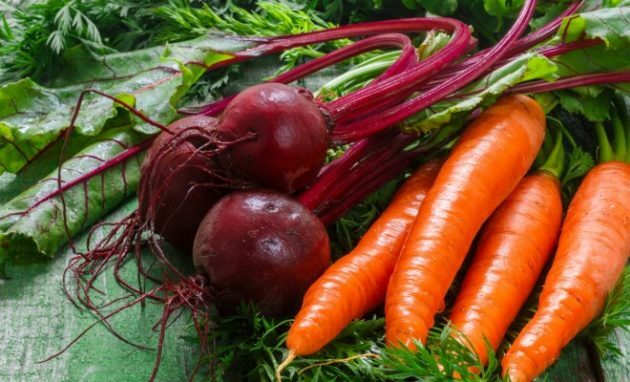
Advice on nutrition during this period:
- Every day should drink at least 2-2.5 liters of clean water. This will prevent the occurrence of constipation after delivery during breastfeeding.
- It is necessary to reduce the use of products that adversely affect the work of the digestive tract. These include sharp, fried foods, pickles and marinades, smoked meats, fatty meat, baked pastries, legumes.
- With constipation, you should eat more foods that stimulate bowel contractions. Care must be taken every day in the menu there were milk products, grain cereals, fresh fruits and vegetables, particularly beets, pumpkin, carrots, prunes and other vegetables rich in plant fiber.
- With the goal of prevention, you can drink vegetable decoctions containing anise, fennel or cumin in the evenings. In this case, you should closely monitor the reaction of the baby and in case of an allergy refuse such a drink.
Prevention of constipation in the early postpartum period and with breastfeeding is not always possible, however, adherence to simple medical recommendations will reduce this probability.
Constipation with breastfeeding is a nuisance to a large number of young mothers. You can cope with it with the help of proper nutrition, containing a large number of coarse plant fibers, moderate physical activity, as well as medications compatible with lactation.
Author: Violeta Kudryavtseva, doctor,
specifically for Moizhivot.ru