Syphilitic chancre: symptoms, treatment, prevention of the disease
Today, syphilis is an extremely common sexually transmitted disease, it is necessary be extremely careful about the choice of a partner and contraception, because your health. Well, if this ailment caught you by surprise, there is nowhere to go - you will have to study all the information that will help you somehow cope with the ailment. The first and most important thing to do if you find symptoms of the disease is to see a doctor, self-medication is extremely dangerous and can be fatal.
Attention! Do not self-medicate, with such a disease, it can be life-threatening.
The main symptoms of the manifestation of the disease are chancre, the so-called ulcer, which appears on the body, most often on the mucous membranes of the genitals or in the mouth, but it happens throughout the body. The word Chancre itself bears French roots and denotes a sore on the body, which at first is a blister, which bursting turns into a final chancre.
Some of the photos presented on this page are not desirable for children and suspicious people, so a big request - if you are under 18, you should not look at shocking photos.
Symptoms and Signs
First, redness appears, then a papule forms at the site of redness, and after the papule ruptures, a chancre forms in its place. An ulcer (chancre), usually round or oval (oblong) in shape, with clear boundaries protruding above the skin surface by 1-2 mm. Around the ulcers, the skin has a healthy pink color. When pressed, a secret flows out of the wound, which is a distributor of bacteria. The base of the ulcer has a hard cartilaginous structure to the touch. 
Most often, the places of localization are the genitals, tk. the infection is sexually transmitted.
The initial stage is usually painless, because ulcers form on the skin, do not have pronounced inflammation and local pain.
Localization of ulcers
Syphilitic chancre in men and women is localized on the skin of the genitals, namely:
- Along the coronal groove;
- In the area of the scrotum and testicles;
- On the glans penis;
- On the skin of the foreskin;
- Lobke;
- On the surface of the labia.
Scleradenitis and lymphadenitis (inflammation of the lymph node) develop. Lymph nodes close to the localization zone increase in size. In the future, the disease affects all lymph nodes. By the end of the first stage, syphilitic polyadenitis (inflammation of several groups of lymph nodes) develops, which is the first and main symptom of the second stage.
There are also atypical chancres, with symptoms uncharacteristic of syphilis.
At the first stage, they appear in the form of edema visible in the photo in men. It can also manifest itself:
- On the scrotum;
- On the glans penis;
- In the area of the foreskin;
- On the surface of the cervix;
- On the surface of the clitoris.
With edema, the skin becomes reddish-bluish in color. But unlike usual edema, there are no dents when pressing on the edematous surface.
A favorite place for syphilis to appear is the mouth. The first symptoms are usually visible within a month after infection. The infection can be brought into the oral cavity during a banal visit to the dentist, or other operations inside the oral cavity.
What can trigger the onset of symptoms of syphilis in the oral cavity?
- Non-sterile instruments;
- Microcracks and wounds on the oral mucosa;
- The entry of bacteria into the blood during the injection;
Most often, chancres are located at the extreme edge of the lips, on the surface of the palatine tonsils, or on the mucous surface of the middle part of the tongue.
Here, the disease is localized in the form of such manifestations as chancre on the lip, chancre on the tongue and chancre amygdalitis.
 Chancre types
Distinguish between erosive, ulcerative and sore throat-like chancre (chancre amygdalitis).
First, the tonsil turns red, erosion appears, then an ulcer forms, and then an increase in lymph nodes occurs. The chancre has a round or oval (oblong) shape. Smooth edges protruding above the surface of the tonsils, as well as a dense bottom (base).
For erosive and ulcerative types of chancre, the one-sided nature of the lesions is characteristic. Scleradenitis of the submandibular lymph nodes of a specific etiology develops, as well as scleradenitis of the anterior and posterior cervical lymph nodes.
Syphilis can develop inside the mouth and affect one of the tonsils.
Such a lesion is called chancre amygdalitis, and is an atypical manifestation of a hard chancre for syphilis. At the same time, on the side where the bacterium has settled, there is an increase in the lymph nodes of the submandibular and cervical regions (back and front). The tonsil, from the side of the penetration of the bacteria, increases. It takes on a reddish-crimson color and becomes firm to the touch.
Blocking the lumen of the throat, an enlarged amygdala provokes a change in voice. In this case, the following symptoms may be observed:
- Discomfort when swallowing food;
- General state of malaise;
- Increased body temperature.
However, these symptoms should not be confused with sore throat. inflammation is one-sided. In this case, the similarity of symptoms with angina complicates the diagnosis of syphilis. Despite this, starting from the 4th week, bacteria actively multiply and the disease can be diagnosed. To do this, it is necessary to pass tests and diagnose. Serological tests by this time may show a positive reaction, making it clear that treatment can be started.
Serological reactions
- Sometimes the chancre can visually look like a crack on the upper or lower lip.
- Statistics show that the favorite place of bacteria is just the lower lip.
- Chancre can also be observed in the corners of the mouth, or in small lip folds.
- Although the appearance is similar to a streak, a typical oval shape is observed when the crease (crack) where the chancre has formed is opened.
- Ulcers located in the corners of the mouth are more like seizures, which dulls the owner's vigilance.
As a rule, the chancre in the language is single. Located on the middle third of the tongue, as well as on the back. Basically, there are two forms of chancre, erosive and ulcerative. However, ulcers that look like cracks are also observed. Inside such a crack is the same ulcer, which has a typical oval shape, with a hard bottom. The inflammation is painless, the skin around the chancre is of a healthy color.
Less commonly, syphilitic chancre appears on the hard and soft palate, as well as on the cheeks and gums.
The chancre of the gum is rather difficult to diagnose. As a rule, the ulcer has the shape of a crescent and is located at the neck of the tooth, and more often two teeth. Given the external similarity of chancre to a common ulcer, it can be difficult to distinguish them. the only difference is the absence of painful manifestations in syphilitic ulcers.
Shankras are the primary and very important signs of the disease. Their size, as a rule, varies from 5 to 10 mm, in some cases it can reach 20 mm. If you do not start treatment on time, chancre in men can go into a more latent phase and continue the destructive effect inside the body, leading to severe and irreversible consequences.
muzhdoc.ru
Peculiarities
What does a syphilitic chancre look like? Shancre are the primary signs of syphilis infection. They appear on the skin, but represent a small purulent formation with smooth edges, compacted at the bottom and covered with a crust on top.
- It is in this protective crust that the largest number of spirochetes is contained.
- Due to this, syphilis infection can be determined by taking a swab from the chancre of the infected site.
- Shankras differ from other externally similar skin lesions in that they practically do not cause painful sensations, itching or burning.
- The skin around the chancre may become slightly inflamed.
In advanced cases, chancre can cause severe inflammation of tissues and lymph nodes. However, with timely referral to a doctor and proper treatment, ulcerative formations disappear within two weeks after the start of therapy.
It is worth remembering that with an irresponsible attitude towards infection, chancres can also disappear from the skin on their own. However, this should not be regarded as a sign of recovery. The disappearance of the chancre meringue of treatment is a sign of the transformation of syphilis into a new stage, which is characterized by damage to internal organs and massive skin rashes.
Sizes of hard chancre photo
The size of the hard chancre varies within very wide limits. Its surface can be covered with a thin, moist luster, as if eroded epithelium, which is especially characteristic. When palpating, the cartilage density of the infiltrate is felt. With a more pronounced surface of erosion, the skin appears dark red, as if grainy. With ulcerated syphilis the ulcer is always smaller than a hard roller, and has a dense base. With ulceration, it can be dealt with, depending on the way of formation:
- With ulcerated sclerosis.
- With sclerosed ulceration.
In the latter case, the case may be different. First, a very small nodule formed at the site of infection can turn into a bubble and an ulcer before the actual syphilitic infiltrate is found.
On the other hand, an existing bubble, especially a bubble herpes, can serve as a place of penetration of spirochetes, which happens relatively often. In this case, an ulcer quickly forms.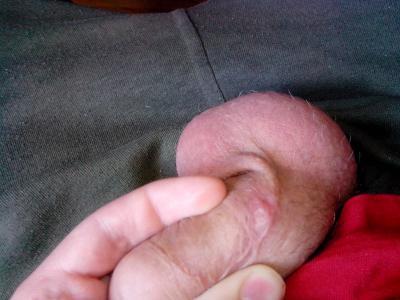
How it begins, photo
The most important role in the origin of infiltrating, sclerosing ulcers is played by chancroid. It may have existed before contracting syphilis, or it was acquired at the same time. With such a simultaneous infection: a soft and hard chancre, which is often found, a soft chancre develops first. It has a much shorter incubation period of just a few days. Hardening, as a result of simultaneous infection with syphilis, is detected after 2-3 weeks. The base and circumference of the soft ulcer are hardened: a chancre mixte is obtained.
- Moreover, the ulcer of the chancre can heal before the induration develops.
- Mixed chancre deserves special attention.
- Namely, it must be remembered that in the presence of ulcers of the soft chancre, the possibility of simultaneous infection with syphilis cannot be ruled out before the expiration of several weeks.syp-foto.ru
Syphilitic chancre - the primary sign of the disease
Syphilis is an extremely dangerous chronic venereal disease that can be in remission and, when it enters the tertiary stage, causes massive destruction of the epithelium and death. Since infection with spirochete bacteria occurs during direct sexual contact, syphilitic chancres most often occur on the genitals and oral mucosa.
- However, in medical practice, there are cases of infection with syphilis through household contact through dishes or bathroom accessories.
- In this case, chancres can be localized on the hands or neck of the infected person.
- It should be remembered that spirochetes die when exposed to high temperatures, ultraviolet rays and bactericidal agents.
- It is important to constantly monitor the hygiene of personal belongings and regularly carry out diagnostics of the body in order to prevent the occurrence of syphilis and chancre as its direct signs.
The reason that so far it has not been possible to invent a preventive vaccine against syphilis is that spirochete bacteria are extremely sensitive to the external conditions of their life and do not survive in artificial environment. For the reproduction of spirochetes, a moist environment and the absence of light and oxygen are required. Microscopic analysis, for which a swab is taken from the chancre of an infected person, is carried out by staining spirochete bacteria with a contrasting paint and further drying the biological material. By nature, a colorless bacterium acquires a hue, and with multiple magnification it manifests itself in a peculiar structure that is different from other bacteria.
Read also:Why can men's legs swell?
Start of the incubation period
Timely detection of syphilis in the body is complicated by the fact that the spirochete bacteria, moving through the body carrier in search of a place for breeding, do not manifest themselves as pathogenic signs and are not determined in analyzes blood. The incubation period, during which bacteria spread throughout the body and begin to attach to soft tissues, can last from a week to a month.
- After attachment, the spirochete begins to divide and distribute toxins in the human blood.
- A small chancre begins to appear at the place to which the bacterium has attached itself, which, in the absence of therapy, can increase in size several times.
- In medicine, there are cases when chancre could not be removed by medication and had to be removed surgically.
When does the incubation period end?
The appearance of a syphilitic chancre in the mouth or in another area with a mucous membrane indicates the end of the incubation period and the onset of the primary stage of syphilis. If you do not act on the body with antibiotics in time and do not kill the bacteria, then soon a hard syphilitic chancre causes inflammation of the lymph nodes and swelling of the skin around the affected areas.
Thanks to the study of the structure and features of syphilitic chancre, modern microbiology is capable of accurately determine not only the source of infection with the spirochete bacterium, but also the time when it entered organism. This helps to identify people who may be infected, but are unaware of it.
How is it developing?
Primarily, chancre appears on the skin of an infected person in the form of a small red spot, which at a rapid pace gradually turns into erosive destruction of the skin. A typical syphilitic chancre is a sign of the penetration of the treponema bacterium into the subcutaneous tissue or into the interstitial spaces, where it begins to multiply. In a more severe form, syphilitic chancre can sink into muscle tissue and leave deep scars.
External signs
The dimensions of the syphilitic chancre can vary depending on the stage of development of the infection and range in diameter from 1 mm to 5 cm. Most often, chancres no more than 2 centimeters in size are found on the body of infected people.
- The shape of a syphilitic chancre is a regular geometric circle, with smooth edges and a dense base, similar to a small knot or cartilage formation. Depending on the location, chancres can be blood red or crimson. On exposed areas of the skin, chancres are usually brown or brown in color.
- In rare cases, purulent discharge may appear on the surface of the chancre crust, but syphilitic the type of chancre is not characterized by abundant discharge of pus and does not cause particular discomfort to the wearer virus.
- Due to the fact that syphilitic chancre usually does not hurt or itch, it is often preferred not to be noticed. If you press on the edges of the chancre, a yellowish liquid may ooze from it, which is the concentration of spirochetes and is called "crying chancre" in medicine.
What are the atypical forms
The primary form of syphilis can often be combined with other sexually transmitted infections in the body. Because of this, chancres acquire atypical forms and can have the characteristics of several types of ulcerative formations at the same time. The only common phenomenon that unites all chancres of the syphilitic type is the presence in them of a large number of Treponema pallidum bacteria. In order to correctly diagnose and understand the cause of the infection, it is important to know the differences between atypical forms of chancre and their main types:
- Syphiloma is an atypical form of chancre, which is characterized by uneven, as if "spilled" edges on the skin and inflammatory processes in the adjacent areas of the skin. It can be distinguished from other types of syphilitic inflammations by pressing on the skin at the site of infection with a finger. After pressing on the surface of the swollen skin, there should be no dents from the fingers.
- Amygdalites. It develops mainly in the larynx and mouth of an infected person. It is characterized by inflammation of one tonsil and can be detected by a simple examination of the patient's throat. In order not to confuse amygdalitis with angina, you should pay attention to the asymmetric location of inflammation. Infection with a spirochete is indicated by the defeat of only one of the tonsils.
- Felon. A chancre that affects the upper limbs, especially the fingers and hands. An atypical manifestation of this type of chancre is extremely acute pain, which can be compared to pain from cuts or punctures. Inflammation occurs in a particularly acute form, can cause febrile seizures, inflammation of the lymph nodes, and vomiting.
- Herpes on the glans penis. They develop on the head and foreskin of the penis. They cause acute inflammatory processes, due to which the head may be deformed or edema of the penis may occur.
Ignorance of the differences between atypical forms of chancre and misdiagnosis can lead to a worsening of the patient's condition and the rapid development of infection in the body. You should not engage in self-diagnosis, scanning the Internet with queries like “how to treat syphilitic chancre "," syphilitic chancre on the lip "," hard chancre forum "," hard chancre color "," hard chancre peels off. " Please contact us. We will help you find the best clinic for a complete diagnosis and effective treatment of syphilis at any stage!
sifilis-guide.com
For primary syphilis
In primary syphilis, which is combined with other infections (gonorrhea, chlamydia, genital herpes), atypical forms of hard chancre. The appearance of multiple syphilis, mixed erosive-ulcerative, with a weak compaction of the bottom and even resembling scratches and micro-erosion with herpes, is possible. However, in all types of chancre is found Treponema pallidum. Knowing the main features of atypical chancre is important to differentiate the signs of syphilis from those of other diseases.
- Syphiloma with a spilled seal, not limited by its edges (inductive edema). It differs from ordinary edema in that after pressing with a finger, no pits remain on the atypical chancre.
- Amygdalitis - A painful chancre without erosion or ulceration, located on the pharyngeal tonsil, can be confused with a sore throat. However, with angina, both tonsils become inflamed and enlarged, become loose, the temperature rises and the lymph nodes are painful. With primary syphilis, there is no pain and temperature, only one of the tonsils is enlarged, the tissue is thickened, the lymph nodes are painless.
- Chancre-felon, purulent process on the tip of the finger of the hand. Symptoms are not typical for syphilis. Chancre causes severe pain, signs of septic inflammation are pronounced (edema, suppuration, fever). The patient's profession will help to suspect syphiloma - it is more common among doctors, the infection is transmitted through instruments.
- Syphiloma-herpesgiving picture of balanoposthitis, inflammation of the skin of the glans penis and the inner layer of the foreskin. Difference: with syphiloma, the foreskin, pushed back from the head of the penis, does not always turn out to be returned back and the head may be pinched by the skin ring.
Atypical types of chancre create problems with the diagnosis of syphilis and give severe complications associated with circulatory disorders and tissue trophism. With gangrene, the surface of the chancre is covered with a black scab; also developing phagedenism - tissue necrosis in the depths and outside of the syphiloma. Destructive changes can result in self-amputation of the external genital organs, bleeding, perforation of the urethra, and the formation of disfiguring scars.
Hard chancres of genital localization
Primary chancres approximately in 90% are formed on the genitals or near them (belly, thighs, pubis), since most cases of syphilis infection occur during sex. In men, the prevailing location of syphilis is the head and body of the penis, in women, the posterior commissure of the labia majora and the cervix. more often the peculiarities of chancre in men and women, associated with the localization of the process, were revealed.
- Hard chancre in men, located on penis in the area of the frenum, may be in the form of a highly elongated oval and bleed during erection.
- Chancre orifice of the urethra also bleeds easily, in the urethra - dense and painful on palpation. Extensive ulcers are known mainly from the colorful and frightening photos of chancre, of which there are many on the Internet.
- In reality primary syphilitic manifestations look harmless enough or generally go unnoticed in almost half of the cases.
- For example, a hard chancre on the head of the penis looks like micro-erosion and may not be felt, and instead of the characteristic red bottom, a dense grayish-yellow plaque is visible.
In women, the chancres in the posterior commissure area are rather soft, near the opening of the urethra they are dense, on the labia they may have uneven edges. Vaginal chancres are very rare. More often the cervix and cervical canal are affected, syphiloma can be mistaken for ordinary erosion. In this case, scleradenitis, characteristic of syphilis, affects not the external (inguinal), but the internal lymph nodes of the small pelvis.
It is impossible to feel them, but they are visible during tomography or MRI.
Syphiloma treatment
The main tasks are to cure the infection, avoid complications and block the spread of syphilis.
Treponema sensitive to antibiotics penicillins, tetracyclines (doxycycline) and macrolides (azithromycin), cephalosporins (ceftriaxone). Against the background of antibiotic therapy, control tests are done to confirm the effectiveness of the drugs. Both partners are always treated, sexual intercourse is prohibited until complete recovery. When localized with syphilis in the mouth and on the fingers, it is important to separate items for individual use - dishes, bed linen, towels, toothbrushes, etc. Chancre treatment begins with antibiotics, and local ones are also used. funds.
- Extensillin - the basic drug for the treatment of syphilis. Injected intramuscularly (i / m), twice. A dose of 2.4 million. IU is diluted in 0.5% novocaine at the rate of 100,000 IU per 1 ml. With primary seronegative syphilis, a single injection is sufficient. It is preferable to give injections in the buttocks.
- Bitsillin-5, i / m 3 mln. IU once every 5 days, twice.
- Pills: erythromycin 0.5 x 4 per day, before meals for 30 minutes or after, after an hour and a half. Doxycycline 0.5 x 4 per day, during or immediately after meals.
- In local treatment, the main thing is the hygiene of the chancre area. They also use baths or lotions with benzylpenicillin and dimexide, which help the drugs to penetrate deeper. Shown are applications with mercury and heparin ointments. Accelerate the healing of weeping erosions and ulcers erythromycin (1-3%), 10% mercury and mercury-bismuth, synthomycin (5-10%) and levorin (5%) ointments.
- Oral chancre: rinsing with solutions of furacillin at a dilution of 1:10 000, boric acid (2%) or gramicidin (2%).
The duration of treatment and dosage is prescribed by the doctor. Antibiotics are selected individually, taking into account the combined infection and drug tolerance. Patients prone to allergies are additionally prescribed suprastin or tavegil.
izppp.ru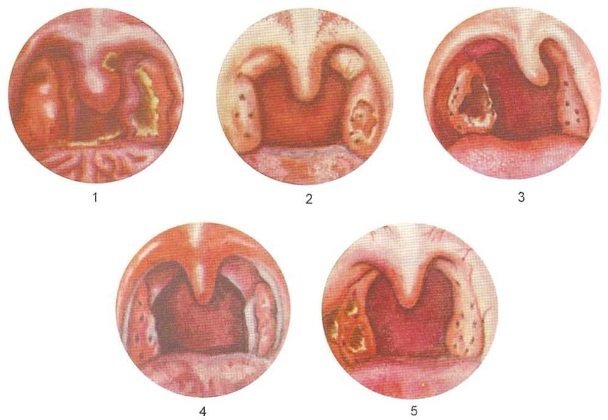
Syphilis
Syphilis (Lues) is an infectious disease with a long, undulating course. In terms of the volume of damage to the body, syphilis belongs to systemic diseases, and according to the main route of transmission, to sexually transmitted diseases. Syphilis affects the entire body: skin and mucous membranes, cardiovascular, central nervous, digestive, musculoskeletal systems. Untreated or poorly treated syphilis can last for years, alternating between periods of exacerbation and latent course. During the active period, syphilis manifests itself on the skin, mucous membranes and internal organs, in the latent period it practically does not manifest itself.
Syphilis ranks first among all infectious diseases (including STIs) in terms of morbidity, infectiousness, degree of harm to health, and certain difficulties in diagnosis and treatment.
Features of the causative agent of syphilis
The causative agent of syphilis is a pale spirochete microorganism (treponema - Treponema pallidum). The pale spirochete has the appearance of a curved spiral, is able to move in different ways (translational, rotational, flexion and wave-like), multiplies by transverse division, stained with aniline dyes in pale pink Colour.
- Pale spirochete (treponema) finds optimal conditions in the human body in the lymphatic tract and lymph nodes, where it is actively multiplying, in the blood in high concentration appears in the stage of secondary syphilis.
- The microbe persists for a long time in a warm and humid environment (optim. t = 37 ° C, in wet linen up to several days), resistant to low temperatures (in the tissues of corpses - viable for 1-2 days).
- The pale spirochete dies when dried, heated (55 ° C - after 15 minutes, 100 ° C - instantly), when treated with disinfectants, solutions of acids, alkalis.
Read also:Prostatitis - what is it and what are they like?
A patient with syphilis is contagious at any time of the disease, especially during periods of primary and secondary syphilis, accompanied by manifestations on the skin and mucous membranes. Syphilis is transmitted when a healthy person contacts a sick person through secretions (sperm during intercourse, milk - in lactating women, saliva with kiss) and blood (with direct blood transfusion, during operations - at the medical staff, using a common straight razor, a common syringe - at addicts). The main route of transmission of syphilis is sexual (95-98% of cases). Less commonly, there is an indirect household route of infection - through wet household items and personal belongings (for example, from sick parents to children). There have been cases of intrauterine transmission of syphilis to a child from a sick mother. A necessary condition for infection is the presence in the patient's secrets of a sufficient number of pathogenic forms of pale spirochetes and violation of the integrity of the epithelium of the mucous membranes and skin of his partner (microtrauma: wounds, scratches, abrasions).
Syphilis periods
The course of syphilis is long undulating, with alternating periods of active and latent manifestations of the disease. In the development of syphilis, periods are distinguished that differ in the set of syphilides - various forms of skin rashes and erosions that appear in response to the introduction of pale spirochetes into the body.
- Incubation period
It starts from the moment of infection, lasts an average of 3-4 weeks. Pale spirochetes spread through the lymphatic and blood pathways throughout the body, multiply, but clinical symptoms do not appear. A patient with syphilis is unaware of his illness, although he is already contagious. The incubation period can be shortened (up to several days) and lengthened (up to several months). Elongation occurs when taking medications that somewhat inactivate the causative agents of syphilis.
- Primary syphilis
It lasts 6-8 weeks and is characterized by the appearance of primary syphiloma or hard chancre at the site of penetration of pale spirochetes and subsequent enlargement of nearby lymph nodes.
- Secondary syphilis
It can last from 2 to 5 years. Damage to internal organs, tissues and body systems occurs, the appearance of generalized rashes on the mucous membranes and skin, baldness. This stage of syphilis proceeds in waves, periods of active manifestations are replaced by periods of absence of symptoms. Distinguish between secondary fresh, secondary recurrent and latent syphilis.
Latent (latent) syphilis does not have skin manifestations of the disease, signs of specific lesions internal organs and nervous system, determined only by laboratory tests (positive serological reactions).
- Tertiary syphilis
It is now rare, occurs in the absence of treatment years after the defeat. It is characterized by irreversible disorders of internal organs and systems, especially the central nervous system. It is the most difficult period of syphilis, leading to disability and death. It is detected by the appearance of tubercles and nodes (gum) on the skin and mucous membrane, which, decaying, disfigure the patient. They are divided into syphilis of the nervous system - neurosyphilis and visceral syphilis, in which internal organs are damaged (brain and spinal cord, heart, lungs, stomach, liver, kidneys).
Primary syphilis symptoms
Primary syphilis begins from the moment when a primary syphiloma appears at the site of the introduction of pale spirochetes - a hard chancre. A hard chancre is a single, rounded erosion or ulcer with clear, even edges and a shiny cyanotic-red bottom, painless and non-inflamed. The chancre does not increase in size, has a scanty serous content or is covered with a film, a crust, a dense painless infiltrate is felt at its base. Chancre is not amenable to local antiseptic therapy.
- The chancre can be located on any part of the skin and mucous membranes (anal area, oral cavity - lips, corners of the mouth, tonsils; mammary gland, lower abdomen, fingers), but most often it is located on the genitals. Usually in men - on the head, foreskin and shaft of the penis, inside the urethra; in women - on the labia, perineum, vagina, cervix.
- The size of the chancre is about 1 cm, but it can be dwarf - with a poppy seed and giant (d = 4-5 cm). Shankras can be multiple, in the case of numerous small lesions of the skin and mucous membranes at the time of infection, sometimes bipolar (on the penis and lips).
- When a chancre appears on the tonsils, a condition resembling a sore throat occurs, in which the temperature does not rise, and the throat almost does not hurt. The painlessness of the chancre allows patients to ignore it, and do not attach any importance.
- Soreness is characterized by a slit-like chancre in the fold of the anus, and a chancre - panaritium on the nail phalanx of the fingers.
- During the period of primary syphilis, complications (balanitis, gangrene, phimosis) may occur as a result of the addition of a secondary infection. Uncomplicated chancre, depending on its size, heals in 1.5 - 2 months, sometimes before signs of secondary syphilis appear.
5-7 days after the onset of a hard chancre, an uneven increase and hardening of the lymph nodes nearest to it (often inguinal) develops. It can be one-sided and two-sided, while the nodes are not inflamed, painless, have an ovoid shape and can reach the size of a hen's egg. Towards the end of the period of primary syphilis, a specific polyadenitis develops - an increase in most of the subcutaneous lymph nodes. Patients may experience malaise, headache, insomnia, fever, arthralgia, muscle pain, neurotic and depressive disorders.
This is associated with syphilitic septicemia - the spread of the causative agent of syphilis through the circulatory and lymphatic system from the lesion focus throughout the body. In some cases, this process proceeds without fever and malaise, and the patient does not notice the transition from the primary stage of syphilis to the secondary stage.
 Symptoms of secondary syphilis
Secondary syphilis begins 2-4 months after infection and can last from 2 to 5 years. It is characterized by generalization of the infection. At this stage, all systems and organs of the patient are affected: joints, bones, nervous system, organs of hematopoiesis, digestion, vision, hearing. The clinical symptom of secondary syphilis is a rash on the skin and mucous membranes, which are widespread (secondary syphilis). The rash can be accompanied by body aches, headaches, fever, and colds.
- Rashes appear paroxysmal: after 1.5 - 2 months, they disappear without treatment (secondary latent syphilis), then appear again.
- The first rash is characterized by an abundance and brightness of color (secondary fresh syphilis), subsequent repeated rash - paler colored, less abundant, but larger in size and prone to fusion (secondary recurrent syphilis).
- The frequency of relapses and the duration of the latent periods of secondary syphilis are different and depend on the immunological reactions of the body in response to the reproduction of pale spirochetes.
- Secondary syphilides disappear without scars and have a variety of forms - roseola, papules, pustules.
Syphilitic roseola are small rounded spots of pink (pale pink) color that do not rise above the surface of the skin and epithelium of the mucous membranes, which do not peel off and do not cause itching, when pressed on them turn pale and for a short time disappear. Roseolous rash with secondary syphilis is observed in 75-80% of patients. The formation of roseola is caused by disturbances in the blood vessels, they are located throughout the body, mainly on the trunk and limbs, in the face area - most often on the forehead.
- A papular rash is a bright pink with a bluish tinge, rounded nodules protruding above the surface of the skin.
- Papules are located on the body, do not cause any subjective sensations.
- However, when pressing on them with a bulbous probe, acute pain appears.
- With syphilis, a rash of papules with fatty scales along the edge of the forehead forms the so-called "crown of Venus".
Syphilitic papules
Syphilitic papules can grow, merge with each other and form plaques, get wet. Weeping erosive papules are especially contagious, and syphilis at this stage can easily be transmitted not only through sexual intercourse, but also through handshakes, kissing, and the use of common household items. Pustular (pustular) rashes with syphilis are similar to acne or chickenpox, covered with a crust or scales. Usually occurs in patients with reduced immunity.
The malignant course of syphilis can develop in debilitated patients, as well as in drug addicts, alcoholics, HIV-infected. Malignant syphilis is characterized by ulceration of papulopustular syphilides, continuous relapses, general disturbance, fever, intoxication, and weight loss.
Patients with secondary syphilis may experience syphilitic (erythematous) tonsillitis (pronounced redness of the tonsils, with whitish spots, not accompanied by malaise and fever), syphilitic seizures in the corners of the lips, syphilis of the oral cavity. There is a general mild malaise, which may resemble the symptoms of a common cold. Generalized lymphadenitis without signs of inflammation and pain is characteristic of secondary syphilis.
During the period of secondary syphilis
During the period of secondary syphilis, there are disorders in skin pigmentation (leukoderma) and hair loss (alopecia). Syphilitic leukoderma manifests itself in the loss of pigmentation of various areas of the skin on the neck, chest, abdomen, back, lower back, and in the armpits. On the neck, more often in women, a "necklace of Venus" may appear, consisting of small (3-10 mm) discolored spots surrounded by darker areas of the skin. It can exist without change for a long time (several months or even years), despite the ongoing anti-syphilitic treatment. The development of leukoderma is associated with a syphilitic lesion of the nervous system; during examination, pathological changes in the cerebrospinal fluid are observed.
Hair loss is not accompanied by itching, peeling, by its nature it happens:
- diffuse - hair loss is typical for normal baldness, occurs on the scalp, in the temporal and parietal regions;
- small focal - a bright symptom of syphilis, hair loss or thinning in small foci located randomly on the head, eyelashes, eyebrows, mustache and beard;
- mixed - there are both diffuse and small focal.
With timely treatment of syphilis, the hairline is completely restored.
When the vocal cords are affected by syphilis, hoarseness of the voice appears.
Cutaneous manifestations of secondary syphilis accompany lesions of the central nervous system, bones and joints, and internal organs.
Symptoms of tertiary syphilis
If a patient with syphilis was not treated or the treatment was inadequate, then a few years after infection he develops symptoms of tertiary syphilis. Serious violations of organs and systems occur, the patient's appearance is disfigured, he becomes disabled, in severe cases, death is likely. Recently, the incidence of tertiary syphilis has decreased due to treatment with penicillin, and severe forms of disability have become rare.
Allocate tertiary active (in the presence of manifestations) and tertiary latent syphilis.
The manifestations of tertiary syphilis are a few infiltrates (tubercles and gummas), prone to decay, and destructive changes in organs and tissues. Infiltrates on the skin and mucous membranes develop without changing the general condition of patients, they contain very few pale spirochetes and are practically not infectious.
Bumps and gummas on the mucous membranes of the soft and hard palate, larynx, nose ulcerate, lead to disorders of swallowing, speech, breathing (perforation of the hard palate, "failure" of the nose). Gummy syphilides, spreading to bones and joints, blood vessels, internal organs cause bleeding, perforation, cicatricial deformities, impair their functions, which can lead to fatal the outcome.
All stages of syphilis cause numerous progressive lesions of the internal organs and the nervous system, their most severe form develops in tertiary (late) syphilis:
- neurosyphilis (meningitis, meningovasculitis, syphilitic neuritis, neuralgia, paresis, epileptic seizures, tabes dorsum and progressive paralysis);
- syphilitic osteoperiostitis, osteoarthritis, synovitis;
- syphilitic myocarditis, aortitis;
- syphilitic hepatitis;
- syphilitic gastritis;
- syphilitic nephritis, nephronecrosis;
- syphilitic eye damage, blindness, etc.
Read also:About the causes and solutions to the problem of premature ejaculation
Complications of syphilis
Syphilis is dangerous in its complications. In the stage of tertiary syphilis, the disease is difficult to treat, and the defeat of all body systems leads a person to disability and even death. Intrauterine infection of a child with syphilis from a sick mother leads to a serious condition - congenital syphilis, which is manifested by a triad of symptoms: congenital deafness, parenchymal keratitis, Hutchinson's teeth.
Diagnosis of syphilis
Diagnostic measures for syphilis include a thorough examination of the patient, taking anamnesis and conducting clinical studies:
- Detection and identification of the causative agent of syphilis by microscopy of serous discharge of skin rashes. But in the absence of signs on the skin and mucous membranes and in the presence of a "dry" rash, the use of this method is impossible.
- Serological reactions (nonspecific, specific) are performed with serum, blood plasma and cerebrospinal fluid - the most reliable method for diagnosing syphilis.
Nonspecific serological reactions are: RPR - reaction of rapid plasma reagins and RW - Wasserman reaction (reaction of binding a compliment). Allows to determine antibodies to pale spirochete - reagins. Used for mass examinations (in clinics, hospitals). Sometimes they give a false positive result (positive in the absence of syphilis), therefore, this result is confirmed by conducting specific reactions.
- Specific serological reactions include: RIF - the reaction of immunofluorescence, RPHA - the reaction of passive hemagglutination, RIBT - the reaction of immobilization of pale treponemas, RW with treponemal antigen.
- Used to detect species-specific antibodies. RIF and RPGA are highly sensitive analyzes, which become positive already at the end of the incubation period.
- They are used in the diagnosis of latent syphilis and to recognize false positive reactions.
- Positive indicators of serological reactions become only at the end of the second week of the primary period, therefore, the primary period of syphilis is divided into two stages: seronegative and seropositive.
Nonspecific serological tests are used to assess the effectiveness of the treatment. Specific serological reactions in a patient who has had syphilis remain positive for life; they are not used to test the effectiveness of treatment.
Syphilis treatment
Treatment of syphilis is started after a reliable diagnosis has been made, which is confirmed by laboratory tests. Treatment of syphilis is selected individually, carried out in a comprehensive manner, recovery should be determined by laboratory. Modern methods of treating syphilis, which venereology owns today, allow us to talk about a favorable the prognosis of treatment, subject to correct and timely therapy, which corresponds to the stage and clinical manifestations disease. But only a venereologist can choose a rational and sufficient therapy in terms of volume and time. Self-medication of syphilis is unacceptable! Untreated syphilis turns into a latent, chronic form, and the patient remains epidemiologically dangerous.

- The treatment of syphilis is based on the use of antibiotics of the penicillin series, to which the pale spirochete is highly sensitive.
- For allergic reactions of the patient to penicillin derivatives, erythromycin, tetracyclines, cephalosporins are recommended as alternatives.
- In cases of late syphilis, in addition, iodine, bismuth preparations, immunotherapy, biogenic stimulants, physiotherapy are prescribed.
It is important to establish sexual contact with a patient with syphilis, it is imperative to carry out preventive treatment of possibly infected sexual partners. At the end of treatment, all previously patients with syphilis remain under medical supervision until a complete negative result of a complex of serological reactions.
In order to prevent syphilis, examinations of donors, pregnant women, workers of children's, food and medical institutions, patients in hospitals are carried out; representatives of risk groups (drug addicts, prostitutes, homeless people). Donated blood must be tested for syphilis and preserved.
krasotaimedicina.ru
Diagnostics
To diagnose syphilis, blood is taken for analysis. There are several analyzes, and all of them can be divided into two groups - treponemal and non-treponemal. In hospitals and clinics, non-treponemal patients are mostly done. But since they can be false positive, they must be confirmed by treponemal analysis. Also, non-treponemal tests are used to assess the effectiveness of treatment. Treponemal tests cannot be used for this, since in a person who has had the disease once, the research results will be positive for the rest of his life.
Treatment
Various methods have been tried to treat syphilis. Paracelsus, for example, suggested treating him with mercury. Mercury drugs have been used to treat syphilis for a very long time. In the USSR, they were used until 1963. True, this treatment was not very effective, and the drugs were very toxic for the patient. According to some reports, about 80% of patients died from such treatment.
They also tried to treat syphilis with arsenic and iodine preparations. These drugs were less toxic, and the arsenic drug "Salvarsan" gained wide acceptance among doctors and patients around the world. However, these drugs replaced bismuth derivatives, which were even less toxic. Bismuth and iodine preparations are still used now, but very rarely.
The discovery of penicillin was a breakthrough in the treatment of syphilis. Moreover, pale treponema is still well treated with penicillin antibiotics. However, antibiotics of the tetracycline and cephalosporin series, as well as macrolides, are also used for treatment. But they are used mainly for intolerance to penicillins.
For primary syphilis, treatment will take several weeks. Secondary treatment can take about two years. With tertiary syphilis, treatment will take more than two years.
With the right treatment, syphilis is curable. However, only a doctor can prescribe this treatment. It is impossible to treat this disease on your own, since improper treatment will not eliminate the infection, but it can complicate the diagnosis and complicate subsequent treatment.
Prophylaxis

Prevention of syphilis, like any other sexually transmitted disease, consists in using condoms and preventing sexual intercourse with unfamiliar partners. It is known that the probability of getting infected with a single unprotected intercourse with a person suffering from primary syphilis is 30%.
However, if unprotected sexual intercourse still took place, after a month you must be examined by a venereologist.
There are many folk remedies for prevention. It is also recommended to wash the genitals with soap and water immediately after intercourse, and to wash the vagina or rectum with a shower or enema with antiseptics. However, the effectiveness of these methods has not been proven.
http://doctorpiter.ru/diseases/522/
What is Chancre?
Talking about the first signs of syphilis, venereologists always pay attention to syphiloma, which is called a hard chancre. At first, it is a small red spot, which after 2-3 days degenerates into a painful papule, which rises above the surface of the skin. By the end of the first week from the moment the chancre appears on the surface, a crust forms and it increases in size.
The hard chancre itself, the photo of which is located below, always has clear boundaries, and there is a small compaction at the base. The bottom of the chancre has a bright red color, less often with a grayish-yellow bloom. The average size of the formed chancre is 10–20 mm, but there are also dwarf forms (1–3 mm). The formation is painless, does not itch.

Chancre in men
Primary syphilis is more common in men. This is due to the peculiarity of the structure of the genital organs. As mentioned above, chancre is formed mainly on the organs of the reproductive system. In the stronger sex, this formation is localized on:
- the glans penis;
- groin skin;
- foreskin;
- scrotum.
Men immediately detect the first sign of syphilis and turn to a venereologist. This speeds up the healing process and increases its effectiveness. In men who see a doctor on time, the secondary form of syphilis is much less common. The first signs of syphilis in men discovered in time, adherence to medical prescriptions guarantee full recovery.

https://womanadvice.ru/tverdyy-shankr-kak-opredelit-pervyy-priznak-sifilisa-i-chto-delat-dalshe
Causes
The main cause of chancre infection is unprotected intercourse. The pathogen is located on the genitals, in rare cases - on the inner thigh, perianally, on the cervix or in the vagina. There are also known cases of infection orally, through a handshake, through objects. As practice shows, most often syphilitic chancre is observed in men, and women are carriers of the infection. The symptoms of chancroid and chancre hard are as follows:
- a swollen spot of bright red color at the site of the introduction of the microbe;
- at the site of infection, a bubble with transparent contents is gradually formed;
- the contents of the bladder become cloudy over time and pus forms;
- after 3-4 days, the bubble opens and an ulcer with a diameter of 1-1.5 cm is formed;
- the ulcer takes on uneven edges, rises above the skin;
- ulcers are accompanied by the presence of an acute inflammatory corolla;
- soreness of the ulcer (especially in men);
- after 2-4 weeks, the acute period of ulcer suppuration passes and a scar forms in its place;
- without complications, the chancre heals in 1-2 months.
In women, chancre symptoms can be almost imperceptible. What does chancre look like? First, these are small bubbles that fill with liquid, after a few days ulcers form in their place, and only then - scars.
If you find yourself with similar symptoms, see your doctor immediately. It is easier to prevent a disease than to deal with the consequences.
Diagnostics

Diagnosis of a chancroid involves taking the following measures:
- examination by a venereologist;
- laboratory examination of purulent discharge from the lymph nodes (buboes);
- autoinoculation method;
- general blood analysis;
- serological test for syphilis;
- palpation of the lymph nodes in the groin.
Chancroid treatment
Chancre treatment involves the following steps:
- taking antibiotics;
- taking sulfa drugs;
- parallel processing of ulcers and scars with special compounds.
Danger
If the chancroid is successfully treated, clinical symptoms are resolved and further transmission of infection to others is prevented. With an extensive position, despite the adoption of treatment measures, scars form. The main danger of chancre is the high probability of transmission and infection with HIV infection, which leads to death.
Prophylaxis
For the prevention of chancre, the following safety measures should be taken:
- use contraception during intercourse;
- regularly get tested for syphilis;
- regularly visit a gynecologist, urologist, venereologist;
- observe the rules of personal hygiene.
https://illness.docdoc.ru/shankroid