The first symptoms of a stroke in men and women: what to do with signs of a stroke

Content:
- In men
- Among women
- Symptoms
Stroke is a life-threatening illness that develops as a result of partial clotted blood clot cerebral vessels or their complete rupture, which is why hemorrhage occurs.
This ailment is one of the most dangerous diseases, the mortality rate from which exceeds 60% of all cases.
It can affect both men and women, mainly between the ages of thirty and sixty years, however, there are cases of early stroke (in victims up to thirty years).
Alcoholism, a previously suffered microstroke, high blood pressure and unhealthy diet can provoke the development of a stroke.
Before considering the signs of a stroke, and how a stroke begins, it is important to say that this disease can lead to serious consequences: death, coma, repeated stroke, heart attack, serious disorders in the heart and nervous system, therefore it is extremely important to be familiar with the first signs of a stroke in order to be able to timely address to the doctor.
It should be noted that there are two types of stroke - ischemic and hemorrhagic. Each of them has separate signs of a stroke and, accordingly, needs several different first aid.
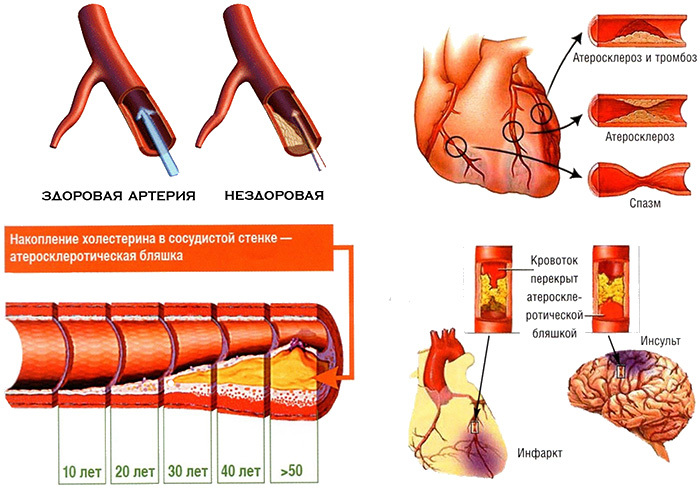
Ischemic stroke develops as a result of narrowing or severe blockage of a vessel in the brain. In this state, the patient's symptoms develop slowly, gradually increasing.
Headache, dizziness and numbness of the extremities are the harbingers of ischemic stroke. It is ischemic stroke that most often affects men.
The main signs of this type of stroke are:
- Weakness of muscles. In this case, the person will feel sudden weakness throughout the body. It will be difficult for him to move and even move his tongue.
- A headache both indicates the risk of a stroke and that it has already happened. In the latter case, the pain will be very pronounced, sharp and squeezing. It will also be difficult for the patient to raise his head or press it against the chest.
- Dizziness occurs when areas of the brain are severely affected.
- Loss of consciousness and vomiting.
- Paralysis is expressed as a deterioration in sensitivity and mobility.
- Deterioration of vision (blurred objects or darkening of the picture in front of the eyes).
- Convulsions.
In addition, with an ischemic attack, a person's swallowing reflex and speech may deteriorate. Therefore, the patient may begin to stutter, not speak clearly.
Due to the defeat of the spinal (vertebral) column, the patient may develop a lack of coordination, so he will not be able to move independently or even sit.
Disturbances in the central nervous system often develop. In this case, a person may experience memory loss, a decrease in pain syndrome, hearing impairment and disorientation in space.
It is also important to say that such signs of a stroke in some patients can develop within a day, while in others - in a few hours.
A stroke belongs to those diseases, when symptoms of which appear, you must immediately call a doctor, because delay in treatment can lead to disastrous consequences.
Before the arrival of doctors, you need to do the following:
- Put the person horizontally so that the head is at the level of the body.
- Loosen neck and belt to improve breathing.
- If a person has convulsions, then it is impossible to use ammonia to bring him to consciousness.
- Rub the paralyzed limbs.
- Do not give the person water or any medication.
- Measure blood pressure and other vital signs. Make sure the person can breathe.
- If a person fainted and ended up on the floor, he must be lifted and placed on a sofa or bed. The notion that stroke patients should not be moved is not true.
- No food should be given to a person. It is best to wait for the doctors and send the patient to the hospital.

After hospitalization, a patient with ischemic stroke must undergo urgent computed tomography. Further treatment is selected based on its results.
Another type of stroke is hemorrhagic. It is characterized by the instant development of symptoms.
The main signs of stroke (hemorrhagic) will be somewhat different symptoms than in ischemic stroke.
In this condition, the patient's face may flush sharply. This is caused by changes in blood pressure. Shortness of breath, pulse failure, and partial paralysis of the limbs are common.
Sometimes there is an inversion of the foot in the opposite direction or sagging of one cheek. Hemorrhagic stroke is characterized by dilated pupils and lack of reaction of the eyes to light.
Additional signs of such a stroke may include seizures, an epileptic seizure, coma, vomiting, and headache.
The above symptoms put a person's life at risk, so when they appear, you need to urgently call the medical team and do the following before it arrives:
- First, you need to make sure that the person can breathe. If his breathing is impaired, then the patient should be turned to one side and the oral cavity should be cleaned.
- Place the person horizontally and raise their head slightly.
- Remove dentures from the mouth.
- Open the window for more fresh air.
- If a person is unconscious, then his head needs to be turned to one side. This will help the saliva flow out and prevent it from going down the throat.
- Before the arrival of the doctor, monitor the vital signs.
If the patient is awake, a simple test will help to check if he has a stroke or not.
It consists of three main steps:
- You need to ask the person a few simple questions about the name, place of residence, etc. If at the same time the patient answers indistinctly, it means that the brain is damaged.
- You should ask the person to talk and smile. If at the same time the smile is crooked, it means that one part of the face is already affected by the disease and paralyzed.
- Next, you need to ask the patient to raise their hands. If a part of the body is paralyzed, then a person can only raise one hand.
The first signs of a stroke in men: features of the course
 The very first signs of a stroke are some flags, when they appear, it is worth sounding the alarm, because with untimely assistance, the condition the patient deteriorates sharply and instead of mild consequences, he may develop dangerous complications in the form of complete paralysis, coma and violations of vital functions.
Usually, the condition before a stroke in men does not have a sharp deterioration, unlike in women. At the same time, the first signs of a stroke in the stronger sex are expressed in different ways.
With severe brain damage, the patient may develop a headache and an epileptic seizure.
With a deterioration in blood circulation in the body, the first signs of a stroke will be expressed in numbness of the limbs, deterioration in sensitivity and severe muscle weakness in the body.
With severe damage to blood vessels, the patient may experience vision problems, difficulty in perceiving information and impairment of speech. Also, in the early stages, the disease can lead to coma and loss of consciousness.
In addition, an increase in blood pressure and vomiting often indicate a possible stroke.
According to statistics, mortality from stroke in men borders on mortality from heart attack, so do not underestimate these manifestations.
Stroke symptoms in women: harbingers of the disease
 Stroke symptoms in women have a slightly different manifestation, because often, even a few days before the incident, the woman's body begins to warn of a possible disease.
The most susceptible to stroke are those women who suffer from hypertension, diabetes mellitus, hormonal imbalance, ischemia and arterial hypertension. Also, rupture of blood vessels in the brain is often observed in older women.
The harbingers of a stroke in a woman are symptoms that can occur several days or hours before the onset of the disease.
The classic precursors of a stroke in a woman are usually malaise, severe weakness, panic attacks, noises in the head, and impaired consciousness. There are also surges in blood pressure, excessive sweating and sleep disturbances.
In addition, the precursors of a stroke in a woman can be expressed in loss of consciousness, atypical hiccups, dry mouth, soreness in one area of the face, difficulty breathing and rapid heartbeat.
After the rupture of the vessel or its complete blockage in the brain, the symptoms of stroke in women will begin to manifest themselves in full force.
In this state, the following manifestations of this disease are usually observed:
- Numbness of the face.
- Difficulty gesturing.
- Loss of vision in one eye.
- Not the ability to speak.
- High blood pressure in women with stroke.
- Impaired coordination.
- Violation of sensitivity.
In addition, stroke symptoms in women can include seizures, memory loss, vomiting, and poor coordination.
It should also be said separately that the symptoms of stroke in women after 50 years more strongly affect the nervous system, due to which a person may suffer from bouts of aggression, depressive states, irrational behavior and stress. These signs are justified by the characteristics of the female central nervous system and their higher sensitivity to stimuli.
Symptoms before a stroke: the main signs
Before you point out the signs of an impending stroke, you should consider in detail the factors that increase the risk of developing this ailment.
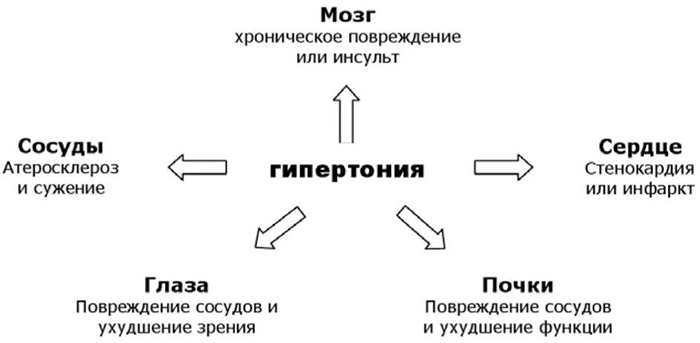
In the first place in the provoking factors of stroke is high blood pressure. It is this that leads to a weakening of the walls of blood vessels, because of which they become more prone to rupture and cerebral hemorrhage. Even more dangerous arterial hypertension is considered in the elderly, who already have weakened blood vessels.
Various vegetative disorders, especially vegetative-vascular dystonia, with a rapid course, increases the risk of stroke by more than 90%.

Insufficiently active lifestyle, due to which stagnation is observed in the body, and it becomes more susceptible to sudden cerebral hemorrhages. Moreover, it has been proven that if a person who has not been engaged in physical activity for a long time suddenly begins to exert sports loads on his body, the likelihood of a stroke is exceeded several times.
Severe chronic diseases, in particular, diabetes mellitus, literally destroys all body systems, especially blood vessels. Because of this, they become very brittle.
Bad habits - drinking alcohol and smoking cigarettes are leading among the causes of stroke in men. It is these addictions that disrupt blood circulation and provoke vascular rupture.
Improper nutrition, especially the use of fatty foods, leads to an increase in the production of cholesterol, which, in turn, over time clogs the blood vessels and provokes a blood clot. Moreover, due to the frequent consumption of fast food, the problem of stroke in recent years has become significantly "younger" and is now often observed in people under thirty.
Additional factors that increase your risk of stroke include:
- Frequent stress and nervous strain.
- Obesity (contributes to an increase in pressure on blood vessels, therefore it is considered dangerous).
- Recently suffered brain injury (due to a fall, car accident, blunt blow, etc.).
- A recently transferred microstroke can begin to progress further if left untreated.
Pre-stroke prevention measures for this disease imply the observance of several important doctor's recommendations.
To begin with, you should stop smoking and drinking alcohol, even in small quantities. This will not only improve the condition of blood vessels, but also have a beneficial effect on the overall functioning of all body systems.
The next step is nutritional correction. The diet of a healthy person should mainly consist of fruits, vegetables, cereals, fermented milk products, lean fish and meat.
To reduce the amount of cholesterol in the blood, you should give up sausages, processed foods, fast food, animal concentrated fats and fried foods.
From drinks it is useful to use green tea and mineral waters.
A healthy diet will protect you not only from stroke, but also from many heart diseases, atherosclerosis and other life-threatening ailments.
Next, you should adjust your weight if you have extra pounds. An experienced nutritionist will help with this, who will be able to choose an individual weight loss course.
The next step is active physical activity. They should be regular. It can be yoga, dancing, running or any other sport. The main thing is that he makes a person move and not sit for hours in front of a computer monitor.
It has been proven that sport not only has a positive effect on the work of blood vessels, but also improves the psycho-emotional state of a person.
The last preventive stage from stroke is the normalization of the nervous system, that is, the reduction of stress, recovery from prolonged depression and the removal of nervous overstrain. A psychologist, an active lifestyle, new acquaintances, a change of scenery and an interesting hobby will help in this.
You can also drink various herbal teas (from mint or linden) to calm down.
Pre-stroke symptoms depend a lot on the specific type of stroke.

Despite this, there are seven main symptoms before a stroke, which accurately indicate this disease:
- Skewed face (asymmetric smile, slanted eye).
- Disjointed speech.
- Sleepiness (apathy).
- Focal sharp pains in the head and face.
- Visual impairment.
- Paralysis of the limbs.
- Impaired coordination.
The signs of an impending stroke can be very diverse, so you should be extremely careful about what symptoms a person experiences before a stroke.
Partial use of site materials (no more than 30% of the content of the article) is allowed only with a hyperlink on www.med88.ru, full use of the article (more than 30% of the article content) is possible only with written permission edition.