Arterial hypertension - causes, signs
 Hypertension( AG) - a disease which is a major manifestation of persistent elevation of blood pressure( BP).It occurs in people of all races and peoples, more often in climatic zones with sharp temperature changes, on continents with severe winters. More than 30% of the adult population of the world suffers from this disease, after 65 years it occurs in 60% of people. Normal figures are the pressure of 90-140 to 60-90 mm Hg. Art.
In young men, there is a clear predominance of the frequency of hypertension compared with women. In the age group after 50 years the ratio is reversed. This feature marks domestic statistics. The importance of the problem of having AH is determined by the damage it causes to society. Approximately 58% of hypertensive patients have a stroke, 38% have a myocardial infarction.
Content
- 1 Causes Symptoms of hypertension Hypertension
- 2
- 3 are exposed to hypertension?
- 4 Classification
- 5 Hypertensive crisis
- 6 diagnostic methods
- 6.1 Installation hypertension diagnosis
- 6.2 installation phase currents hypertension
- 7 How to treat hypertension?
- 7.1 Lifestyle
- 7.2 Do I need medication?
Causes of hypertension
There is no consensus on the cause of arterial hypertension. The most authoritative is the genetic predisposition to hypertension. People with arterial hypertension have found about 20 species of genes responsible for the development of the disease. Their appearance, the manifestation of activity is associated with conditions called risk factors AG .The number of them reaches several tens.
The main risk factors for arterial hypertension:
- The most important factor is chronic stress. Its relationship with an increase in the activity of AH genes is established;
- age - the frequency of hypertension with age increases;
- sex - in men is more common;
- heredity - the mother usually "gives" AH to her sons, the daughters of AH may not appear;
- excess body weight increases the risk of hypertension 5-6 times;
- supply defects - the habit of abuse of sodium salt has to the development of hypertension( see "How much salt you need a man.");
- low physical activity. Its influence is associated with a simultaneous change in body weight, an increase in the rate of development of atherosclerosis;
- smoking can be a leading factor in nicotine-sensitive people;
- use of alcohol, other drugs is a factor in the activation of AH genes.
Hypertension due to risk factors is also called primary.
have a smaller group of patients with hypertension( about 4% of all hypertension), the cause is associated with other diseases of the heart and vessels, endocrine, nervous and urinary systems. In these cases, hypertension is called secondary. These diseases cause similar changes in the vessels with the same lesions of the organs.
A distinctive feature is the high incidence of such diseases in young men, which is associated with interest in their health, as military personnel. Other features of their course are high BP numbers, frequent complications, for which they were called "malignant" hypertension.
Signs of hypertension
Only with the appearance of complications in the course of the illness do typical complaints arise associated with a violation of the work of target organs. Most often affects the brain. Complaints of headaches, dizziness, changes in perception of color, taste, nausea( or vomiting that does not bring relief), weakness of individual muscle groups appear in so-called TIA( transient ischemic attacks).
The appearance of symptoms of coronary heart disease in the form of angina pectoris, myocardial infarction, heart failure are recorded when the heart is affected. This is the pain of the heart area, shortness of breath, associated with physical exertion. Much less often this variety of rhythm disturbances, conduction in the form of heart attacks, dizziness, fainting.
Kidneys suffer no less, but later. They have the opportunity to compensate for violations in the vascular channel by their mechanisms for regulating blood pressure. With the depletion of these mechanisms, persistently high arterial hypertension develops with manifestations of chronic renal failure.
Manifestations of AH in men differ with age, with the presence of complications. Young patients who have avoided examining military commissions for various reasons often do not feel the increase in blood pressure.
What is dangerous hypertension?
The essence of changes in the body with AH is the growth of the muscular layer of the vessels, the subsequent compaction of their walls due to the development of connective tissue. The conditions of tissue metabolism deteriorate with an increase in the rate of blood flow of the narrowed vessels. The work of organs suffers, for which a full blood supply is especially important.
These organs include the brain, heart, kidneys, they are also called "target organs" with AG.The prolonged existence of an increase in blood pressure leads to complications that develop in the target organs. Complications can develop gradually. Deterioration of blood circulation of these organs leads to partial atrophy of tissues, which lack oxygen.
On the site of atrophy, connective tissue develops( the body fills all defects).So cardiosclerosis is formed with a weakness of the contractility of the heart, its chronic insufficiency of work. The same processes occur in the brain tissue, kidneys. Suddenly developed complications of hypertension due to damage to the integrity of the vessels are manifested by ONMC( stroke), AMI( acute myocardial infarction).
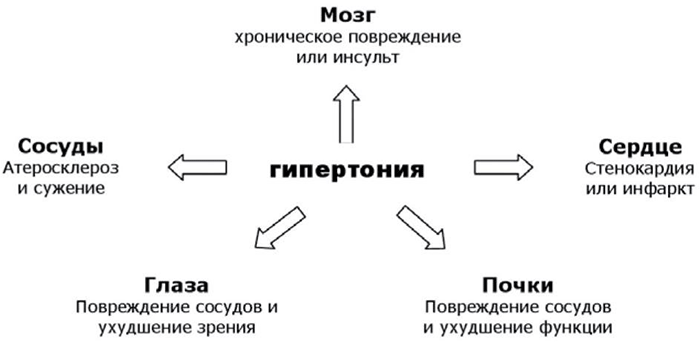
Fig.1 - Complications of long-term arterial hypertension.
Classification
Arterial hypertension is classified according to the level of blood pressure, the presence of lesions of target organs. Domestic classification is somewhat different from the international one. This is a tribute to the work in the field of AH of the famous Russian cardiologist GF Lang. There are three degrees of arterial hypertension. Stages of flow are characterized by the presence of damage to target organs, associated diseases( those in which AH necessarily appears - concomitant diseases of the heart, brain, kidneys, large vessels).
Table 1 - Degrees and stages of arterial hypertension.
| Degree | Blood pressure( mmHg) systolic / diastolic | Stage | Presence of organ damage |
|---|---|---|---|
| 1 | ≥140-160 / ≥ 90 | 1 | No |
| 2 | ≥160-180 / ≥ 100 | 2 | There are |
| 3 | ≥180 / ≥ 110 | 3 | There are +Associated diseases, complications of AG |
Separately isolated isolated systolic hypertension( with the same degrees, stages).
Hypertensive crisis
One of the serious complications of the disease is the hypertensive crisis. This relatively rapid increase in blood pressure to extremely tolerated digits( 220 or more), manifests itself in completely different ways. The difference in manifestations of the crisis is associated with the rate of recovery of blood pressure, the presence of simultaneous damage to target organs( stroke, hypertensive encephalopathy, myocardial infarction, angina pectoris), another pathology( aortic rupture, acute renal or cardiac failure, pheochromocytoma).
Young men. A feature of the crises in young men is its rapid onset, a comparatively slow flow. Manifestations of it occur at the time of a traumatic situation or with heavy physical exertion. This is redness of the face, palpitation, a sharp headache, agitation, a feeling of heat.
High BP figures do not decrease with rest more than 15 minutes. Appeared other complaints( pain in the heart, lack of independent movements in some kind of arm, leg, shortness of breath) are an occasion for emergency medical care.
Older men. Older men often have crises of a different type. AD for several days rises gradually to high figures, despite treatment. The state of health suffers in the form of insomnia, constant headache, pallor, weakness, a sense of weakness.
Such conditions can suddenly become complicated by stroke, acute myocardial infarction, aortic rupture, rapid death. Urgent correction of treatment of such patients is necessary with the help of a doctor( in stationary or home conditions).Older men can hardly be persuaded to see a doctor if their state of health worsens; they are waiting for "to become very ill" and cause "03".
Diagnosis methods
Arterial hypertension is important to diagnose when there are no complaints yet. Initiation of treatment in this case gives a proven effect of prolonging the life of a patient with hypertension if it is possible to maintain a normal level of blood pressure. To this end, regular medical examinations are conducted, to which men are treated with prejudice. There is a group of techniques that establish the fact of the presence, stability of the increase in blood pressure.
Diagnosis of hypertension
It is not enough to detect elevated blood pressure once the diagnosis of AH is established. Even high BP figures, measured during periods of stress, immediately after severe physical exertion do not mean that it is arterial hypertension. There are standard rules for measuring blood pressure for diagnosing a disease.
Measurement should take place at rest, after resting for at least 15 minutes in a sitting position, performed three times, on both hands with an interval of 1-2 minutes. The result on the hand where the blood pressure is greater is taken into account, but the smallest figures. For the objectivity of measurements, devices with indication of results on the display are used, it is even better if there is a function for storing them.
If suspected of AH measurement, it is recommended to perform regularly 1-2 times per day for 2 weeks with the recording of the results. A subsequent visit to the doctor will give an opportunity to assess the level of blood pressure, the need for treatment, his choice. This is a method of self-monitoring of blood pressure. The patient must be trained in the BP measurement rules, the doctor must ensure that the procedure is carried out correctly.
The method of diagnosis of hypertension is the monitoring of blood pressure( DMAD).This is a multiple within a day( at least 50 times) the measurement of blood pressure with the recording of results on a digital medium. The analysis of the obtained results is carried out with the help of computer programs with the output of results in the form of curves, trends, tables. Deciphering the study allows you to establish or reject the diagnosis, determine the degree of hypertension, correct the dose of drugs.
In young patients( especially draftees), the reaction of blood pressure to physical activity by BEM or treadmill test is studied. This helps distinguish AH from the emotional hypertensive reaction obtained when the doctor measured BP.
Setting the stage of hypertension
Other diagnostic methods of AH specify the degree of damage to target organs to establish the stage of the course of the disease. This is echocardiography, dopplerography of carotid arteries, examination of the vessels of the fundus, the state of the kidneys.
- On echocardiography it is possible to detect a thickening of the walls of the left ventricle, typical for 2-3 stages of the AH.Possible diagnostic findings in the form of HCMC( hypertrophic cardiomyopathies), aortic heart defects, stenosis of large vessels, as causes of hypertension.
- Dopplerography of carotid arteries is a kind of ultrasound with a special sensor, the thickness of the muscular layer of the carotid arteries is studied( they are convenient for research).Abnormality is an indicator of the development of hypertension( as a form of hypertrophy of the muscles of blood vessels).
- Vascular eye vessels are examined by an ophthalmologist, revealing the degree of narrowing of the arteries lumen( the optometrist does not see hypertrophy of the muscular layer, it is implied).Similar changes in the vessels of the fundus can occur in other diseases. More serious changes on the fundus( hemorrhages, edema of the nipple of the optic nerve) occur in the late stages of hypertension.
- The study of the kidneys is performed using a study of urine tests using various methods( general analysis, according to Nechiporenko, according to Zimnitskii, other functional tests), blood tests for urea, potassium, creatinine. If there is a suspicion of another pathology, which may be the cause of hypertension, select additional studies.
How to treat hypertension?
Principles of treatment of AH are divided into drug-free and drug-free. The first group includes measures to normalize the working conditions, rest, elimination of psychotraumatic circumstances( if possible, of course).These measures are applicable in all stages of the course of the disease.
Lifestyle
The most complete elimination of risk factors for development of AH is necessary:
- of bad habits;
- hypokinesia;
- excess weight;
- irrational nutrition with a high intake of salt, liquid( see list of products useful for the cardiovascular system).
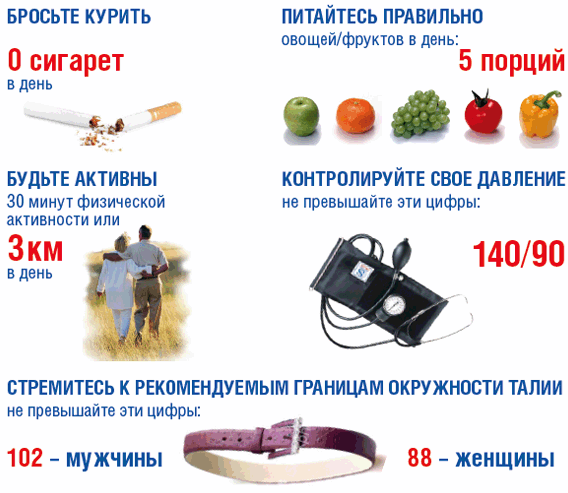
Fig.2 - Principles of prevention and therapy of hypertension.
Men with difficulty change their established habits of life, which with confidence makes it possible to recommend their formation in childhood.
Do I need medication?
The principles of drug therapy include the normalization of blood pressure, maintaining its normal level indefinitely. If treatment is started in the early stages of the disease, it is possible to prevent the development of complications. Medications are used in combinations of several drugs with small doses, which reduce the side effects of taking medications. Treatment takes place under the supervision of a doctor.
Men who read instructions for the use of medications pay attention to the fact that almost all of them can cause impotence. This fact often leads to refusal of treatment, especially by young men.
Let's consider all the pros and cons of treating AH:
- Without treatment, a violation of potency will come even earlier. It will be an organic( irreversible) impotence due to the narrowing of the lumen of the penial artery( as a manifestation of hypertrophy of the muscular layer of one of the vessels).
- Without the treatment of hypertension, rapidly occurring complications significantly limit sexual activity. The same restrictions will appear because of the need for nitrate intake( only they can relieve coronary pain).The use of nitrates is contraindicated when using potentia stimulants. Without stimulants, the sexual function in hypertensive patients is rapidly declining, beginning at the age of 30 years.
- Life itself without treatment with AH will be much shorter than the claimed genes( by about 30%).Treatment increases the duration of life, pushes back or prevents the onset of complications( including the organic nature of impotence).Treatment improves mental abilities, changing the state of the blood supply to the brain, improves the quality of life, physical activity.
There are many more arguments, each man decides for himself how fully he wants to live his life. Prevention of hypertension as all diseases of the cardiovascular system, one( see Figure 2): an active way of life without bad habits, with a good mood, a work schedule, rest, taking care of oneself and loved ones.
Arterial hypertension is a serious problem for the male body. You can deal with it at any age, if you do not rely solely on your strength. The best assistant in this case is a doctor.
Cardiologist Kuklina E. N.
Recommended for viewing: