Amlodipine: what is prescribed for, how pills help from pressure

Content:
- Contraindications
- Forms of issue
- Side effects
- Analogs
Amlodipine is one of the main drugs used to stabilize blood pressure in patients with hypertension and recurrent attacks of angina pectoris.
This antihypertensive drug belongs to the group of calcium antagonists, although this name does not fully reflect the mechanism of its action.
Nevertheless, the term "calcium channel blockers" used in foreign medical literature is more correct.
In order to better understand how Amlodipine and its analogs work, it is necessary to say a few words about the general regulation of vascular tone.
The walls of the main arteries, peripheral arterioles and all other vessels in the body are composed of smooth muscle cells. Accordingly, muscle tension leads to a decrease in their lumen and an increase in pressure, and vice versa.
This process is controlled by several mechanisms:
- Impulses of the sympathetic and parasympathetic divisions of the autonomic (peripheral) nervous system.
- Autoregulation, a change in vascular tone due to local excitation or relaxation, this occurs in the arteries of the brain, kidneys, lungs, liver.
- Humoral regulation with the help of substances circulating in the blood. These are hormones (renin, vasopressin, adrenaline, thyroxine and some others), various metabolites (for example, carbon dioxide or lactic acid), potassium and calcium ions. And if potassium has a vasodilating effect, then calcium leads to the opposite effect.
It must be said that according to this principle, the regulation of blood pressure is carried out in both adults and children. Calcium ions (Ca2 +) not only participate in the control of vascular tone, but also provide a host of other processes necessary for normal life. Their concentration in the blood increases with ischemic disease, hypoxia, arrhythmias and some other pathologies.
In large quantities, they stimulate metabolism at the cellular level, increasing their oxygen demand, cause disruption of the functions of many organs, contributing to destructive changes in cells. The transport of calcium ions into the cell occurs with the help of specific proteins - calcium channels.
To date, several types of them are known, denoted by the letters of the Latin alphabet L, T, N, P, Q, R, differing in conduction speed and location. Channels
They are located in the myocardium, in the sinus and atrioventricular nodes of the cardiac conduction system, smooth muscle tissues of blood vessels, ureters, skeletal muscles and other organs of the respiratory, digestive and urogenital systems.
Calcium antagonist drugs combine the ability to reversibly block slow calcium channels

Currently, several groups of calcium antagonists are distinguished:
- Benzothiazepines (the main representative is Diltiazem).
- Phenylalkylamines (e.g. Verapamil)
- Derivatives of dihydropyridine, this is the most numerous group, to which Amlodipine belongs.
Since 1995, an additional classification has been adopted based on the tissue selectivity of drugs and the duration of their action. Amlodipine belongs to the second generation drugs (according to some sources - the third). It selectively affects calcium channels located in cardiomyocytes and vessel walls, including coronary and cerebral arteries.
Amlodipine has the following properties:
- antihypertensive;
- antianginal (that is, reduce myocardial oxygen demand, reduce afterload and eliminate ischemic symptoms);
- increases blood flow to vital organs (heart, brain, kidneys);
- diuretic with urinary excretion of sodium ions;
- nephroprotective, due to the improvement of intrarenal hemodynamics, prevention of tissue calcification;
- slow down atherosclerotic changes in the vessels.
Amlodipine, like most other calcium antagonists, is prescribed to patients by mouth in the form of tablets. After administration, the drug is rapidly absorbed from the digestive tract, subject to instructions for use its bioavailability reaches 80%.
In blood plasma, Amlodipine binds to proteins, mainly to albumin and to a lesser extent to lipoproteins. The maximum concentration is observed after
The active substance of the tablets undergoes a slow metabolism in the liver and is excreted by the kidneys. According to doctors and patients, unlike other antihypertensive drugs (for example, from the group of β-blockers) Amlodipine does not affect potency, but it can cause edema of the lower extremities.
Currently, the combination of calcium antagonists with antihypertensive drugs of other pharmacological groups is of interest. For example, doctors often prescribe Amlodipine to relieve high blood pressure along with the angiotensin converting enzyme (ACE) inhibitor Enalapril.
Now on the market there are combined pills that differ in price, which include calcium channel blockers, a lipid-lowering agent and an ACE inhibitor or a β-blocker.
Amlodipine: what is prescribed, contraindications and form of release
 The medicine for pressure Amlodipine is available in the form of tablets of 2.5, 5 and 10 mg. A package can contain 30, 60 or 90 pieces. Patients in the complex therapy are prescribed the drug Amlodipine.
What is prescribed from:
- Chronic ischemic heart disease, which is accompanied by attacks of angina pectoris, Amlodipine can be used alone or in combination with medicines of the group of β-blockers.
- Hypertonic disease. Compared with other calcium antagonists, the tissue selectivity of Amlodipine is higher, and, having an antihypertensive effect, it does not affect myocardial contractility, sinus node function and atrioventricular conductivity.
It is important
Amlodipine is not used to eliminate the symptoms of angina attacks; this requires nitrates (for example, Nitroglycerin). However, with long-term use, the drug prevents them.
Absolute contraindications to the treatment of diseases, from which Amlodipine is prescribed, are:
- intolerance or allergic reaction to dihydropyridine derivatives;
- children's age (up to 18 years) due to the lack of clinical trials proving the effectiveness of the drug for use in a child;
- persistent state of hypotension, if the indicator of the "lower" systolic pressure is 90 mm Hg. and less;
- cardiogenic shock;
- rehabilitation after myocardial infarction (in the first 3 to 4 weeks);
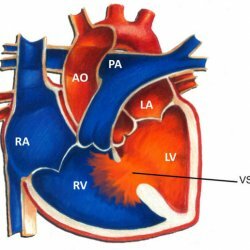
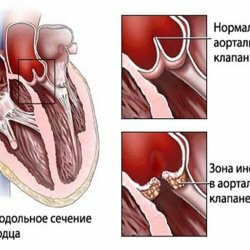
- aortic stenosis and left ventricular vascular obstruction.
Dose adjustment and monitoring of the patient's condition is necessary in such cases:
- severe symptoms of bradycardia;
- dysfunction of the sinus node;
- severe liver pathologies (metabolism and excretion of the drug slows down), however, renal failure does not affect the concentration of Amlodipine in the blood and is not a contraindication to its appointment;
- old age, the dosage of the drug is increased very slowly;
- mitral stenosis;
- congestive heart failure, long-term use of Amlodipine increases the risk of pulmonary edema.
Separately, manufacturers emphasize that Amlodipine (from which it is prescribed is described above) does not affect the results of laboratory tests of blood and urine. Also, doctors pay attention that in combination with dizziness and headache, the drug slows down the reaction rate. Therefore, it must be taken with caution by patients whose work depends on concentration.
Amlodipine: what does it help from, are there any differences depending on the manufacturer
 Of all calcium antagonists, Amlodipine, the form of release of which is the same and does not depend on the manufacturer, is the most popular among cardiologists.
It is clear that many domestic and foreign pharmaceutical companies have launched the production of this medication.
To designate a particular manufacturer, the full or abbreviated name of the manufacturer is added to the original name of the active ingredient.
However, this does not affect what Amlodipine helps with. For example, this:
- Amlodipine Zentiva from the company of the same name, one of the divisions of the French corporation Sanofi;
- Vero-Amlodipine produced by the Russian Veropharm;
- Amlodipine Teva, Israel;
- Amlodipine-ZT of the Ukrainian company "Health";
- Amlodipine Sandoz, a drug produced in Slovenia by the representative office of the Swiss company Sandoz;
- Amlodipine Prana from Russian Pranafarm;
- Amlodipine Ajio, made in India.
This list can be continued, not counting the numerous drugs under the common name Amlodipine (from which helps to clarify the medicine better with a doctor), which produces about a dozen domestic pharmaceutical factories. Separately, it is necessary to dwell on the combined funds that contain Amlodipine, the list of diseases from which these drugs help is the same.
However, these drugs are more effective:
- Niperten Combi (amlodipine + β-type adrenergic receptor blocker bisoprolol);
- Amzaar (amlodipine + angiotensin receptor antagonist losartan), an additional component increases resistance to physical loads, reduces the total peripheral vascular resistance and normalizes pressure in the small (pulmonary) circle blood circulation;
- Duplekor (amlodipine + hypolipidemic component of atorvastatin), the drug is prescribed for hypertension in combination with atherosclerosis, the drug reduces the level of cholesterol and low density lipoproteins;
- Ko-dalneva (amlodipine + ACE inhibitor perindopril + diuretic indapamide), the drug has a pronounced hypotensive effect.
The list of such combined drugs is much longer, but the principle of combining Amlodipine with other components that enhance its effect remains. Taking into account the tendency towards an increase in the number of diseases of the cardiovascular system due to atherosclerosis, the connection with statins, which have a hypolipidemic effect, is of interest to doctors.
It is important
The selection of combination drugs based on Amlodipine should be carried out only by a doctor.
Let's dwell on the instructions for using a monopreparation, it is the same for any of its varieties, regardless of the manufacturer. Usually, the initial daily dosage to reduce myocardial oxygen demand and prevent angina attacks is 5 mg.
Take a tablet of Amlodipine 1 time per day, and the degree of its dissolution in the digestive tract and absorption of the active component does not depend on food.
If there is no effect, the amount of the drug is increased to 10 mg per day (they also drink once a day). For elderly patients, treatment begins with 2.5 mg tablets, and then the dosage is increased.
It is important
The daily amount of Amlodipine should not exceed 10 mg.
Pills for pressure Amlodipine: side effects, overdose, use during pregnancy
Arterial hypertension during pregnancy is considered one of the priority problems of modern medicine, since, according to WHO experts, they are faced with
An increase in blood pressure occurs against the background of physiological hypertrophy of the myocardium (its mass by the end of the last trimester increases to 30%), an increase in heart rate, vascular tone under the influence of sex hormones. Usually, in this case, Amlodipine is not needed during pregnancy, magnesium-based drugs and light sedatives are enough.

When do pregnant women need antihypertensive therapy? There is no definite answer to this question. Doctors agree that women belonging to a low risk group (with blood pressure up to 140-160 / 90-110 mm Hg. should be observed in a specialized hospital. And if there are no signs of damage to various organs, Amlodipine tablets are not prescribed.
It should be noted that, for obvious reasons, clinical trials of the drug for the effect on the future fetus were not carried out. Therefore, for the treatment of hypertension in pregnant women, the safest drug with a minimum of side effects and complications is chosen.
These criteria are met by the latest generation calcium channel blockers with prolonged action, namely Amlodipine tablets (or its analogue Normodipine).
Despite the numerous data on the safety of Amlodipine, based on the observation of children who were born after treatment with this drug during the second and third trimesters of pregnancy, up to 8 weeks of fetal development from medications is better refrain. It is during this period that organogenesis occurs, and the embryo is sensitive to the toxic effects of drugs.
It is important
The active component of Amlodipine tablets (amlodipine besylate) is excreted in breast milk, therefore, if treatment is necessary, lactation should be stopped.
The main side effects of Amlodipine tablets are associated with its vasodilating (i.e. relaxing) effect on peripheral vessels.
Therefore, more often than others there are:
- headache;
- fever, redness of the face and neck;
- heart rhythm disturbances (tachycardia or bradycardia);
- swelling of the legs;
- lowering blood pressure;
- drowsiness;
- dizziness.
Complications from the digestive, excretory and other systems develop much less often:
- constipation or, conversely, diarrhea;
- nausea, vomiting;
- abdominal pain;
- lack of appetite;
- thirst due to dryness of the oral mucosa;
- reversible liver damage;
- dyspnea;
- increased painful urination;
- muscle pain, cramps;
- skin rash, the appearance of age spots.

An overdose of Amlodipine tablets is very dangerous, since the drug can cause a strong decrease in blood pressure and bradycardia. Deterioration of the condition is fraught with death. Therefore, when the first symptoms appear, it is necessary to give a large dose of adsorbent (activated carbon), lay it down with raised legs, and call doctors.
In the hospital, medications are used to maintain normal functioning cardiovascular system, provide constant control of the rhythm of myocardial contractions, lung function and the volume of urination.
The package of the drug usually contains several blisters with Amlodipine tablets. In addition to the main component, they contain auxiliary substances that facilitate pressing in the factory, dissolution in the digestive tract and distribution in the body. These are microcrystalline cellulose, potato starch, lactose, calcium and magnesium stearate.
Pills for pressure Amlodipine are combined with drugs for the treatment of diabetes mellitus, non-steroidal anti-inflammatory means, most antibiotics (with the exception of Clarithromycin, Erythromycin and their analogues), alcohol (in reasonable quantities).
The antihypertensive effect of Amlodipine tablets is enhanced by the following groups of medicines:
- nitrates;
- ACE inhibitors;
- diuretics;
- statins;
- antipsychotics;
- α- and β-blockers;
- antiviral drugs.
It is important
The concentration of Amlodipine in the blood increases with the use of a large amount of drunk grapefruit juice, so it is better to exclude this drink from the diet.
The effectiveness of tablets from the pressure of Amlodipine decreases under the influence of calcium preparations, antifungal agents Ketoconazole and Itraconazole. Especially the side effects from the combination of Amlodipine with the listed medicines are expressed in old age.
Medicine Amlodipine for pressure: analogues, prices and reviews
 Analogs amlodipine medication is a lot. The composition of these drugs is the same, the principle of action is the same. They reduce the load on the myocardium, the tone of the coronary and peripheral vessels.
Instead of Amlodipine, a cardiologist can suggest (for an adequate comparison, prices for 30 tablets of 5 mg will be given):
- Amlovas, made in India, 300 rubles;
- Tenox, firm KRKA, Slovenia, 272 rubles;
- Normodipin, Gedeon Richter, Hungary - Russia, 370 rubles;
- Gemiton, Germany, 70 euros;
- Norvask, Pfizer, USA, 540 rubles.
The cost of the drug Amlodipine of Russian production, as well as Amlodipine Sandoz and Amlodipine Teva, ranges from 150-180 rubles. However, doctors refute the conventional wisdom (which is also actively disseminated on social networks) about the complete similarity of all the listed drugs, when, for example, Norvasc is no different from Amlodipine.
An important role in the production of any drug is played by the degree of purification of the active substance, various excipients (and their exact concentration). It is these indicators that provide the bioavailability, and, consequently, the effectiveness of the drug, less severity of side complications.
And for the same reason, Normodipine or Norvasc in a particular patient has a vasodilating and hypotensive effect, but the drug Amlodipine does not. By the way, this situation is not always observed.
According to the reviews of cardiologists, Amlodipine from pressure improves the long-term prognosis and hypertension aggravated by other pathologies (diabetes mellitus, ischemic heart disease, cerebrovascular accident) by preventing angina attacks, relaxing smooth muscles and expanding the wall vessels. In addition, the drug ensures the maintenance of normal blood pressure levels without any pronounced side effects.
Partial use of site materials (no more than 30% of the content of the article) is allowed only with a hyperlink on www.med88.ru, full use of the article (more than 30% of the article content) is possible only with written permission edition.