Bladder treatment in children
In most cases, increased urination in a baby is a consequence of the inflammatory process. Cystitis in childhood is diagnosed less often than in adults. Treatment of the bladder in children is carried out taking into account the severity and specificity of age.
Content
- 1 Features of the disease in children
- 2 Causes
- 3 Symptoms
- 4 Which doctor to contact
-
5 Treatment
- 5.1 People's Councils
- 5.2 Diet
- 6 Prophylaxis
Features of the disease in children
Cystitis is an inflammation of the bladder wall. It is not easy to diagnose it, since children cannot always explain their feelings and problems. If treatment is not started on time, the process quickly spreads to other genitourinary organs.
The disease in a child can occur at any age, starting from infancy. Boys suffer more up to six months, due to inflammation of the foreskin. In children from 2 to 15 years old, the disease is diagnosed 10 times more often in girls. This is due to the structural features of the urinary system - a short urethra, close to the anus.
A disease of a non-infectious nature is a medicinal, toxic, chemical cystitis. The infectious process is associated with the introduction of a pathogenic agent. The acute form is difficult, with the involvement of the mucous and submucous layer of the bladder. The chronic appearance can be latent, with periodic relapses. It affects all layers of the organ. Depending on the degree of change in the mucous membrane, it happens:
- catarrhal;
- hemorrhagic;
- ulcerative;
- polypous.
By the degree of spread of the inflammatory process, focal and diffuse cystitis are distinguished. It can be an independent disease, or occur in combination with urethritis, pyelonephritis, vulvovaginitis in girls.
Causes
The main reason is the influence of bacteria, viruses. In children under 5 years of age, it is predominantly an ascending route of infection. That is, the pathogen from the external genital tract enters the bladder, causing acute cystitis. Often the reason is non-compliance with the rules of personal hygiene. With a decrease in immunity or concomitant diseases, the process becomes chronic.
The downstream infection is caused by kidney disease. And also the presence in the body of anatomically distant foci of infection. In this case, microorganisms penetrate the circulatory and lymphatic systems. The causative agents are streptococci and staphylococci, Candida fungi, viruses, as well as Escherichia coli, chlamydia.
Inflammation of a non-infectious nature is provoked by the following factors:
- decreased immunity;
- insufficient metabolism;
- violation of the innervation of the bladder;
- delayed outflow of urine;
- hypothermia;
- lack of vitamins;
- heredity;
- stress.
The cause of cystitis in infants is an untimely diaper change. In older children, inflammation can be associated with certain medications.
Symptoms
The signs of the disease depend on the general condition and age of the child. In 30% of cases, cystitis is asymptomatic. In weakened and often sick babies, the course is severe, accompanied by the following symptoms:
- Temperature rise, sometimes up to 38–39 °.
- Mom may notice that the child often goes to the toilet.
- False urge.
- Children complain of burning and pain during urination.
- Soreness in the lower abdomen when lying down, and during bowel movements.
- Rapid fatigability, weakness, schoolchildren cannot concentrate on their studies.
- Increased nervousness.
- Sleep disturbance.
The same symptoms can appear in chronic cystitis during an exacerbation.
Small children are capricious, crying, it would seem, for no reason. Due to the need for frequent visits to the toilet, the elders become nervous, refuse to communicate with their peers.
Mom can determine the pathology by the type of urine. It becomes cloudy with various impurities, a darker color, possibly an admixture of blood.
Which doctor to contact
For the first time with frequent urination, you should contact your pediatrician or family doctor. The diagnosis is made on the basis of the mother's explanations or the child's own complaints. In addition, laboratory and instrumental studies will be required. After the examination, the treatment is carried out by a pediatric urologist.
With pathology, a clinical analysis of urine shows an increase in leukocytes, at a rate of 1-2 in the field of view. In the presence of cells of the transitional epithelium in large quantities. With a hemorrhagic form, there are red blood cells. And also urine culture is necessary for microflora and antibiotic sensitivity.
In older children, a two-glass test is performed. The first portion of urine is collected in one container, and the last in the other. Thus, it is determined whether this is a pathology of the external genital organs or the bladder. A blood test can also indicate an inflammatory condition.

Two-glass test. Weakly cloudy urine with cystitis in a child.
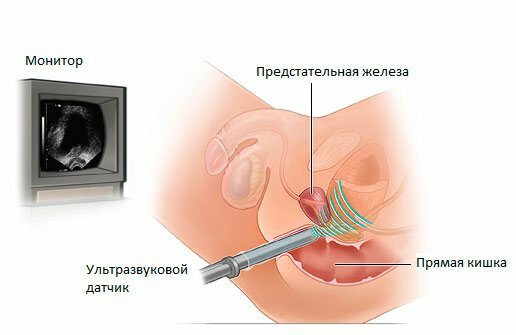
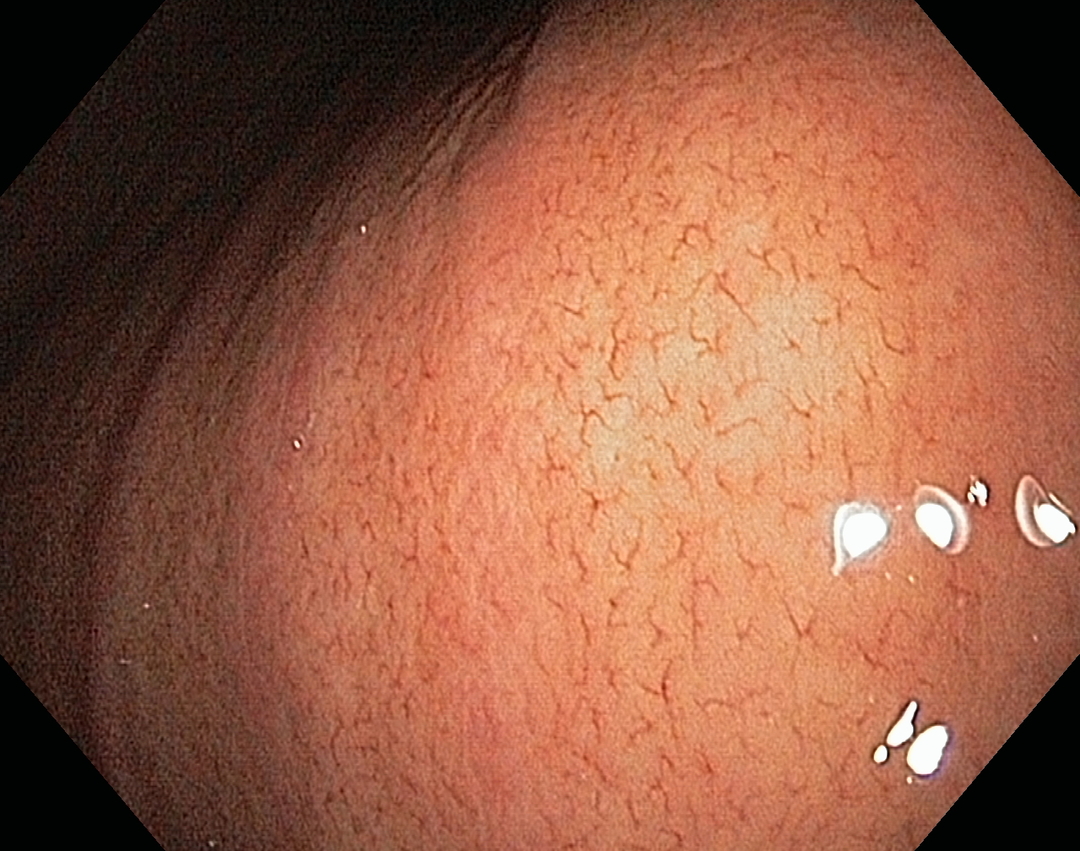
On ultrasound, a thickening of the bladder walls is found, which indicates an inflammatory process. For the differential diagnosis of the chronic form of the disease and developmental anomalies, cystoscopy is performed during the period of remission. Sometimes radiography with a contrast agent is used.
Children have more frequent urination with other diseases. So with ARVI, in contrast to cystitis, there is no pain and incontinence. Pyelonephritis is characterized by a more striking violation of the general condition, high temperature. And the pain is concentrated in the lower back, on the right or left. In the analysis of urine, a large number of bacteria. Consultation of narrow specialists will be required to exclude appendicitis, gynecological disorders, paraproctitis, swelling.
Since urine analysis is the most indicative for diagnosis, it is important to collect it correctly. This requires a clean container. In the morning you need to carry out the toilet of the genitals. If possible, take a mid-range urine sample. Deliver to the laboratory on time with a referral form.
Treatment
Mild cystitis does not require hospitalization. The therapy is complex and symptomatic. Medicines, a treatment regimen, and other recommendations can only be given by a doctor. The following groups of drugs are prescribed:
- antibiotics - cephalosporins, penicillins;
- uroseptics;
- antispasmodics to eliminate pain;
- antipyretic drugs;
- vitamin complexes.
Broad-spectrum antibiotics are prescribed if the body has other infectious diseases, such as tonsillitis, pneumonia. The drugs can be in the form of injections, tablets or suspensions. They are prescribed for 5-7-10 days, under the supervision of a physician. To protect the beneficial microflora, prebiotics and probiotics are added.
Uroseptics accumulate in the kidneys and are excreted in the urine. Their active substances directly act on the causative agent of cystitis. They are of chemical and plant origin. These are drugs such as Furazolidone, Nitroxoline, Norfloxacin. The course of treatment is 7-10 days.
Plant-based preparations - Kanefron, Urolesan, Bearberry leaf. Kanephron N is given to infants with milk. It is a safe drug with no side effects. The dosage is set by the doctor, depending on the weight and age of the baby.
Fortifying agents - vitamins, minerals, are prescribed for 1-2 months.
In chronic cystitis during remission, electrophoresis with drugs, magnetotherapy, mud procedures are performed.
After treatment, a control test is required.
People's Councils
For home treatment, a child needs proper hygienic care using decoctions of medicinal plants. Sitting baths are done in the morning and in the evening, immersing the child up to the waist in a basin. Water temperature 37 °, duration 10 minutes. To prepare the broth, use chamomile, calendula, string, oak bark. Plants are used with caution, as they can cause an allergic reaction.
You can apply dry heat to the pubic area. For this purpose, take buckwheat or rice groats. It is heated in a dry frying pan, poured into a linen bag, applied to the lower abdomen for 10-15 minutes. All thermal procedures are carried out after the acute process subsides, or in the stage of remission.
Inside, babies after a year, prepare a decoction of parsley root. Half a teaspoon of crushed raw materials is brewed with a glass of boiling water. Insist for 20 minutes, give 50 ml 1-2 times a day.
Children over 12 years old make a decoction of dried lingonberry leaves and berries. A tablespoon of raw materials is brewed with a glass of boiling water, filtered after half an hour, and 100 ml is taken twice a day.
Diet
This is an integral part of the treatment. Children can only be given foods that will not irritate the bladder mucosa. The basis of the diet is vegetable and cereal dishes, they are baked, stewed, boiled. Fermented milk products will be useful. You need to feed your child 5-6 times, in small portions.
Limit salt, 2-3 g per day is enough. Exclude from the diet spicy, pickled foods, rich meat broths, chocolate.
It is important to follow the drinking regime. For children under one year old, 0.5 liters is enough, the norm from one to three years is 1 liter, for preschoolers and older than 1.5 liters of liquid per day. In addition to boiled water, you can offer compote, lingonberry or cranberry juice, a decoction of dried fruits, fresh fruits and berries.
Prophylaxis
Cystitis can lead to pyelonephritis. Frequent relapses affect the reproductive system of girls. To prevent the disease, you must:
- observe personal hygiene, change underwear daily;
- timely treat diseases of the external genital organs;
- stimulate immunity;
- avoid hypothermia;
- use baby underwear made from natural fabrics only.
After treatment of acute cystitis, control is needed for a month. After a relapse of the chronic form, observation is necessary for a year, with periodic monitoring of urine analysis.