Angina pectoris: what is it, symptoms and treatment, causes, prognosis
Content
- What is exertional angina?
- Symptoms and Signs
- Causes of occurrence
- Diagnostics
- Treatment of exertional angina
- Prognosis and complications
- Conclusion
What is angina pectoris stresses?
Exertional angina (also called simply angina pectoris or stable angina pectoris, the old name "angina pectoris") Refers to symptoms caused by ischemia of part of the heart muscle - that is, when the heart muscle does not receive enough oxygen, usually due to coronary heart disease (Ischemic heart disease). The most common symptom seen with angina is chest pain or chest discomfort, but angina can cause a number of other symptoms as well.
Doctors talk about two different types of angina pectoris: stable and unstable angina. Unstable angina is considered a medical emergency and you can read more about it in the article on unstable angina. In the same article, we will talk about a more common form of angina pectoris - exertional angina (it is also stable).
Coronary artery disease often causes blockages in the coronary arteries, which can restrict blood flow to the heart muscle. When the heart muscle does not receive enough blood flow, symptoms called angina pectoris can occur.
Stable angina is caused by a stable blockage of the coronary artery. A blockage is considered "stable" because it usually stays the same (or only gets worse gradually). For this reason, the angina it causes also remains about the same. Angina symptoms tend to occur after approximately the same exertion or stress, usually in a predictable manner. In other words, angina pectoris shows a fairly stable pattern of occurrence.
Angina pectoris is caused by a stable blockage of the coronary artery. Symptoms tend to occur after approximately the same exertion or stress, and usually in a predictable manner.
Symptoms and Signs

People with stable angina have no symptoms at all when they are at rest or during light activity, because under these conditions blood flow in the heart muscle is adequate. Angina tends to occur with exertion, and often in a fairly reproducible and predictable manner. For example, a person with angina may only notice symptoms when climbing a second flight of stairs or after walking more than three blocks.
Symptoms exertional angina most often include into myself pressure or chest pain, sometimes squeezing or "heavy" in nature, often radiating to the jaw or left arm. However, many people with angina do not have these typical symptoms of "chest pain". The discomfort people experience can be quite mild, and they can brush it off relatively easily by saying, that there is nothing to worry about - and if the doctor asks them if they have ever had chest pain, they can answer "No".
Or they may be discomfort localized to the back, abdomen, shoulder, or one or both arms. In addition, they have there may be no real pain or discomfort at all, and their only symptom may be nausea, dyspnea or "heartburn». Again, in a person with stable angina, these symptoms usually occur during periods of exercise or stress, and they tend to be reproducible.
Read also:Unstable angina
It is important to understandthat the significance of angina has little to do with whether the symptoms are severe or bearable. Angina is important because it indicates that the heart muscle is not getting enough oxygen and the heart is in danger. Therefore, even the "mild" symptoms caused by angina pectoris are of great importance.
This means that any symptoms that may presenting angina should never be ignored, especially in middle-aged or older people, and especially if there are one or more risk factors for coronary heart disease. If there are any unusual symptoms, located somewhere above the waist, often occurring with physical exertion or stress, it is important to get a medical examination.
Causes of occurrence
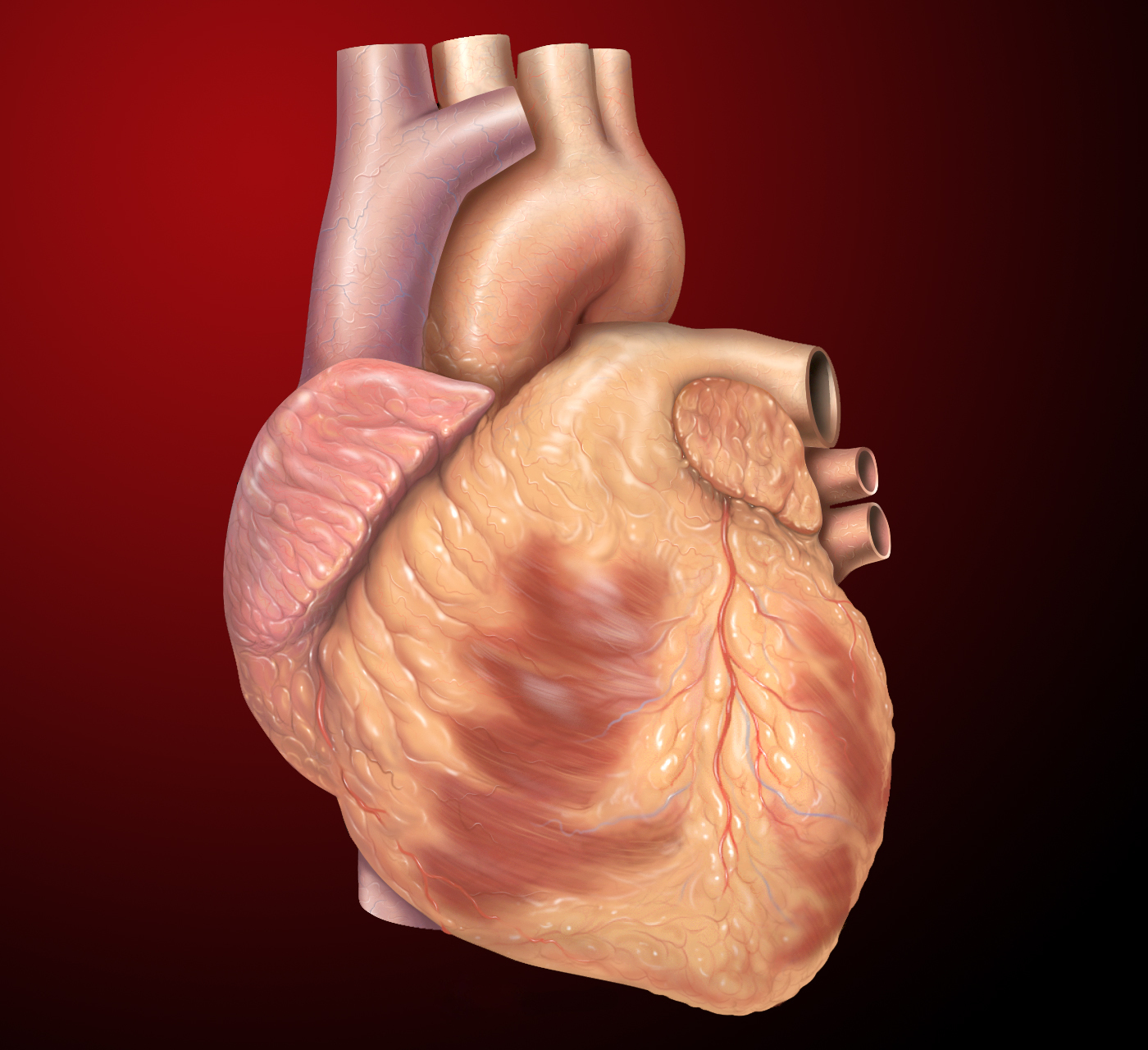
Angina pectoris occurs as a result of an atherosclerotic plaque that develops in a coronary artery and causes a partial fixed blockage of the artery. This partial blockage usually ensures adequate blood flow to the heart muscle during rest periods, so there is no angina at rest.
However, a partial blockage also limits the maximum amount of blood that an artery can supply. Thus, during periods when the heart muscle needs to work harder, for example, during physical exertion or emotional stress, blood flow cannot increase sufficiently to meet the increased requirements for heart muscle. Muscles with a lack of oxygen suffer from ischemia, and angina pectoris occurs.
As soon as the physical activity stops - probably because the symptoms of angina pectoris cause the victim to stop - the oxygen required by the heart muscle drops to its original level. Within a few minutes, ischemia passes, and angina pectoris passes.
Diagnostics
Usually doctors are suspicious of the possibility of stable angina pectoris, when the patient describes any recurring pain, discomfort, or unusual sensation anywhere above the waist that is associated with exercise or stress.
When a doctor suspects a person has angina due to coronary artery disease, first step usually a stress test is done, most often with imaging of the heart using thallium or cardiolitis. This test is usually very successful in detecting a blockage of a coronary artery that is large enough to cause cardiac ischemia during exercise.
Because stable angina tends to be reproducible, doctors can often use a stress test to make a rough estimate of the degree of blockage caused by the plaque. For example, angina pectoris, which occurs after 30 seconds on the treadmill is likely caused by a more serious plaque. If angina occurs only in 10 minutes, the degree of blockage is likely to be much less severe.
If the stress test suggests critical obstruction of the coronary artery, cardiac catheterization may be recommended to actually visualize the coronary arteries.
Read also:Doppler ultrasound (USDG, Doppler examination of the vessels of the head and neck)
Similarly, sequential stress testing can be used to assess the adequacy of treatment and in order to give the patient some idea of what kind of load he can perform without cardiac ischemia.
Treatment of exertional angina
The goal of treatment for stable angina is in three parts: relieve or reduce symptoms of angina pectoris, try to prevent further progression atherosclerotic plaques and try to prevent the more severe consequences of coronary heart disease (IHD), namely: myocardial infarction, heart failure and sudden cardiac death.
Thus, treatment consists of drug treatment, consideration of the need for invasive treatment, and lifestyle modifications to prevent further development of coronary artery disease.
Medication can consist of one or more drugs that can reduce angina attacks. These drugs include:
- Beta blockers. Beta blockers reduce the effect of adrenaline on the heart muscle, which lowers the heart rate and the strength of the heart muscle, thereby reducing the heart's need for oxygen. These drugs also improve survival in some patients with coronary artery disease. They should be used by anyone with exertional angina.
- Nitrates. Nitrates cause blood vessels to dilate, which reduces the stress on the heart muscle, thereby reducing the heart's need for oxygen.
- Calcium channel blockers. Calcium blockers reduce the flow of calcium into the heart muscle as well as into the smooth muscle of the blood vessels. This causes blood vessels to dilate, decrease heart rate, and shorten heart rate, all of which reduce the heart's need for oxygen.
- Ranolazine (Ranex). Ranex is a new type of angina medication that appears to work by blocking the so-called late sodium channel in ischemic heart cells. Blocking this sodium channel improves the metabolism of the ischemic cells of the heart, reduces damage to the heart muscle, and also reduces the symptoms of the disease.
In a person with exertional angina, invasive treatment (with a stent or bypass) should usually be considered only when drug therapy does not adequately control symptoms without causing unbearable side effects effects.
Anyone already suffering from CHD should start an aggressive lifestyle change program and start taking medications that can slow the progression of the disease. Risk factors that accelerate coronary artery disease and that can be treated or controlled include arterial hypertension (hypertension), diabetes or metabolic syndrome, abnormal blood lipids, being overweight (or obesity), sedentary lifestyle and smoking.
The main goal of a cardiologist (a doctor who treats heart and vascular diseases) in the treatment of angina pectoris is to get rid of it a person - to give the right medicines and recommend the rules for changing lifestyle in order to completely eliminate the negative from life. In fact, if angina persists despite such measures, the doctor will most likely discuss the possibility of stent placement, which will completely eliminate the disease.
The number one goal in treating exertional angina is to get rid of it. Achieving this goal requires efforts from both the doctor and the patient.
The reason this is a priority target is not only because the primary symptoms are unpleasant. This is also due to what angina pectoris can entail. The presence of angina pectoris means that at this particular moment the heart muscle suffers from ischemia and therefore is in serious danger.
Read also:Heart diseases
Achieving this goal will require some effort on the part of the patient. You will need to be careful when taking all medicines as prescribed and see your doctor immediately if necessary.
You will need to pay attention to the symptoms of angina and keep a careful record of when and how angina occurred, what you did, when it started, and how long it lasted. You will need to find out what physical activity is causing angina in your case, and then avoid them.. While no one can eliminate all emotional stress, you should avoid situations that you know may trigger it ahead of time. If eating a lot of food leads to angina pectoris, then you should eat more often, but in smaller quantities.
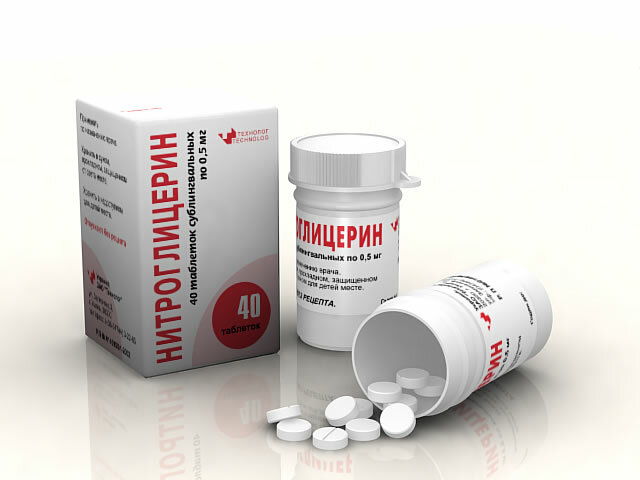
You should talk to your doctor about what exactly you should do when you are having an angina attack. - when and how much to take nitroglycerin, how long to wait before calling an ambulance (03 or 112).
For most people, the goal of getting rid of angina is achievable, but it requires teamwork between him and the doctor.
Prognosis and complications
The prognosis for people with the disease is generally good. The condition often improves with medication. Making certain lifestyle changes can also prevent your symptoms from getting worse, including:
- maintaining a healthy weight;
- regular exercise;
- smoking cessation;
- balanced diet.
You can continue to fight chest pain for a long time if you don't adopt a healthier lifestyle.
You may also be at increased risk for other heart conditions.
Possible complications stable angina pectoris include heart attack, sudden death from an abnormal heart rhythm, and unstable angina. These complications can develop if the disease is not treated at an early stage.
Conclusion
Stable angina occurs when an atherosclerotic plaque causes a significant amount of blockage in a coronary artery, sufficient to cause cardiac ischemia with tension in a heart. It is important that angina is diagnosed and treated to avoid permanent damage to the heart, or worse, death.
Anyone who has symptoms of chest discomfort on exertion - or any other unusual pain above the lower back that recurs with exertion or stress - should be examined by a doctor.