Heart tachycardia: what it is and how to treat it at home
Excitement, stress, exercise can sometimes make your heart beat faster.
Tachycardia is often harmless and resolves over time. However, contrary to popular belief, the cause of cardiac tachycardia can be not only stress or increased physical activity.
Persistent tachycardia may also indicate impaired functioning of the cardiovascular system, and this problem requires immediate treatment.
Let's take a closer look at what it is and how to treat this condition.
Content
- What is cardiac tachycardia
- Causes of tachycardia
- Diseases that cause heart palpitations
- Heart disease
- Autonomic disorders group (VSD, NCD)
- Endocrine Disorders
- Tachycardia during pregnancy
- Why does the heartbeat increase with alcohol consumption?
- Tachycardia at night before bedtime
- Active substances causing cardiac tachycardia
- Diagnosis of tachycardia
- What to do with tachycardia?
- How to calm your heart quickly?
- Folk remedies
- Prevention and recommendations for tachycardia
- Prognosis for tachycardia
What is cardiac tachycardia
Cardiac tachycardia - enlargement
heart rate (Heart rate). Tachycardia means the heart beats faster, thereby increasing the heart rate.The human heart beats 60 to 90 beats per minute. With physical exertion, the heart rate can rise to 100 beats per minute. Also, the heart rate can accelerate with mental stress, stress, the use of certain substances and various diseases.
Common causes of tachycardia are, for example:
- stress or nervous disorders;
- drinking caffeine;
- emotional stress;
- heavy physical activity;
- alcohol consumption, smoking;
- heart diseases such as cardiac ischemia, myocardial disease, hypertension or mitral valve insufficiency;
- hyperthyroidism;
- low blood sugar;
- anemia (anemia).
In all these cases, the heart rate exceeds 90 beats per minute.
Also, there are ectopic and sinus tachycardia (a form of supraventricular tachyarrhythmia), and each of them requires separate attention and treatment.
Causes tachycardia
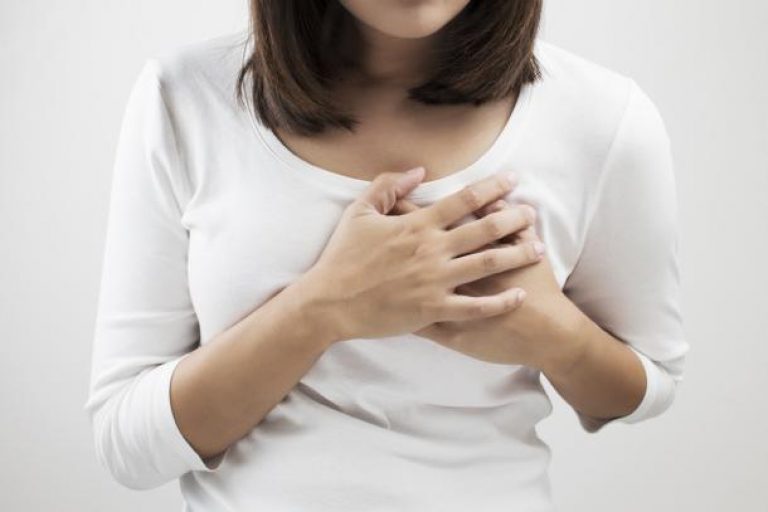
Tachycardia or heart palpitations should not be a cause for concern. It is often a healthy response of the body to stress or stress.
When the heartbeat increases, organs and muscles are better able to distill blood, and more oxygen becomes available to the body. Muscles receive energy through oxygen and sugar.
With fear and anxiety, it is also normal for the heart to beat faster. The body tends to run or fight, both of which work best when the muscles are well supplied with oxygen.
Diseases that cause heart palpitations
In addition, tachycardia can occur in the background atrial fibrillation. Typical causes of this form of cardiac arrhythmia are:
- heart diseases such as cardiac ischemia, heart disease, heart muscle disease (cardiomyopathy), high blood pressure (hypertension);
- potassium deficiency;
- hyperthyroidism;
- alcohol;
- infections (for example, pneumonia);
- chest trauma;
- vegetative disorders.
Other possible reasons why the heart beats quickly, quickly:
- anemia (anemia);
- low blood sugar;
- pulmonary embolism;
- severe allergic reaction (anaphylactic shock);
- diseases of the musculoskeletal system;
- endocrine system diseases;
- blood poisoning (sepsis).
Heart disease
Here there is paroxysmal tachycardia, which is accompanied by seizures, when the heart begins to beat violently. In this case, the patient can name the exact time frame of when the attack began and when it ended, and this is what is considered a hallmark of the disease.
There are additional symptoms, which include the following:
- dizziness;
- fainting;
- noise in ears;
- feeling as if the heart is jumping out of the chest;
- nausea;
- sweating
Read also:CLC syndrome
A heart defect can lead to the development of ventricular fibrillation, and subsequently to cardiac arrest. This violation is extremely dangerous, and therefore it is recommended to consult a specialist cardiologist. Treatment will depend directly on the results of the examination.
A group of autonomic disorders (VSD, NDC)

There is no specific algorithm for detecting tachycardia, because there can be both seizures and a constant persistent increase in heart rate. The number of blows in this case can reach 140 strokes.
A distinctive feature is that the patient with this disorder cannot perform even the usual daily activities, for example, walk or climb stairs.
The complexity of the disease is that in the presence of pronounced psychological symptoms, it is almost impossible to distinguish it from psychosis or neurosis.
To other symptoms of cardiac tachycardia with vegetative dystonia include:
- dizziness;
- noise in ears;
- weakness;
- fast fatiguability;
- increased anxiety;
- mood swings;
- sharp changes in body temperature;
- obsessive states;
- panic attacks.
At neurocirculatory dystonia (NDC) you can observe the following symptoms:
- pallor of the skin;
- cold extremities;
- headaches;
- dizziness;
- weakness;
- increased fatigue;
- high pressure.
In these cases, for treatment, it is necessary to consult a neurologist or cardiologist, depending on the prevailing symptomatology.
Endocrine Disorders
Hyperthyroidism is often accompanied by tachycardia, and the characteristic feature is that the heart rate exceeds 110 beats per minute.
Additional symptoms characteristic of endocrine disorders:
- enlargement of the thyroid gland;
- painful sensations in the stomach;
- excessive sweating;
- sudden weight loss despite increased appetite;
- irritability;
- increased fatigue;
- in guys - a decrease in potency;
- for girls - violation menstrual cycle and breast enlargement;
- increase liverthat remains reversible;
- increased content blood glucose (determined only after the delivery of tests).
If such symptoms are found, it is recommended to consult an endocrinologist.
Tachycardia during pregnancy

Heart palpitations during pregnancy can be associated with many factors, because during this period of life in a woman's body undergoes hormonal changes, which in the first place can cause frequent tachycardia.
The main causes of tachycardia during pregnancy are:
- hormonal changes;
- malfunctions of the thyroid gland;
- nervous tension;
- an increase in the hormones estrogen and progesterone.
Heart palpitations during pregnancy can also occur with infectious diseases (pneumonia, flu, ARVI). In this case, the expectant mother is advised to start treatment immediately.
Why does the heartbeat increase with alcohol consumption?
Alcohol consumption itself does not always lead to tachycardia, rather, it is caused by certain factors:
- alcohol poisoning, which leads to a malfunction of the heart;
- improper work of blood vessels. If the vessels of the patient are disturbed even without alcohol consumption, in the future this can lead to the fact that in stressful situations the body seeks to speed up the processes. This causes the heart to beat faster;
- insufficient amount of vitamins or other nutrients. With frequent use of alcohol, when the body does not have time to compensate for them on its own.
It is important to pay attention if tachycardia occurs even after a small amount of alcohol. This condition is not normal and requires immediate medical attention.
Tachycardia at night before bedtime
Heart palpitations at night, especially after eating, can be caused by:
- emotional shock;
- anxiety, fear;
- previously drunk coffee or energy drink (caffeine contained in these drinks lasts 5-6 hours in the body);
- allergic reaction;
- side effect from any drug;
- lack of or poor air circulation in the room;
- the above-described diseases of the cardiovascular system.
Read also:What is normal pressure for an adult, a table of indicators for women and men
If the heart began to beat faster only against the background of a situation that happened recently, and there are no other prerequisites for diseases, tincture of valerian or motherwort will help calm the heart. These natural medicines are excellent for coping with tachycardia that has arisen on emotional, nervous grounds.
Active substances causing tachycardia of the heart
Many substances affect the heartbeat. For example, caffeine causes the adrenal glands to release more adrenaline. This stress hormone speeds up your heart rate and increases (short-term) blood pressure.
Sometimes tachycardia also occurs as a side effect of certain medications, such as:
- antidepressants (citalopram and escitalopram);
- levothyroxine sodium (thyroid hormone), tachycardia occurs with an overdose;
- when taking Cetirizine.
Diagnosis of tachycardia
Anyone who has been experiencing palpitations or tachycardia for a long time should see a doctor. This will help determine if the symptoms are harmless or if it is a serious cardiac arrhythmia that needs treatment.

In the process of diagnostics, a complete examination of the body is carried out, during which the state of the cardiovascular system, internal organs, the thyroid gland and the nervous system is checked. Additionally, they take a general analysis of blood and urine.
If tachycardia is detected, the first step is to seek the advice of a cardiologist. It is this specialist who can conduct the initial examination.
To determine the causes of rapid heartbeat, the following additional examinations are prescribed:
- ultrasound examination of the heart (echocardiography);
- ECG of different types;
- chest x-ray;
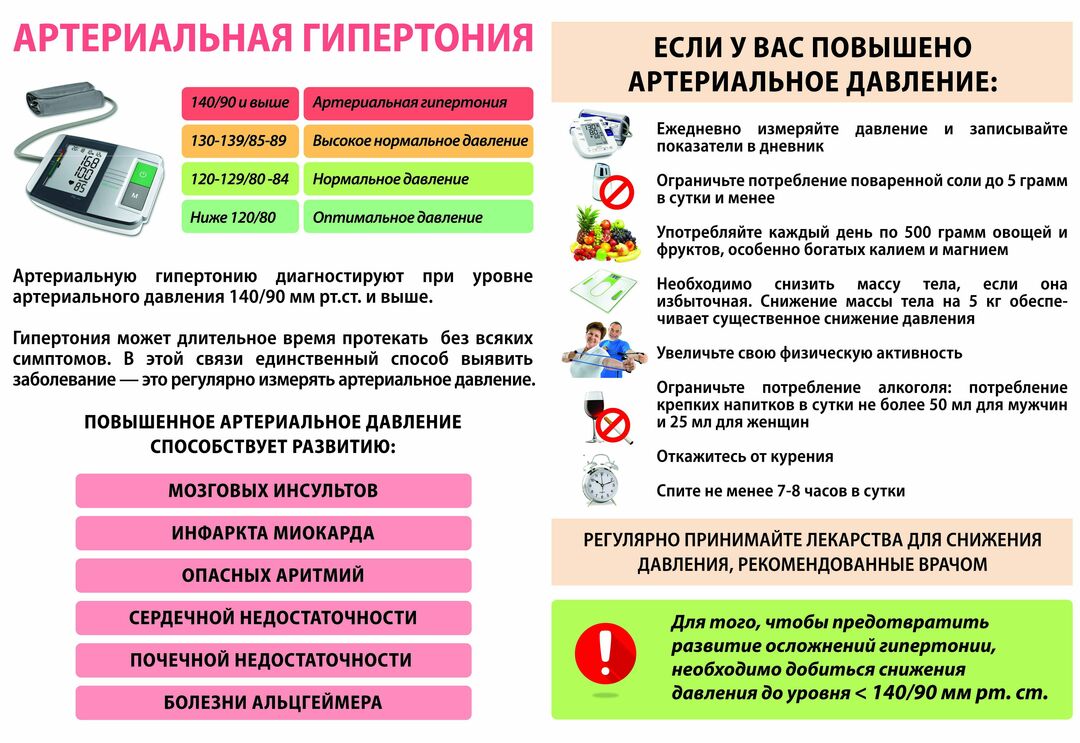
- measuring blood (arterial) pressure.
The so-called electrocardiogram (ECG) is one of the most important examination methods. The ECG will provide information about the condition of the heart. The doctor inserts several electrodes in the chest area that measure and record the heart's currents. This allows the doctor to know if the patient's heart rhythm is regular or, for example, chaotic.
Since many patients have only infrequent cardiac arrhythmias, a long-term ECG with monitoring of values over 24 or 48 hours may be required. To do this, the patient receives a small ECG device, which he must carry with him for a day or two.
What to do with tachycardia?
When tachycardia is due to agitation or exertion, therapy is usually not needed. If the problem is the cause of the disease, only the doctor knows how to treat it: mainly cardiac arrhythmias such as atrial fibrillation, can be treated with the help of antiarrhythmic drugs (Lidocaine, Diphenin, Mexiletin, etc.).
Hypertension-related tachycardia is treated with ACE inhibitor drugs and beta-blockers. In addition, people with high blood pressure and coronary artery disease can help themselves. You should
- Do not smoke;
- avoiding excess weight and, if necessary, losing weight;
- move more;
- eat healthy foods.
If heart palpitations are a consequence of hyperthyroidism, antithyroid drugs are the main drugs in its treatment. If the tachycardia is provoked by an overdose, high doses of levothyroxine, the doctor will adjust the dosage.
In cases of stress or mental strain, relaxation exercises such as progressive muscle relaxation can help.
How to calm your heart quickly?
Palpitations can also be calmed at home. Experts recommend taking the following steps for tachycardia:
- calm down. No matter how difficult it is, at the time of an attack, it is important to pull yourself together and not let the nerves take over;
- stop any activity immediately. It is better to sit down or even lie down, but the main thing is to bring the body to a state of rest;
- if you have sedatives on hand, give them: they are suitable as sedatives motherwort, valerian, validol, corvalol;
- give the sick person more fresh air. To do this, you can open windows, doors, take the patient out into the street.
Read also:Heart failure: causes, symptoms, treatment and prevention
In most cases, a rapid heartbeat or tachycardia tells the body to rest. Perhaps you should take a vacation or a day off for a while.
Folk remedies
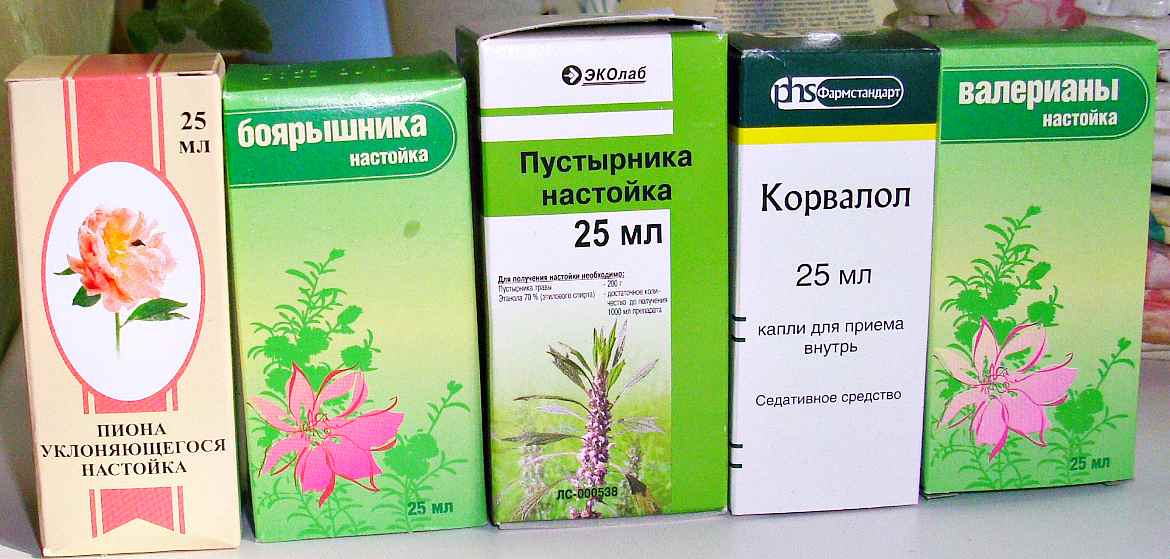
To cure tachycardia, you can do without drugs. It is the medicines or intolerance of some of the components that make up the composition that sometimes leads to tachycardia or a rapid pulse, and therefore you should not give up folk remedies.
Some of the more popular recipes include:
- Hawthorn decoction or motherwort. Ingredients (20 drops each) must be poured with warm water (200 ml), stirred and drunk;
- Herbal preparations. You can choose any combination of herbs that have soothing properties (motherwort, valerian root), take 1 spoon of each, pour them with a liter of boiling water. For preventive purposes, just one glass a day is enough, which is best divided into several doses throughout the day;
- Sandy immortelle. Just 15 g of this plant is enough, which you need to fill with a glass (200 ml) of boiling water, then leave to infuse for 1 hour. Half a glass 2 times a day will be enough to treat tachycardia;
- Pinky massage. If the attack took you by surprise, you can massage the little fingers, and pay special attention to the area near the nail.
It is important to note that before using the above decoctions, you need to undergo an examination. In case of allergies and other disorders, some of them may be contraindicated and, therefore, may lead to a worsening of the patient's condition.
Prevention and recommendations for tachycardia
Tips for preventing tachycardia:
- do not smoke, do not use nicotine;
- abstain from alcohol or consume it in moderation;
- find balance in your stressful daily life. Regular relaxation exercises (progressive muscle relaxation), calm hobby;
- stick to a certain daily routine, sleep at least 8 hours a day, go to bed at the same time.
For preventive purposes, it is recommended to undergo examinations several times a year. Also, you should regularly check your own pulse and pressure, even if the examination did not reveal any pathologies.
It is important to remember about water, you need to drink 2 liters of water every day. This is necessary to improve blood circulation and get rid of toxins that are present in the body.
Prognosis for tachycardia
The prognosis of tachycardia is favorable. Heart palpitations are normal in some people.
In the event that tachycardia is a consequence of diseases, it is necessary to follow all the recommendations of specialists. This will help completely get rid of the tachycardia. Patients who have already got rid of this condition are strongly advised to monitor their diet and daily routine in order to prevent the recurrence of tachycardia.